

I learned this the hard way the first time I tried to be a tourist in my own backyard after another military move. I typed the city name into a search bar, got the same five “Top Things To Do” everyone gets, and spent half the morning fighting crowds for a view I could have found on a postcard.
The next weekend, I did what I always do when I feel stuck. I picked a random ZIP code instead. Suddenly my results looked like a real neighborhood: a tiny riverside trail with free parking, a family-run breakfast counter with pie at the register, and a pocket museum I never would have found under the big city umbrella.
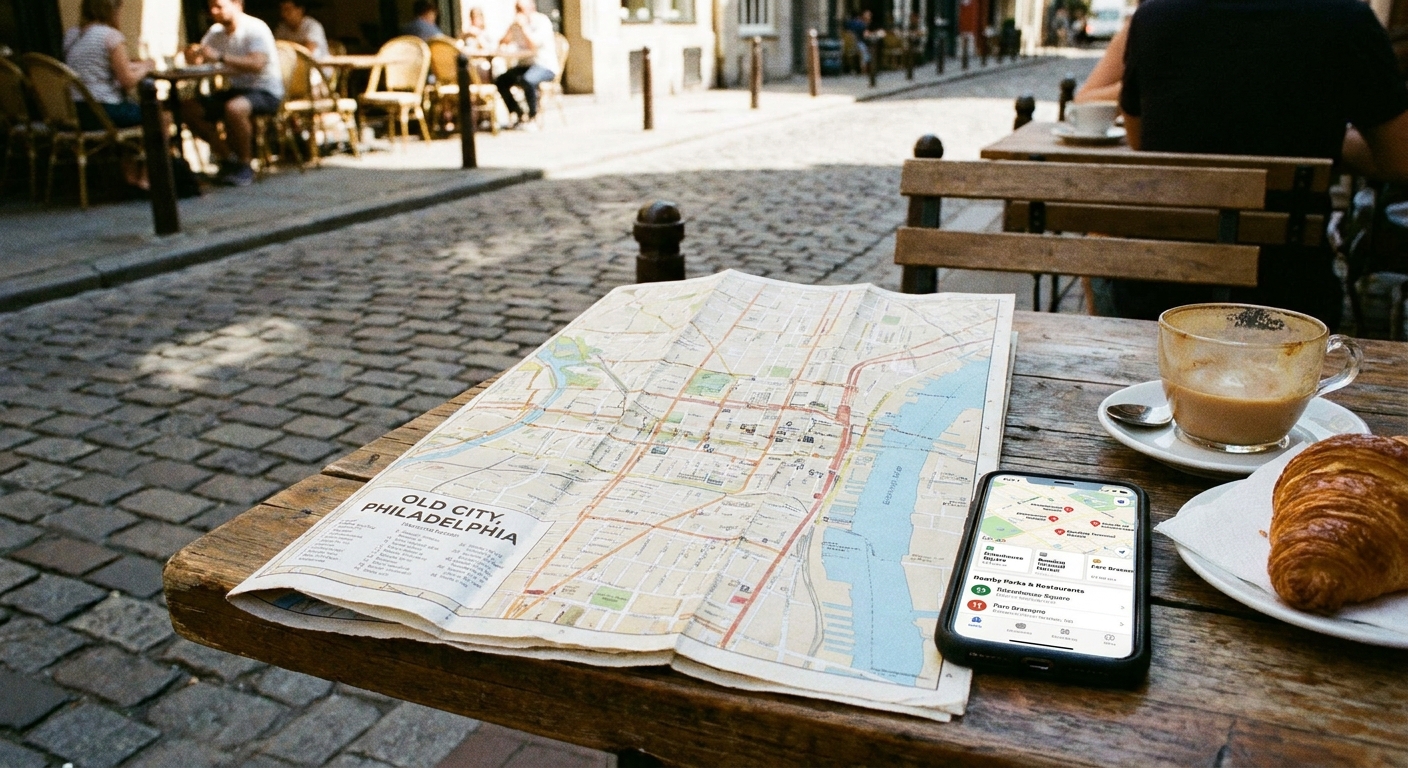
This is the heart of it: city name searches tend to give you the loudest, broadest answers. ZIP code searches can surface closer, more specific answers, especially when the platform actually uses what you typed instead of defaulting to popularity, ads, or your current GPS dot. And when you are planning a day trip that actually feels local, specific usually wins.
Why city-name searches repeat attractions
City searches are great when you want the headline stuff. They are less helpful when you want the neighborhood stuff.
They reward popularity, not proximity
When you search something like “Things to do in Chicago,” you are entering a popularity contest. The results usually tilt toward:
- major museums, stadiums, and landmarks
- downtown clusters, even if you are staying 30 minutes away
- high-traffic attractions that have the most reviews and the biggest marketing footprint
That is fine if you have one day and want the city’s greatest hits. It is not ideal if you want a relaxed day built around a specific neighborhood, especially in big metros where the “greater city area” can stretch a lot farther than most people expect.
They blur neighborhoods into one generic list
Cities are not one place. They are dozens of micro-places. A city-name search often mixes neighborhoods with totally different vibes and logistics, so your easy afternoon becomes a zigzag of driving, parking, and backtracking.
They hide small, excellent places locals use
My favorite finds are rarely famous. They are the places with:
- short, specific names that do not include the city name
- seasonal hours, weird hours, or minimal web presence
- more word-of-mouth than marketing
Those spots are still searchable. You just have to search like a local, not like a tourist. ZIP codes can help you do that.
What ZIP code searching changes
A ZIP code is not a perfect circle on a map, and it does not always match what locals call a neighborhood. Some are oddly shaped, some are huge, and some are tied to PO boxes or large organizations. Still, using a ZIP code as your starting point often narrows your hunt enough to change the quality of the results.
More useful distance and drive-time planning
If you start with a city name, you might be 2 miles from an attraction or 22 miles from it. Starting with a ZIP code can make “nearby” more likely to mean nearby, but it depends on how the tool defines nearby. Some platforms lean on your current location, and rural ZIP codes can behave especially oddly.
Even with that caveat, a ZIP-first approach helps with:
- parking stress
- quick detours between stops
- keeping your day from turning into a windshield tour
Neighborhood gems can rise to the top
Depending on the platform, your location settings, and personalization, ZIP-focused results can surface the places that serve people who live there:
- community parks and short trails
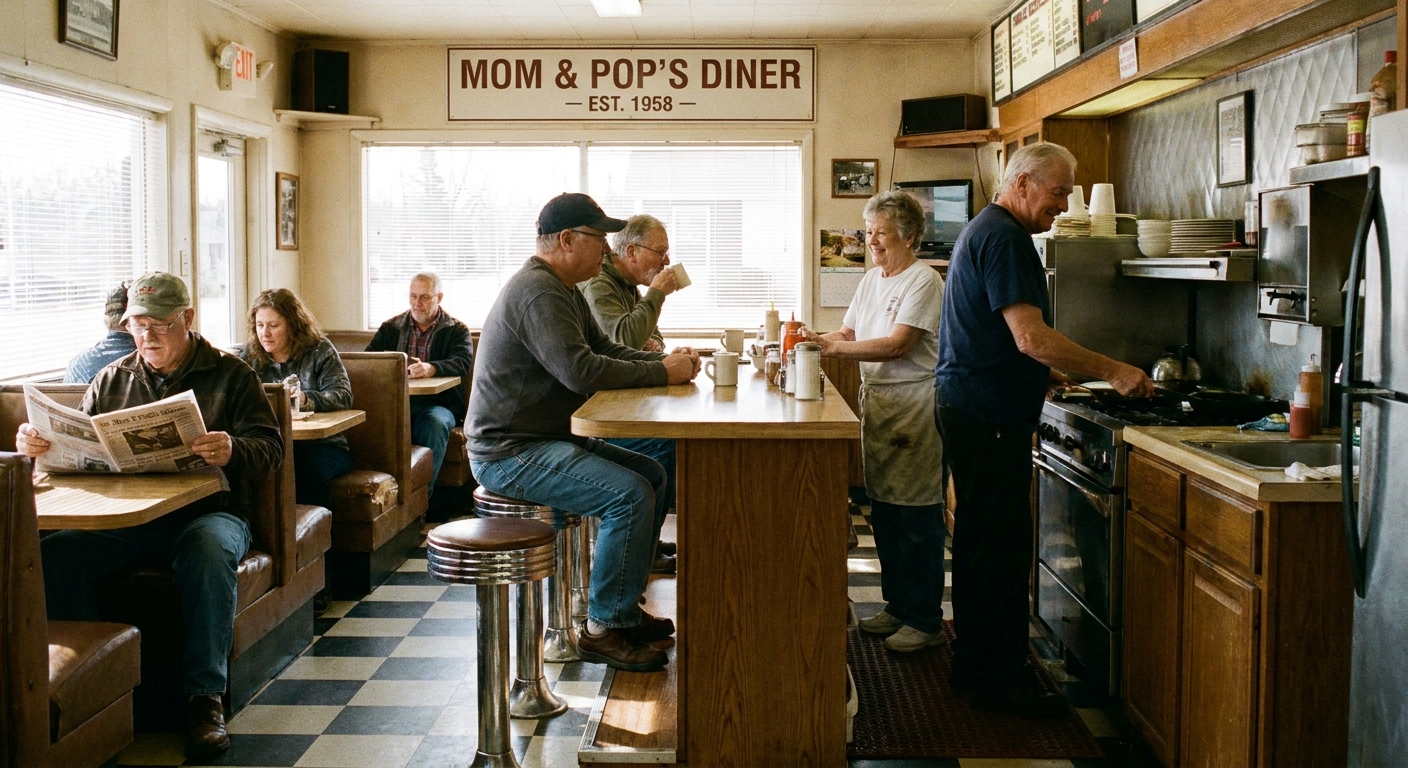
- local coffee shops and diners
- public libraries with exhibits and events
- murals, sculpture walks, and small galleries
- farm stands and weekend markets
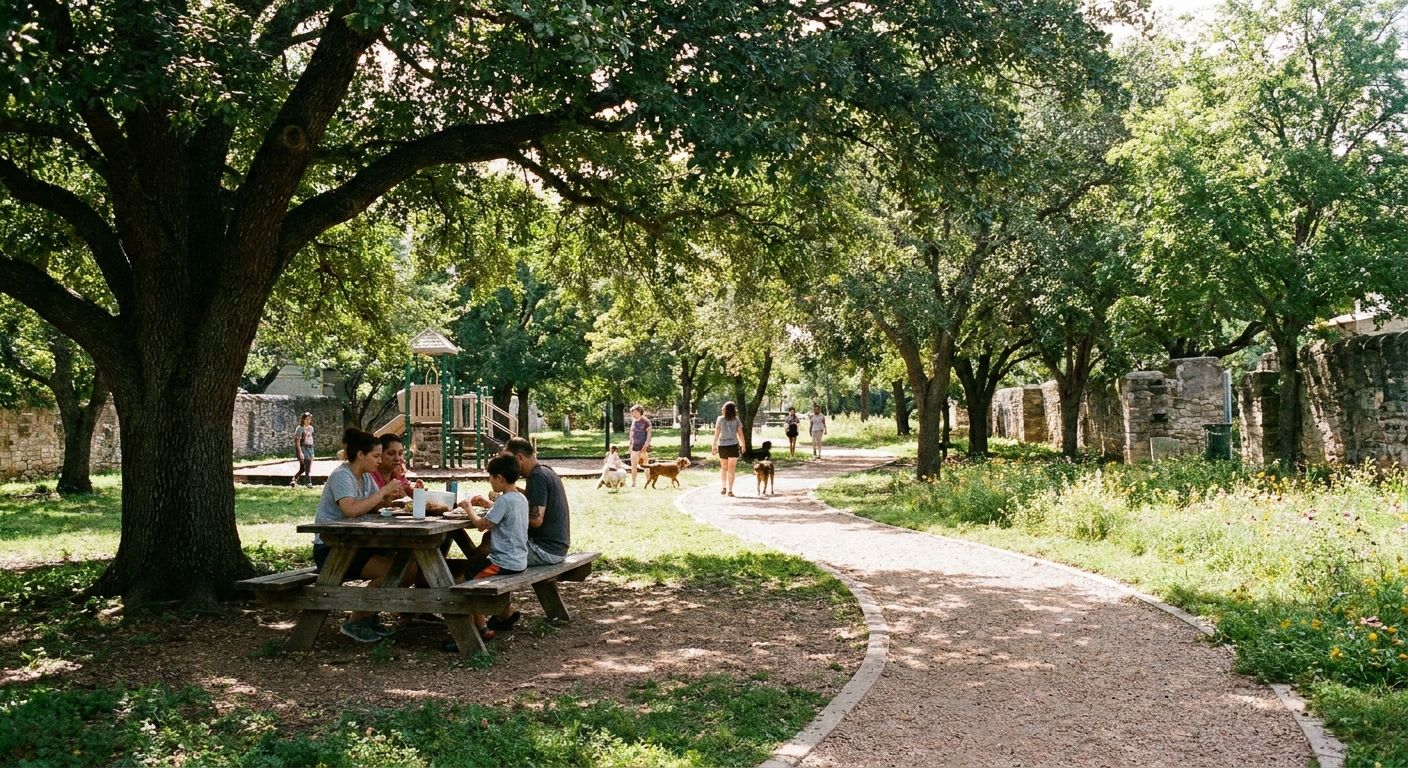
Build a day around one base camp
This is my favorite micro-trip trick. Pick one ZIP code as home base, then stack your stops like this:
- Morning: breakfast within the ZIP
- Mid-morning: a walk, park, or historic spot
- Lunch: a local counter-service place
- Afternoon: one quirky stop or scenic drive loop
- Late afternoon: coffee or dessert before heading home
The day feels fuller because you spend less time relocating and more time actually doing things.
Better edge-of-city discoveries
Some of the best day-trip material lives on the borders: industrial art districts, older streetcar neighborhoods, river corridors, and those in-between zones that never make best-of lists. ZIP codes are good at revealing those edges.
City vs. ZIP code
| What you search | What you usually get | Best for | Not great for |
|---|---|---|---|
| City name | Big landmarks, tourist hubs, top ten lists | First-time visitors, bucket-list sights | Quiet local days, neighborhood hopping, avoiding crowds |
| ZIP code | Nearby parks, small restaurants, niche attractions, local services that are visit-worthy | Authentic day trips, I want something different, staying close to one area | Finding the single most famous attraction in the region |
If your goal is a memorable Saturday that feels like you uncovered something, ZIP code searching wins more often than not.
How I search by ZIP code
Here is my real-world method. It is simple, repeatable, and it works almost anywhere.
Step 1: Pick the ZIP code
You can start with:
- a ZIP code near where you are staying
- a ZIP code that covers a neighborhood you have never explored
- a ZIP code that sits near a river, lake, mountain, or state park boundary
If you like the spin the globe approach, you can literally choose one from a map and commit.
If the ZIP is PO box only or tied to a single campus, you may get odd results. When that happens, grab a neighboring residential ZIP code instead.
Step 2: Use specific activity words
These are the words that pull up the good stuff:
- trailhead
- historic district
- botanical garden
- mural
- viewpoint
- public market or farmers market
- nature center
- museum plus the ZIP code
- bakery or diner plus the ZIP code
Things to do can still help, but it tends to drift back toward generic lists.
Step 3: Build a tight triangle
I aim for three to five stops that form a triangle or loop within a small area. If the stops scatter, the day gets harder. If they cluster, the day feels easy.
My simplest version looks like: breakfast, then a park, then a small museum or local shop, all within about 10 minutes of each other. If I can finish with dessert without getting back on a highway, I know I picked well.
Step 4: Sanity-check logistics
This is the part that saves your mood.
- Parking: Look for mentions of lots, street parking rules, or nearby garages. Do not wing it on residential streets where signs get strict fast.
- Hours: Verify weekend hours, especially for small museums, gardens, and markets.
- Timing: Put the must-do stop earlier in the day in case something runs long.
- Conditions: For trails, check closures and weather, and bring the shoes you actually need.
- Etiquette: Be a good neighbor. Follow parking signs, keep noise down on residential blocks, and leave no trace on trails and in parks.
If you want more help turning one ZIP code into a full itinerary, I walk through the approach step-by-step in our ZIP Code Lookup guide. For the bigger picture of building a whole day around one small area, start with Plan a Local Day Out Beyond a ZIP Code.
When city-name search is better
I am not anti-city-search. I use it all the time. I just use it for the right jobs.
- Your first visit ever: City search helps you orient quickly and choose one or two signature sights.
- You have limited mobility: City lists often highlight accessible attractions with clear visitor infrastructure.
- You want events: Major venues and seasonal festivals are usually easier to find at the city level.
My favorite hybrid approach is: city search for one anchor attraction, ZIP search for everything around it that makes the day feel personal.
Common ZIP search mistakes
Mistake: using a ZIP code that covers a huge area
Some ZIP codes sprawl, especially in rural areas where addresses are spread out. If results feel scattered, pick a neighboring ZIP code closer to the neighborhood core and try again.
Mistake: assuming the ZIP code equals the neighborhood
ZIP boundaries do not always match what locals call an area. If you are not getting great results, try searching the nearest cross-street or the name of a park inside the ZIP, then zoom out slightly.
Mistake: missing the near factor
If you only search ZIP code plus attraction, you might miss things just across the boundary. Check adjacent ZIP codes for one extra wildcard stop, like a scenic overlook or a dessert place worth a five-minute drive.
How to choose city or ZIP
If you are standing in your kitchen with coffee and a free day ahead, here is the decision rule I use:
- If your goal is to see what the city is known for: start with the city name.
- If your goal is to have a day that feels like you found it yourself: start with a ZIP code.
Most weekends, I am not chasing the best attraction in the region. I am chasing the best day. ZIP codes usually get me there faster.
When you are ready to branch out, you can explore more ways to build hyper-local itineraries in Town Guides and browse idea starters in Attractions. If you ever want to share a particularly great ZIP code find, you can reach me through Contact.
And if you are wondering who keeps encouraging people to treat random ZIP codes like treasure maps, that is me. You can find my story over on my author page.