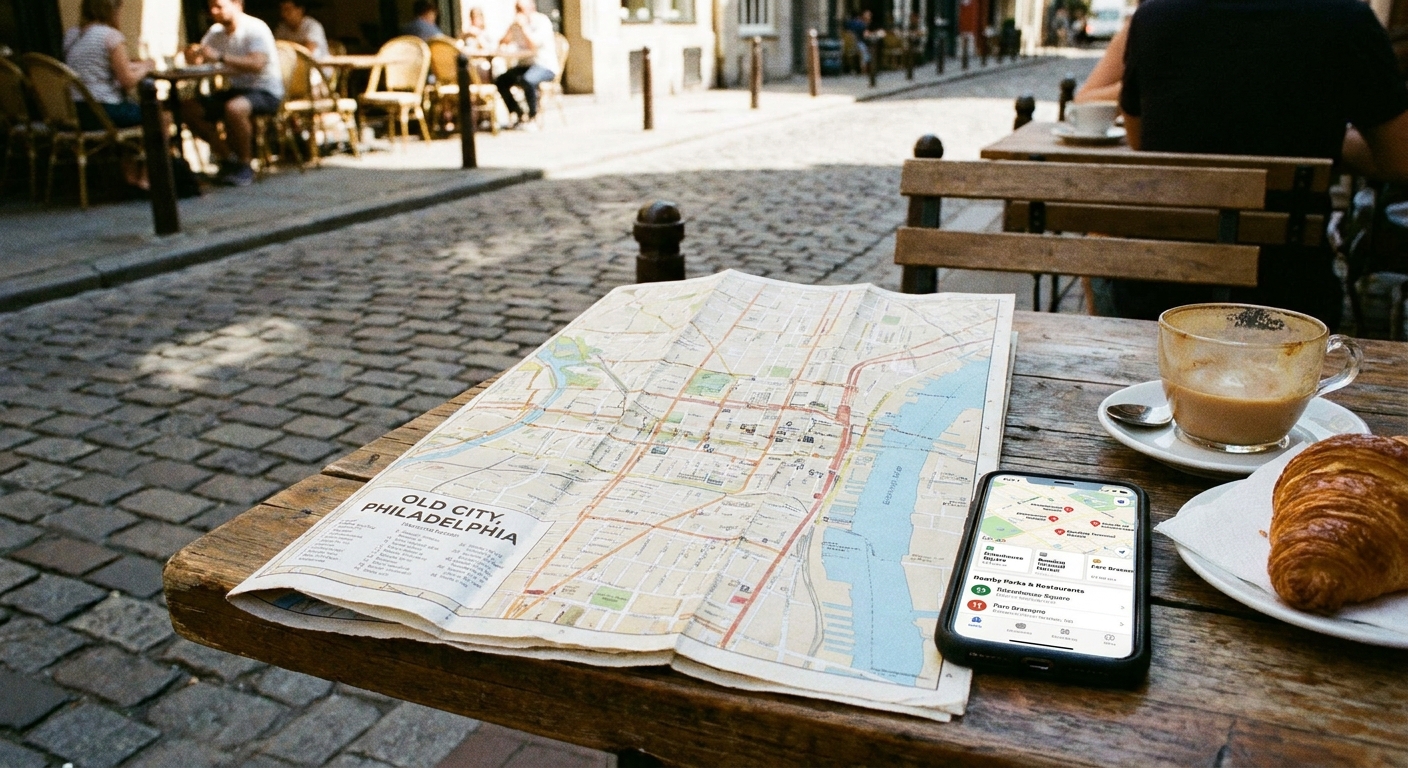

I grew up in a military family, so I got used to landing in a new place and needing a game plan fast. My favorite trick still works in any town I visit: I pick one ZIP code and let it point me toward where the locals actually eat. Not “best restaurants in the city” (which can turn into a popularity contest), but the little spots clustered around everyday life.
This is my step-by-step method for finding hidden gem restaurants using only a ZIP code, plus the quick checks I use so I do not waste a meal on a place that looks cute online but is closed, disorganized (long waits, confusing ordering, parking headaches), or built mostly for tourists.
Why ZIP code searching works
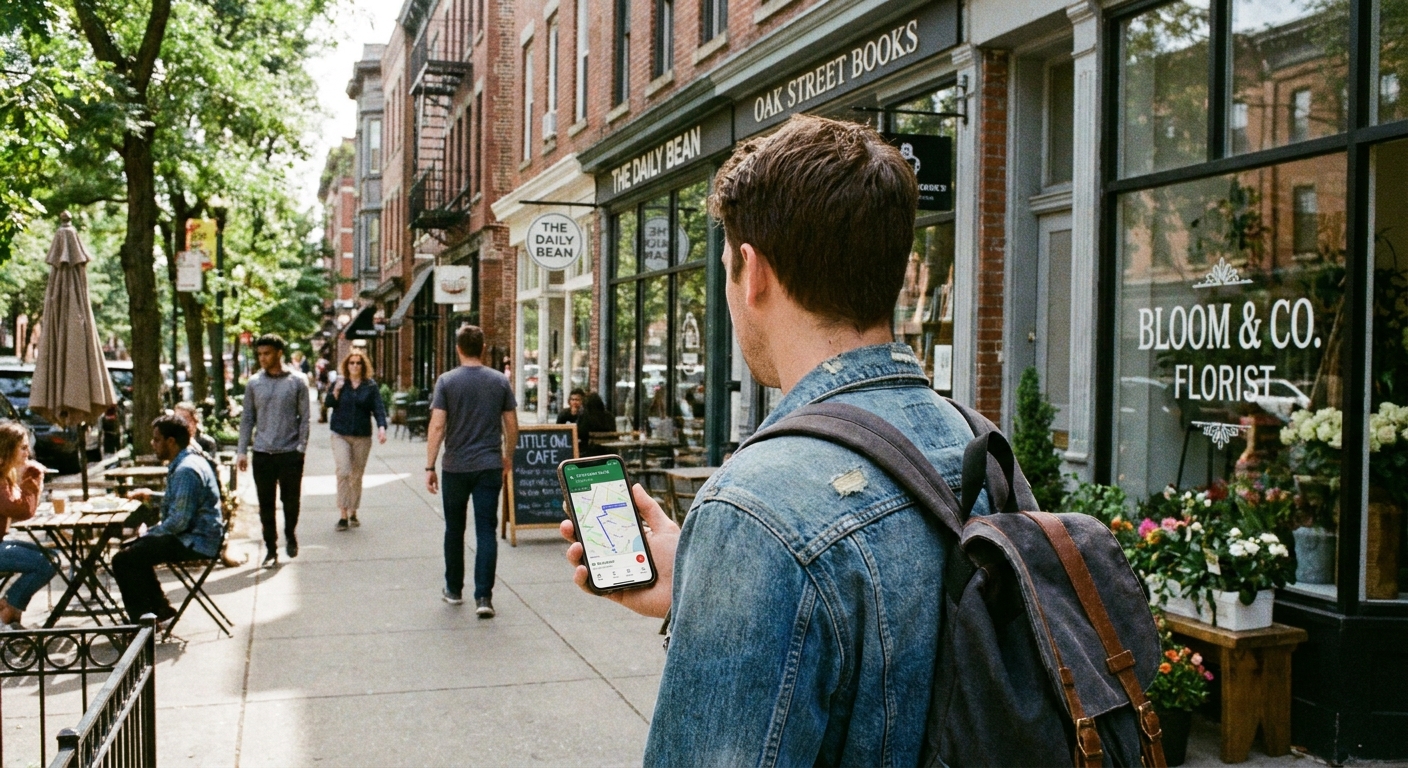
A city-wide search can get noisy fast. A ZIP code search is a neighborhood nudge. It helps you focus on places that tend to live off repeat locals, office lunch crowds, school pickup traffic, and regular weekend routines.
- Less noise: You are not competing with every restaurant across an entire metro area.
- More “regulars” energy: A tighter area often surfaces community staples.
- Easy to build a micro-trip: Once you have food, you can add a park, bookstore, walkable main street, or scenic detour nearby.
If you are new to the idea of planning by ZIP code, my approach across the site is to start with a boundary and build out from there. The overview lives in Zip Code Lookup, and if you want the bigger “how to turn this into a full day” mindset, I keep my planning flow in Plan a Local Day Out Beyond a ZIP Code.
Step 1: Aim at the right area
Here is the first pitfall: ZIP codes are for mail delivery, not perfect neighborhood boundaries. Some are tiny and dense. Some are weirdly shaped. Some cover industrial pockets with almost no dining. Some are primarily PO boxes. And yes, ZIPs can cross city lines, which is how you end up searching the “right” ZIP but drifting into a totally different vibe.
Do this first:
- Search the ZIP code in your map app (whatever you use day to day).
- Zoom out until you can see the surrounding major roads and nearby districts.
- Tap around the general area to make sure you are not accidentally centered on a post office, an industrial park, or a rural route.
If your app shows a boundary: great, use it. A lot of apps do not display ZIP outlines consistently, so do not get stuck here. You can still work with a ZIP-centered search and tighten your focus in the next step.
Step 2: Start with what you want
Instead of beginning with “restaurants,” I start with what I actually want to eat, then add the ZIP code to keep results anchored to the area I am actually trying to eat in.
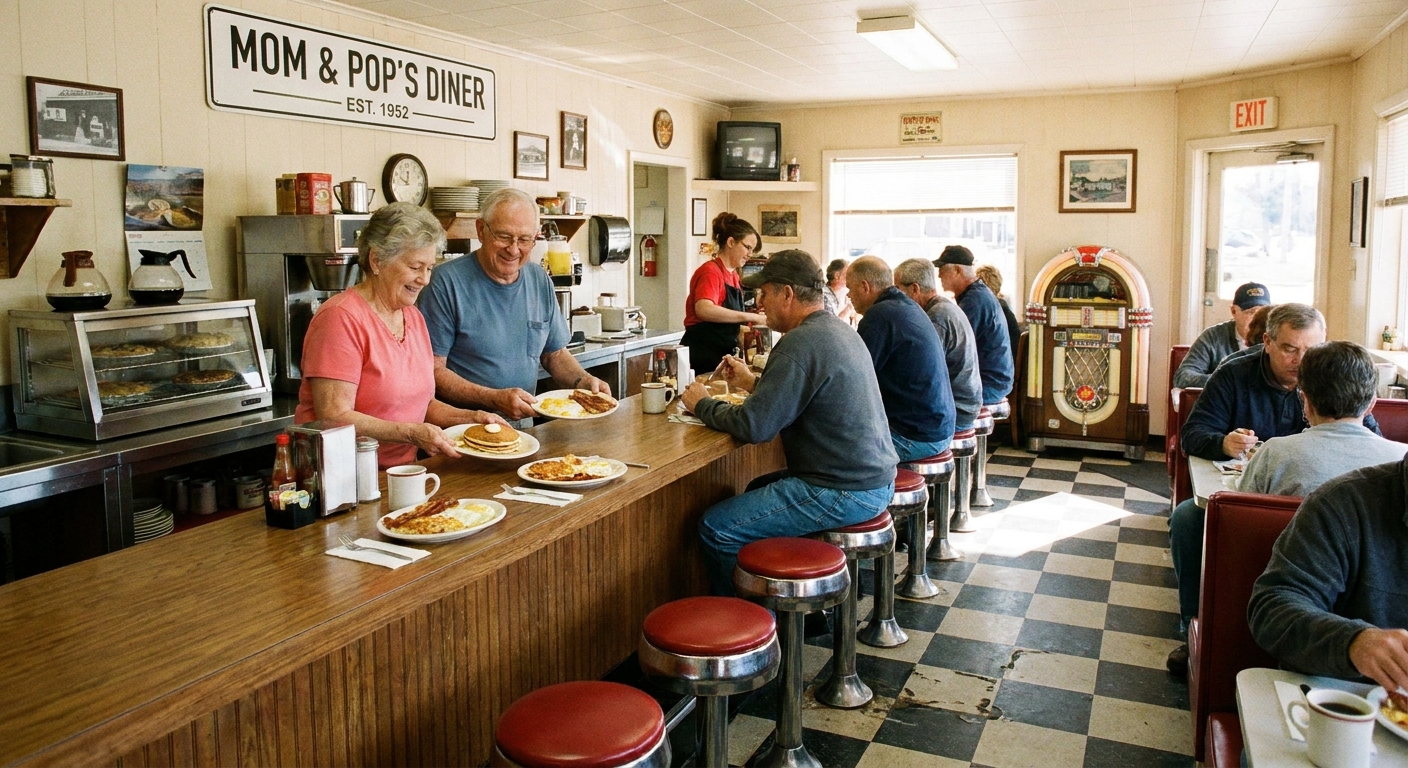
Think in everyday categories first: coffee, breakfast, tacos, bakery, diner, sandwich shop. If the ZIP is mostly residential, I also lean on words like “takeout,” “counter service,” or “cafe,” because hidden gems do not always label themselves as “best” anything. They describe what they do on a normal Tuesday.
One small realism note: many map apps treat a ZIP code more like a location hint than a hard border. That is fine. The point is to aim your search at the right zone, then use the map and filters to keep it tight.
Step 3: Filter for real life
Filters vary by app, but the goals are the same. You want places that are open when you will arrive, consistently liked, and easy to access.
My default filters
- Open now (or open at your planned time)
- Rating: This is just my personal shortcut, not a guarantee of quality. I usually start around 4.3+ and adjust based on how many options exist. In dense neighborhoods, I will bump it to 4.5+. In small towns, 4.1+ can still be a beloved local staple if the reviews are specific and recent.
- Price: I use price filters to match the day’s vibe, not to judge the food.
- Distance: Keep it tight as a browsing tactic. If your app lets you set a radius, I start around 1 to 3 miles from where the ZIP search lands, then widen only if the area is sparse.
Hidden gem signal: casual and quick
If you are hunting for hyper-local, prioritize spots that make sense for a weekday lunch, not just a Saturday date night. Think sandwich shops, family-run takeout, bakeries that sell out, and cafes near a neighborhood park.
Step 4: Skim reviews fast
I do not read every review. I skim for patterns. Here is my routine, about 30 seconds per contender:
- Sort by newest and read the most recent 5 to 10. You are checking for “still great” and “still open.”
- Search within reviews for keywords like: line, wait, parking, cash, closed, sold out, spicy, kids, gluten-free.
- Look for specificity: reviews that mention exact dishes, service style, and timing tend to be from real regulars.
Green flags I love
- “We come here every week.”
- “The owner remembered us.”
- “They sold out by 1 pm.” (annoying, but usually a good sign)
- Photos of real plates, not just the sign outside.
Yellow flags that are not dealbreakers
- “Service is slow” in a tiny kitchen. That can still be a great meal.
- “Limited seating” for bakeries and coffee counters. Plan accordingly.
Red flags that save me
- Multiple recent reviews saying “hours are wrong” or “closed.”
- A pattern of “food was cold” or “everything tasted bland.”
- Dozens of reviews that sound copied and vague.
Step 5: Switch to map view
Once you have a shortlist, switch to the map view and zoom in. Hidden gems often live in “everyday” clusters:
- Near older strip plazas with a grocery store, laundromat, and barber.
- Along a commuter road with lots of turn-ins.
- Close to a neighborhood park, library, or community college.
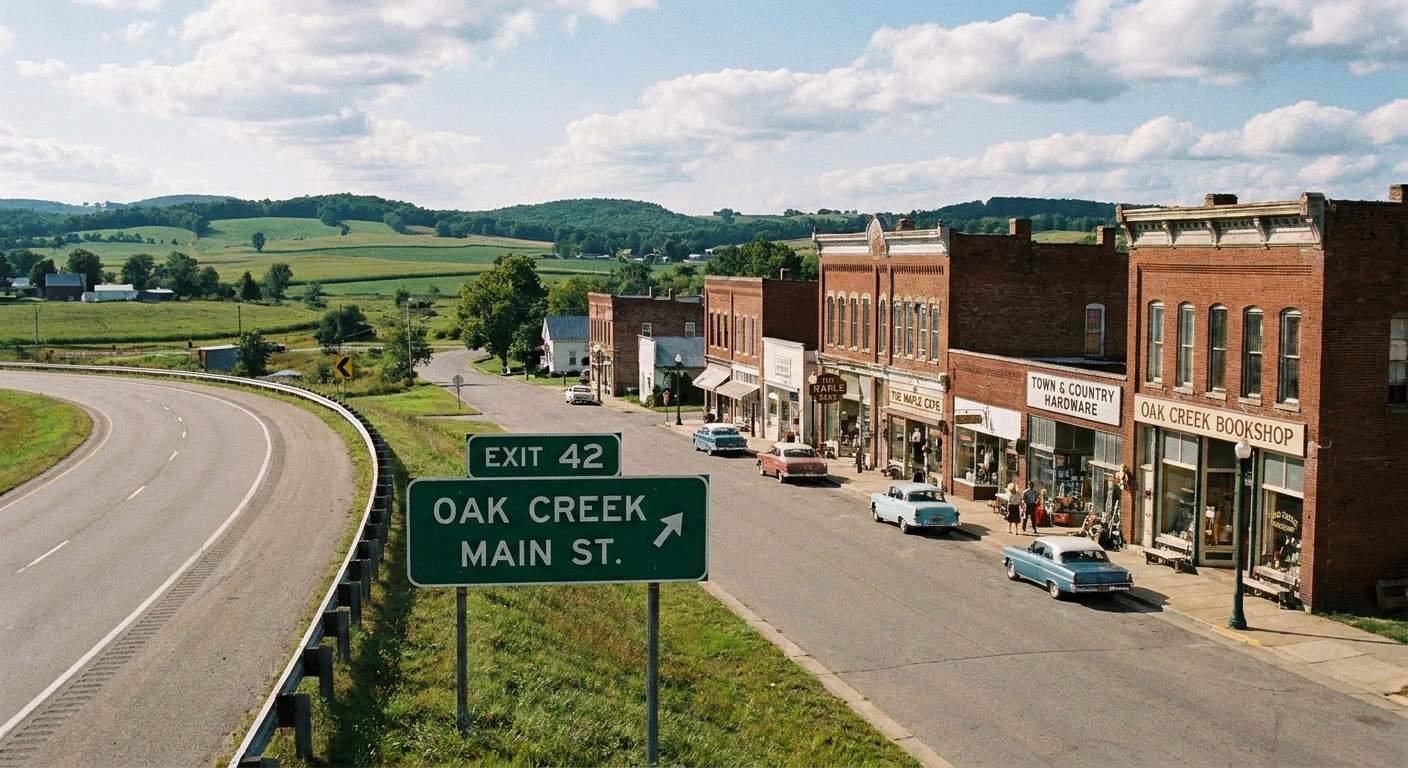
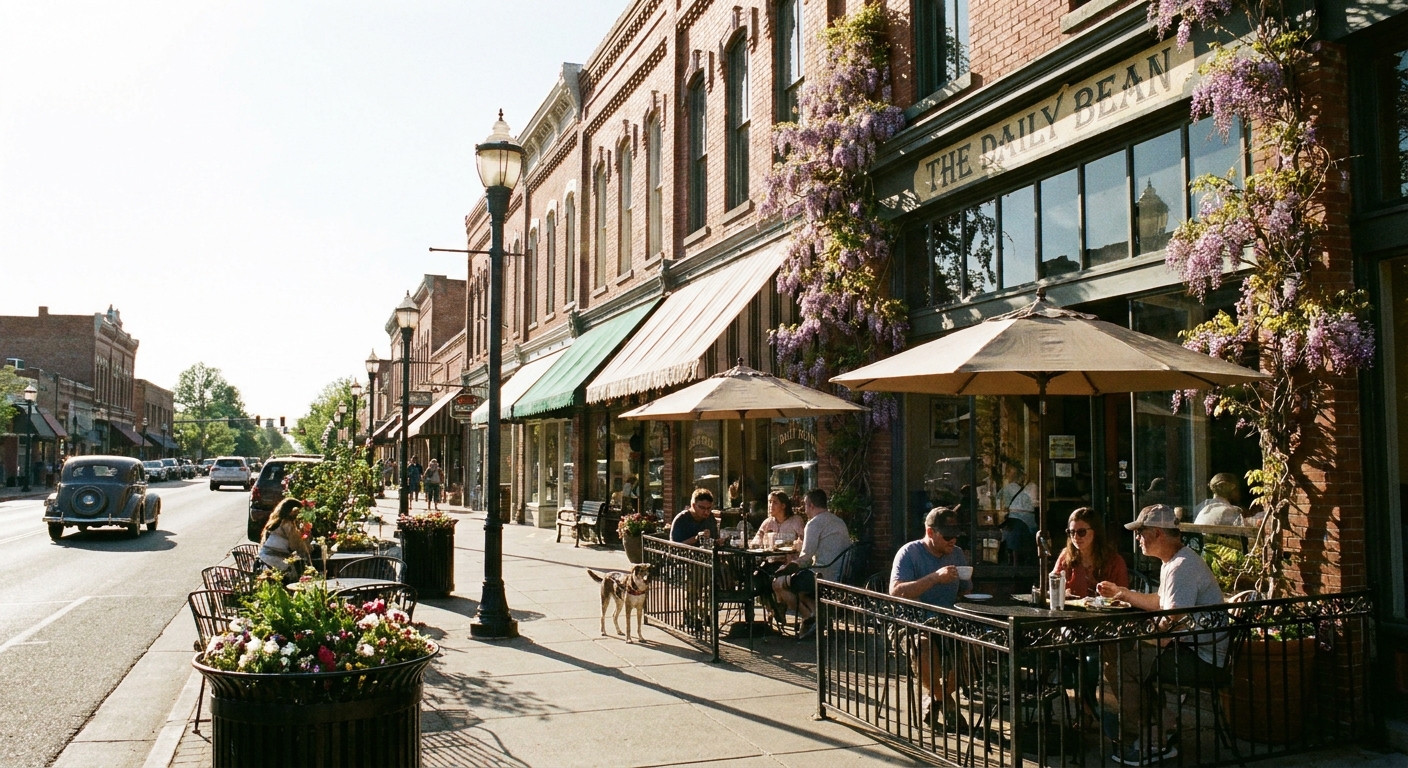
- In a small historic downtown with parallel parking and short blocks.
Meanwhile, there are areas I call “trap zones.” Not because every restaurant there is bad, but because the reviews can skew touristy and inconsistent: right next to a major attraction, directly off an interstate exit, or surrounded by only hotels. Plenty of tourist-adjacent places are genuinely excellent. I just scrutinize them harder before I commit a meal.
Step 6: Check the basics
This is my pre-drive checklist. It takes a couple of minutes and cuts down on the classic micro-trip problems.
- Hours: check the map listing, then double-check the restaurant’s own recent posts or website if they have one.
- Menu reality: confirm they serve what you want at the time you are going. Some places stop breakfast at 10:30 sharp.
- Parking: scan photos for street parking, small lots, or “shared lot” situations.
- Ordering style: counter service, phone ahead, QR code, reservations only. None are bad, but surprises are.
- Diet needs: look for clear mentions of vegetarian, gluten-free, or dairy-free options if that matters for your group.
My best ZIP moves
Search for the dish
When I want true small-spot energy, I search for a specific dish plus the ZIP code. That simple shift surfaces specialists and tiny counters that might not rank for broad terms. I have had great luck with dish words like birria, ramen, pupusas, biscuits, or just “slice” if I am in a pizza mood.
Anchor to a landmark
If the ZIP code is large or oddly shaped, I anchor the search to something inside it, then keep the ZIP attached. For example, if I am aiming at ZIP 37212 in Nashville, I might search for coffee near Centennial Park 37212, or lunch near Vanderbilt University 37212. The landmark keeps me from drifting to a different district, and the ZIP keeps the results from going city-wide.
Use the quiet categories
Some of my best finds come from categories people forget to search:
- Delis
- Bakeries
- Food trucks (often mapped as a single pin)
- Markets with a hot bar
- Tea houses and dessert cafes
A quick example
Here is how it looks in real life. Say I am headed into ZIP 78704 in Austin and I want an easy lunch, not a scene.
- I confirm the ZIP search is landing in the area I mean, not on the edge near a highway.
- I search by food type, like sandwiches or tacos, and keep the ZIP attached.
- I flip on “open now” and tighten distance so I am not accidentally pulling in downtown-only options.
- I skim newest reviews for two things: whether the hours are reliable and whether people mention specific menu items.
- I switch to map view and pick the place that sits in an everyday cluster (near shops and homes) instead of a hotel pocket.
- I do the two-minute check: hours, menu timing, parking, and ordering style.
I usually end with two saved options in the same area, so if one is slammed or sold out, I can pivot without turning the day into a drama.
Turn one meal into a day
Once I have a restaurant, I build the rest of the day around it so the drive feels worth it. My basic formula:
- Pick a meal anchor: breakfast, lunch, or an afternoon coffee stop.
- Add one stretch-your-legs stop: a neighborhood park, a river walk, a small historic district.
- Add one quirky extra: a used bookstore, a local museum, a weird landmark, or a scenic backroad.
If you want ideas for what to plug in around your meal, hop over to Attractions or browse Town Guides for the kinds of small-but-memorable stops that pair perfectly with a great local lunch.
Common problems and fixes
Results spill into a neighboring city
Fix: Zoom in and re-run the search while the map is centered on the area you mean. Then use “search this area” if your app offers it.
I only get chains
Fix: Search by dish and quieter categories (bakery, deli, hot bar, food truck). Chains tend to dominate generic words like “restaurants” and “lunch.”
The ZIP seems empty
Fix: That ZIP might be industrial, newly developed, mostly residential, or primarily PO boxes. Slide one ZIP over toward older neighborhoods, or target a nearby commercial corridor within a short drive.
Weird hours
Fix: Embrace it and plan for it. Go earlier than you think, save a backup nearby, and treat it like part of the adventure. Some of the best gems keep banker’s hours because they can.
Quick FAQ
Is ZIP searching better than “near me”?
When you are standing in a touristy spot, usually yes. “Near me” reflects where you happen to be parked. A ZIP-based approach reflects where you actually want to explore.
What rating is good enough?
For me, it depends on the area. In dense neighborhoods, I aim higher. In smaller towns, I will happily try a slightly lower rating if the newest reviews are detailed and consistent. The rating is just a shortcut. The recent review patterns are what I trust.
How do I tell if it is truly local?
Look for cues: a small menu done well, photos from regulars, mentions of owners or long-time staff, and a location that looks like it serves the neighborhood daily.
One last micro-trip tip
If you are stuck between two contenders in the same ZIP code, pick the one that is easier to park at and closer to a walkable area. Great food is the goal, but a smooth day is what makes you want to do this again next weekend.
And if you want to know a little more about how I plan these ZIP code adventures, you can find me over on my author page.