
I grew up in a military family, which meant new towns, new schools, new everything every few years. I learned fast that the fastest way to feel grounded is to understand your immediate radius: where you buy coffee, where you walk after dinner, what the traffic feels like at 8:10 a.m., and whether the neighborhood has that quiet, settled hum or a constant edge of noise.
So when friends tell me they are thinking about buying a home in a specific ZIP code, I always suggest the same thing: plan a full day out and scout it like you already live there. Not a five-minute drive-through. A real day with errands, meals, parks, and a few intentional pause-and-listen moments.
This is my prospective homebuyer’s day-out itinerary: part micro-trip, part practical checklist, and all about answering the question, “Can I see myself living here on a random Tuesday?”
Quick reminder: ZIP codes are USPS mail delivery areas, not true neighborhood boundaries. They are still a great way to frame your search, as long as you stay curious about the block-by-block differences inside them.
TL;DR: Drop 6 map pins, then run a 9 a.m. to 9 p.m. loop that tests commute, errands, walkability, noise, and community anchors.
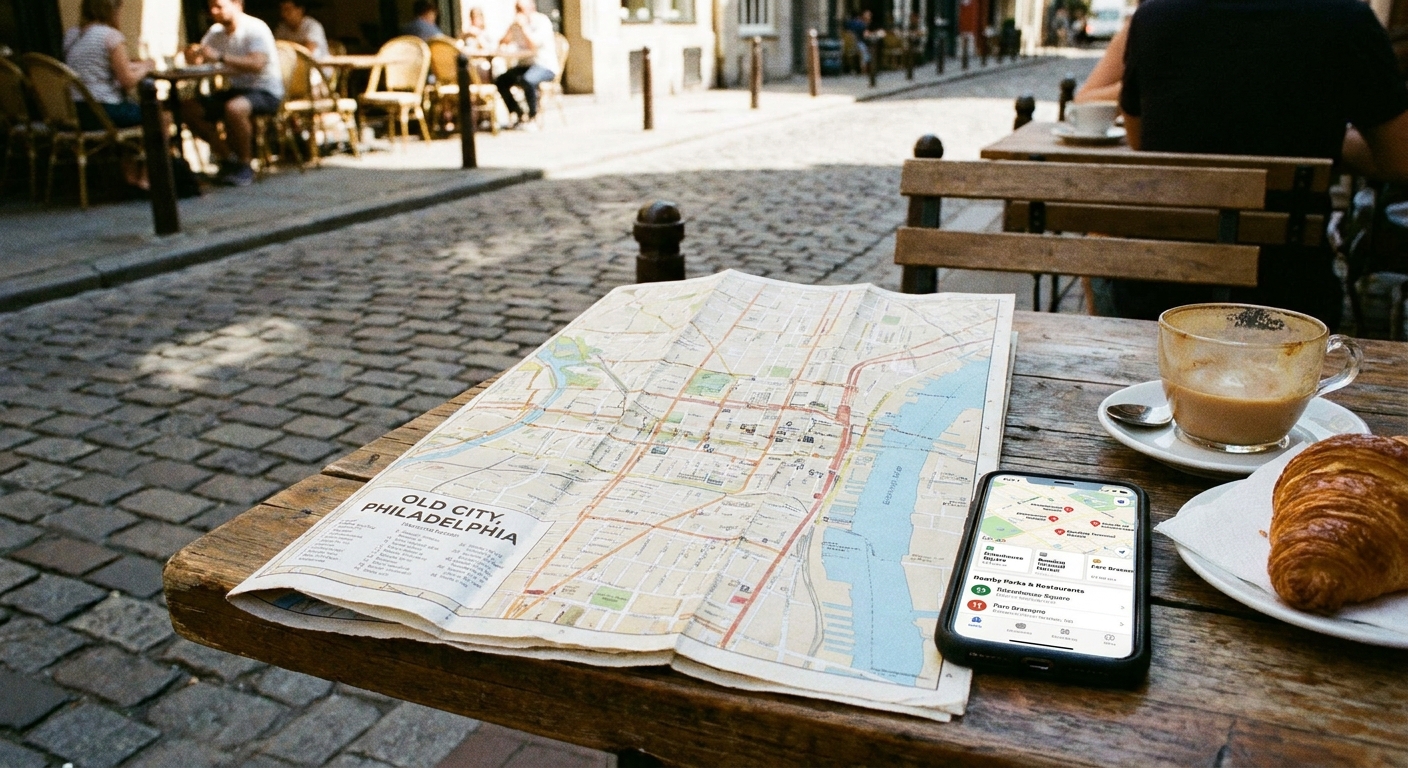
Before you go, it helps to pull up the ZIP on a map and mark a few anchors you want to test. If you want the basics on using ZIP codes as a planning tool, start with /guide-zip-code-lookup/, then come back here with your target area in mind.
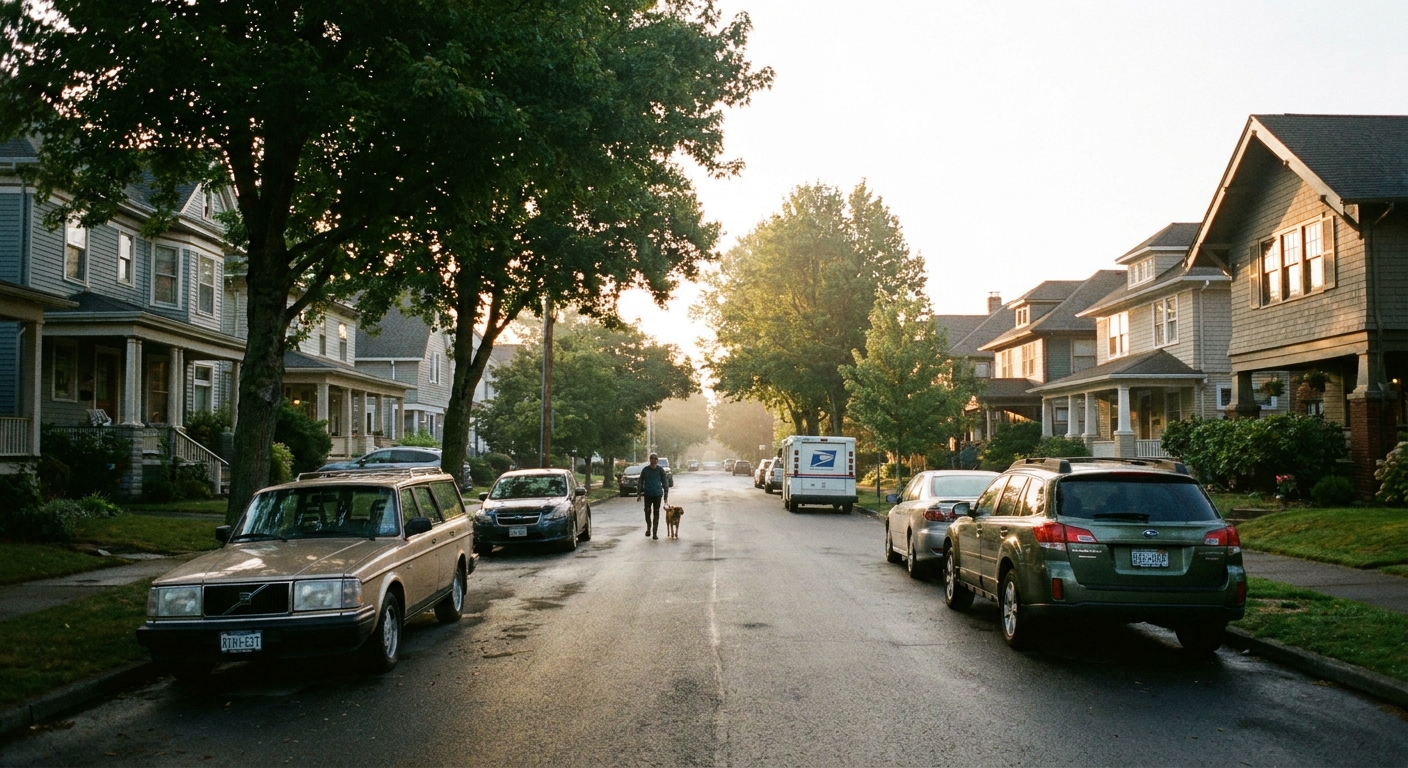
Prep the night before (15 minutes)
You are not trying to become an urban planner overnight. You are trying to avoid buyer’s remorse over things you can absolutely catch in one day.
Make a short must-feel list
- Non-negotiables: walkability, yard space, quiet at night, proximity to transit, a certain school boundary, freeway access.
- Deal breakers: constant aircraft noise, trains, unsafe crossings, no street parking, lack of groceries, long emergency response routes.
- Nice-to-haves: a cozy diner, a library you will actually use, a park with shade, a neighborhood hardware store, a farmers market.
Drop 6 pins on your map
Pick one of each inside the ZIP code (or directly on its edges if that is where life really happens):
- A grocery store
- A coffee shop or breakfast spot
- A park
- A library or community center
- A main commercial corridor
- A wild card stop: thrift store, local museum, trailhead, or anything that feels like local flavor
Pack like you are doing fieldwork
- Phone charger or car charger
- Comfortable walking shoes
- Notebook app for quick notes (I like rating each stop 1–5)
- Reusable water bottle
- A small bag so you can do a real errand test
9:00 a.m.: Commute test
If you work outside the home, the commute is often the biggest quality-of-life multiplier. Even if you work from home, you still want to know how the area behaves during peak hours.
What to do
- Drive your likely route to work, daycare, school, or your most frequent destination.
- Do it at the real time you would normally travel, even if that means planning this scouting day on a weekday morning.
- Try your plan B route too. One crash should not wreck your whole morning.
What you are looking for
- Chokepoints: left turns that trap you forever, confusing merges, school-zone backups
- Stress level: do you feel tense or is it predictable?
- Transit reality: are bus stops actually usable, are sidewalks continuous, are train crossings frequent?
If you only have one day and it has to be a weekend, still do the route and note where the bottlenecks are. Then come back once on a weekday before you commit.
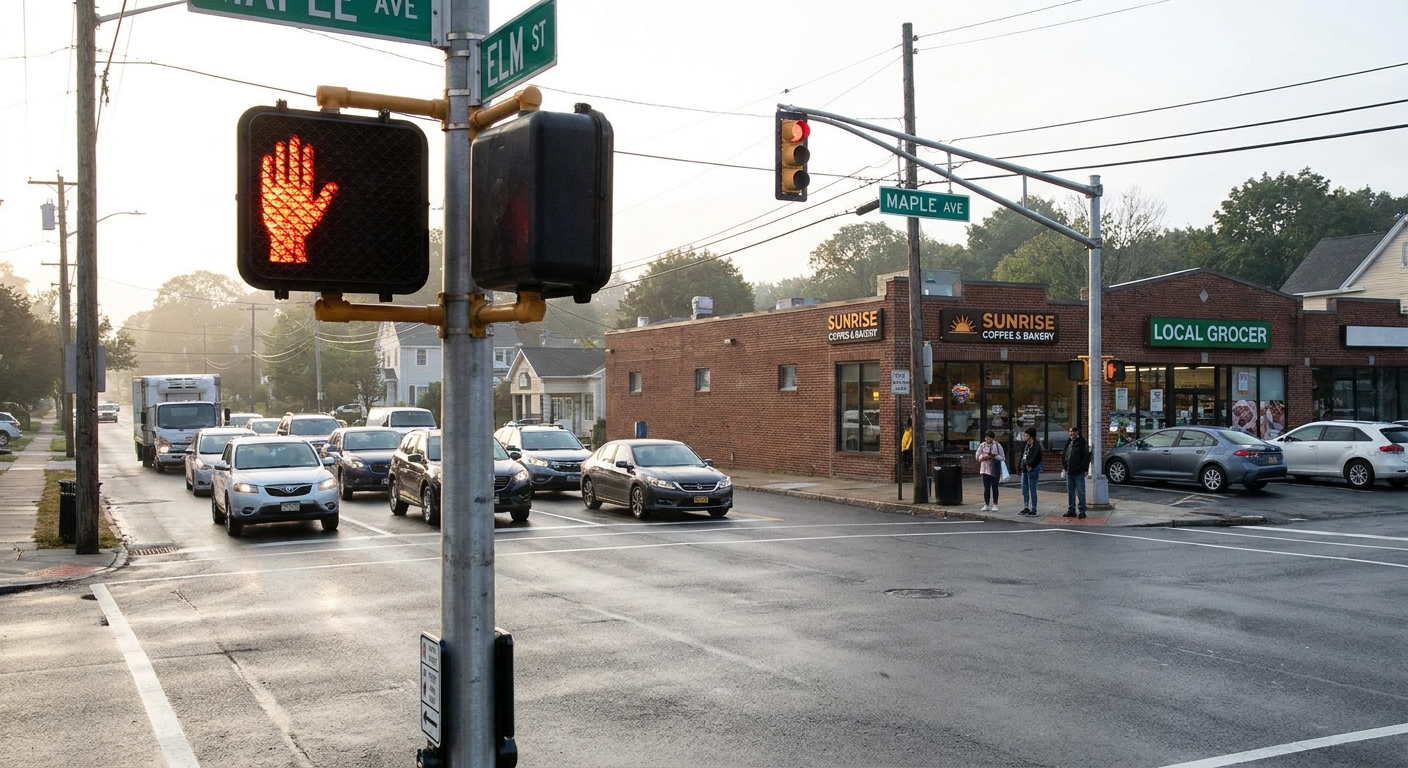
10:00 a.m.: Walk the area
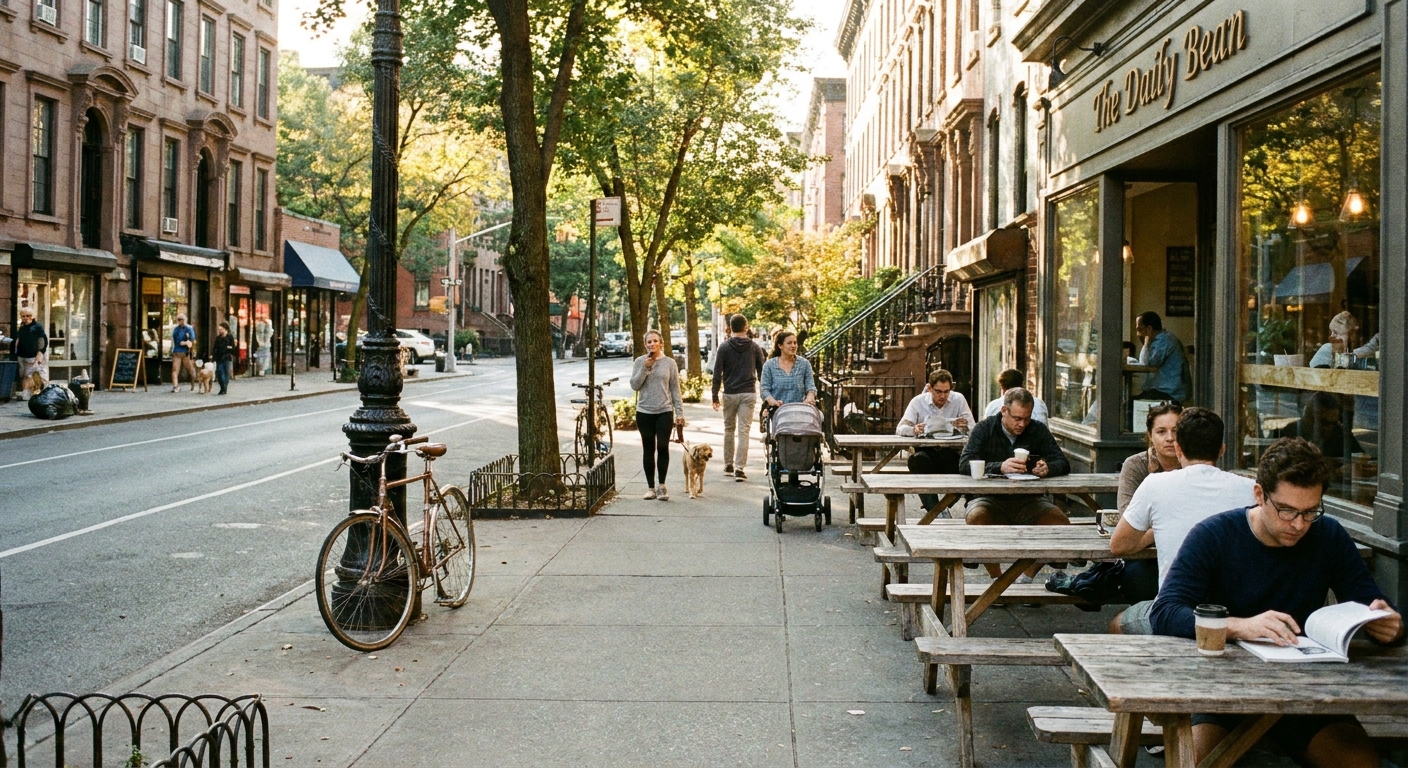
This is my favorite part because it forces you out of the car and into the texture of the place. A neighborhood can look perfect at 25 mph and feel totally different on foot.
Your 30-minute walking loop
- Park near your most likely daily stop (coffee, grocery, or a main corner).
- Walk 10 minutes out, 10 minutes back a different way, then wander another 10 minutes without a plan.
Quick reads that matter
- Sidewalk continuity: gaps can make walkable feel theoretical.
- Noise layers: delivery trucks, leaf blowers, trains, overhead flight paths.
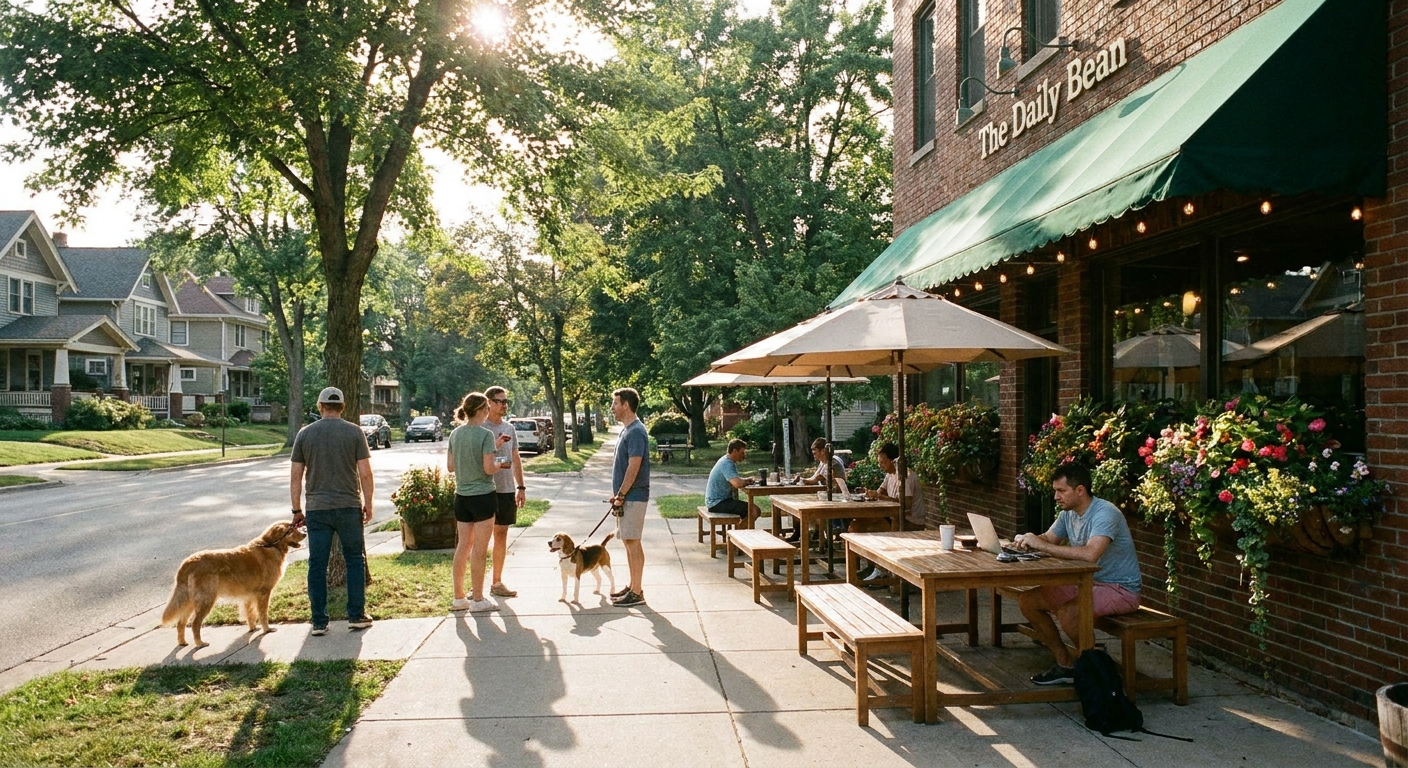
- Street comfort: do you see people walking dogs, pushing strollers, biking?
- Care signals: not perfection, just signs the area is maintained and lived in.
Small tip: pause for one full minute at two different spots and just listen. You will be shocked what you notice when you stop narrating.
If you have mobility needs, pay attention to curb cuts, sidewalk condition, crossing time at signals, and how steep the routes feel in real life.
11:00 a.m.: Coffee shop check
I always choose one local cafe or diner, not the fastest drive-thru option, because you learn more from places where people linger.
What to order
Anything. This is not about being a food critic. It is about the vibe.
What to notice
- Is it mostly commuters grabbing and going, or neighbors hanging out?
- Are there community boards, flyers, local business cards?
- How does staff interact with customers?
- Do you feel comfortable sitting for 10 minutes?
If you are thinking about moving with kids, this is also where you will notice if the area feels kid-friendly in a normal-day way, not just at a playground.
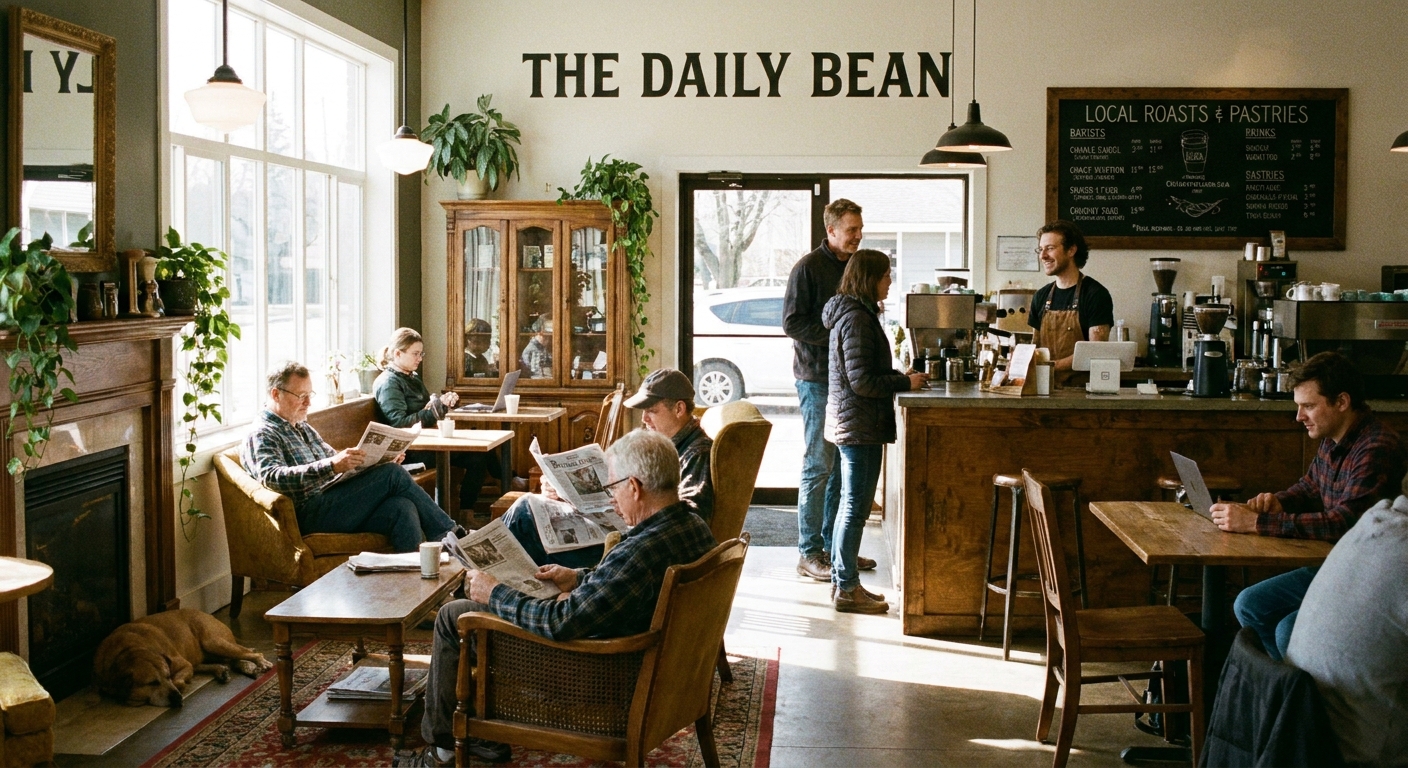
12:00 p.m.: Run an errand
This is the most underrated part of scouting a ZIP code. You are not buying a vacation. You are buying the background of your life.
The grocery store audit (without being awkward)
- Selection: do you see the foods you actually buy?
- Price cues: are everyday items broadly affordable for you, or does it feel like a stretch? (This is a clue, not a verdict, since pricing varies by chain and promotions.)
- Parking and cart logistics: tight lots get old fast.
- Line speed: are there enough registers or self-checkouts?
- Safety vibe: well-lit, maintained, not chaotic.
If you do not have a grocery store you like in or near the ZIP, that is not a deal breaker for everyone, but it is a daily friction point. Count those honestly.
If you work from home or you are a heavy internet user, this is also a good time to do a quick reality check on cell signal and ask locals (or a barista who looks unbothered) which internet providers people actually use. Dead zones and limited options are the kind of surprise you want before you close, not after.
1:00 p.m.: Lunch on the main strip
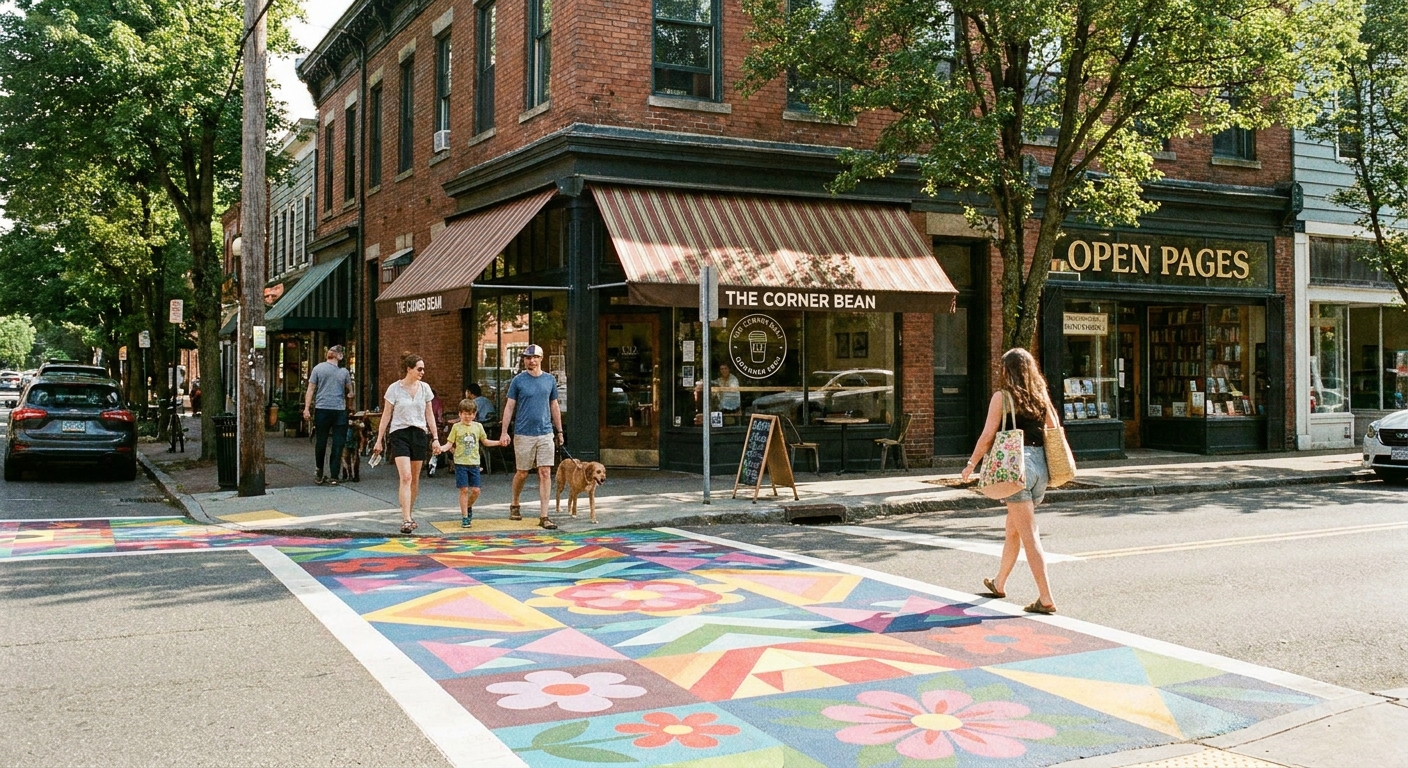
Pick a spot on the ZIP code’s main commercial corridor. The goal is to feel the area’s public living room.
Look for signals of community health
- Are there locally owned businesses mixed in with chains?
- Do storefronts look occupied or empty?
- Are people out and about, even casually?
- Is it a place you would run errands without dreading the parking situation?
This is also when I glance at the housing mix nearby: apartments, small homes, newer builds, older bungalows. Variety is not automatically good or bad, but it tells you who the area serves.
One more practical note: if the ZIP code spans multiple cities or counties, services and taxes can vary a lot. When you get serious about a specific address, confirm which jurisdiction actually governs it.
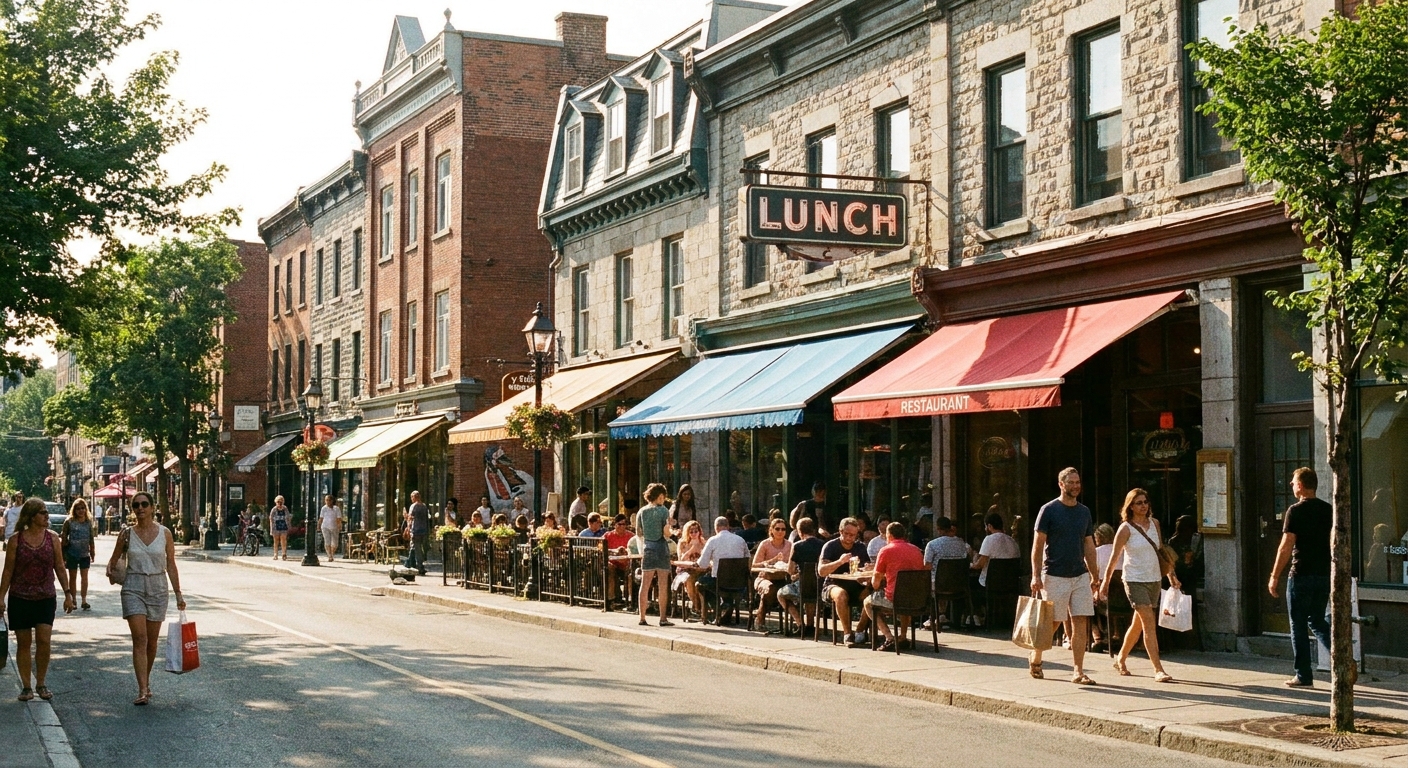
2:00 p.m.: Parks and trails
You want at least one place in the ZIP code where your nervous system can unclench. It does not have to be huge. It just has to be usable.
What to do at the park
- Walk the loop or a short trail segment.
- Check shade, benches, bathrooms, and lighting.
- Notice who uses it: dog walkers, runners, families, older neighbors.
What it tells you
- Whether you will actually spend time outside after moving
- How the community shares space
- Whether there are low-cost ways to enjoy your weekends
If your target ZIP code has multiple parks, choose one near the kind of home you would buy. A great park across town is nice, but the one you will use is the one that is easy.
For more ideas on how to turn a small area into a full day out, I keep my broader approach here: /plan-a-local-day-out-beyond-a-zip-code/.
3:30 p.m.: Community anchors
If you want to know whether a place has roots, look at what it funds and maintains for regular people.
Easy stops that reveal a lot
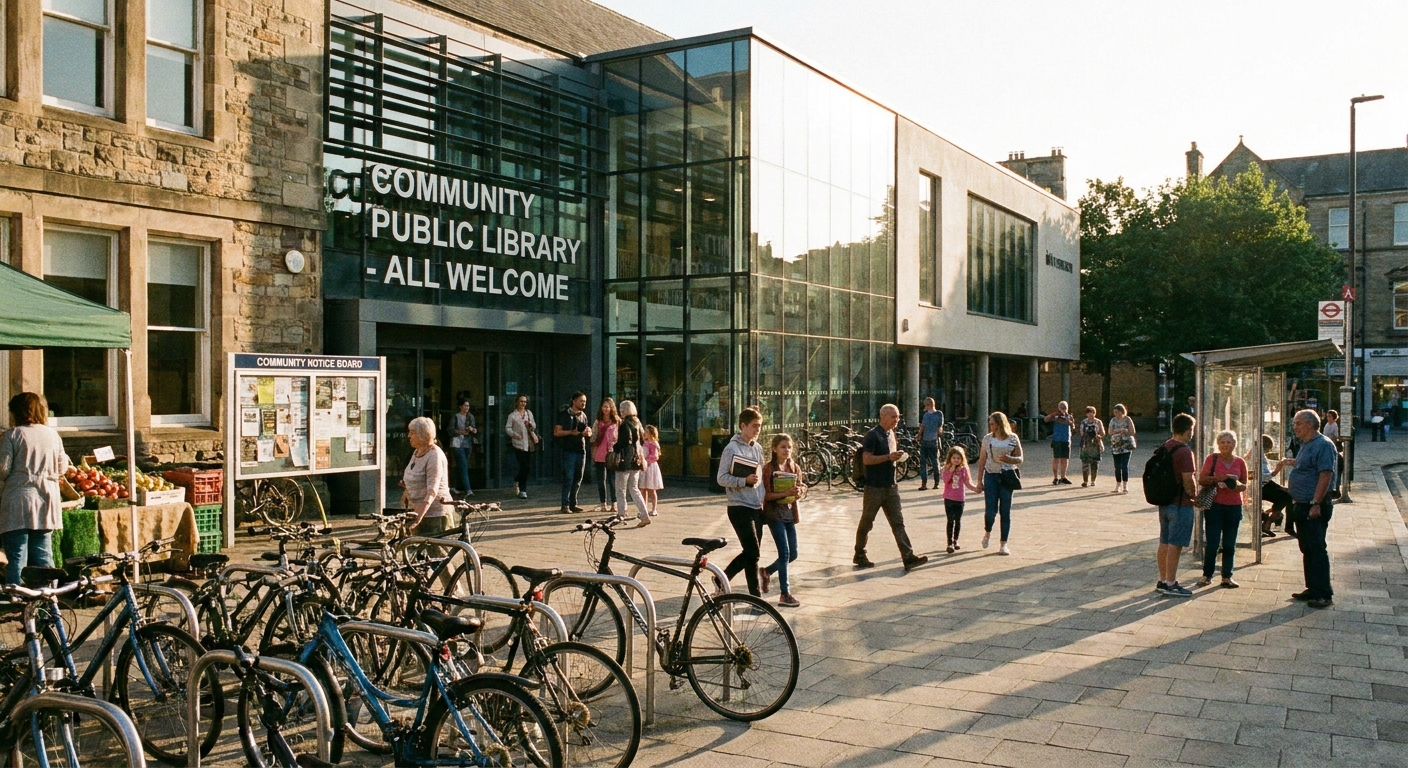
- Library: events calendar, kids area, quiet workspace, general upkeep
- Community center: fitness classes, senior programs, youth sports
- Local museum or historical society: even tiny ones show pride of place
You do not have to join anything today. You are simply checking whether the ZIP code offers third places, those in-between spaces where community happens.
5:00 p.m.: School traffic check
Even if you do not have kids, school zones change traffic, noise, and pedestrian flow.
What to do
- Drive past the nearest schools around pickup time.
- Note backups, crossing guards, and whether side streets become shortcuts.
- If you are sensitive to noise, listen for sports practice, band, announcements, and general afternoon bustle.
This is also a good time to check how long it takes to get from your likely neighborhood to the grocery store, gym, or freeway. Afternoon traffic has its own personality.
6:30 p.m.: Dinner and dusk loop
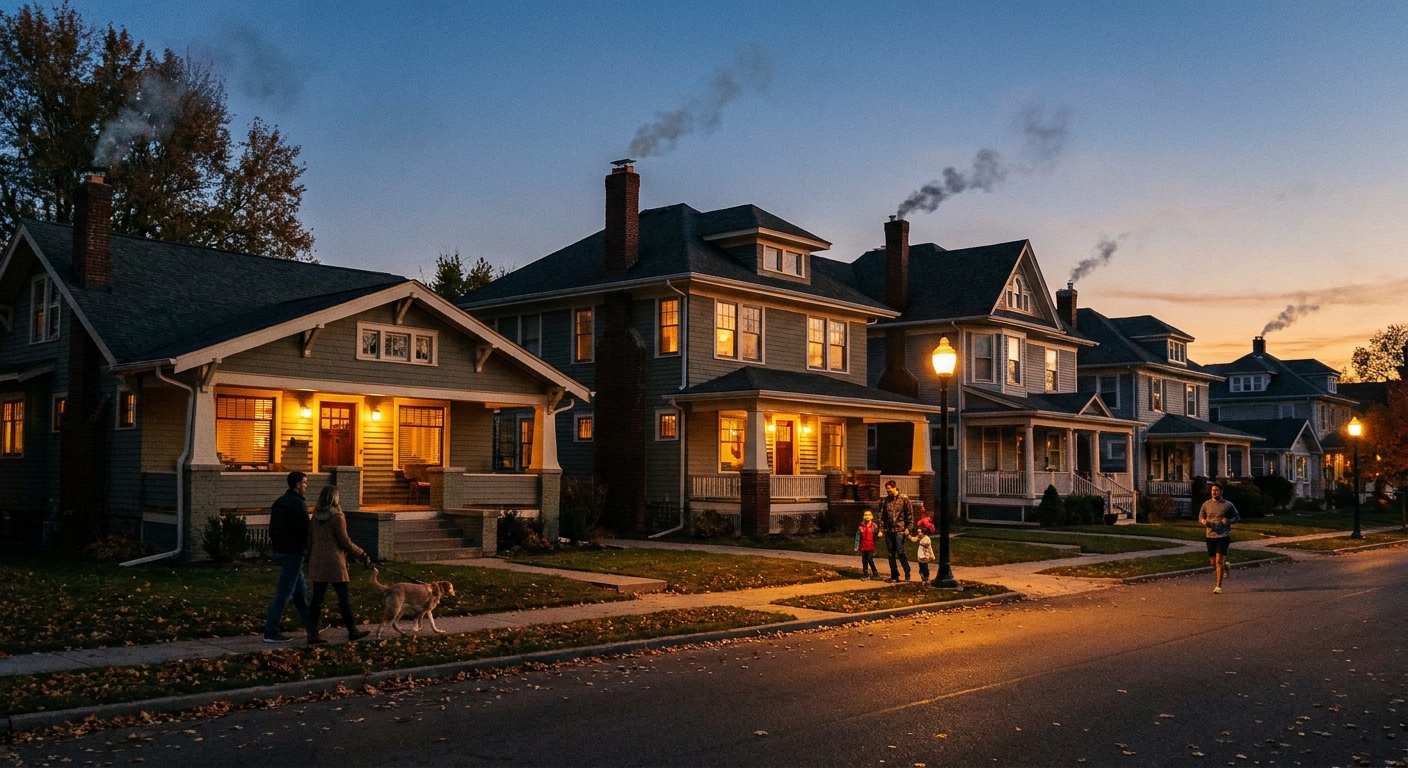
I like to eat early-ish, then do a slow drive or walk as daylight fades. Dusk is not the whole story, but it can reveal details daytime hides, like lighting gaps and where noise carries.
Dinner goal
Pick a place that looks like it belongs to the neighborhood. It can be casual. In fact, casual is better. You are testing whether weeknight life feels easy.
Dusk loop checklist
- Street lighting: consistent or patchy?
- Sidewalk safety: would you walk a dog here after dark?
- Noise: do you hear trains, highway hum, nightlife spillover?
- Parking: do streets fill up fast?
And yes, I also pay attention to smell. If you are downwind of an industrial area, a waste facility, or certain kinds of manufacturing, you might notice it most in the evening.
8:30 p.m.: Quiet or nightlife test
Different people want different evenings. The point is to make sure the ZIP code matches yours.
If you want quiet
- Park, step out of the car, and listen for five minutes.
- Notice barking patterns, traffic hum, and nearby commercial noise.
- Check whether major cut-through roads stay busy late.
If you want activity
- Walk past a cluster of restaurants or bars.
- Check parking, comfort, and whether the energy feels fun or sloppy.
- See if there are non-bar options too: dessert spots, late coffee, movies, community events.
Either way, you want a match, not a surprise.
What to write down
After a full day, everything blurs. I rate each category 1–5 and jot one sentence.
- Commute: predictable or punishing?
- Errands: easy, average, annoying?
- Walkability: real sidewalks and crossings, or only if you drive to walk?
- Noise: peaceful, moderate, or constant?
- Community: did you see places to plug in?
- Gut feeling: could you picture a normal life here?
I also add two practical checks that are easy to forget: closest urgent care or hospital route, and whether my phone stayed usable in the places I would actually be.
Red flags you can catch
- Hidden highway noise: the kind you only hear once you stop and listen.
- Street parking scarcity: especially around apartments and popular corridors.
- Awkward access: neighborhoods where every trip requires an unpleasant left turn across traffic.
- Flooding hints: persistent standing water, heavy erosion near curbs, lots of sump pumps running after rain.
- Industrial spillover: odors, loud nighttime operations, heavy truck routes.
- Nothing to do without spending money: no parks, no library presence, no public gathering spots.
One important caveat: these are hints, not proof. If flooding risk is on your mind, cross-check what you saw with official flood maps and disclosures before you make decisions.
A note of fairness: every place has quirks. You are not looking for perfection. You are looking for alignment.
Safety and data reality
I mention safety vibes a few times because you can feel certain things in your body right away. Still, vibes are not data. Before you buy, take a quick look at reputable local resources, and ask direct questions of your agent or the city about recurring issues in the immediate area you are considering. Your goal is not to scare yourself. It is to replace assumptions with clearer information.
FAQ
Is one day really enough to judge a ZIP code?
One day is enough to catch obvious fit issues and daily-life friction points. For a major move, I like two visits: one weekday (commute and school traffic) and one weekend (leisure and noise patterns).
Should I talk to people while I am out?
If it feels natural, yes. Chat with a barista, ask a librarian what programs are popular, or ask someone at the park what they like about the area. Keep it light and respectful. People are usually honest in small doses.
What if the ZIP code is large and varied?
Then treat it like multiple micro-neighborhoods. Scout the specific pockets where you would realistically buy, and repeat the loop there. ZIP codes are a great starting frame, but your day-to-day life will be much more block-level.
What if I cannot visit in person?
Do a remote version of the loop. Use Street View to check sidewalk continuity and crossings, look at drive times at the hours you would actually travel, and call a library in the area to ask what programs are well-attended. It is not perfect, but it can help you narrow down which ZIP codes deserve an in-person day.
Where can I learn more about using ZIP codes for planning trips and research?
My best starting point is the My ZIP Code Map ZIP code guide: /guide-zip-code-lookup/. If you want more itinerary-style inspiration, the town guide approach is here: /guide-town-guides/.
One last thing I do
Before I leave a ZIP code I am considering, I pick one quiet side street, park legally, and just sit for two minutes with the windows cracked. It sounds almost too simple, but it answers the question spreadsheets cannot: Do I feel at ease here?
If the answer is yes, you can move forward with research and showings with more confidence. If the answer is no, you just saved yourself a lot of time, money, and emotional energy. That is a successful scouting day either way.