
I learned to love tight-radius exploring the hard way: growing up in a military family, you do not always have the luxury of “someday we will visit.” You land somewhere new, you have a weekend, and you make it count. That is basically my whole micro-trip philosophy in one sentence. Pick a ZIP code, draw a small circle around it, and build a day that feels adventurous without feeling like a logistics project.
A 5-mile radius is my sweet spot in many places. It is often big enough to include a couple distinct neighborhoods, a park, and a handful of mom-and-pop places. It is also small enough that you are not spending the whole day in the car or arguing with a map app. Here is how I plan a full day around any starting ZIP code, without overthinking it.
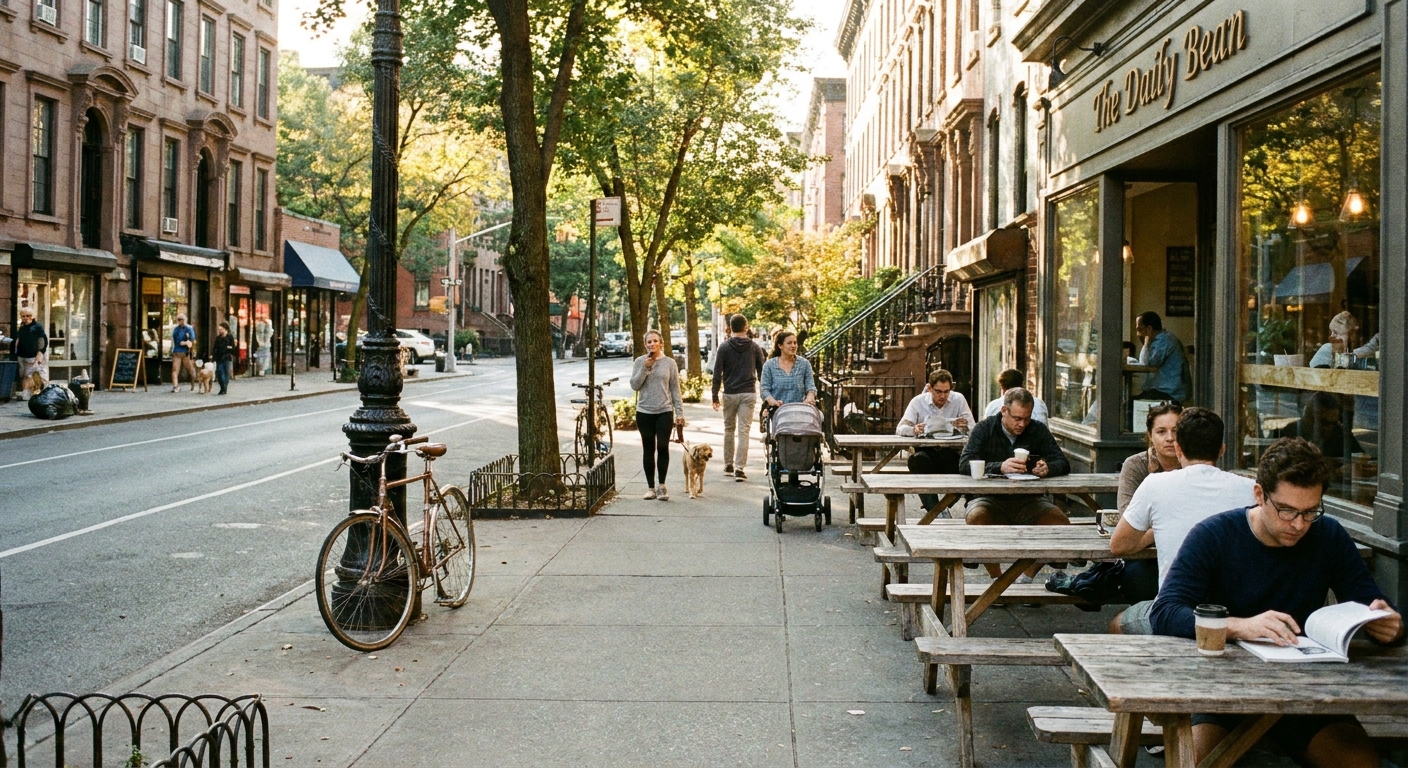
Start with a simple 5-mile rule
Before you open fifteen tabs, decide what kind of day you want, because the radius is just the container.
- Walkable day: aim for 1 to 2 miles between your main stops, then use the radius as a boundary, not a challenge.
- Short-drive day: use the full 5 miles, but aim to keep driving hops to about 10 to 15 minutes when traffic and crossings cooperate.
- Mix of both: drive to a “hub,” then park once and walk a loop.
If you are starting from scratch, the most helpful first step is confirming the ZIP code area and nearby neighborhoods. My starting point for that is our ZIP planning hub: /guide-zip-code-lookup/.
Map your day around four anchors
Any great micro-trip can be built from four anchors. Think of these as the bones of the day. Once you have them, everything else is optional seasoning.
Anchor 1: A caffeine or breakfast spot
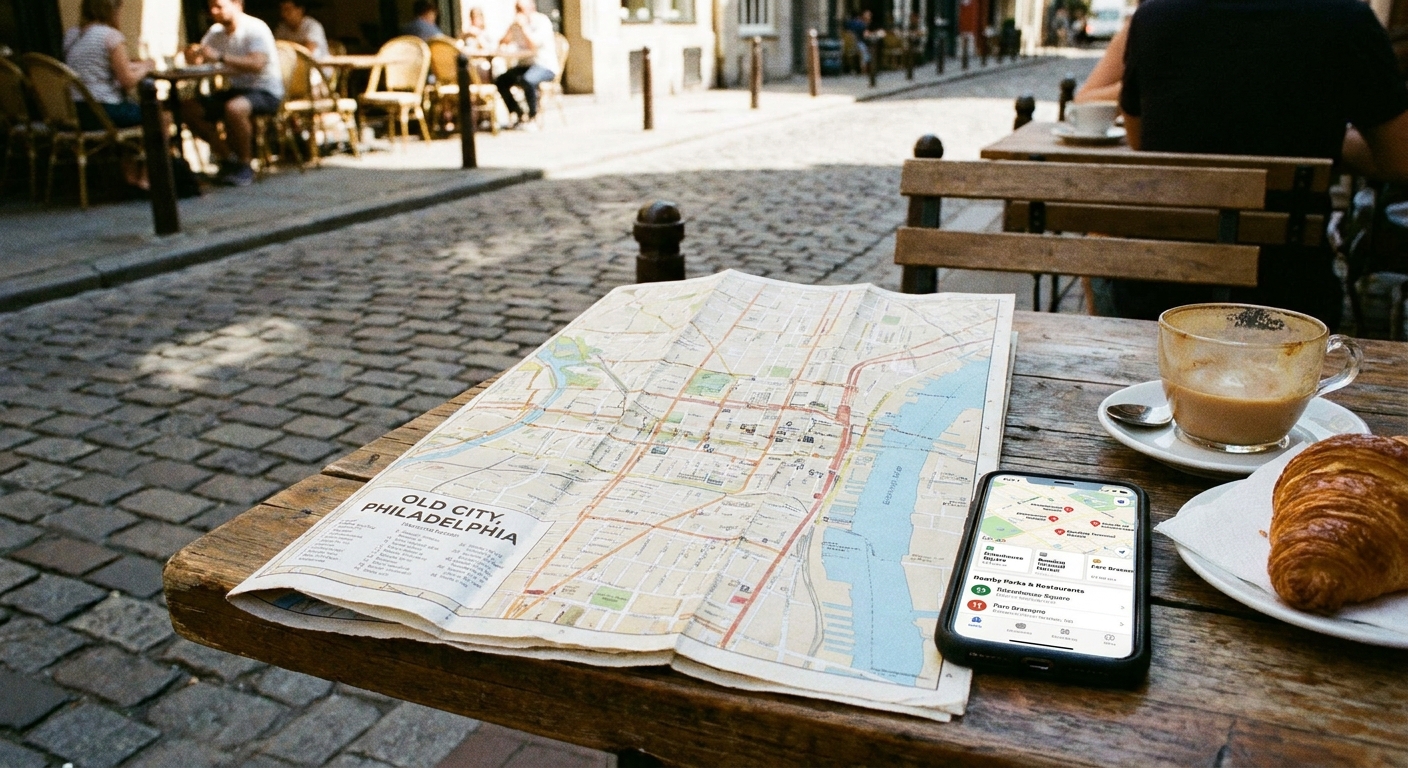
Pick one place that opens earlier than you think you want to leave the house. Early hours usually mean more breathing room and, in a lot of neighborhoods, easier parking. If you are not a breakfast person, choose a bakery or coffee shop with seating so you can do a quick plan check before you start bouncing around.
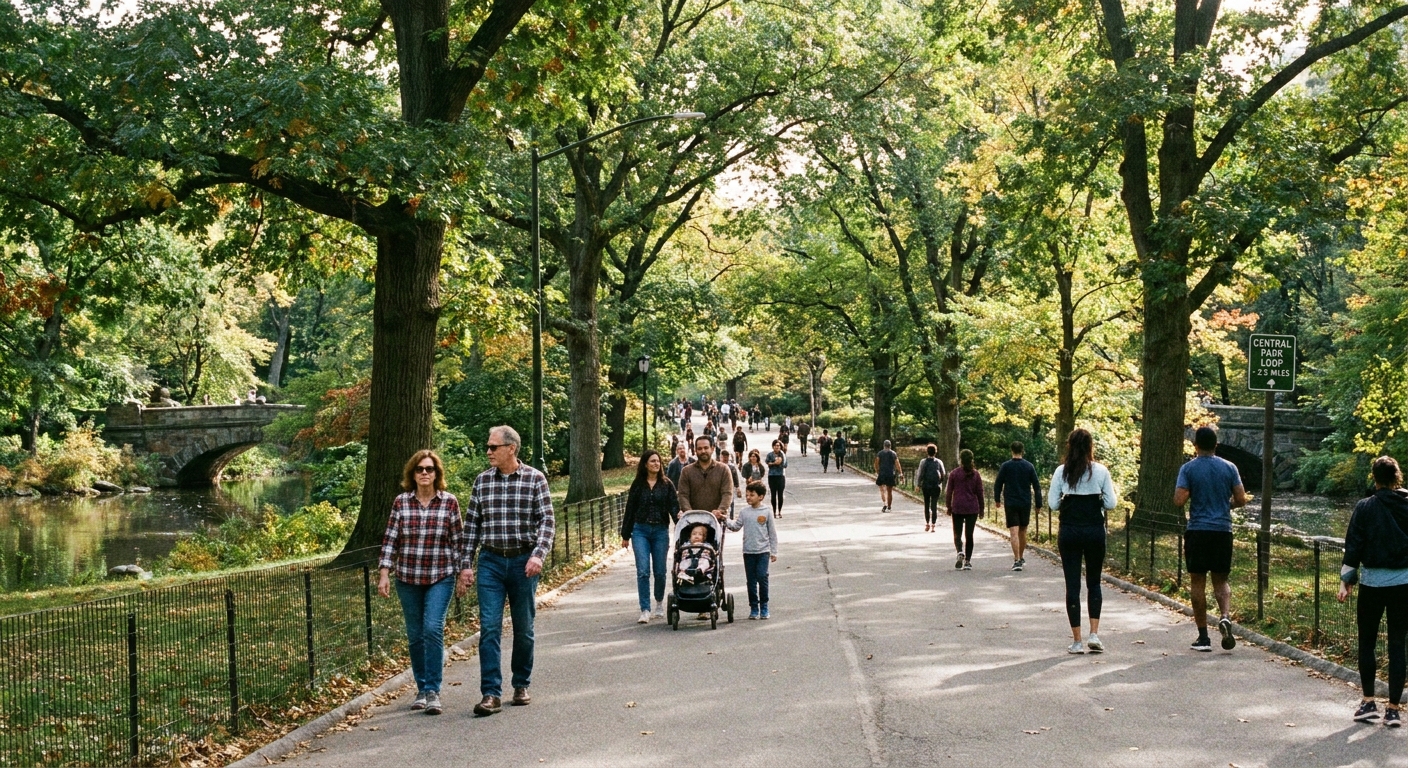
Anchor 2: A green space (park, riverwalk, garden, trail)
In a 5-mile radius, green space is the easiest way to make the day feel like a “trip,” even if you are still in your own metro area. Look for:
- City parks with a loop path
- Botanical gardens or arboretums
- Water access: lakefront, riverwalk, harbor, or even a canal trail
- Historic cemeteries (quiet, walkable, often surprisingly beautiful)
If you do use a cemetery as your green-space anchor, treat it like the shared public space it is: check hours and access, stay on paths where possible, and keep the vibe respectful.
Anchor 3: One indoor backup
This is my sanity saver. Pick a museum, used bookstore, arcade, market hall, or local history site within the radius. If the weather turns, you still have a plan that does not involve sitting in the car scrolling.
Anchor 4: A late lunch or early dinner
Choose a meal spot that is either near your final stop or on the route back toward your starting point. This is how you avoid the classic micro-trip mistake of ending the day hungry, cranky, and 25 minutes away from anything but fast food.
How to find the best stops fast
You do not need to over-research. You need a few high-signal searches and a quick reality check. The goal is to find one good hub, then let the day breathe.
Use category clusters
Instead of hunting for the single perfect thing, look for clusters. Clusters mean options, and options mean a calmer day.
- Food cluster: coffee, bakery, diner, tacos, pizza, or a neighborhood bar all within a few blocks
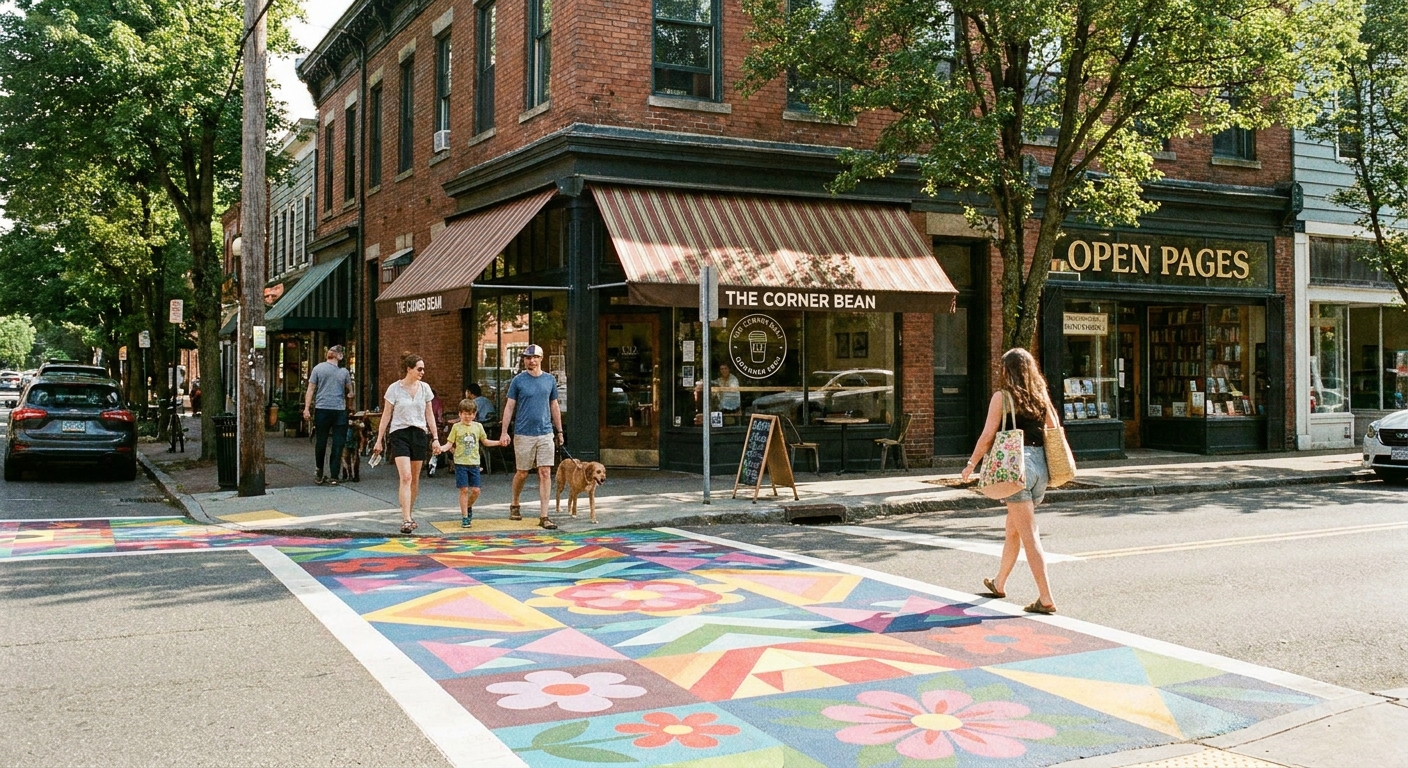
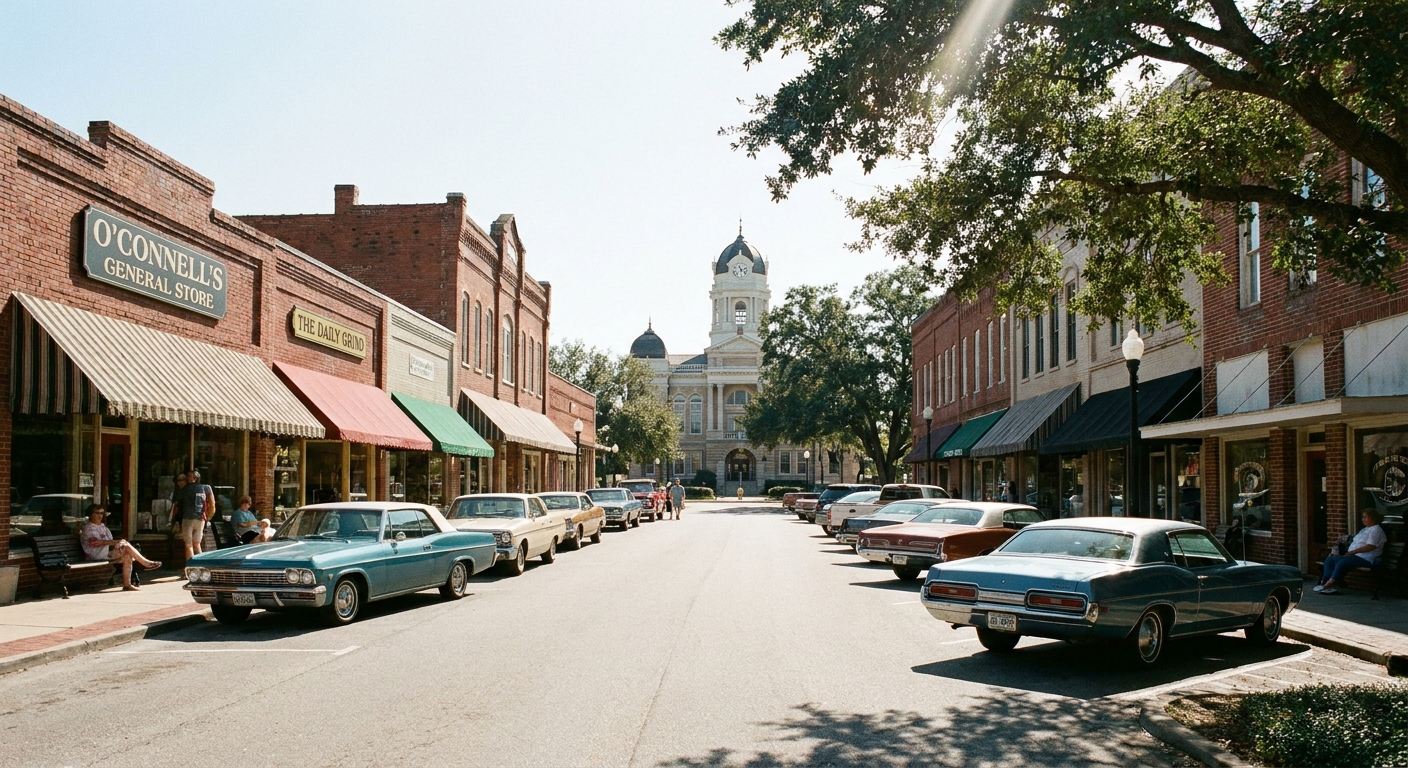
- Stroll cluster: park plus main street plus a couple shops
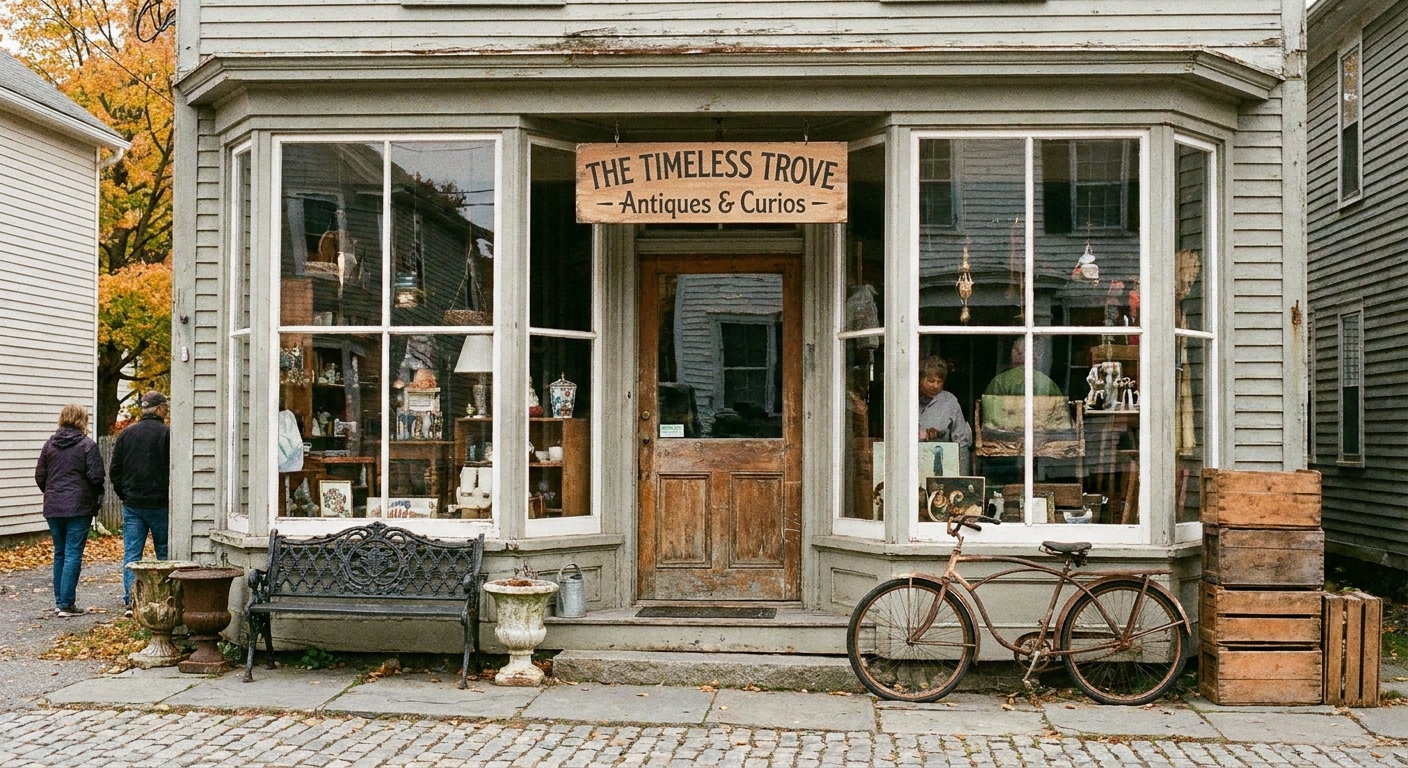
- Quirky cluster: antique mall, thrift strip, vintage toy store, record shop, or oddball museum
When you see a cluster, that is your hub. You can park once and let curiosity handle the rest.
Try a couple high-signal search phrases
If you are staring at a map and nothing is jumping out, I use a couple quick phrases to shake loose better options. Things like “coffee near (neighborhood name),” “riverwalk parking,” or “botanical garden tickets” tend to surface the practical details you need without sending you down a rabbit hole.
Look for practical clues in reviews
I skim reviews for logistics, not vibes. The words I care about are:
- “Easy parking” or “street parking”
- “Order at the counter” (fast and flexible)
- “Great for a walk”
- “Worth the wait” (only if you are okay with lines)
- “Kid-friendly” or “dog-friendly” if that matters for your crew
Confirm hours and closing days
This sounds basic, but for me it is the most common radius-day killer. Many small museums and family-run spots have limited hours, especially Sundays and Mondays. Verify the hours on the official website or recent posts, then build your timeline around the strictest schedule first.
Build a route that flows
Here is the routing trick I use almost every time: design your day as a loop, not a back-and-forth. Loops feel intentional and they cut down on decision fatigue.
My default 5-mile loop
- Start: breakfast or coffee
- Move: scenic walk or park time
- Middle: shops or a quirky stop
- Backup-ready slot: indoor option
- End: late lunch or early dinner near your exit route
Try to keep your two longest drives at the beginning and end of the day. In the middle, stay tight and wander-friendly.
Park once when you can
If your radius includes a main street or a compact downtown, do this:
- Park near the densest cluster of places you want to visit.
- Walk the area first.
- Save driving for when you are switching neighborhoods or heading to the big green space.
Your day will feel noticeably calmer with one less parking hunt.
Make it walkable even if you drive
A 5-mile radius does not have to mean five miles of driving. The goal is a day that feels local and doable. To do that, I plan for two kinds of movement: a short drive to reposition, then a longer walk to actually experience the place.
Two mini-loops to steal
- The park loop: coffee near a park, 45 to 90 minutes walking, then lunch nearby.
- The main street loop: brunch, browse two to four small shops, sweet treat stop, then a scenic overlook or small museum.
If you want steps without a hike
Pick one of these easy-walking environments:
- Riverwalks and waterfront paths
- College campuses (usually pretty, usually walkable)
- Historic districts with sidewalk grids
- Big public markets or indoor food halls
A quick accessibility check
If you need step-free routes or shorter walking distances, build your anchors around close parking and level paths. I also do a fast glance for steep grades, long stair sections, and whether an “easy walk” is actually a gravel trail.
Add one quirky stop
This is where the micro-trip magic lives. The quirky stop is the story you tell later. But it has to fit the radius and the rhythm.
My rules for a quirky stop:
- Keep it short: 20 to 60 minutes is perfect.
- Keep it near something useful: pair it with lunch, coffee, or your indoor backup.
- Keep expectations realistic: the charm is that it is local, not that it is a world-class attraction.
Ideas that work almost anywhere: vintage shops, odd local museums, historic markers, tiny art galleries, old theaters, donut shops with a line out the door, or that one scenic overlook you always pass but never stop at.
If you want more inspiration for what counts as a fun small attraction, browse our attractions guide: /guide-attractions/.
A simple 5-mile timeline
Once you have your four anchors, timing gets easier. Use this as a starting rhythm, then swap in your actual stops.
- 9:00 AM: coffee or breakfast
- 10:00 AM: park walk or scenic stroll
- 11:30 AM: browse a shop cluster or quick local history stop
- 1:00 PM: lunch (earlier than peak helps)
- 2:30 PM: indoor backup or second walk
- 4:00 PM: treat stop (ice cream, bakery, boba, whatever fits the neighborhood)
- 5:00 PM: optional golden-hour viewpoint or waterfront
If you are traveling with kids or anyone who needs breaks, this schedule is forgiving. You can shorten any segment and still feel like you had a complete day.
Radius packing list
- Comfortable shoes you can walk a few miles in
- Reusable water bottle
- Portable phone charger (maps eat battery)
- Light layer even in warm months (museums and cafes run cold)
- A tote bag for market finds or bakery boxes
- Wet wipes or hand sanitizer (especially if you are eating as you roam)
Common planning mistakes
Trying to see everything
A 5-mile radius can hold a surprising number of pins, from a few dozen to far more in dense areas. Pick four anchors and let the rest be optional.
Underestimating parking time
In busy areas, parking can take as long as the drive. That is why hubs and walking loops win.
Forgetting terrain and barriers
Five miles as the crow flies might include a river with only one bridge, a freeway with few crossings, or a steep hill that makes a short walk feel like a workout. Do a quick glance at the map view before committing to a walking-heavy plan.
Scheduling lunch too late
If you are exploring a popular neighborhood, eat earlier. A relaxed 1:00 lunch beats a hangry 2:30 waitlist.
Go beyond the radius
Sometimes your 5-mile circle lands on something great, and then you realize there is an even better scenic detour just outside it. That is allowed. The radius is a tool, not a fence.
When you are ready to stretch the day without turning it into a road trip, I put my favorite approach here: /plan-a-local-day-out-beyond-a-zip-code/.
Quick FAQ
Is a 5-mile radius walkable?
Usually not end-to-end for most people, but it is great for building one or two walkable loops inside a small driving boundary. The win is fewer long hops and less planning stress.
What is the best way to choose the center of a ZIP code?
Pick a practical center, not a mathematical one. A coffee shop, a public parking lot near a main street, or a park with bathrooms makes a better hub than the literal middle of the ZIP boundary.
How many stops should I plan?
Four anchors is plenty. If you want extra, add one bonus stop that you will only do if you are ahead of schedule.
What if my ZIP code is rural?
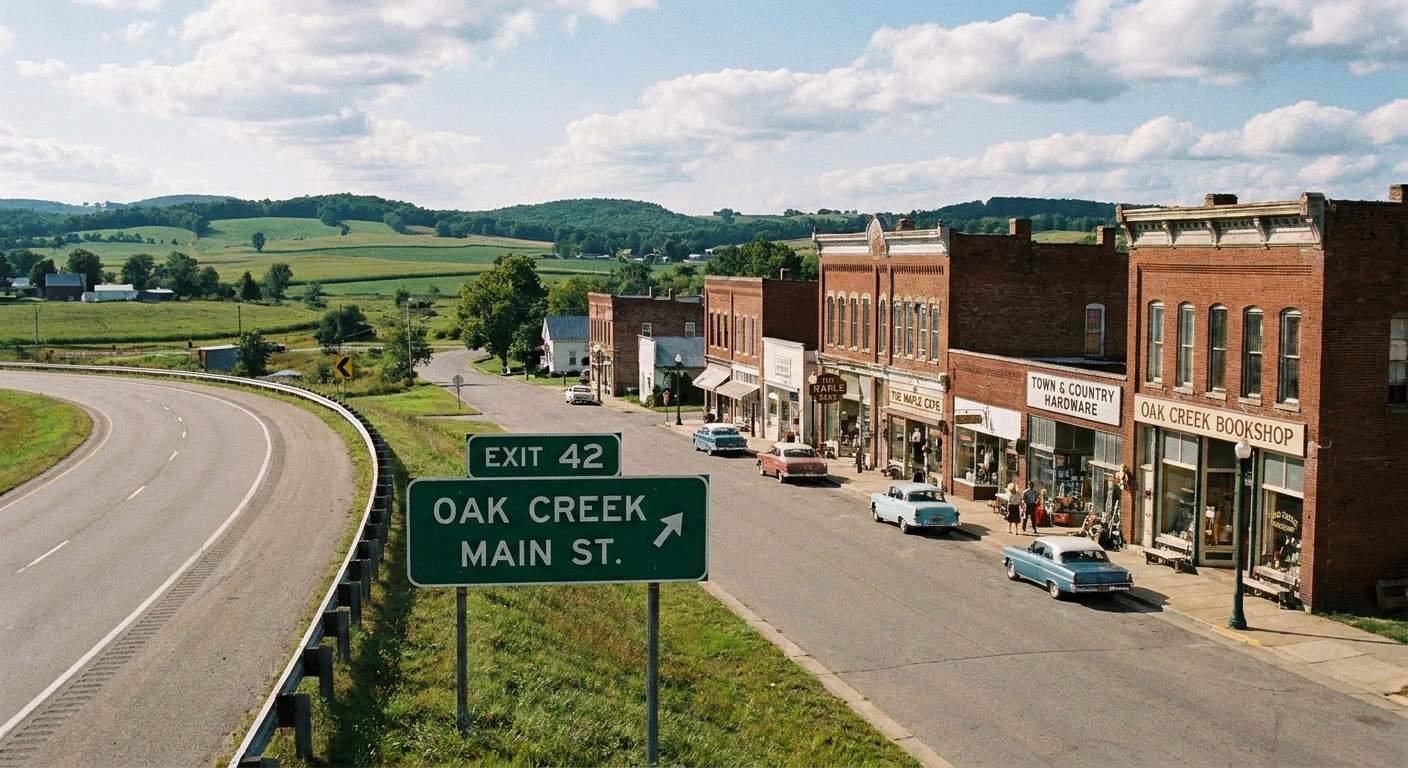
A 5-mile radius in rural areas can still work beautifully, just shift the anchors: a diner or farm stand, a scenic drive segment, one nature stop, and one small-town main street. If you want ideas for building that kind of route, our road trip guide can help even for short distances: /guide-road-trips/.
If you want to know who is behind the “pick a ZIP and go” approach, you can find me here: /author/leah-carmody/. And if you ever run into a tiny diner with perfect pancakes inside your 5-mile circle, please consider it a personal victory for both of us.