

I grew up in a military family, which meant new towns every couple of years and a very specific survival skill: figuring out where the good parks were, fast. Not the postcard parks you drive past on the way to somewhere else. I mean the ones with shade, bathrooms that are actually open, a playground your kid can handle, and enough space for everyone to exhale.
Now, as a chronic micro-trip planner, I use the same trick whether I’m parenting full-time or just borrowing my friends’ kids for an afternoon adventure: I start with a ZIP code, then zoom in from there. When you plan a park outing around a specific ZIP code, you can focus on the stuff that matters to families like safe play areas, splash pads, stroller-friendly loops, and low-stress parking.
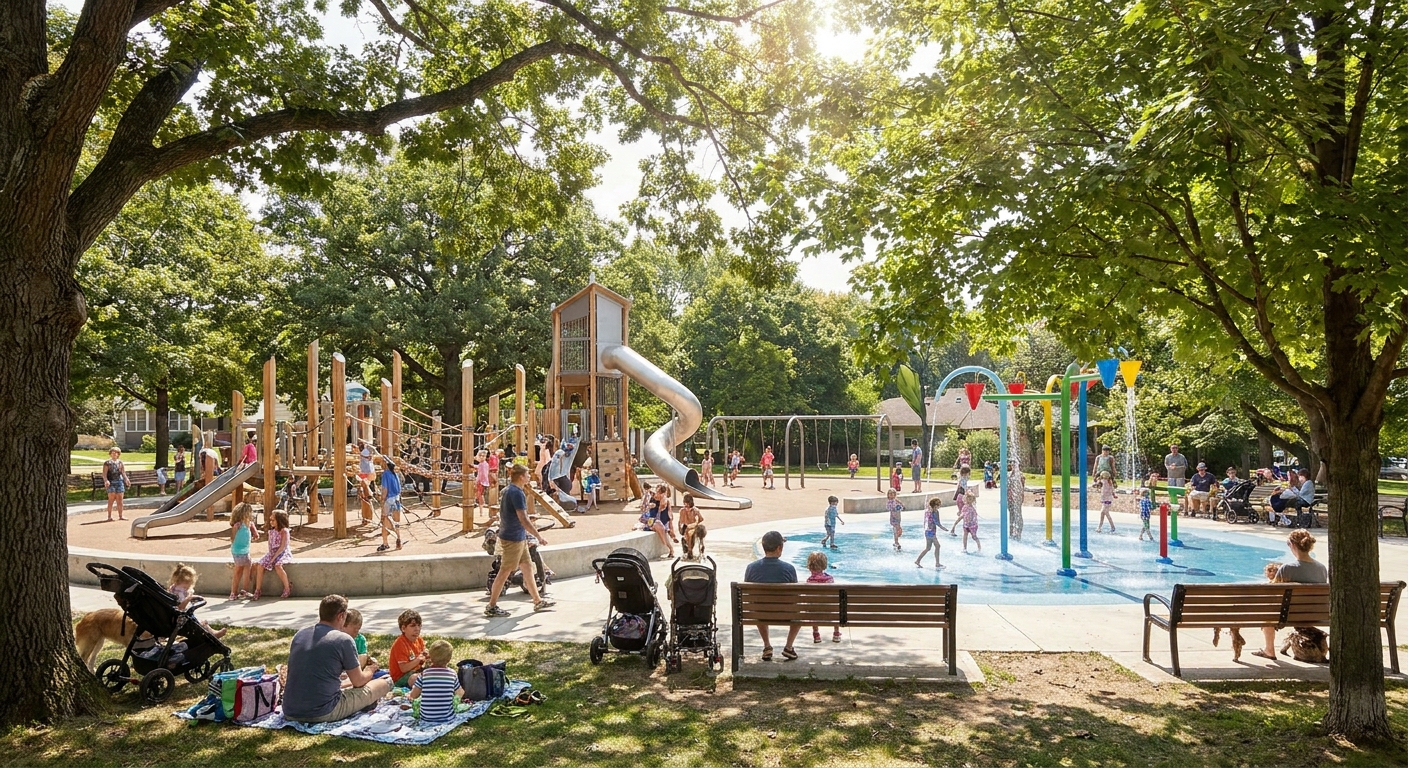
Why ZIP code first works
Searching “parks near me” is fine until you realize “near” can mean a quick hop or a full-blown errand with tricky turns and traffic. Starting with a ZIP code keeps your options tight and practical. It also helps when:
- You’re meeting friends halfway. Pick a neutral ZIP code and build the plan around it.
- You’re traveling for a weekend. Use the ZIP code of your hotel or the neighborhood you’re visiting.
- You’re scouting a new area. Parks reveal a lot about a community in one afternoon.
- You need a quick win. A well-chosen local park can feel like a mini vacation without the logistics.
If you want the broader method I use for building a whole outing around one area, start with my ZIP code lookup guide.
The 10-minute park method
Here’s my repeatable workflow. It’s fast, and it saves you from showing up to a “park” that’s really just two benches and a sign.
Step 1: Pick your target ZIP code
This can be your home ZIP, the ZIP code near school, or the ZIP where you already plan to be for errands. If you want a simple radius approach that pairs nicely with park hopping, I use this system for planning a 5-mile day trip from any ZIP code.
Step 2: Pull up parks, then add kid keywords
Start broad, then narrow. After you pull up parks in or near that ZIP code, layer in the words that match your kid’s current phase:
- “Playground” for the obvious win
- “Splash pad” for hot days and high energy
- “Nature trail” or “loop trail” for stroller walks and balance-bike laps
- “Inclusive playground” if you need adaptive equipment and smoother surfaces
- “Toddler playground” for lower heights and fewer heart attacks
Step 3: Confirm the non-negotiables
I always check these four things before committing, because each one can make or break your outing:
- Bathrooms: Are there restrooms, and are they seasonal?
- Shade: Big trees, shade sails, or at least a covered picnic area.
- Parking: A lot is often easier than street parking with a stroller and a snack bag.
- Hours and closures: Some parks close at dusk, and some facilities shut down for maintenance.
Step 4: Use satellite view
This is my favorite low-effort reality check. Satellite view can reveal:
- If the playground is next to a busy road
- If there’s a fence around the play area
- If there’s real green space or just a small corner lot
- If the splash pad is a major feature or a tiny add-on
What kid-friendly means
Every family’s version of kid-friendly is different, but these are the features that tend to make the day smoother for most parents.
Playgrounds: beyond the slide
- Age separation: A toddler area away from the big-kid climbers is a sanity saver.
- Surface type: Rubberized surfaces and engineered wood fiber are generally easier for little legs than uneven gravel, but it varies by park.
- Visibility: Open sightlines make it easier to supervise more than one kid.
- Seating: Benches near the action, not hidden far away.
Splash pads: the details that matter
- Season dates: In many cities, splash pads run only late spring through early fall, but weather and local restrictions can change the schedule.
- Foot comfort: Some pads are slick or rough. Water shoes can be the difference between fun and fuss.
- Changing options: Even a simple bathroom nearby helps.
- Dry zone: A grassy area or shaded seating for snacks and towel time.
Trails: pick the right fit
For a low-key family hike, I look for:
- Loop trails (no “Are we there yet?” turnaround point)
- Under 2 miles for younger kids, with a bailout option back to the car
- Wide paths if you’re bringing a stroller or pushing a wheelchair
- Water or wildlife (ducks, creeks, bridges) for instant motivation
Accessibility quick checks
If accessibility matters for your crew, a few small details can save the whole day:
- Parking: Look for accessible spots close to the play area or trailhead.
- Entrances: Curb cuts and smooth paths, not just stairs or uneven gravel.
- Restrooms: Accessible restrooms and enough space for caregivers.
- Play surfaces: Firmer, smoother surfaces tend to be easier for mobility devices and little kids who trip easily.
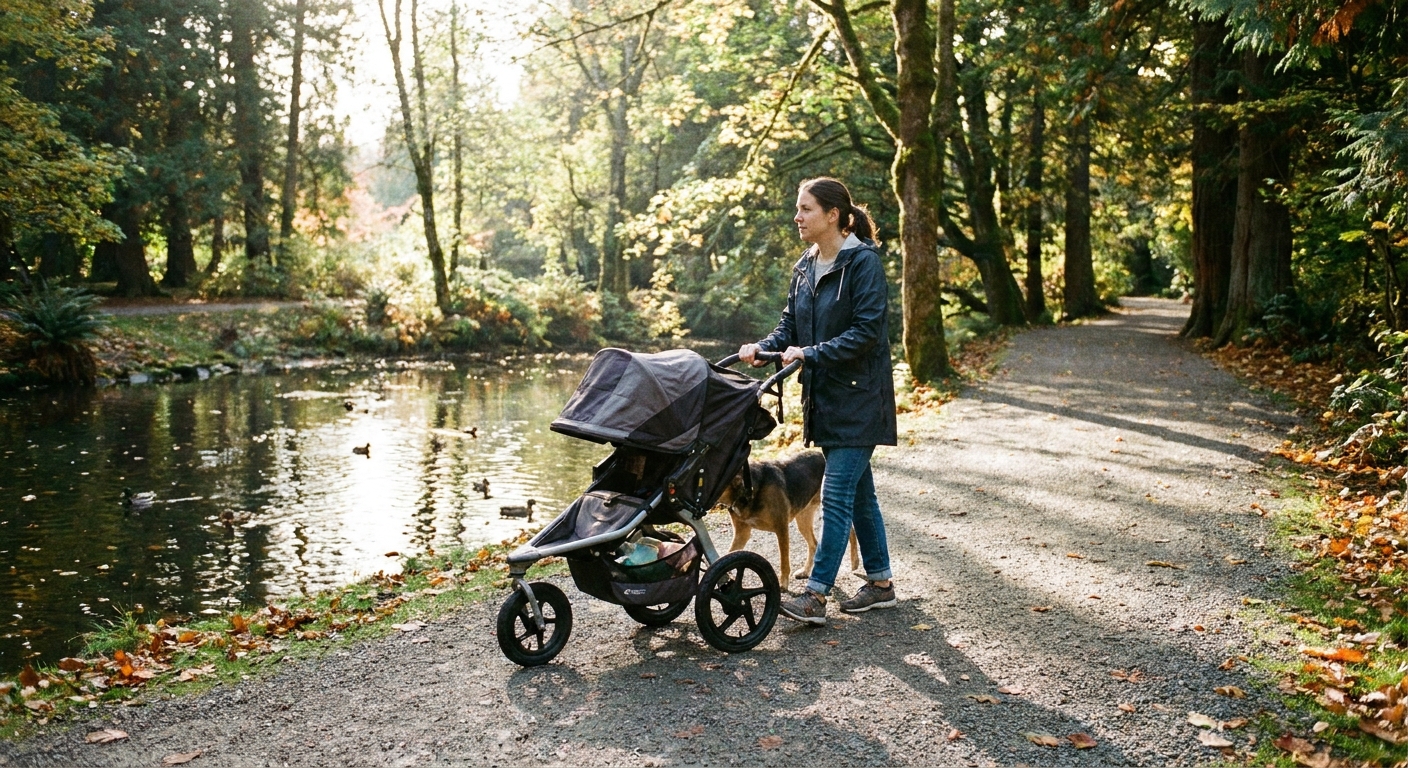
Safety and comfort checks
I’m not trying to turn a park day into a security audit. I just want to avoid the surprise problems that end outings early.
Quick safety scan
- Is the play area set back from traffic?
- Are there gates or fencing if your kid is a runner?
- Is the equipment in decent shape, with no obvious broken rails or sharp edges?
- Do you see good lighting and a generally cared-for space?
Comfort checks that prevent meltdowns
- Bathroom plan: Identify the restroom location before anyone needs it.
- Snack zone: Pick a bench or picnic table in shade if possible.
- Noise level: Busy parks are fun, but some kids do better with calmer spaces. Planning within one ZIP-based area makes it easier to keep a smaller backup park nearby.
Rules to check before you commit
This takes 30 seconds and can prevent a whole argument:
- Dogs: Allowed, leashed, or restricted near playgrounds?
- Bikes and scooters: Permitted on paths, or discouraged in certain areas?
- Splash pad hours: Some run on timers or have specific on and off hours.
- Weather and heat: On extreme heat days, I prioritize shade, water, and shorter visits.
My two-park backup plan
When I’m planning off a ZIP code, I save two parks within a short drive of each other. If Park A is overcrowded, closed, or the vibe is off, I pivot to Park B without re-planning from the parking lot.
Turn it into a day out
This is where the micro-trip magic happens. Once you’ve chosen a park in your target ZIP code, you can build a full, low-effort itinerary around it.
A simple 3-part outing
- Morning: Playground first while energy is high.
- Midday: Picnic lunch or a casual local bite close by.
- Afternoon: Short nature walk, splash pad, or a second smaller park.
My packing list
- Wipes and a small first-aid kit
- Refillable water bottles
- Sunscreen and hats
- One change of clothes per kid if water is involved
- Towel or small blanket for snack breaks
- A plastic bag for wet gear
If you like the idea of planning a full local adventure that goes beyond one location, I put my approach in this guide on planning a day out beyond a single ZIP code.
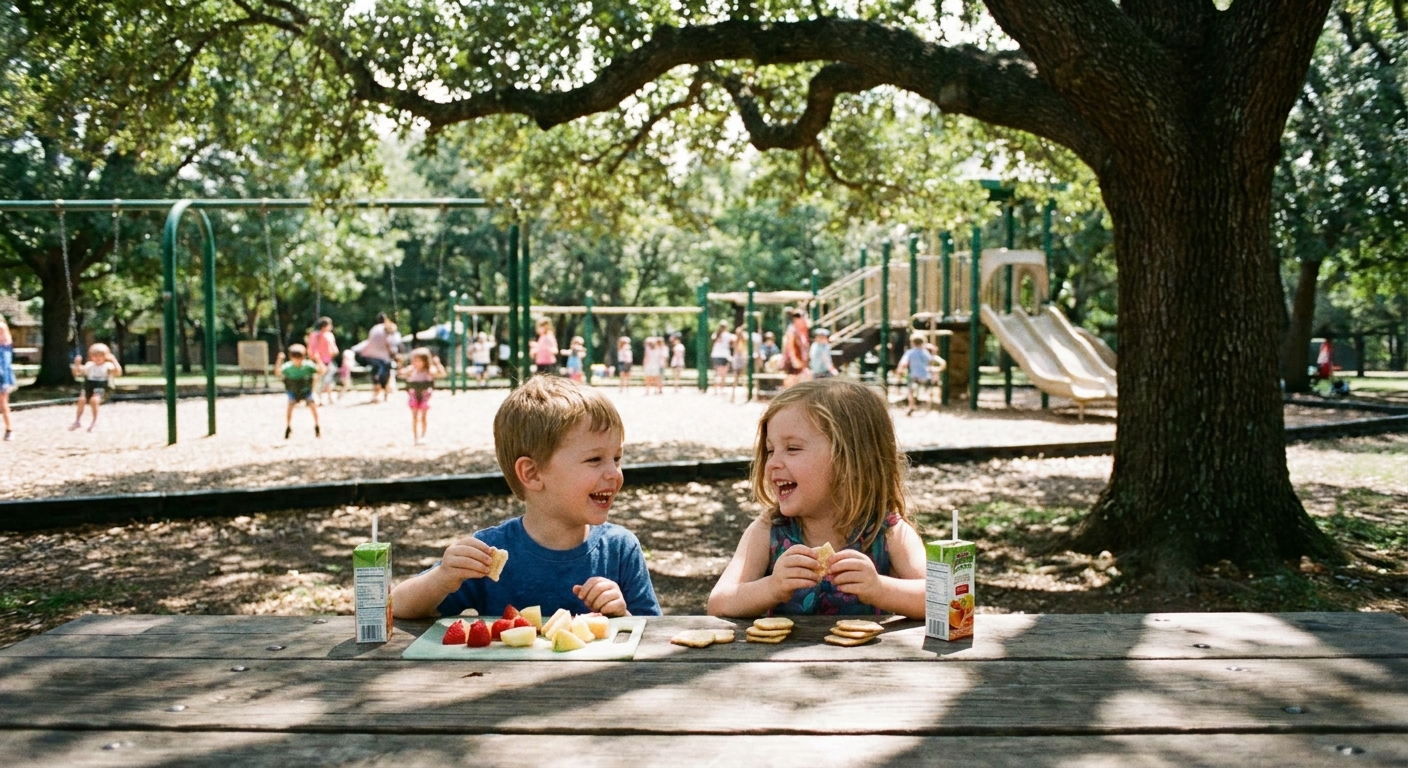
Scouting a neighborhood
Parks are one of my favorite ways to “read” a place quickly. If you’re moving or just considering a different part of town, use a ZIP code as your starting point, compare a few nearby parks, then visit one on a normal weekend day.
I like to notice:
- Maintenance: Is the park clean and cared for?
- Who’s using it: Families, walkers, teens, sports groups?
- Traffic: How stressful is the drive and parking situation?
- Extras: Libraries, ice cream shops, or community centers close by often signal a family-friendly hub.
If you’re doing a bigger “what’s it like to live here?” day, pair this with my homebuyer’s day-out guide for scouting a ZIP code.
FAQ
How many parks should I shortlist?
Three is my sweet spot: one big destination park, one smaller neighborhood park, and one nature option. That gives you flexibility if crowds or closures surprise you.
What if the ZIP code has no good playgrounds?
Jump one ZIP code over and try again. Kids do not care about municipal boundaries, and neither should your plan. I also expand to a short driving radius from the ZIP code center if I’m coming up empty.
How do I find parks with bathrooms?
Look for larger community parks, sports complexes, and parks with picnic shelters. In your list, prioritize places that mention restrooms as an amenity and confirm via recent reviews.
Are splash pads usually free?
Many are free and city-run, but some are part of a recreation center or pool complex with admission. A quick check of the park or city page can confirm, and reviews often mention fees.
What’s the best time to go?
Early morning is often cooler and less crowded, and it can make parking easier. That said, some parks are busiest early, especially in mild weather. If you’re aiming for a splash pad, late morning into early afternoon is commonly when everything is fully running.
A final parent tip
If you only do one thing from this guide, do this: pick the park first, then plan the rest of your day around that ZIP code. When the playground is the anchor, everything else becomes easier, including meals, naps, and your exit strategy.
And if your first pick is a dud, that’s not a failed outing. That’s just data for the next micro-trip.
For more ways to use ZIP codes as your starting line, browse my ZIP code planning guides.