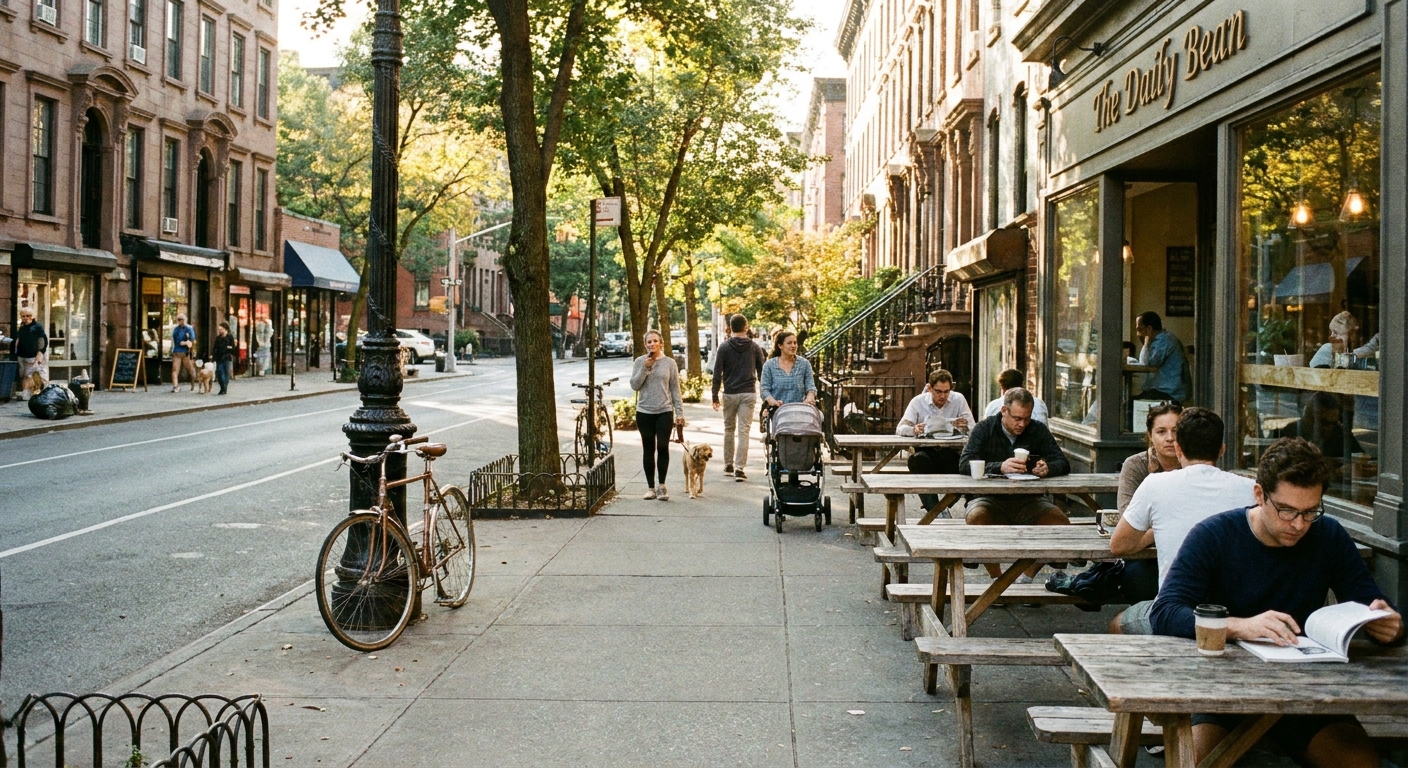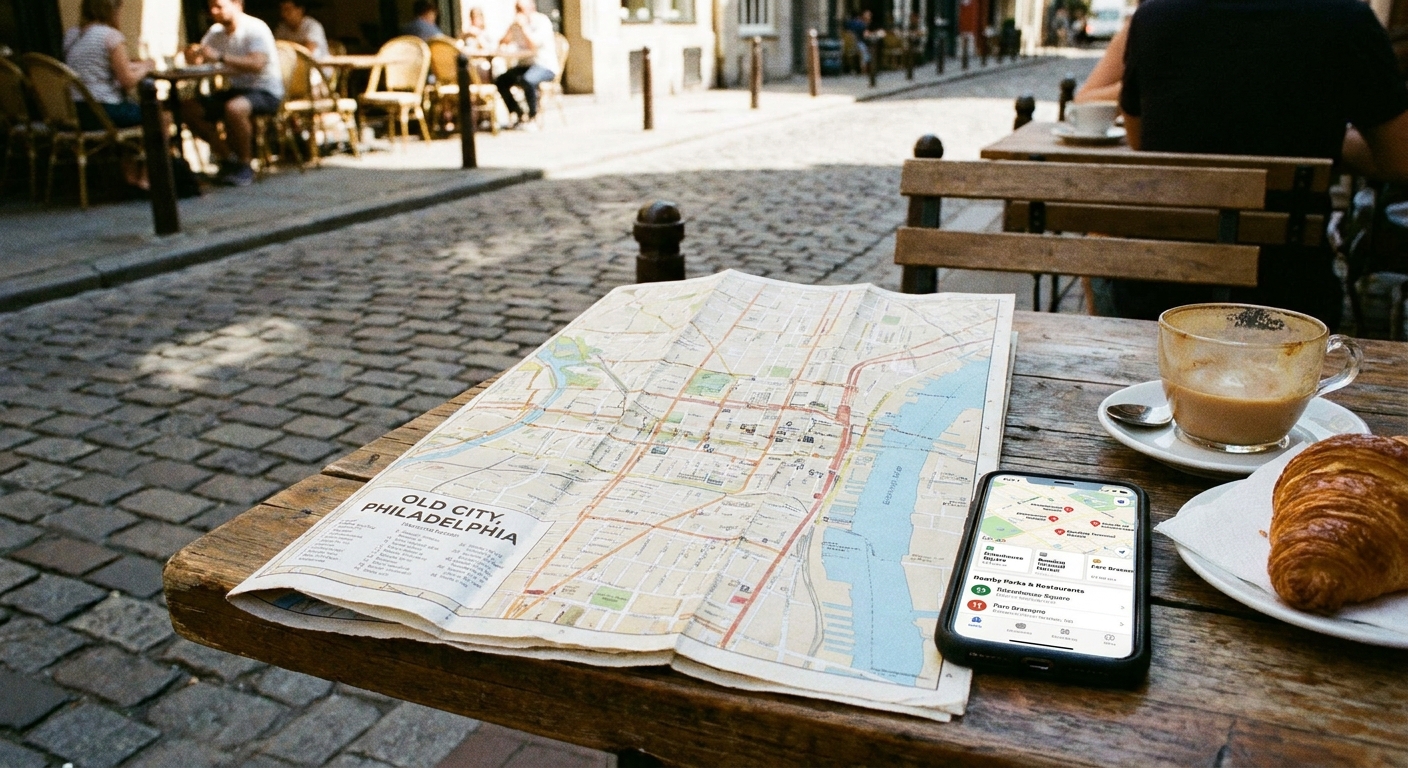

I learned this the hard way in a military family: you can cross one bridge, hit one ridgeline, or duck behind one set of foothills and suddenly you are in a totally different day. Same metro area, totally different weather. Now that I build micro-trips from random ZIP codes (short, local day adventures that string together a few stops), I treat the forecast like a local, not a tourist: I check it by ZIP code, watch the timing, and build an itinerary with a built-in weather pivot so a surprise shower does not wipe out my whole plan.
This is my step-by-step approach for matching hyper-local weather to ZIP codes so your outdoor day actually happens.
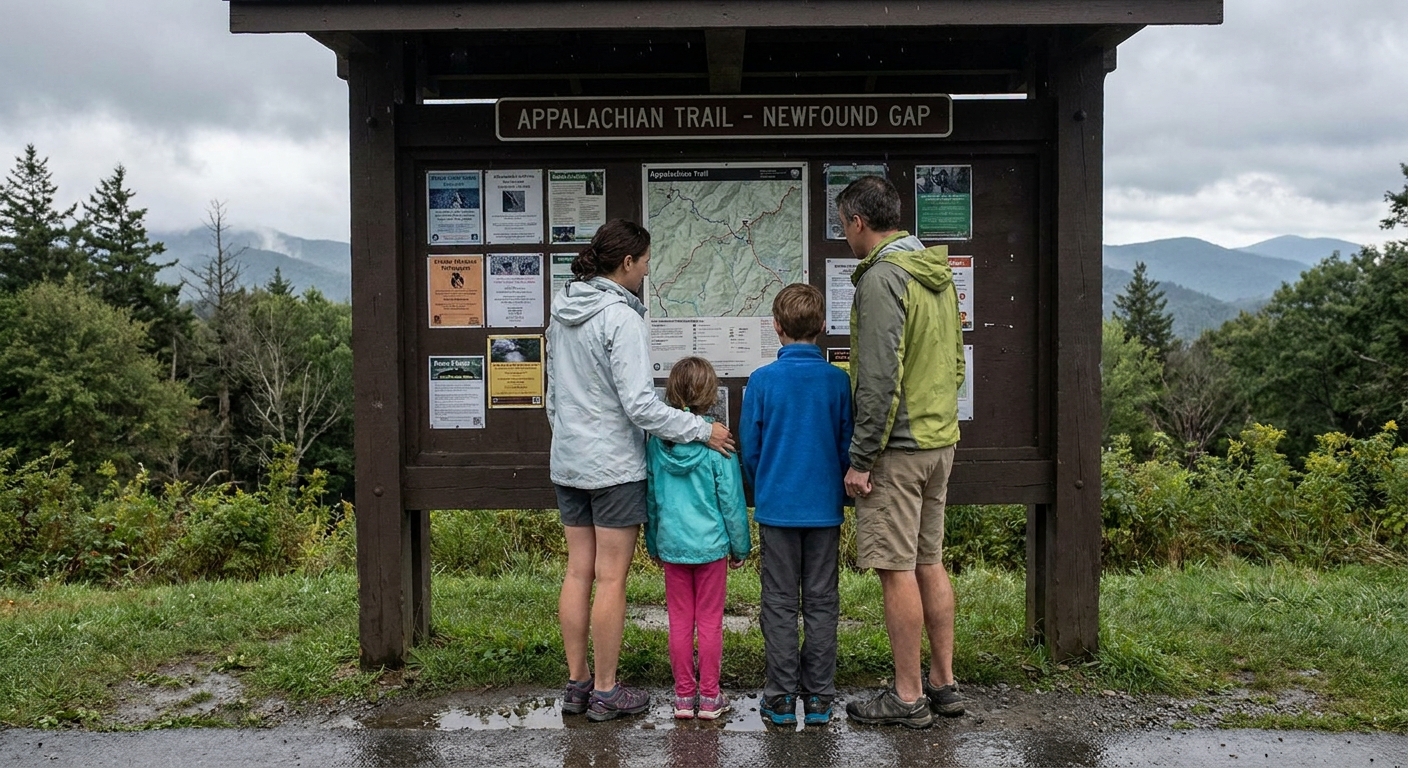
Why ZIP code forecasts can help more than city forecasts
Most weather apps default to a city name. That is fine for a commute. It is not great for a day trip that bounces between neighborhoods, parks, and roadside stops.
- ZIP codes tighten the map. A “city” forecast may be averaged across a wide area. ZIP code forecasts can be more useful for planning because they point the model to a smaller area, even if many providers are still using a nearby station, a grid point, or a ZIP centroid under the hood.
- Microclimates are real. Water, elevation, tree cover, and urban heat can shift temperature, wind, fog, and storm timing. A lakefront ZIP can be several degrees cooler and much windier than an inland ZIP a short drive away.
- Pop-up storms are about timing. For outdoor plans, “40% chance of rain” is less useful than “rain between 2 and 4 pm.” The best combo is ZIP-based hourly timing plus a quick radar check so you can plan around the window.
My 10-minute ZIP code weather routine
This is the quick routine I do before I lock in an outdoor itinerary.
1) Pick your base ZIP and two swing ZIPs
Your base ZIP is where you plan to spend the most time outdoors. Then choose:
- One swing ZIP upwind or a little higher in elevation (often cooler, storms arrive first).
- One swing ZIP downwind or lower (often warmer, storms arrive later, sometimes less rain).
Also, keep in mind that big parks and trail systems can straddle multiple ZIP codes. If that is your plan, use the ZIP code nearest the trailhead or main parking area and check an adjacent ZIP too.
If you are building a day around a radius, start with the planning method here: How to Plan a 5 Mile Radius Day Trip From Any ZIP Code.
2) Check hourly, not daily
Daily summaries hide the useful detail. Look for:
- Rain start and stop times
- Wind speed and gusts during your main outdoor block
- Temperature at the exact hours you will be outside
- Lightning or thunderstorm indicators (if your app shows them)
3) Scan radar for motion, not blobs
I do a quick radar check to see direction and speed of weather moving toward the ZIP. A big green blob that is sliding east fast might only hit you for 20 minutes. A slow, building line is a different story.
4) Compare feels like, wind, and cloud cover
For outdoor comfort, these matter more than the high temperature.
- Feels like: humidity and wind chill can change your comfort level a lot.
- Wind: 12 mph steady wind can make a waterfront picnic miserable and turn a bike ride into a grind.
- Cloud cover: full sun in an exposed park is a different plan than overcast.
5) Respect the clock on forecast confidence
I plan the outline early, but I do not “lock” anything until the day before (or morning-of if the weather is unstable). Hourly details get fuzzier the farther out you go, so I lean more on radar and nowcasting on the day of.
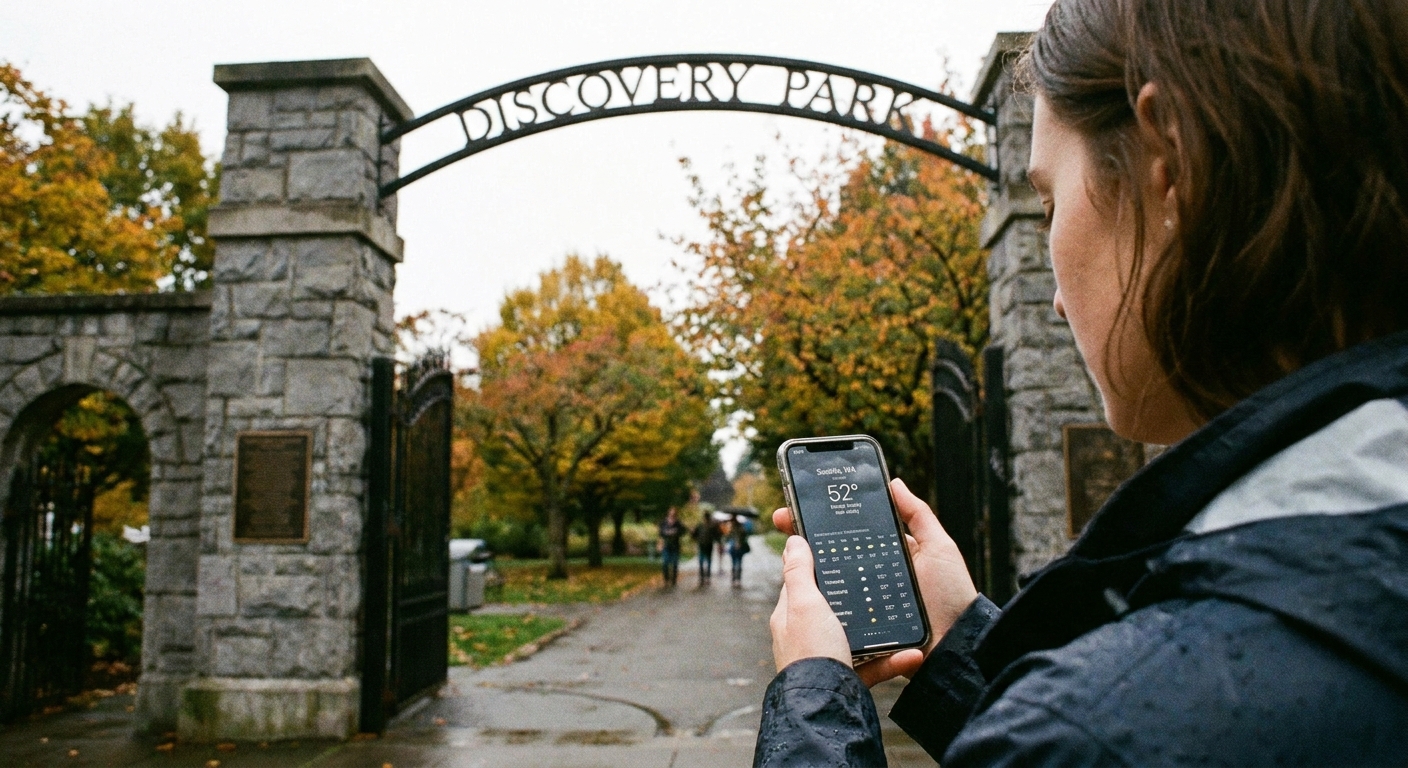
Turn the forecast into a flexible itinerary
The goal is not to predict perfectly. The goal is to build a day that still feels like a win if the weather shifts.
Use the best weather block for your biggest plan
Find the 2 to 4 hour stretch with the lowest rain risk and the best comfort. Put your most weather-sensitive activity there:
- Hike with views
- Kayak or paddleboard
- Long neighborhood walking loop
- Outdoor market browsing
Stack weather-tolerant stops on both sides
Bracketing your main outdoor block with flexible stops keeps the day intact:
- Coffee shop and a scenic drive early if the morning is drizzly
- Late lunch indoors if storms roll in midafternoon
- Short park strolls between showers
If you want to build a walking plan by boundaries, I map it like this: Map a Self Guided Walking Tour With ZIP Code Boundaries.
Create a rain pivot you actually like
I always choose one Plan B that still feels fun, not like defeat. Think: a covered historic district, a greenhouse, an arcade, a museum, a diner crawl, or a bookstore loop. If you need help finding food stops fast, start here: Find Hidden Gem Restaurants With a ZIP Code.
Microclimate clues that change plans
Here are the patterns I watch for when I am bouncing between ZIP codes.
Waterfront ZIP codes: cooler, windier, foggier
- Plan shift: bring a layer, choose a wind-sheltered picnic spot, and save the waterfront stroll for the warmest hour.
- Watch: gusts and feels like temperature.
Foothills and higher elevation ZIP codes: storms start earlier
- Plan shift: do the ridge hike first, then descend to town for lunch.
- Watch: thunderstorm timing and rapid temperature drops.
Urban core ZIP codes: hotter, less shade than you think
- Plan shift: do exposed walking earlier, then duck into shaded parks or indoor stops midday.
- Watch: heat index and UV.
Wide open rural ZIP codes: wind is the boss
- Plan shift: skip the long bike loop if winds are high. Swap in a short trail plus a scenic drive.
- Watch: sustained wind, not just gusts.
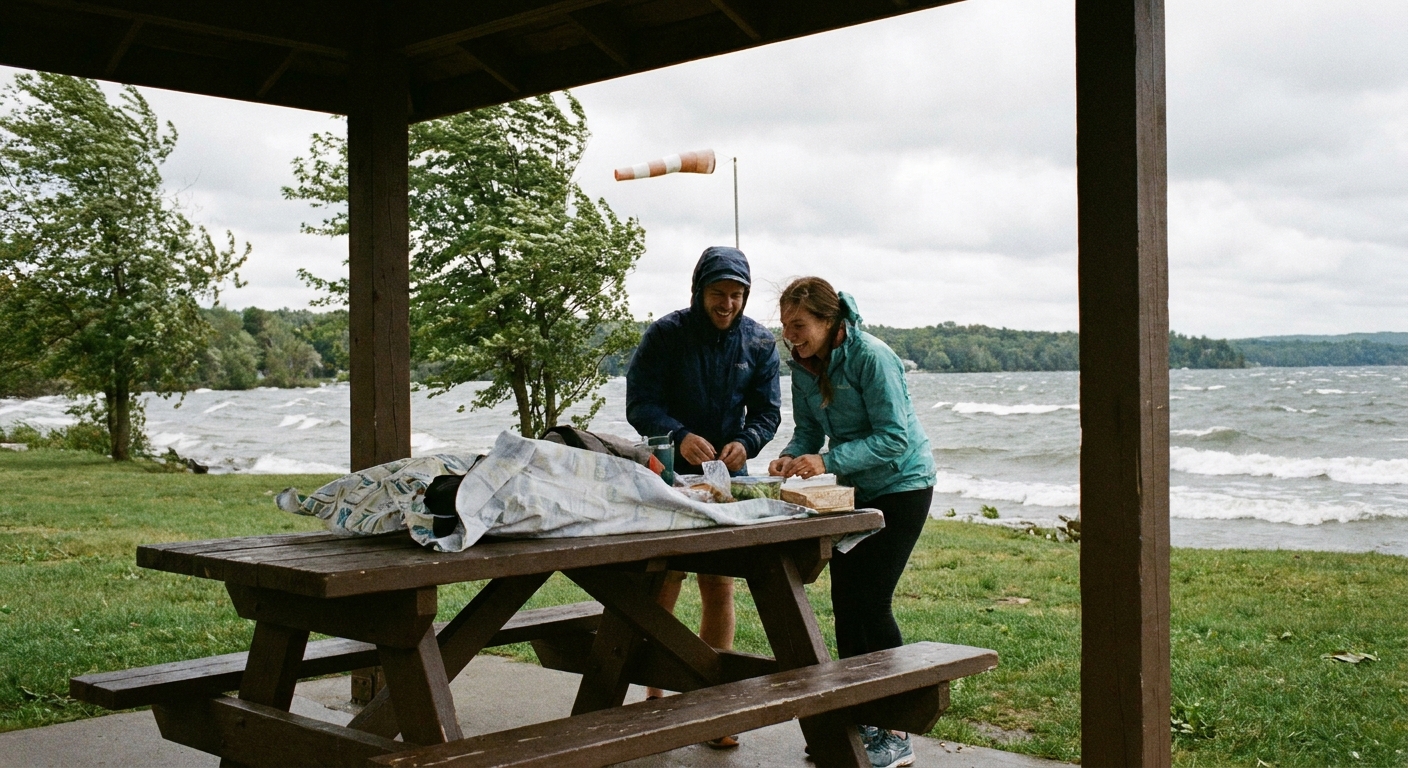
Weather to activity cheat sheet
If you are staring at hourly forecasts and trying to decide what is realistic, here is my quick match-up.
Light rain or drizzle
- Best: botanical gardens with covered areas, short walks with tree cover, scenic drives with frequent stops, covered patios
- Avoid: exposed overlooks, long bike rides, anything that becomes slippery (rock scrambles, steep wet trails)
High heat and full sun
- Best: shaded greenways, water-adjacent strolls early or late, indoor lunch midday, sunset viewpoints
- Avoid: long midday parking-lot-to-parking-lot routes, treeless hikes
Windy conditions
- Best: forest trails, protected neighborhoods for walking tours, roadside stops where you are in and out
- Avoid: kayaking, exposed bridges, cute hat activities (anything that turns into a sail in gusts)
Thunderstorm risk
- Best: short loops close to your car, indoor anchors, flexible timing
- Avoid: open water, ridgelines, isolated peaks, wide open fields
Common ZIP code weather mistakes
Mistake: trusting a single percentage
A 30% chance of rain can still mean a downpour for 20 minutes. Look for when, not just whether.
Mistake: checking only the starting ZIP
If your day trip crosses a river, climbs elevation, or shifts from coast to inland, check at least two ZIP codes. You can often plan your route so you are outdoors where the weather looks best.
Mistake: ignoring wind direction
Knowing what is upwind of you helps you guess whether conditions are about to change. If the upwind ZIP is already raining, you often have less time than you think, but storms can also weaken or split, so confirm with radar motion.
Mistake: planning one long outdoor block
Two shorter outdoor blocks with an indoor stop between them is often more resilient than one epic six-hour outdoor plan.
Sample micro-trip based on timing
Here is a real-world structure you can copy for any ZIP code.
Scenario
- Base ZIP: partly sunny until 1 pm, storms 2 to 4 pm, clearing by 5 pm
- Swing ZIP (higher elevation): storms start at 1 pm
- Swing ZIP (lower elevation): storms start at 3 pm
Itinerary
- 9:00 am: Breakfast and coffee near the base ZIP
- 10:00 am to 12:30 pm: Main hike or walking tour in the base ZIP (your best weather block)
- 1:00 pm: Early lunch indoors
- 2:00 pm to 4:00 pm: Rain pivot (museum, bookstore loop, diner crawl)
- 5:30 pm: Golden-hour park stroll in the swing ZIP that clears first
Need help choosing stops that are not just the usual tourist list? I use this approach: Plan a Local Day Out Beyond a ZIP Code.
Quick safety notes
- Lightning: When thunder roars, go indoors. If you hear thunder, get off open water and away from high points. A fully enclosed, hard-topped vehicle is typically safer than being outside.
- Heat: Heat index matters more than temperature. Bring water even for “easy” walks.
- Flash flooding: In some regions, heavy rain upstream matters more than what is falling on you. Avoid narrow canyons and low water crossings if storms are in the area.
FAQ
How specific is a ZIP code forecast?
It varies by provider, but it is typically more localized than a citywide forecast. It is still a model, not a sensor at your exact picnic table, so use it for decision-making and timing, then verify with radar as you get close.
What if my destination is on the edge of a ZIP code?
Check the neighboring ZIP too. If the hourly timing differs, plan your outdoor block closer to the ZIP that looks better and keep your indoor options closer to the other.
What forecast details matter most for an outdoor day?
Hourly precipitation timing, wind speed, feels like temperature, and thunderstorm risk. Those four decide comfort and safety more than the daily high.
How do I choose activities if the forecast looks iffy all day?
Build a covered core day: one indoor anchor, one meal you are excited about, and short outdoor bursts between weather windows. You can still have a great micro-trip even if it is not postcard-perfect.
Keep exploring
If you are starting from scratch and need the basics of building a day around a ZIP, begin here: Guide: ZIP Code Lookup. And if you want a fun way to test-drive a neighborhood before you move, I love this method: A Homebuyer’s Day Out: Scout a ZIP Code Before You Move.