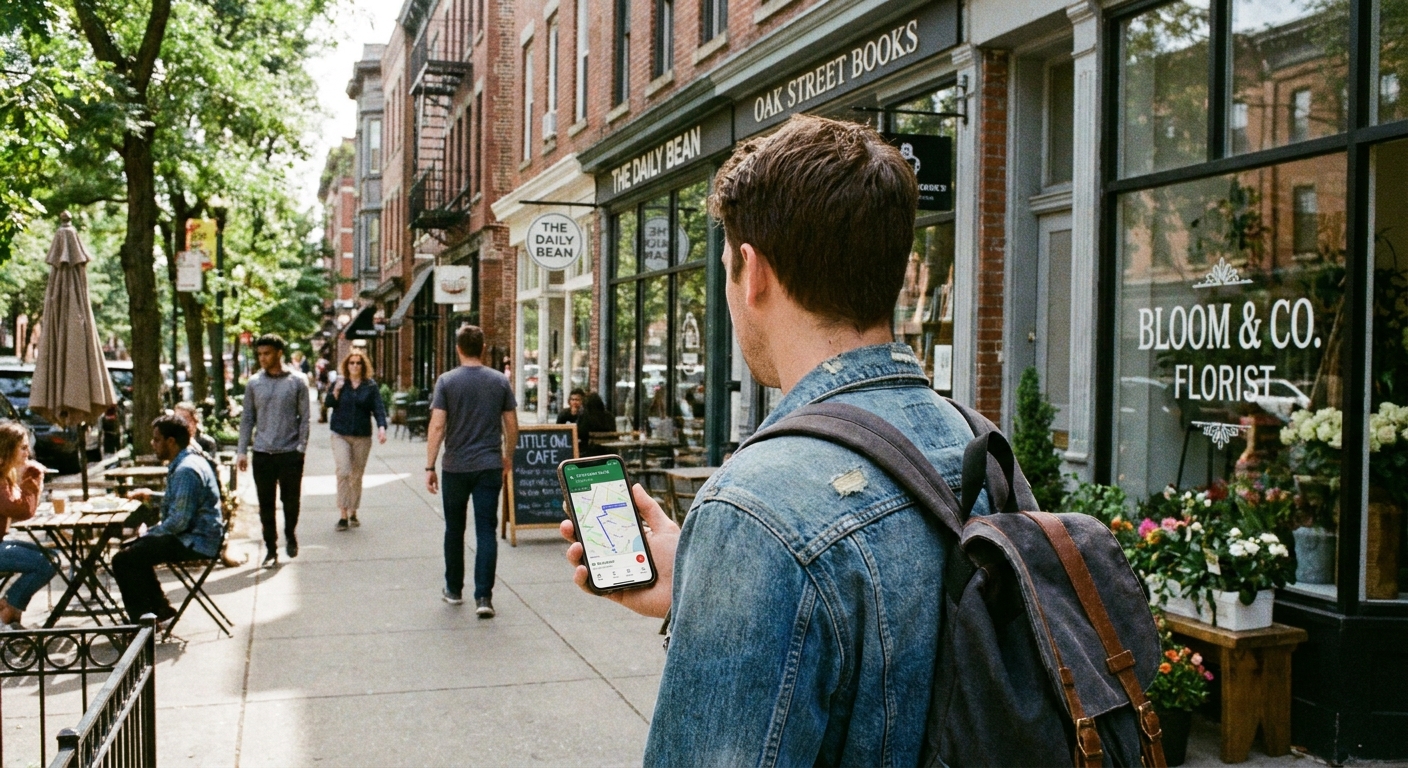

I grew up in a military family, which means I learned early how to drop into a new place and immediately find the good stuff. That habit never left. Now, when I am on a highway drive and my brain starts bargaining for a sad bag of chips at a rest area, I do the opposite. I pull off, grab a nearby ZIP code, and build a two-hour mini adventure that feels like I actually went somewhere.
This is my road trip pit stop rule: you do not need a full detour to get a memory. You need a ZIP code, a tight radius, and one solid “anchor” stop that is not a gas station.
Why a ZIP code beats “near me” on the interstate
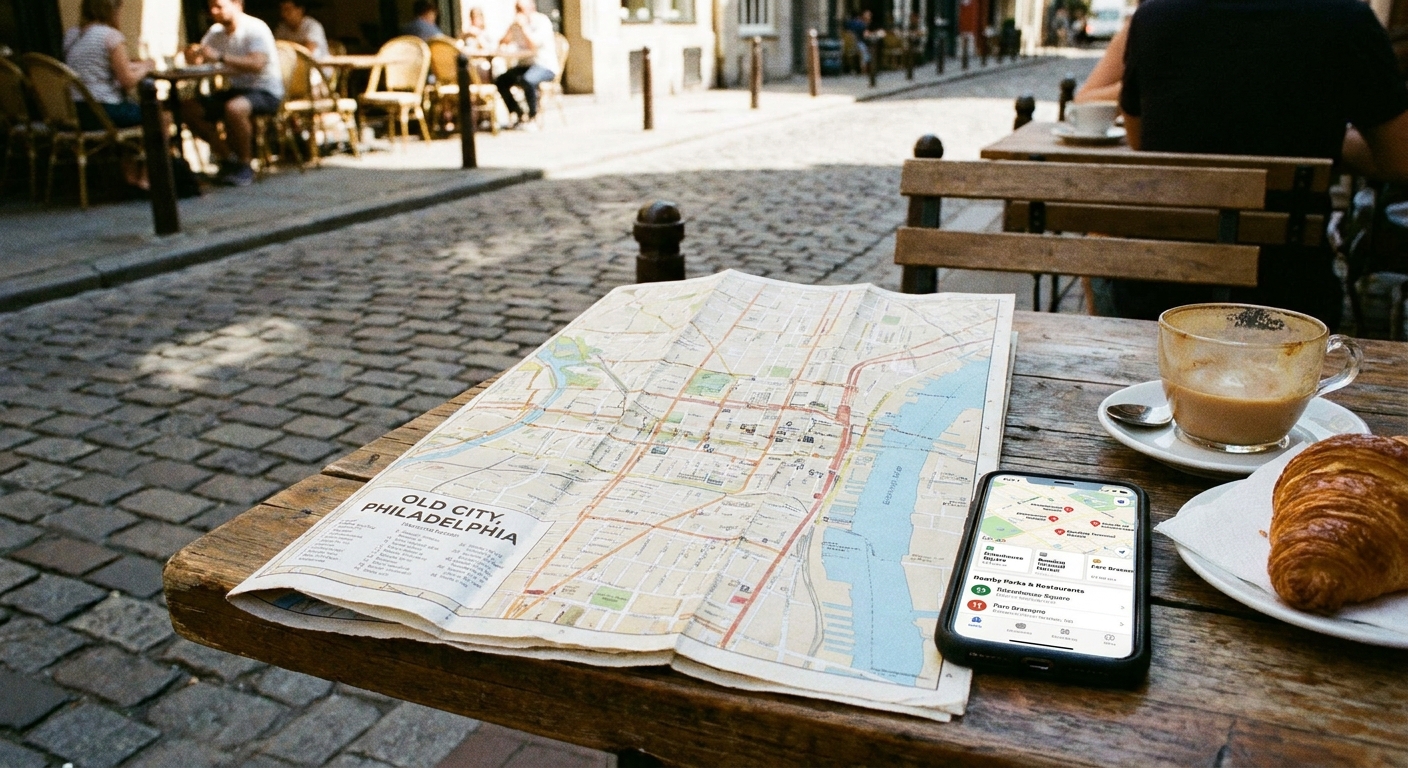
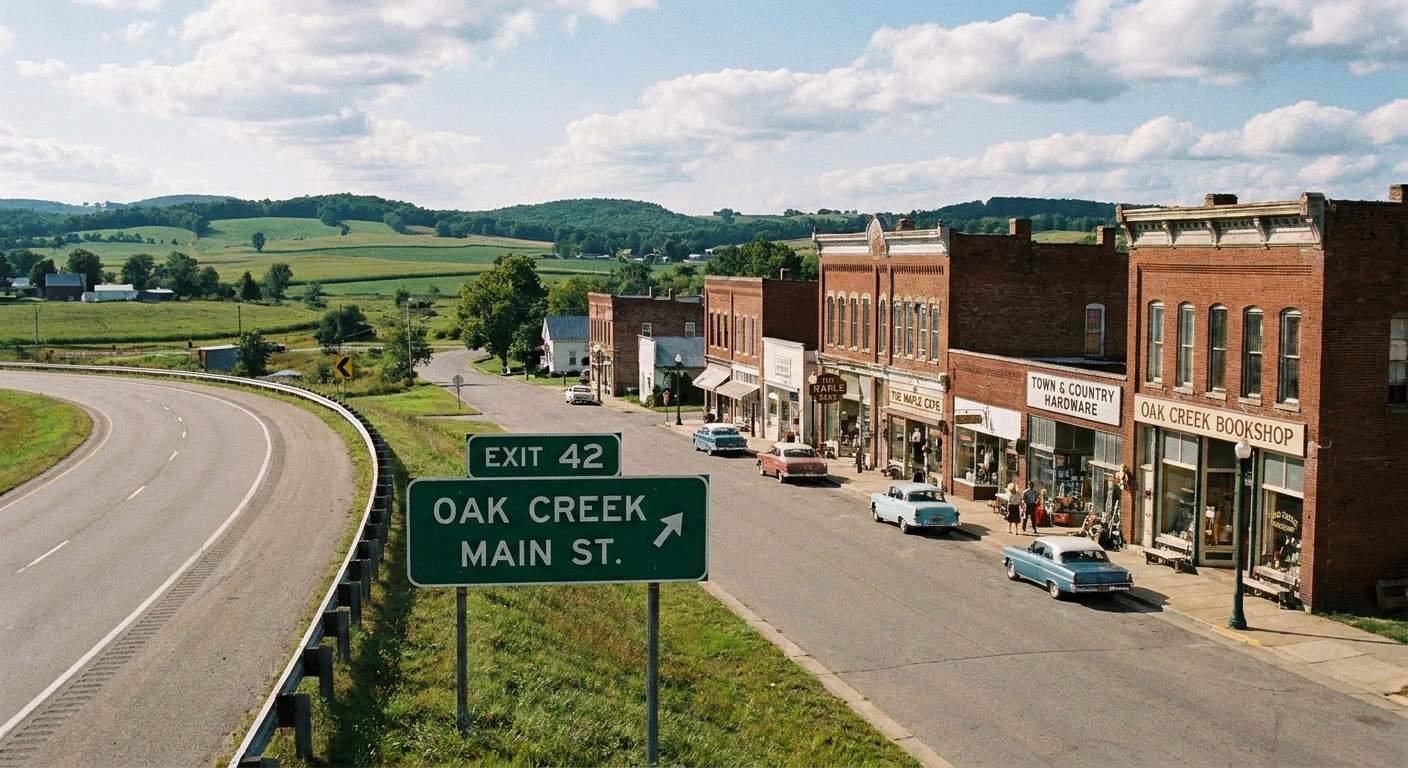
When you search “food near me” while flying down an interstate, your phone often serves you a predictable mix: fast food at the next exit, chain coffee, maybe a big box store. Searching by ZIP code is not a magic trick, but it can nudge your options one step more local. It anchors your results to an actual community, not just whatever is clustered around an interchange.
It also helps you plan with cleaner limits. With a ZIP code, you can:
- Set a clear boundary so your “quick stop” does not become a half-day derailment.
- Spot the heart of town, where parks, main streets, and small museums can be more likely to show up than they are in a next-exit search.
- Choose a backup ZIP nearby if the first one looks too spread out.
If you want the basics of building trips from ZIP codes, start with our Zip Code Lookup guide, then come back here for the road trip version.
The 2-hour pit stop formula (my go-to)
I use this same structure whether I am crossing two states or just driving to visit family. It keeps me from wandering, and it keeps the driver happy because there is a real return time. The time blocks are my ideal, not a promise. Traffic, lines, and how fast everyone can agree on lunch will shift things.
0:00 to 0:15 Pick the ZIP code and set a hard radius
As soon as you know you want to stop, pick an exit that is not in the middle of nowhere and not in the dead center of a major city. I look for a cluster of services on the map, then choose the ZIP code for the nearest town center.
- Best radius for most pit stops: 2 to 5 miles.
- If you need a leg-stretch plus a real meal: push toward 4 to 5 miles, but keep 5 as the outer edge.
- Avoid: “Sure, it is only 10 miles” detours. That is how you lose an hour.
Need help thinking in mile-radius circles fast? This pairs perfectly with how to plan a 5-mile radius day trip from any ZIP code. Same method, just compressed.
0:15 to 0:35 The anchor stop: park first, always
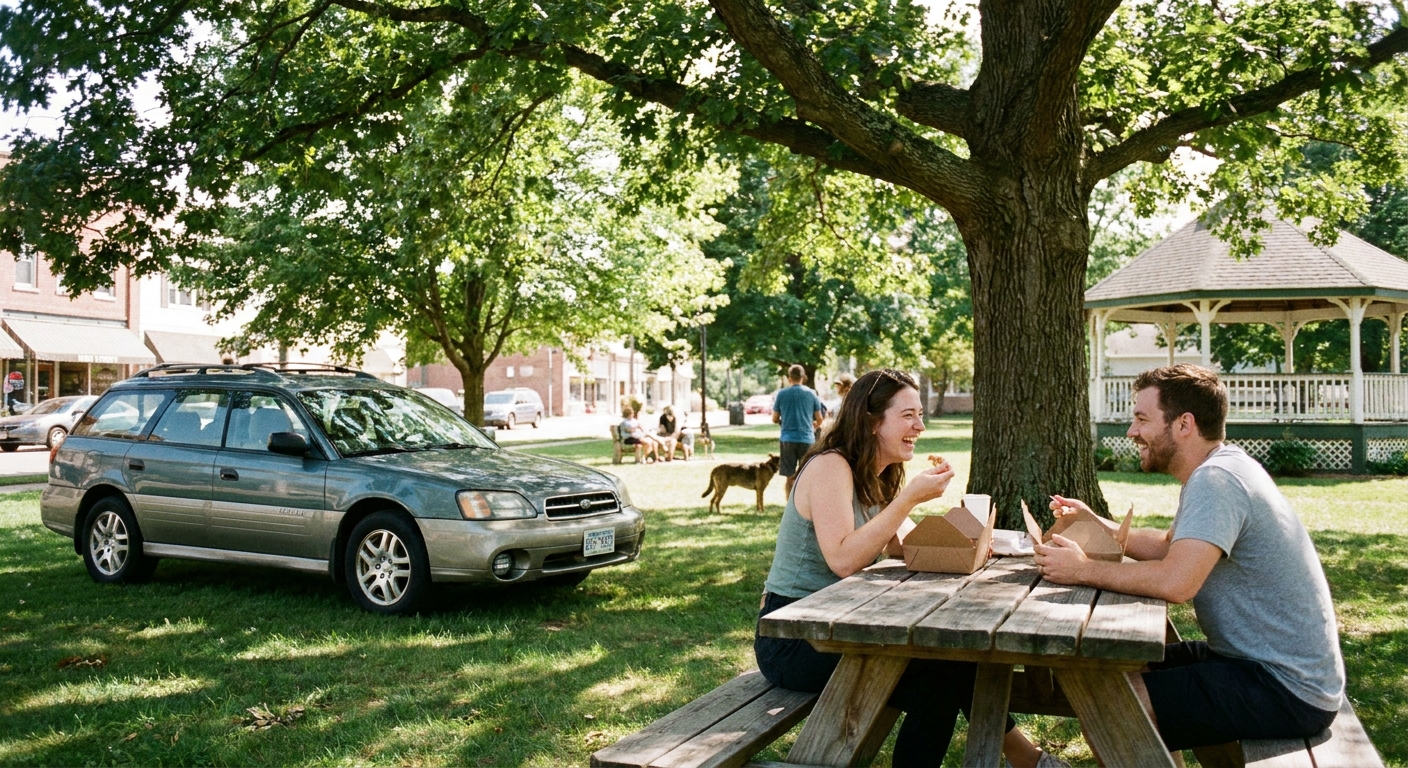
If you have been sitting for two hours, your body wants sunlight and movement before it wants another snack. I start with a park, riverwalk, botanical garden, or even a quiet neighborhood greenway. It resets your mood and makes everything after feel like a treat.
- Look for: “park,” “trailhead,” “river access,” “arboretum,” “historic square.”
- Parking tip: choose a place with a visible lot, not parallel-parking roulette, unless you genuinely love parallel parking.
0:35 to 1:20 Local lunch or coffee (the mom-and-pop rule)
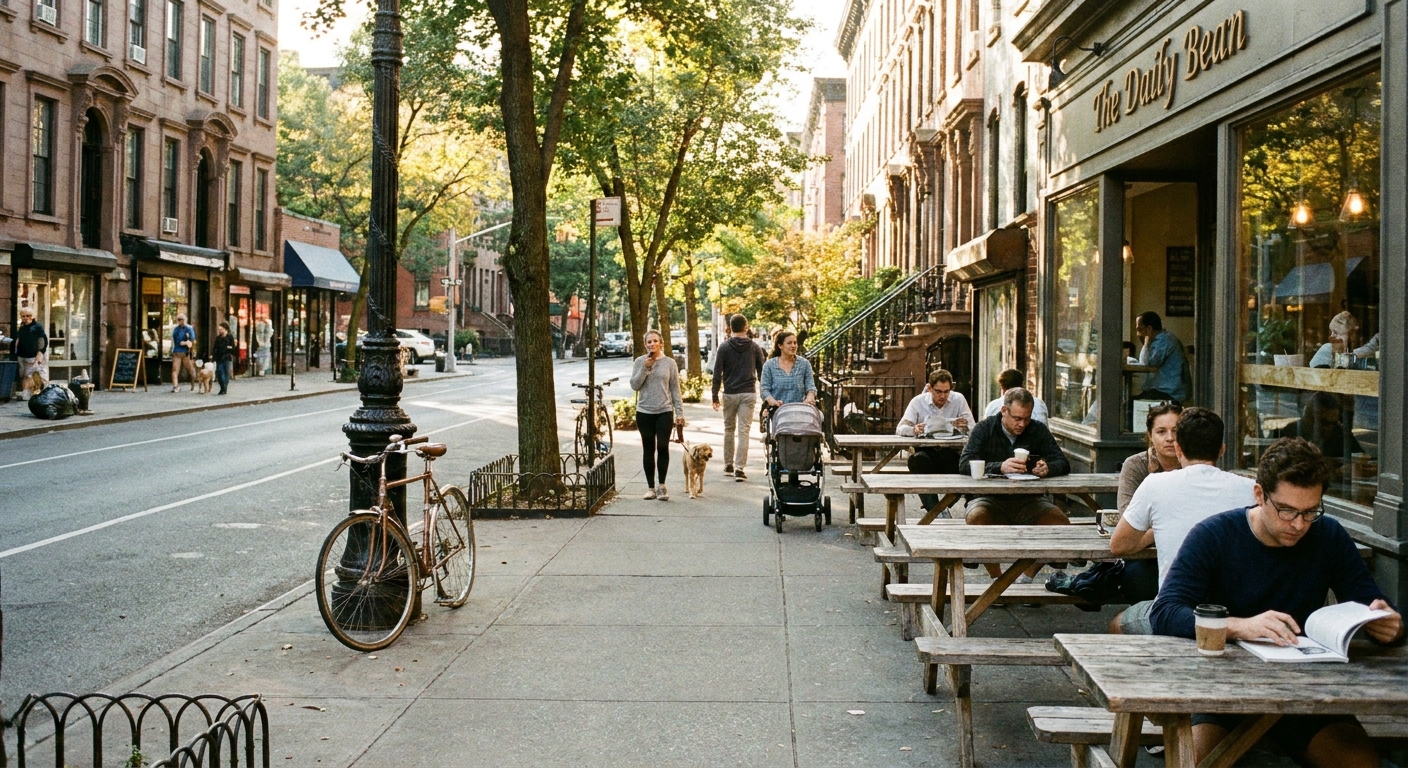
This is where the ZIP code really shines. Once you are in-town instead of on-exit, you can usually find the diner with the specials board or the tiny bakery that sells out by noon. Usually, not always. Sometimes the best option is still a simple sandwich and a fast reset, and that is fine.
My filter list:
- Speed: counter service, deli, taqueria, or a diner that moves fast.
- Personality: one-off names, not “Grill & Bar” clones.
- Proximity: within 5 minutes of your park, not 20 minutes across town.
If you want a deeper method for finding genuinely good local spots (not just “the closest”), use find hidden gem restaurants with a ZIP code.
1:20 to 1:50 One quick “only here” thing
This is the part that turns “we stopped” into “remember when we found that…” Choose exactly one of these and keep it tight:
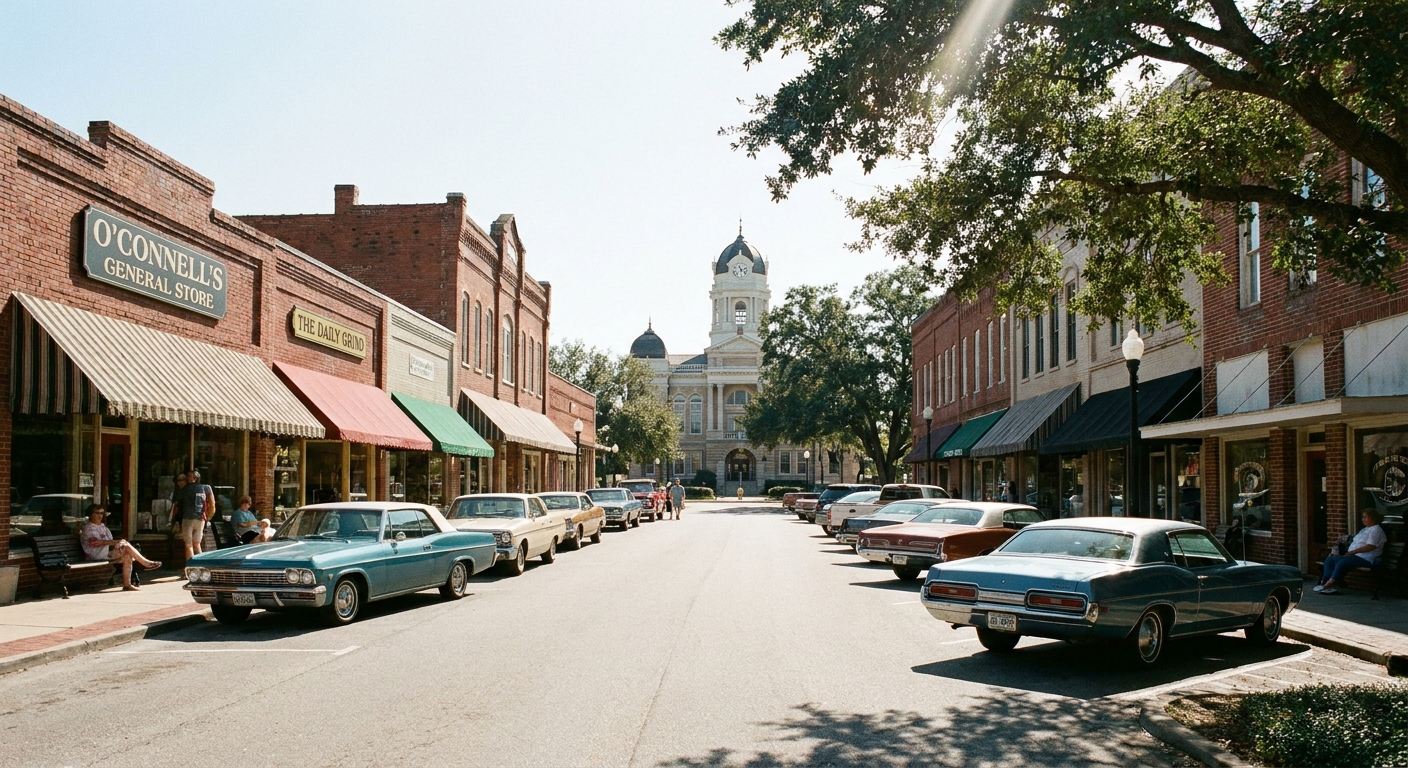
- A historic main street block with antique shops
- A small museum (local history, train depot, oddball niche collections)
- A scenic overlook or lake viewpoint
- A public art installation you can walk up to
- A quirky roadside attraction that is genuinely close
One rule: if admission lines look long or parking looks chaotic, pivot. You are building a mini adventure, not a stress test.
1:50 to 2:00 Reset for the road
Before you get back on the interstate:
- Use the restroom even if you “kind of” do not need to.
- Refill water.
- Queue up your next 30 minutes of audio so you are not messing with your phone in traffic.
And one safety note I take seriously: do the planning from the passenger seat, or pull over. No pit stop is worth distracted driving.
How to choose the right highway ZIP code (fast)
Not every exit is created equal. If you want a pit stop that feels like a place, here is how I choose.
Pick ZIP codes that have a center
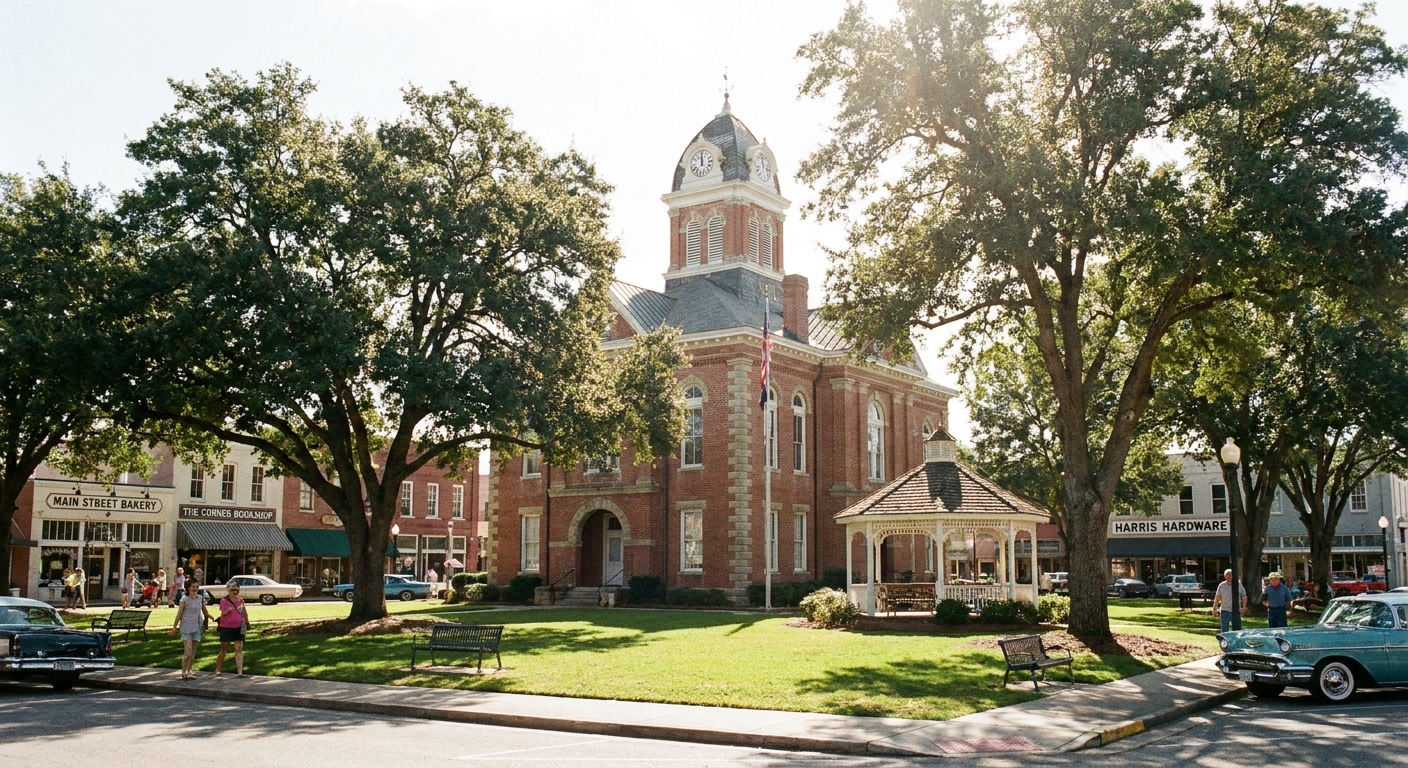
Some ZIP codes are mostly rural routes, industrial zones, or big stretches of highway services. Those are fine for fuel, but not for a mini adventure. Instead, I look for ZIP codes that show a clear “downtown” pattern on the map: a grid, a courthouse square, a cluster of small streets near a river.
Avoid the “airport and warehouses” trap
If the map is all logistics buildings, rental car lots, and long blocks with no sidewalks, you will spend your two hours driving in circles. Choose the next ZIP code over, the one that looks residential and walkable.
Use my “two turns” shortcut
This is just my personal shortcut for keeping things simple. If I can get from the interstate to my anchor stop in two turns or fewer, it is usually a winner. If it takes six turns through confusing frontage roads, I at least pause and ask if this is still a “quick reset” stop.
What to look for once you have the ZIP code
Once I have a ZIP code, I am not trying to outsmart the internet. I am trying to spot the places that will feel good in real life, within my time limit. These are the cues I look for on any map or listings app.
- Distance and drive time: I check minutes, not miles. A three-mile hop can still be 12 minutes through lights.
- A real place to walk: parks with loop paths, riverfronts, greenways, courthouse squares, and downtown blocks with sidewalks.
- Easy parking: a visible lot or clearly marked public parking, especially if you are traveling with kids, a dog, or anyone who cannot do a long walk from a random side street.
- Hours that match road trip reality: I look for “open now,” then confirm closing time. Small museums and cafes can be done early for the day.
- Recent reviews that mention pace: I scan for notes like “quick service,” “order at the counter,” or “we waited 40 minutes.” I am not judging quality, just fit.
- Photos that show use: paths, benches, a patio, a real interior. If it is all exterior shots with no sign of life, it might be more of a drive-by.
If you are traveling with mobility needs, I also check for paved paths, ramps, and nearby seating. A smooth sidewalk and a shaded bench can save a whole afternoon.
Safety and courtesy, the road trip version
Mini adventures should be fun, not risky. A few habits I stick to:
- Stay aware of closing times. Small museums and cafes may close earlier than you expect, especially on Sundays.
- Watch your stuff. If your car is packed for a long trip, keep bags out of sight. A quick stop is still a public parking lot.
- Do not trespass for a photo. If it is behind a gate, it is not your roadside attraction.
- Respect neighborhoods. Keep voices down, do not block driveways, and leave parks cleaner than you found them.
Three pit stop recipes you can reuse anywhere
If you like plug-and-play planning, these three setups work in almost every region. Swap in whatever your chosen ZIP code has.
Recipe 1: The Fresh Air Reset
- Neighborhood park or lakeside path (30 minutes)
- Coffee and a pastry (25 minutes)
- Quick scenic drive to a viewpoint (15 minutes)
- Back to highway with time to spare
Recipe 2: The Main Street Bite
- Park once near downtown (5 minutes to find parking)
- Walk two blocks and pick a local lunch spot (45 minutes)
- Pop into one shop or a small museum (25 minutes)
Recipe 3: The Quirky Photo Stop
- One oddball attraction or landmark (20 minutes)
- Short walk to stretch legs (20 minutes)
- Fast casual local food (40 minutes)
Want to build a slightly longer version for a non-driving day? Plan a local day out beyond a ZIP code expands this same idea into a fuller itinerary.
Common pitfalls (and how to dodge them)
“It is only a few miles” that turns into an hour
Miles lie. Traffic lights, school zones, and frontage roads eat time. Stick to your radius and check the estimated drive time, not just distance.
Choosing a destination with complicated parking
In a two-hour stop, a parking headache can kill the vibe. If downtown parking looks tight, pick the park with a lot and walk from there.
Over-planning
The point is not to “see everything.” Pick one anchor, one meal, one quick thing. Leave with energy, not exhaustion.
Forgetting the return-to-highway buffer
I always build a 10-minute cushion. You will hit one long light. You will need to wrangle the car. You will be glad you left yourself room.
FAQ
How far off the interstate is too far for a pit stop adventure?
For a two-hour mini adventure, I try to keep the main destination within 10 minutes of the exit. If it is 15 to 20 minutes each way, it stops being a pit stop and becomes a real detour.
What if the ZIP code I picked has nothing in it?
Happens all the time, especially in rural stretches. Pivot to the nearest town center ZIP code, not the exit ZIP. In my experience, if the first area is warehouses or farmland, the next ZIP over often has the park, coffee, and main street you actually want.
Is a 5-mile radius always enough?
In towns and suburbs, yes. In wide-open areas, you may need a slightly bigger radius, but keep the driving time limit firm. Two hours disappears fast when you are backtracking.
How do you find a walkable route quickly?
If you have a downtown grid, you are set. If not, use a park or greenway as your walking base. If you want to get more intentional about walking routes, map a self-guided walking tour with ZIP code boundaries shows how to turn a boundary into a simple loop.
My favorite mindset for highway pit stops
I never aim for perfect. I aim for specific. A particular park bench in a town you did not plan to visit. A slice of pie you will compare every future slice of pie to. A five-minute stroll past old brick buildings that proves the country is full of places worth stopping for.
Next time you feel that rest area resignation creeping in, try the ZIP code method once. Two hours later you will be back on the road with a better story than “we got gas.”
If you want more trip-building strategies like this, browse Road Trips and the core Zip Code Lookup guide.