
I grew up in a military family, which meant we moved a lot, and we learned fast: the quickest way to ruin a perfectly good Saturday is to take the wrong road in the wrong vehicle. In a normal car, “oops, that street is narrow” is an eye-roll. In an RV or camper van, it is a full-body clench.
The good news is you can absolutely do my favorite kind of micro-trip, picking a zip code and building a full day around it, even with an oversized vehicle. You just have to map like you are driving a bus, not a sedan.
When I say “oversized,” I mean anything that is taller, longer, and harder to park than a typical SUV: Class B and Class C rigs, truck campers, towables, and big vans with rooftop add-ons.
Start with the right destination
If your goal is a relaxed day out, destination choice does half the work. I look for places that were built with space in mind, then I layer in food and small stops that will not force a three-point turn in a historic district.
RV-friendly anchors
- State parks and large county parks: These often have wide entrances and bigger lots, but older parks can still surprise you with tight loops, low limbs, and small trailhead parking. I treat every park as “verify first.”
- Zoos and aquariums: Many have bus parking or overflow lots. Urban aquariums, though, may route everyone into garages, so confirm before you commit. If you want to build a full itinerary around one, start with A Full Day Zoo or Aquarium Zip Code Itinerary and then apply the RV checks in this guide.
- Botanical gardens and arboretums: Often have coach parking or big perimeter lots. I pair these with The Botanical Day Out style of pacing.
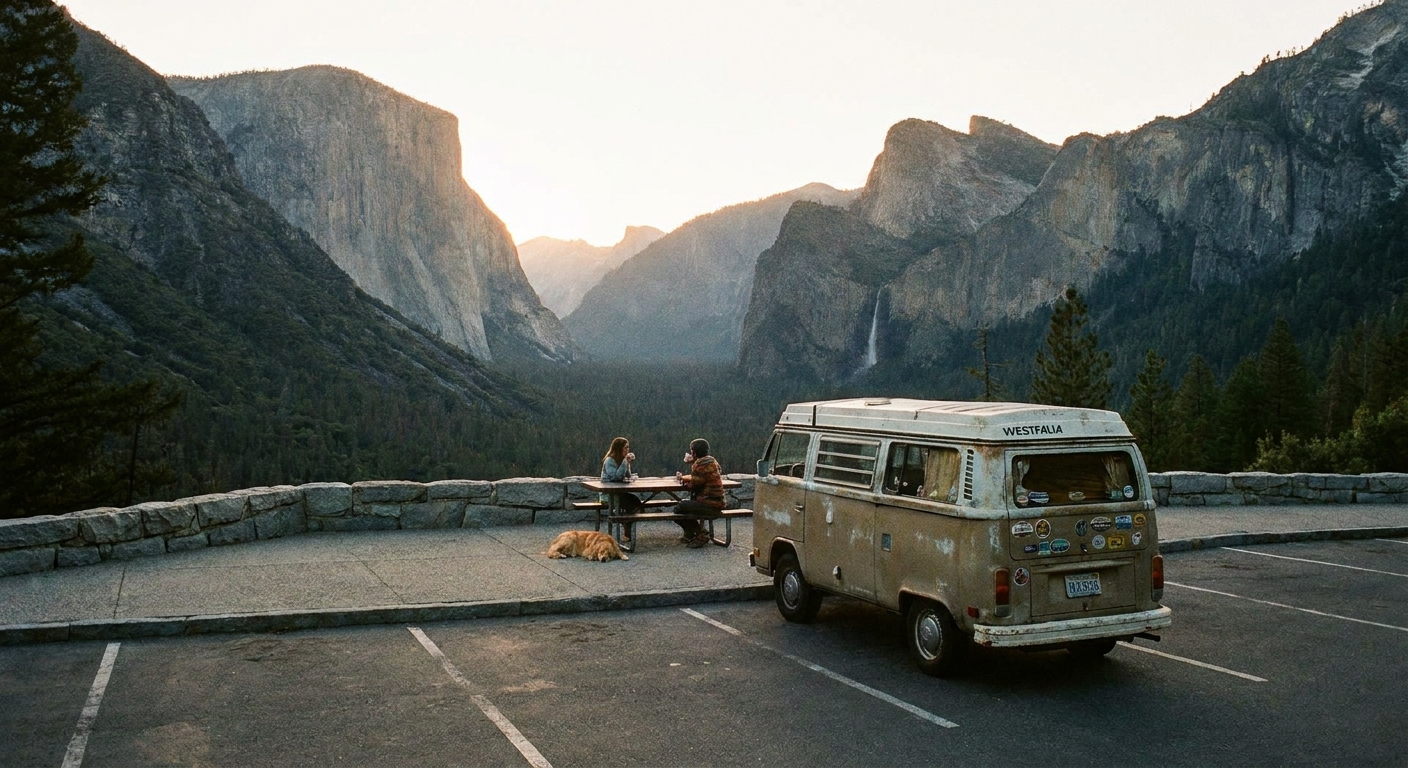
- Scenic overlooks and drives: Great for rigs if there are real pullouts. Use my approach from Find Scenic Overlooks by Zip Code and prioritize overlooks with paved, striped parking or bus bays.
- Factory tours and big museums: They are frequently designed for groups. See ideas in The Factory Tour Day Out.
Places that run tight
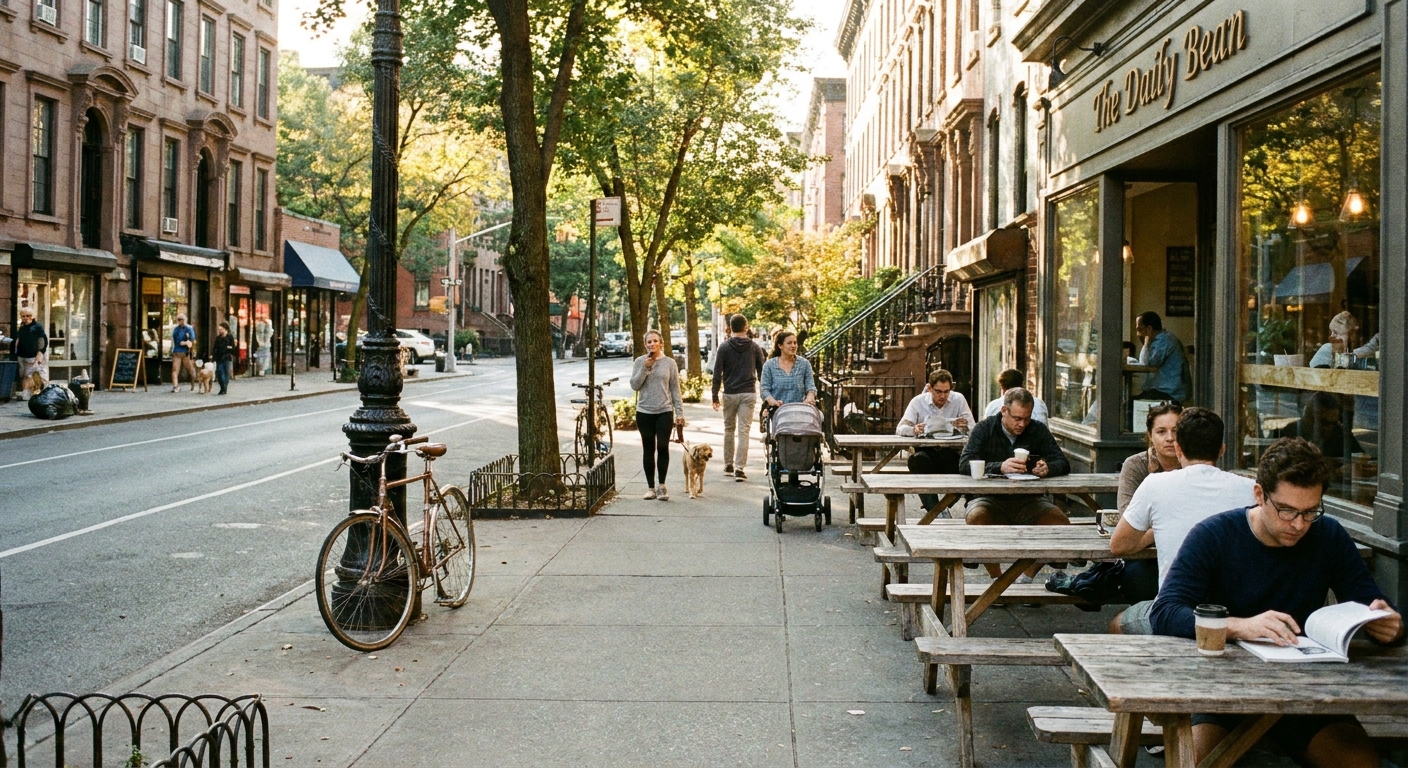
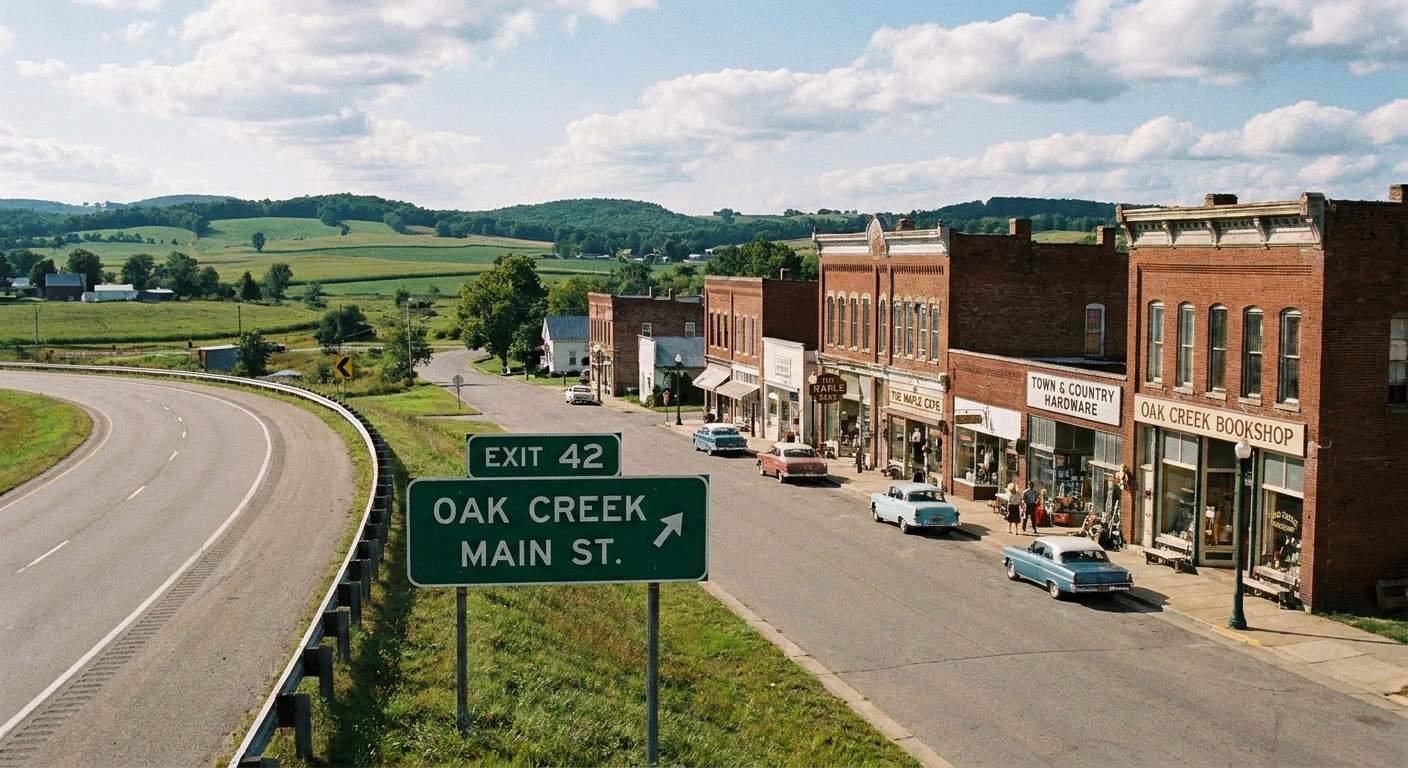
- Old-town main streets: Cute, yes. Also full of angled parking, delivery trucks, and low tree limbs.
- Waterfront strips: Often funneled through one chokepoint road with nowhere to bail out.
- College campuses on game weekends: Traffic control can route you places you did not plan. If you are doing it anyway, read Maximize Game Day by Stadium Zip Code and build in extra buffer time.
Map your big-vehicle boundary
Before I map food or quirky stops, I set my boundaries like this: “Where can I comfortably turn around, park, and leave if Plan A is full?” That boundary is what keeps the day feeling fun.
Know your numbers
- Height: Include rooftop AC units, solar, antennas, and anything you added after you bought the rig.
- Total length: Vehicle plus anything you tow.
- Width: Mirrors included.
- Turning radius (real-world): What you can comfortably do on a two-lane street without hopping curbs or sweating bullets.
I keep these in a note on my phone. If I call an attraction, I can answer their first question immediately.
Pick a base lot
Here is my favorite trick for oversized day trips: choose one large, low-stress parking lot in or near the zip code as your base, then explore in smaller bites. In many towns, this might be:
- a visitor center lot
- a fairgrounds lot
- a big park lot with oversized spaces
- a large shopping center on the edge of town
From there, you can do a walkable loop, take a shuttle if available, or drive the rig only when it is worth it.
Avoid low bridges and trap roads
Low bridges are the headline fear, but they are not the only route-killers. Downtown grids, tight roundabouts, weight-restricted bridges, and roads with aggressive curb pinches can all be just as stressful.
What to check
- Bridge clearance: Especially on parkways, older city routes, and rail underpasses.
- Parkway restrictions: Rules vary by state and corridor. Restrictions can be based on commercial status, weight, overall height or length, and sometimes propane rules for tunnels and covered routes.
- Seasonal closures: Mountain passes, beach routes, and flood-prone roads can change the whole plan.
- Construction choke points: Lane shifts can squeeze wide rigs even when the road is normally fine.
- Steep grades and switchbacks: Not a deal-breaker, but they affect your comfort and your fuel range for the day.
Use official road sources for hard limits
When I am unsure about restrictions, I verify through state DOT resources rather than trusting a random map label. A good starting point is the American Association of State Highway and Transportation Officials directory, which links to state transportation departments: https://transportation.org/.
For clearance-specific information, some states publish bridge data or restriction notices that are easy to search. Others make you work for it, or require a call. If you cannot find it quickly, it is worth calling the local DOT district office for your route segment. Five minutes on the phone beats an hour-long detour.
One more hard truth: obey posted clearances and weight limits, always. Do not let a consumer GPS talk you into a road you would not choose with your own eyes.
Find parking that fits
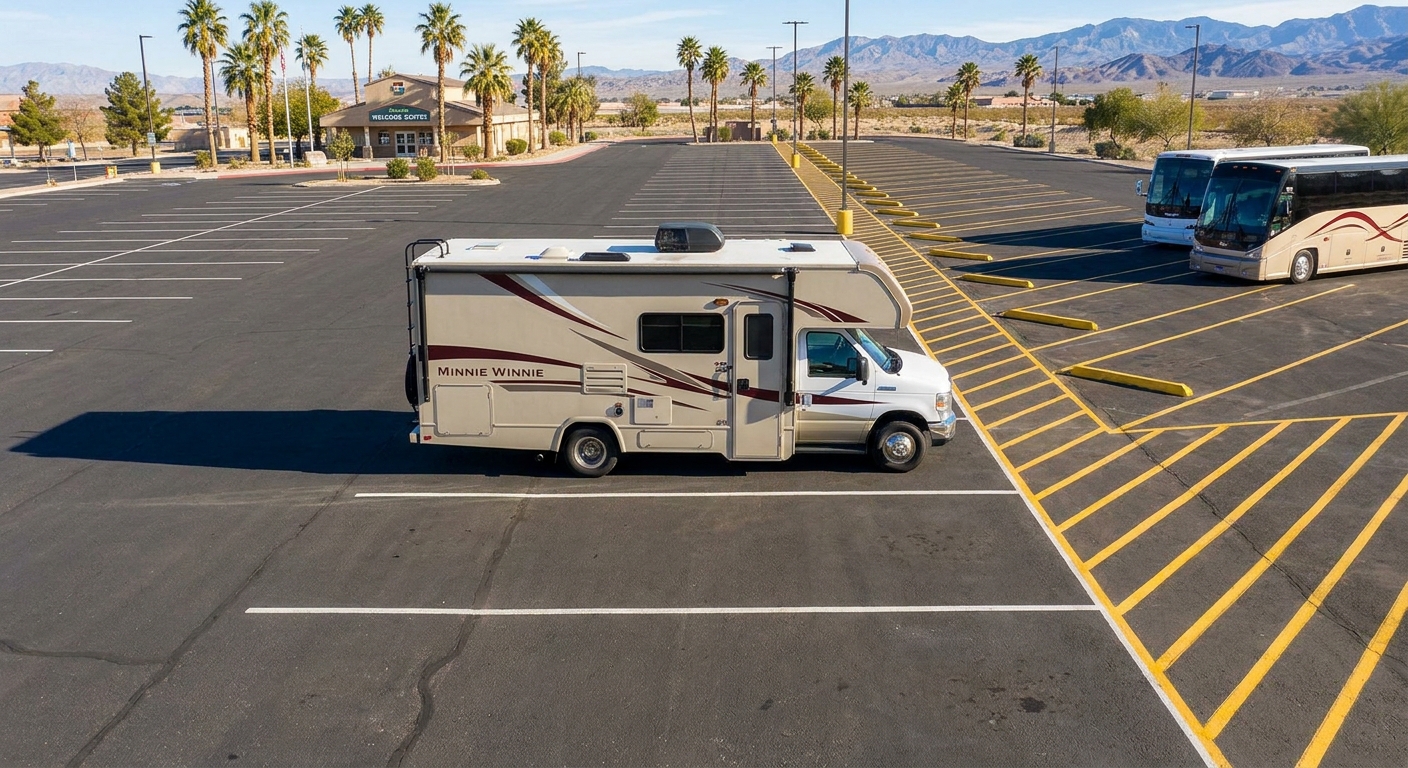
For day trips, parking is the whole game. “There is parking” can mean 18 compact spots behind a café. What you want is parking that lets you pull in, pull out, and not block anyone’s Saturday.
My RV-parking checklist
- Can I fit without taking multiple spaces? If the answer is “maybe,” I keep looking.
- Are there marked bus or oversized spaces? That is usually the green flag.
- Is the entrance a tight turn with curbs or a gatehouse? Gatehouses can be surprisingly narrow.
- Is there a turnaround if the lot is full? I want an escape route.
- What is the surface? Gravel is fine, soft grass after rain is a different story.
- Are there propane rules? Some garages, tunnels, ferries, and covered routes have restrictions. If you travel with propane on board, it is worth asking before you arrive.
Build a low-stress loop
I like to design oversized-vehicle days as loops, not pinballs, meaning not bouncing from point to point across town. The goal is fewer left turns across traffic, fewer surprise one-ways, and fewer moments where your only option is to commit to something you cannot reverse.
The spacious loop formula
- Start at your base lot on the edge of your target zip code.
- Do one anchor stop with known oversized parking (park, zoo, museum).
- Choose lunch where the parking is the feature, not an afterthought. Diners on state highways are often perfect for this. If you need ideas, browse Mapping the Classic Diner Route on State Highways.
- Add one scenic or quirky detour that has a pull-off or roomy lot, not street parking. Try Mapping Quirky Roadside Attractions by Zip Code.
- End somewhere easy, ideally back at the same base lot so you are not threading the needle at dusk.
If you love the “radius day trip” approach, you can still do it with an RV. Just keep your radius modest so you are not forced onto unfamiliar roads to make timing work. My general planning method is in How to Plan a 5-Mile Radius Day Trip From Any Zip Code, and for RV days my personal cap is about 5 miles unless I am staying on major roads. In rural areas, or when I am mostly on interstates and big state highways, I will stretch it.
Calls that get real answers
I am a big fan of quick phone calls for oversized trips because websites often skip the details that matter to you.
What to ask in under a minute
- “Do you have RV or bus parking, and where is the best entrance to use?”
- “What is the clearance at your entry gate or garage?”
- “If your main lot is full, where should oversized vehicles overflow?”
- “Is there a turnaround if we cannot fit or if the lot is full?”
If they hesitate, I ask for a nearby landmark they would use for GPS. Then I build my route to that point first, not to the front door.
Day-of habits that help
Even a perfect plan benefits from a few guardrails on travel day.
- Arrive earlier than you think: Oversized-friendly spaces are limited and they go first. If I can arrive before 10 a.m., I try.
- Time your moves: If you can, avoid commuter rush and school pickup windows. They turn simple merges into a whole thing.
- Use a spotter mindset: If you have a second person, have them hop out for tight lot entrances, low limbs, and weird curb angles.
- Skip garages, period: If parking requires a ramp, a ticket booth, or a “clearance” sign, I treat it as a no.
- Keep a backup stop in the same direction: If your first choice is packed, you do not want to cross town to improvise.
Sample day plan
If you like seeing it laid out, here is a simple structure you can plug any zip code into:
Morning
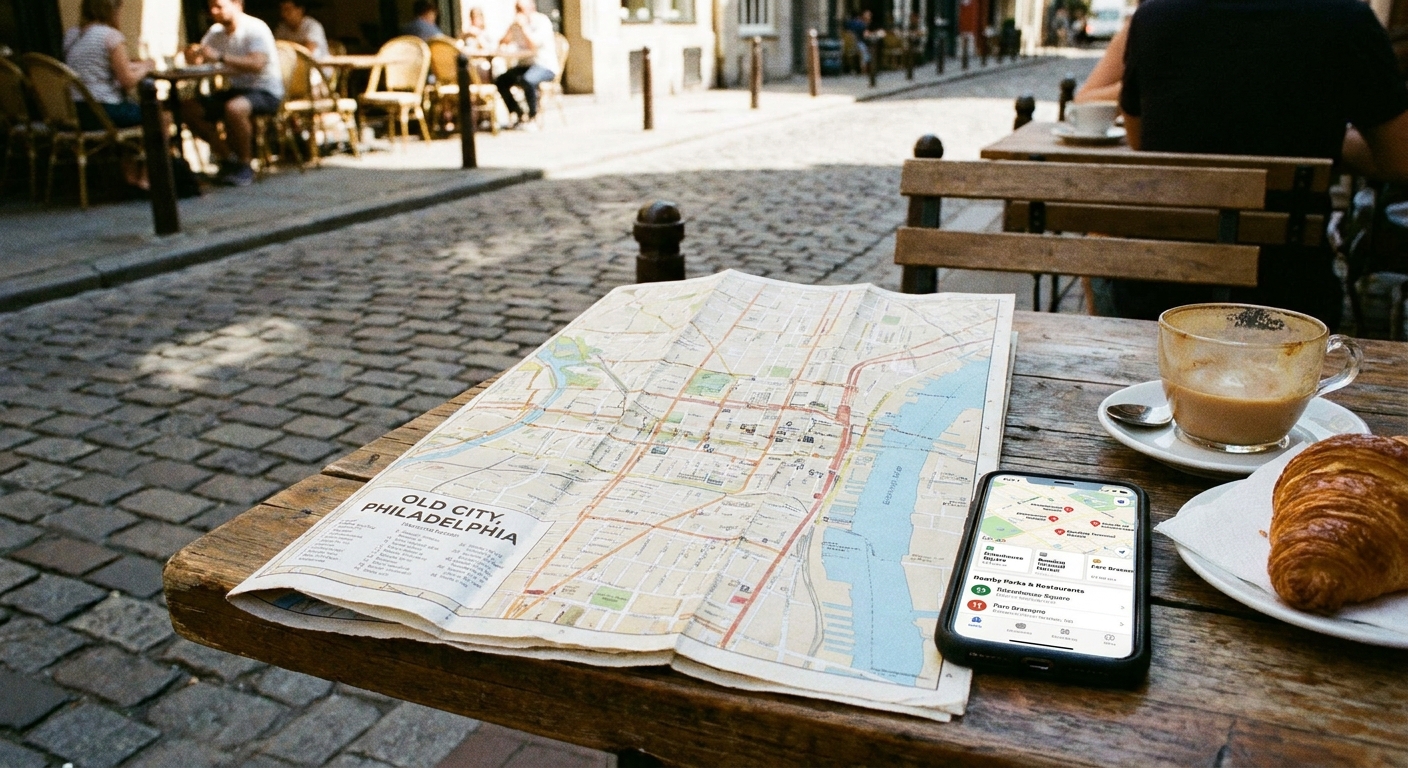
- Base lot on the edge of the zip code, quick coffee and reset the navigation.
- Anchor attraction with oversized parking (park, zoo, large museum).
Midday
- Lunch on a highway corridor or in a shopping center with easy pull-through parking.
- One short walk or viewpoint where you can park without street maneuvering.
Afternoon
- Scenic drive segment with known pullouts.
- Optional quick stop for local shopping only if you have confirmed parking. If you want the “support local” version of this, keep it to places with lots, not curbside spots. My general approach is in Map a Support-Local Shopping Spree by Zip Code.
Exit
- Return to base lot, do a quick systems check, and leave town on the same “big road” you came in on.
Common mistakes
“The map says it is fastest”
Fastest for a sedan can be worst for an RV. Favor simple roads over clever shortcuts, even if it adds a few minutes.
“We will just park on the street for a minute”
That “minute” turns into a traffic problem fast. If a stop does not have a real lot, make it a walk-from-base-lot stop or skip it.
“We will figure it out when we get there”
This works for ice cream flavors. It does not work for bridge clearances, weight limits, or one-way downtown grids.
FAQ
Is a camper van easier than an RV?
Usually, yes. But the same planning rules apply. You are still taller than most vehicles, and some downtown areas are stressful even in a van.
How do I keep it zip code based if I avoid downtown?
I use the zip code as the theme and the anchor, not a strict boundary. Your base lot can sit just outside the target zip code, then you explore the best oversized-friendly pieces inside it.
What is the easiest meal stop?
Classic diners and casual spots on state highways tend to be the least complicated, especially when they share a lot with other businesses. For food-finding tactics, I use the same method in Find Hidden Gem Restaurants With a Zip Code, then I filter hard for parking.
If you take one thing from this: plan parking first, then plan fun. Once you know where you can comfortably put the rig, the rest of the day trip becomes what it should be, a relaxed little adventure in a zip code you might have driven past a hundred times.