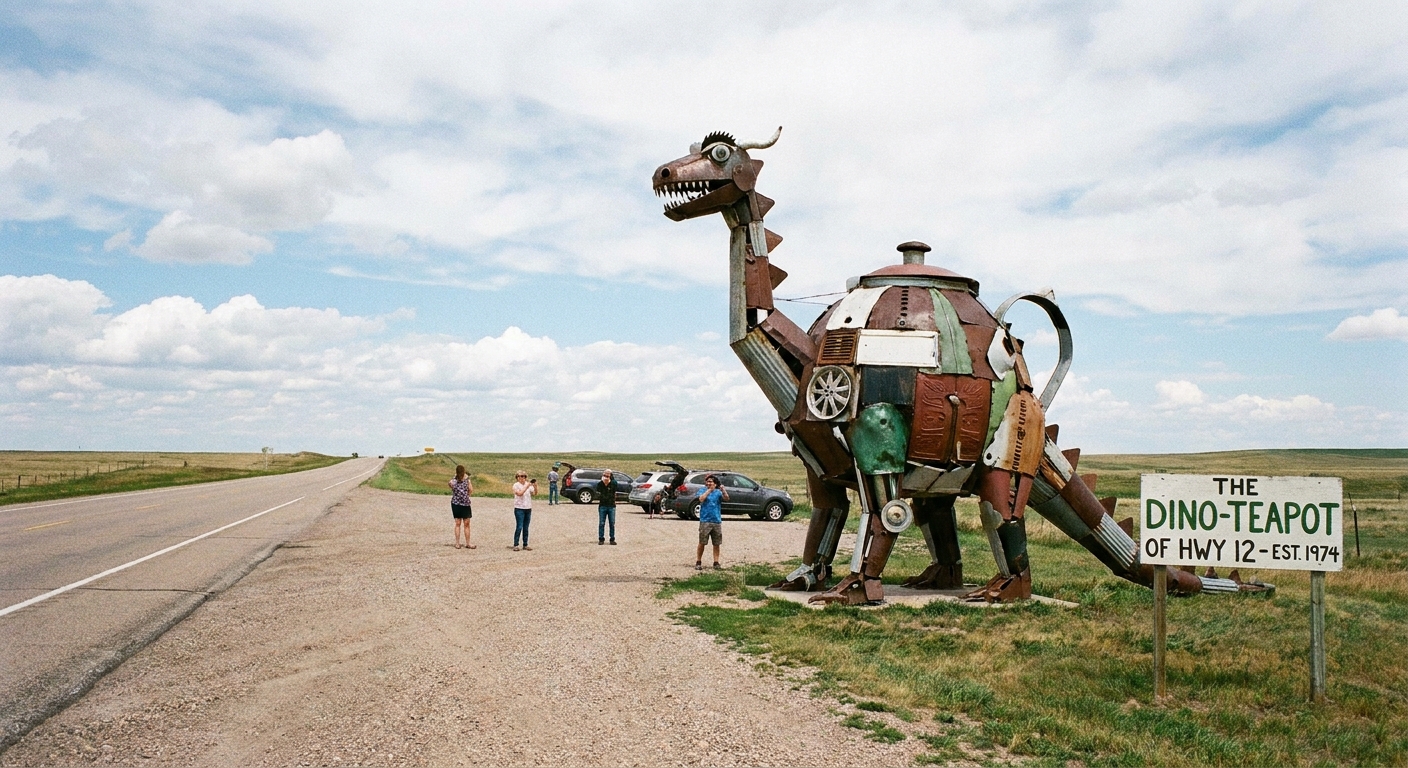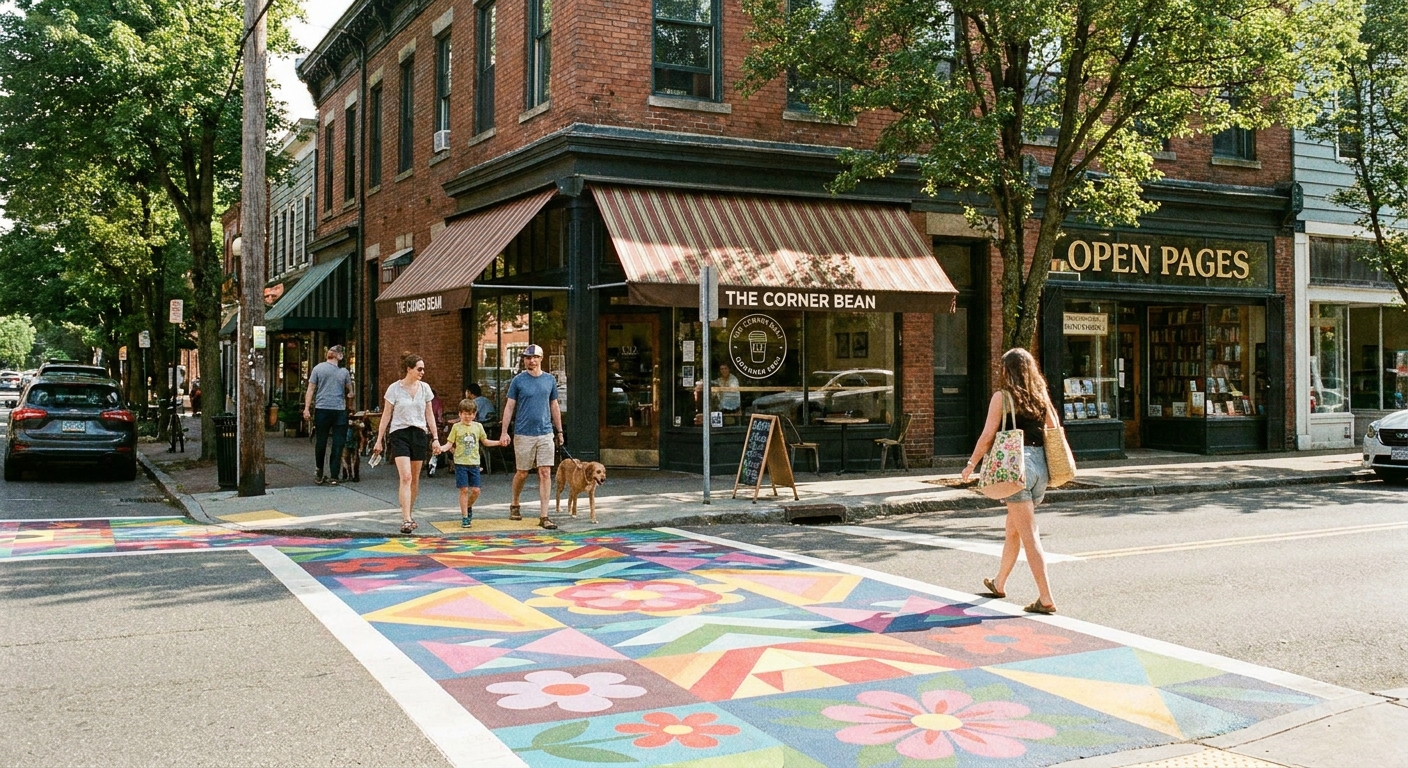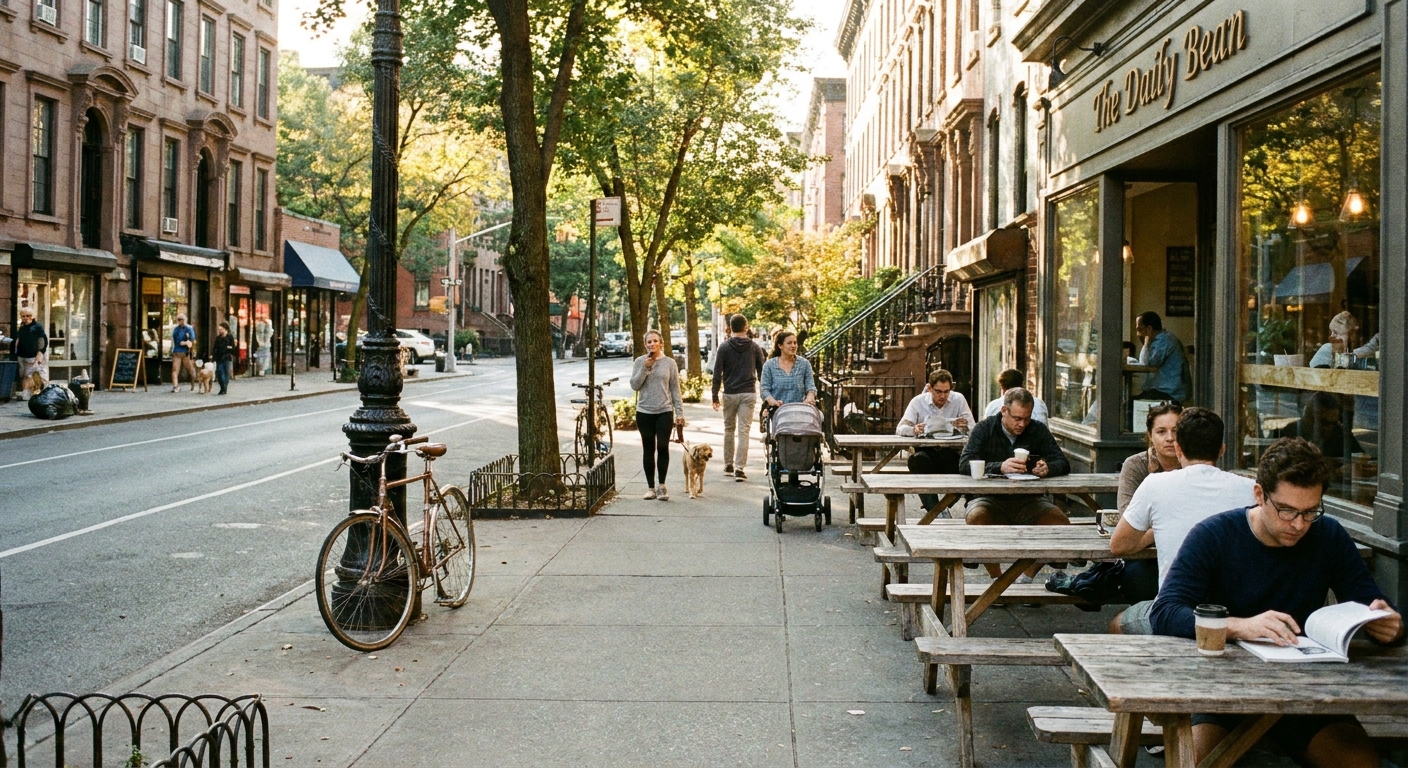

I learned to love drive-by art the way a lot of military kids learn to love new towns: fast. New zip code, new school, new errands, and my brain immediately scanning for color. A mural peeking over a brick wall. A painted utility box outside a corner store. A quilt square bolted to a barn like a bright little flag that says, “You made it to the good part.”
That is the whole magic of a drive-by art tour. You are not committing to one museum, one admission fee, or one parking nightmare. You are building a continuous route where the scenery is the gallery, and the “exhibits” are spread across neighborhoods and backroads on purpose.
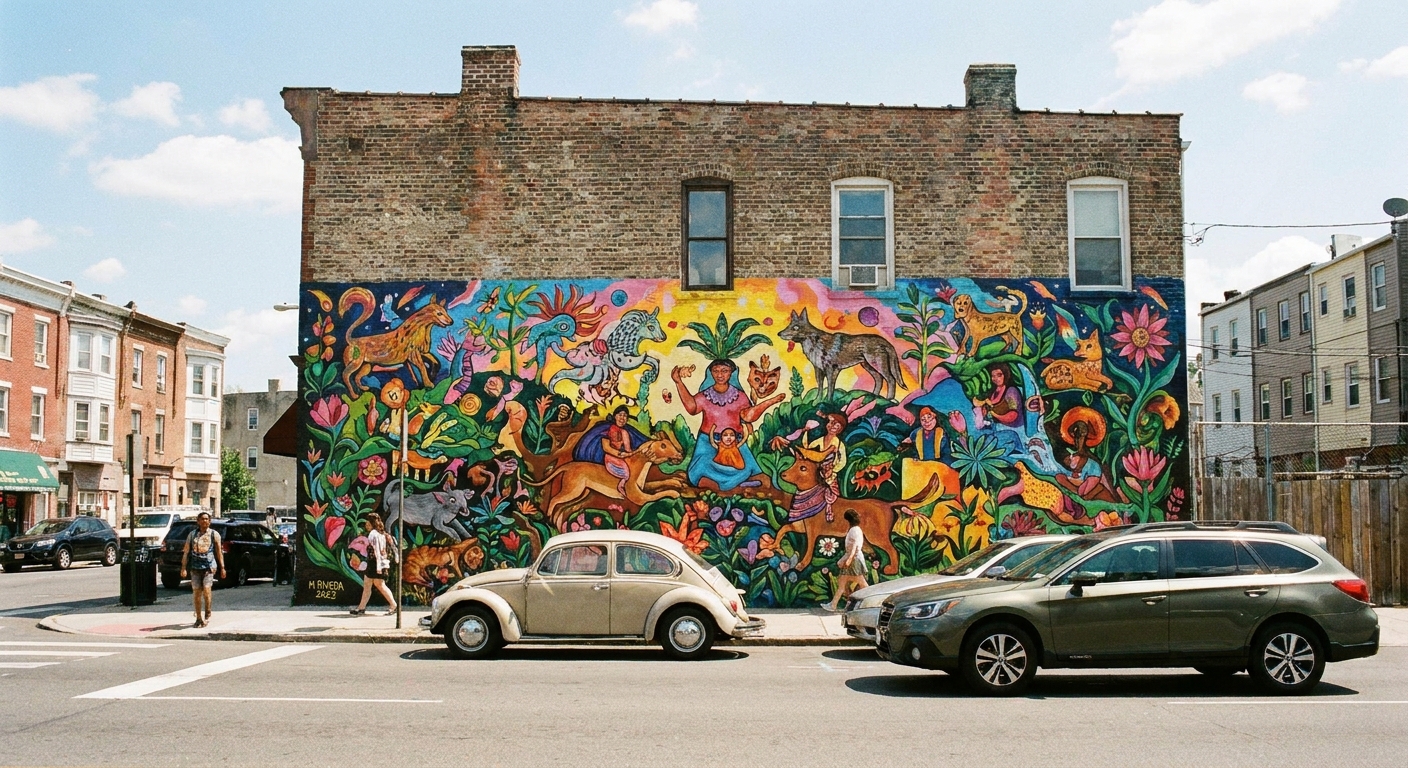
What counts as drive-by art?
The best routes mix big wow moments with quick hits you can enjoy in under five minutes. Here is what I look for when I am curating a full-day loop.
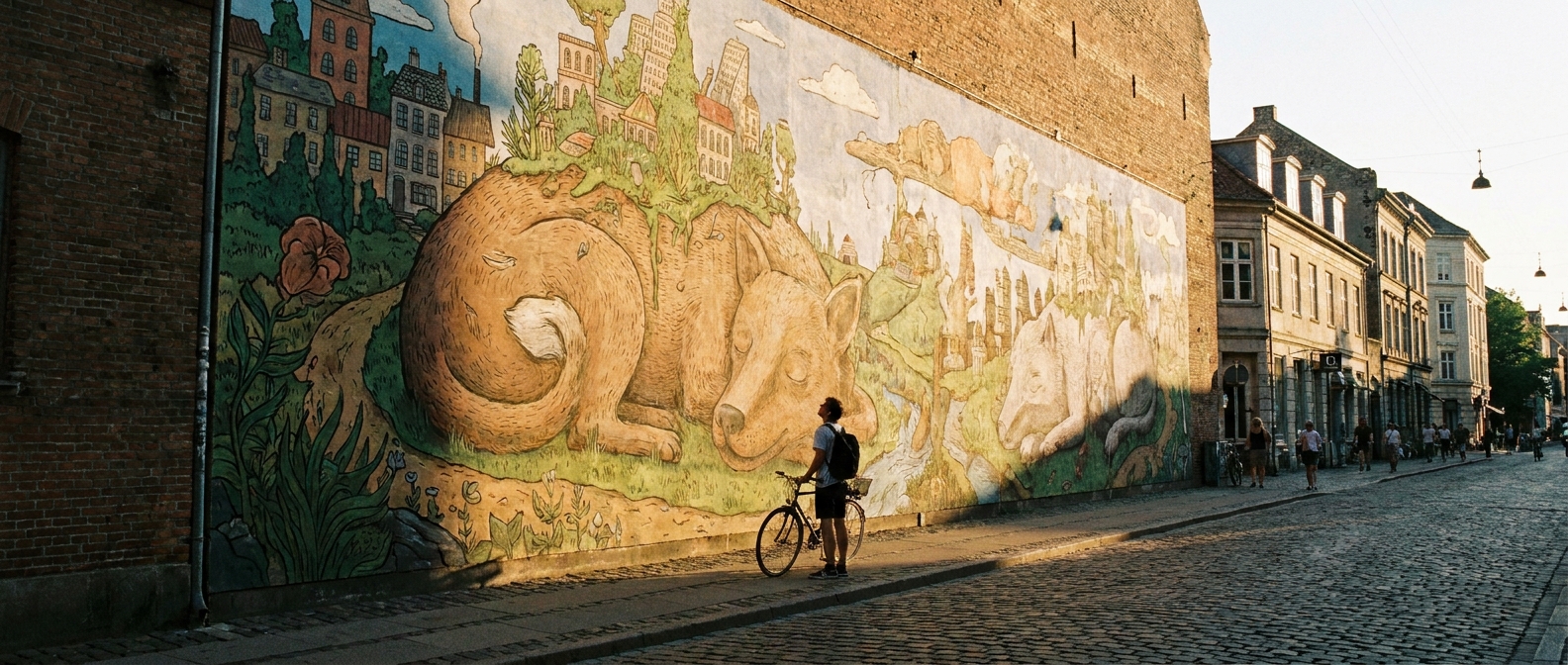
- Murals: Downtown alley walls, brewery exteriors, underpasses, school walls, and waterfront retaining walls.
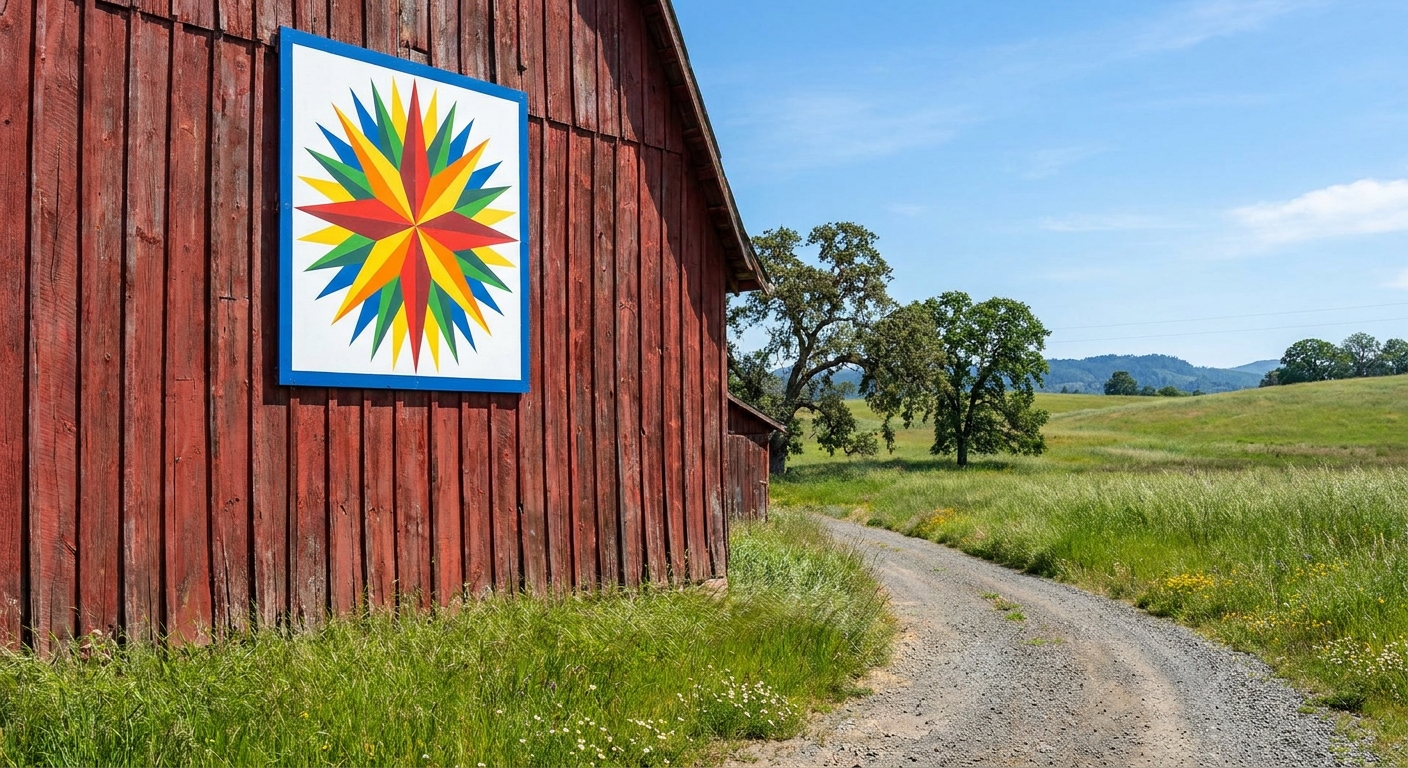
- Barn quilts: Painted quilt blocks mounted on barns, sheds, silos, and sometimes town halls. They are perfect for rural stretches where murals are rarer.
- Street art clusters: Legal graffiti walls, arts districts, and blocks where multiple businesses lean into public art.
- Outdoor sculptures: Roundabouts, pocket parks, trailheads, courthouse lawns, and riverside promenades.
- Utility box art and mini-murals: The small stuff that turns a simple walk from your car into a scavenger hunt.
My rule: if it can be enjoyed outdoors without needing a ticket or a strict schedule, it belongs on a drive-by art tour.
Start with one zip code
To keep the day from turning into a zigzag mess, I start with a single “anchor” zip code and branch outward like petals, so I am not crisscrossing town all afternoon.
Pick your anchor zip code
Choose one zip code that has at least three of the following:
- A mural district or walkable downtown
- A coffee shop you actually want to sit in
- A park, riverwalk, or scenic overlook
- At least one reliable lunch option
If you are brand new to building trips this way, it helps to read Plan a Local Day Out Beyond a Zip Code first. It is the mindset shift from “destination” to “day design.”
Build a chain of nearby zip codes
Once you have your anchor, choose 3 to 8 surrounding zip codes that create a clean shape on the map. I like a loop with one or two “spokes” for optional detours. If you need help thinking in radius terms, How to Plan a 5-Mile Radius Day Trip From Any Zip Code is my go-to method.
Rule-of-thumb distance targets:
- Half-day: 15 to 35 miles of driving total (more doable in smaller towns than traffic-heavy metros)
- Full-day: 40 to 90 miles total (adjust down if parking and congestion are part of the day)
- Road trip day: 100 to 180 miles total, best with two art clusters and a rural connector in between
How I find art stops
This is the part that feels like treasure hunting, because it is.
Murals and street art
- Search by neighborhood, not city: “arts district,” “warehouse district,” and “riverfront” often reveal official mural programs and dense clusters.
- Check social maps when available: Many mural festivals maintain a map, sometimes updated, sometimes a little archived. Both can still be useful if you build in backups.
- Look for business walls: Coffee roasters, breweries, vintage stores, and record shops love murals because they photograph well.
Barn quilts
Barn quilts are often organized by county or regional trail groups, but I also see them tied to local quilt guilds, arts councils, and tourism offices. The practical move is to hunt for an existing barn quilt trail in the area you are visiting, then pull individual stops into your route.
If you want a solid overview of what barn quilts are and why they are placed where they are, the American Quilt Study Group has helpful background reading: https://www.americanquiltstudygroup.org/.
Outdoor sculptures
- Search “public art collection” + city name: Many cities publish lists of installations.
- Use parks as anchors: Sculpture gardens and riverwalks make great midday reset points.
- Check roundabouts and civic buildings: Weirdly reliable for unexpected pieces.
Map it like a route
A drive-by art tour fails for one reason: you collect too many pins without designing the order. Your goal is a route that flows.
My simple mapping workflow
- Drop pins for every art piece you might want. At this stage, be generous.
- Sort pins into clusters by zip code. This is where the day starts to feel clean and intentional.
- Choose one “hero stop” per cluster. The biggest mural wall, the most photogenic barn quilt, or the sculpture park.
- Add two practical stops per cluster: one bathroom option (coffee shop, grocery, park) and one snack or meal option.
- Connect the clusters with the least stressful roads. Scenic beats fast if fast is stressful.
If you prefer walking-heavy segments inside your drive day, pair this with Map a Self-Guided Walking Tour With Zip Code Boundaries. I like doing one 45-minute walkable mural loop midday, then returning to short drive-by stops.
Drive-by pacing
- Plan for 8 to 14 art stops in a full day, depending on driving distance.
- Assume 5 minutes per quick stop and 20 to 60 minutes for one walkable cluster.
- Schedule a sit-down break every 2 to 2.5 hours. Coffee, lunch, or a park bench counts.
Turn it into an itinerary
Here is a structure that works almost anywhere, whether you are in a small town or bouncing between neighborhoods in a bigger metro.
Morning
- Start at your anchor zip code.
- Grab coffee within walking distance of 2 to 4 murals.
- Do your highest-energy walking loop first while you are fresh.
Midday
- Add a park, overlook, or riverwalk stop.
- Lunch somewhere local, ideally in a building with character.
- If you need help finding the kind of mom-and-pop places that make the day feel personal, I use the same tactic I describe in Find Hidden Gem Restaurants With a Zip Code.
Afternoon
- Shift to rural connectors where barn quilts shine.
- Keep stops short and frequent. Barn quilts are best as a rolling series of small delights.
- Work in one “bonus” stop: a farm stand, a general store, or a roadside viewpoint.
Late day
If you have one mural that faces west, save it for late day. Warm light makes even a simple painted wall look cinematic.
Practical tips
Parking is part of the map
For each cluster, I pick a single parking spot that can serve multiple pieces. I would rather walk three extra blocks than hunt for parking three times.
Respect private property
Many barn quilts are on private land. Enjoy them from the road or shoulder unless signage clearly welcomes visitors. Do not block driveways, and keep noise down. The goal is to keep these trails friendly for everyone.
Shoulder safety matters
For rural stops, I only pull off where it is clearly safe. Avoid blind curves, narrow shoulders, and soft ditches. If you cannot stop safely, treat it as a true drive-by and keep rolling to the next one.
Bring the drive-by art kit
- Phone mount and charger
- Sunglasses for spotting murals in bright light
- Water and wipes (painted alley walls can be dusty zones)
- Binoculars if you love barn quilts mounted high on silos
- A notepad or notes app for saving the artists’ names
Check hours for the practical stuff
The art is usually “open” all day. Bathrooms and coffee are not. I do a quick hours check for my planned restroom stops, especially on Sundays and in small towns.
Know when to walk
Any time you have three or more stops within a half-mile, park once and walk. It keeps the day feeling like an adventure instead of a chore.
Make it cohesive
Your route will probably include a hyper-modern abstract mural, a historical tribute wall, and a barn quilt that looks like it belongs in a storybook. That is good. To keep it cohesive, give yourself a theme.
- Color hunt: Pick a color and choose stops that feature it.
- History trail: Focus on murals that depict local industry, immigration, music, or sports legends.
- Backroads folk art: Prioritize barn quilts, hand-painted signs, and rural sculpture gardens.
- Waterfront art day: Only stops within a set distance of a river, lake, or coast.
When I am feeling extra nerdy, I also layer in historical markers near art walls. If that is your thing too, you will like Find Historical Markers By Zip Code.
A sample rhythm
This is not a one-size-fits-all route, but it is a one-size-fits-most rhythm. Swap in your own zip codes and stops.
- Stop 1 (Anchor zip code): Coffee + 3 murals within walking distance
- Stop 2 (Neighboring zip code): Sculpture park or riverwalk loop
- Stop 3 (Neighboring zip code): Lunch + a big “hero mural”
- Stop 4 (Rural zip code): 3 to 6 barn quilts along a quiet road segment
- Stop 5 (Connector zip code): Farm stand or classic diner snack
- Stop 6 (Return zip code): Late-day mural and an easy dinner option
If you want to keep your driving segments interesting, I also love pairing art tours with the pit-stop strategy in Road Trip Pit Stops By Zip Code. Think of it as adding little palate cleansers between art clusters.
FAQ
How many stops is too many?
If you are getting back in the car every five minutes in a dense area, it starts to feel silly. In cities, fewer parking moves and more walking keeps momentum. In rural areas, quick stops are fine because the driving is part of the experience.
What if a mural is gone?
It happens. That is why I always map backups in the same zip code cluster. Street art is living art. Treat the surprise like part of the story.
How do I avoid backtracking?
Design a loop. Even if it is a lopsided loop. If you must do an out-and-back for a special mural, make that your “spoke” and plan a reward at the far end, like a scenic overlook. For overlook ideas, I keep a running list of tactics in Find Scenic Overlooks By Zip Code.
Is this kid-friendly?
Very, if you build in parks and snack breaks. Kids also love barn quilts because they feel like a game of “spot the square.”
My finishing touch
At the end of the day, I save a short note in my phone with three things: the coolest wall, the best snack, and one zip code I would gladly revisit. It turns a random Saturday drive into a memory you can actually pull back up later.
That is the point of the drive-by art tour. You are not just chasing photo ops. You are building a moving gallery, zip code by zip code, where the road itself becomes the exhibit hall.