

I grew up in a military family, so I learned early how to land somewhere new and find my bearings fast. My shortcut was always the same: pick a small slice of the map, then go meet it one storefront at a time. These days, that slice is a ZIP code. In many towns and city neighborhoods, a ZIP code is just big enough to hold a handful of great mom-and-pop shops and a coffee stop, and just small enough that you can actually park once and walk. (If you are in a rural area, your ZIP might be huge. You can still use the same method, you will just focus on one tight node inside it.)
This is how I map a “support local” shopping spree that stays exclusively inside a targeted ZIP code, with strategies to find the real clusters: indie boutiques, makers, bookstores, plant shops, bakeries, and farmers markets that feel like they belong to the neighborhood.
Start with the ZIP code boundary
If you build your list first, you will accidentally collect addresses that are “basically nearby” but technically outside your ZIP code. I do the opposite.
- Lock in the ZIP code you want to explore. This could be where you live, where you are staying, or a totally random pin-on-the-map pick.
- Confirm the ZIP boundary before you get attached to any specific store. ZIP codes can zigzag in ways that surprise you, especially near city edges.
- Make the boundary your rule: if it is outside the ZIP, it is for another day.
One quick reality check, because it matters: ZIP codes are a USPS mail-delivery system, and many maps show approximate shapes (often based on Census ZIP Code Tabulation Areas). The fix is simple: pick one boundary tool and stick with it for your whole plan, so you are consistent from stop one to stop six.
If you are still deciding how to search, bookmark this explainer on city name vs ZIP code search. It will save you from the classic “same city, wrong area” mix-up.
How to find local clusters
You are not hunting for a single cute shop. You are hunting for a walkable concentration. Here are the most reliable cluster-finders I use.
1) Use the three-anchor method
Pick three anchors that tend to attract small businesses, then look for overlap within your ZIP code:
- Main Street style corridors: streets with older storefronts, parallel parking, and a steady trickle of cafes.
- Neighborhood commercial nodes: the few blocks around a well-known intersection, roundabout, or transit stop.
- Weekly gathering points: farmers markets, public markets, community centers, and waterfront promenades.
Once you find one anchor, search what is within a 5 to 10 minute walk of it. Clusters reveal themselves fast when you think in walking time, not miles.
2) Search by what locals call it
Indie businesses often tag themselves with neighborhood names, even when their mailing address is the ZIP code you are targeting. When you search, combine:
- ZIP code + “boutique”, “vintage”, “bookstore”, “gift shop”, “plant shop”, “record store”
- ZIP code + neighborhood name (the name locals use, not always the official one)
- ZIP code + “makers market”, “pop-up”, “artisan”
Where do you get those local names? I steal them from what I see on the ground: historic district plaques, neighborhood association banners, business improvement district signs, and whatever name shows up on a cluster of shop window decals.
Then verify every promising address is still inside the ZIP boundary.
3) Find the farmers market, then map outward
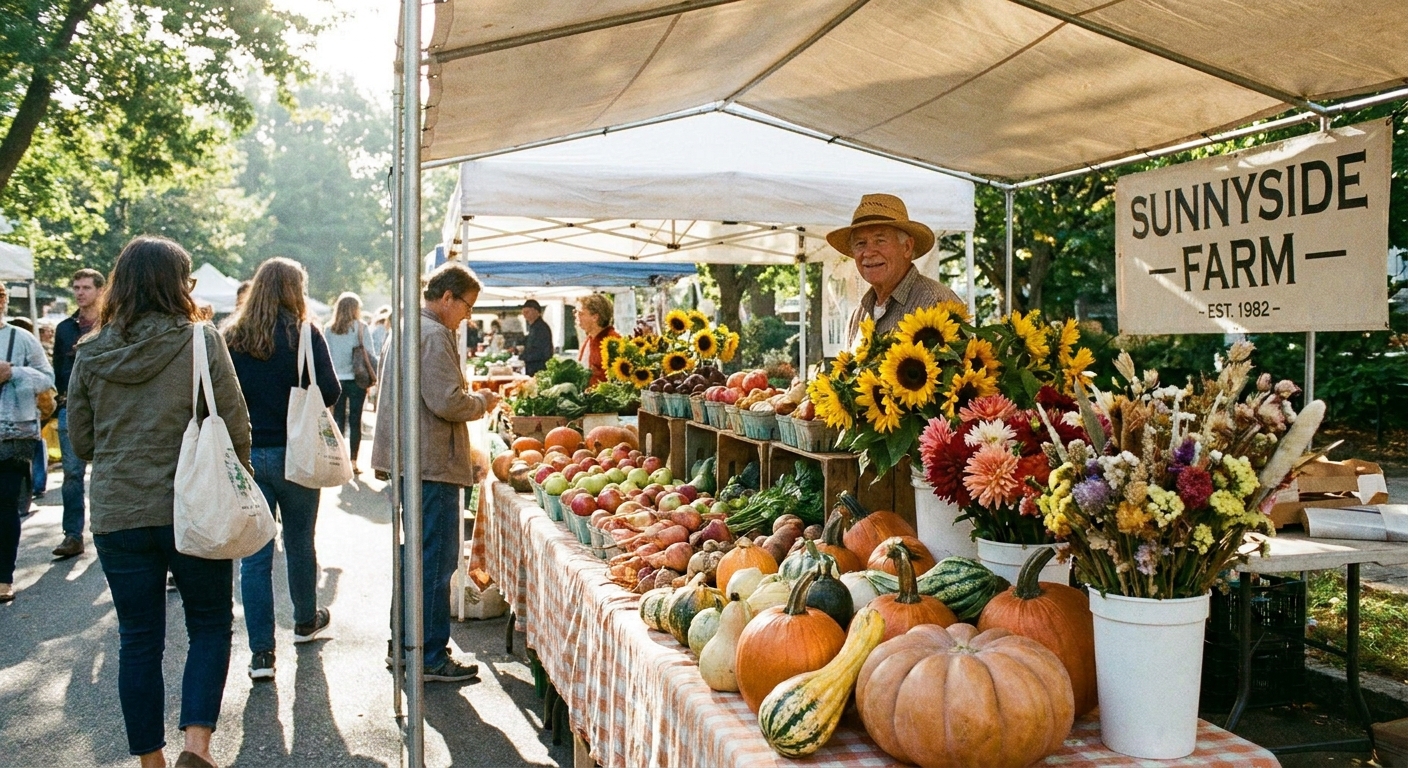
Farmers markets are magnets for local. If your ZIP has one, it often (not always) sits near independent cafes, bakeries, and little specialty stores that benefit from foot traffic.
If you are in the U.S., the USDA directory is a straightforward way to confirm market names and operating days: https://www.ams.usda.gov/local-food-directories/farmersmarkets. Listings can lag real life, so I still do a quick double-check on the market’s own site or social page before I commit my morning to it.
4) Use open now filters carefully
“Open now” is helpful for last-minute planning, but it can hide the best local spots if you are searching at an odd time. My workaround:
- Search without “open now” first to build the candidate list.
- Then check hours on each business website or recent posts.
- Finally, build your route around the strictest hours, usually markets and small specialty shops.
- If you are using reviews to confirm hours, prioritize the past 30 to 90 days.
Build a route that feels fun
The sweet spot for a “support local” spree is 3 to 6 stops plus food. More than that and you start speed-walking past the good stuff.
My favorite ZIP-only route formula
- Coffee first (you will linger and get your bearings).
- One browse-heavy shop (books, vintage, home goods, record store).
- One mission shop (specialty grocery, spice shop, refill store, stationery, toy shop).
- Lunch (counter service keeps the day moving).
- Market or maker stop (farmers market or local artisan shelves).
- One treat (bakery, chocolate, ice cream) for the walk back to the car.
Keep your walking loop tight
When I want the day to feel effortless, I plan a loop instead of an out-and-back line. If you like this style of planning, you can borrow the same tactic from my day-trip method in how to plan a 5-mile radius day trip from any ZIP code, just scaled down to a neighborhood.
Pick one buying intention
This is my anti-overbuy trick: before you go, choose one category you are actually excited to bring home. A host gift. A pantry restock item. One plant. Something for your desk. You can still browse everywhere, but you will shop on purpose instead of collecting random little things that felt charming for eight minutes.
Quick ways to vet local
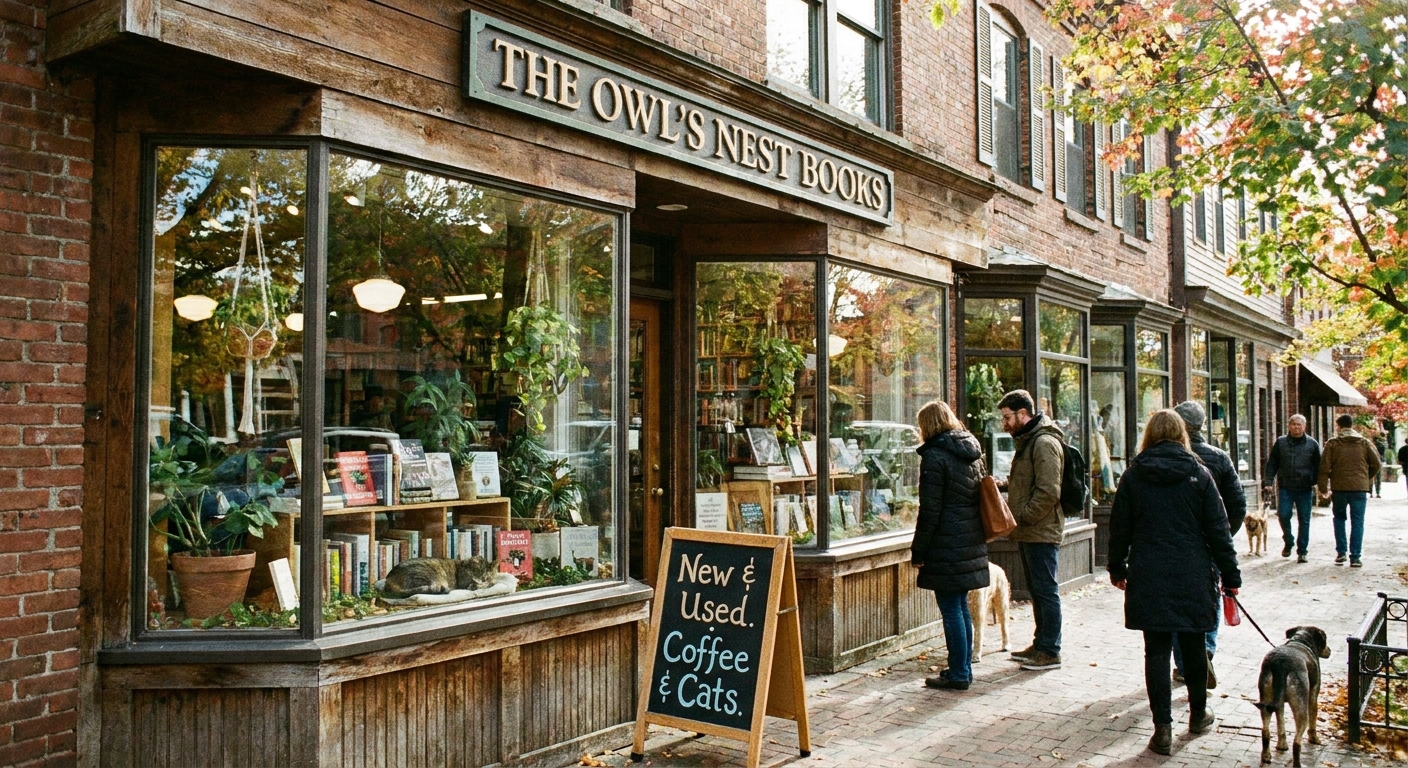
Not every cute-looking shop is locally owned. And honestly, you do not need to interrogate anyone. A few gentle signals usually tell the story.
- Look for a single-location footprint: one address, one neighborhood voice.
- Check the About page: family names, origin story, community involvement. Chains rarely bother.
- Scan the product mix: consignment racks, local maker shelves, regional food items, hand-written signage.
- Notice partnerships: flyers for other neighborhood events, collaborations with nearby cafes, pop-up weekends.
If you want your local day to be food-forward, pair this shopping plan with my approach to finding great eats nearby in find hidden gem restaurants with a ZIP code.
Timing tips
Plan around the small business hours gap
Indie shops often open later and close earlier than big retailers, and some close for lunch or run limited weekend hours. To avoid showing up to locked doors, I do this:
- Start with the earliest opener (often a cafe or bakery).
- Schedule markets mid-morning when selection is best and parking is not yet chaotic.
- Put appointment-based places first (piercing studios, tailoring, salons, classes) if you have any.
- Save browsing for afternoon when you can take your time.
Have a weather plan
One reason I love ZIP-sized outings is how easy it is to pivot. If it is raining:
- Swap outdoor market time for a bookstore, antique mall, or indoor public market if your ZIP has one.
- Park once and pick shops clustered on the same couple blocks so you are not dash-running across town.
Parking and carrying
A shopping spree is only fun if you are not hauling bags like you are moving out. A few practical habits help:
- Park once, walk the loop. If the ZIP has a downtown core, commit to it.
- Bring one reusable tote and one insulated bag if you plan to buy food items or flowers.
- Do fragile last: candles, ceramics, bakery boxes, anything that hates heat.
- Ask about holding: many small shops will hold a purchase behind the counter while you keep browsing nearby.
Make it accessible
If long walks are not your thing (or not possible), you can still keep the day ZIP-only without turning it into a grind:
- Choose a denser core: aim for a two-block cluster, not the whole corridor.
- Build two short loops: do a small loop, take a sit-down break, then do a second small loop.
- Use one home base: a cafe makes a great reset spot (and a reliable restroom plan).
- Mix in low-walk stops: curbside pickup, a single browse stop, and one market table stroll can be plenty.
Make it feel like a neighborhood day
The best “support local” days have little moments that anchor you to the place. Inside a single ZIP code, I like to add one mini experience:
- A 20-minute park break with your coffee between stops.
- A quick photo walk on the most interesting block.
- A snack you only buy here, like a regional pastry or a house-made soda.
If you want to go full map-nerd in the best way, you can build a walk using boundaries in map a self-guided walking tour with ZIP code boundaries, then plug your shops into that route.
ZIP-only shopping checklist
- Confirm the ZIP boundary first (and stick to one boundary tool).
- Find 1 to 2 anchors (main corridor, market, intersection).
- Pick 3 to 6 stops within a tight walkable area.
- Verify hours for the smallest businesses.
- Plan a loop route and a single parking plan.
- Choose one buying intention so you do not overbuy.
- Keep one backup shop in the same ZIP in case something is closed.
FAQ
How do I avoid accidentally leaving the ZIP code?
Choose one core cluster, then keep every stop within a 10 to 15 minute walk of your starting point. ZIP boundaries can cut oddly near highways and rivers, so double-check any business that sits near the edge before you add it to your list. And since ZIP boundaries can be represented a few different ways, stick with one map source for the whole day.
What if the ZIP code is mostly residential?
Then treat it like a two-anchor day: find one small commercial corner plus a weekly market or community event. If there is truly no retail cluster, I will switch the plan to food plus a walk and save shopping for a ZIP with a stronger business strip. You can still keep it neighborhood-focused with ideas from plan a local day out beyond a ZIP code.
How many stops is realistic?
For a relaxed day: 4 stops plus coffee and lunch. For a high-energy day: 6 to 8 stops, but only if they are tightly clustered and you are not driving between them.