

I learned to road trip with a dog the same way I learned to road trip as a kid in a military family: assume you will need a bathroom break sooner than you think, keep a backup plan, and never bet the whole day on one stop. The difference is that your copilot cannot say, “I’m fine,” and then suddenly not be fine.
The good news is that a dog-friendly road trip is one of the easiest micro-trip upgrades you can make with a map. By micro-trip, I mean anything from a half-day drive to an overnight hop where you still want the travel day to feel enjoyable. Instead of “drive three hours, then arrive,” you build a continuous chain of stops: off-leash time, a sniffable nature walk, a patio lunch, a shady stretch break, and a safe place to decompress at the end. Here is exactly how I map it, using zip codes as my organizing backbone.
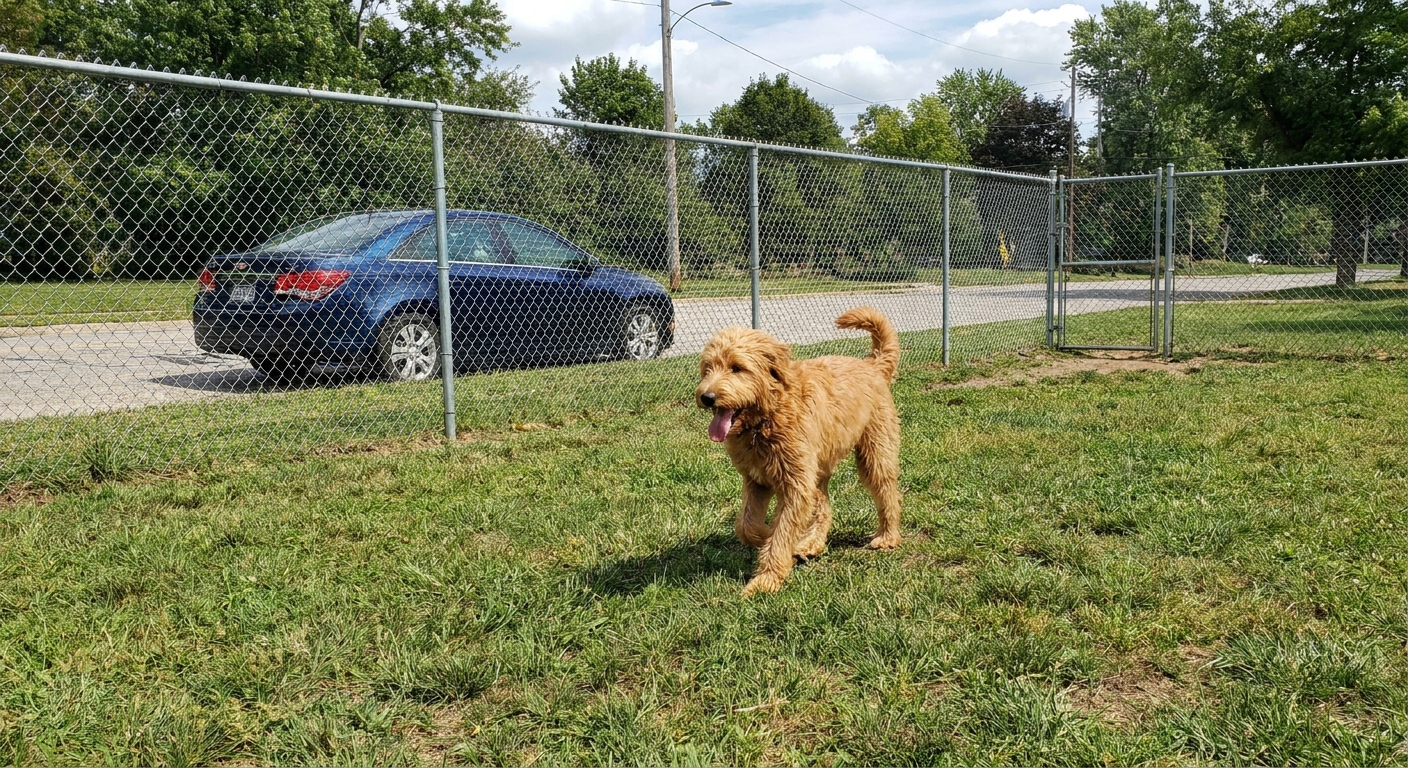
Start with a dog-first route
If you plan the “fun stuff” first, your dog’s stops get squeezed into whatever is left. Flip it. Lay down the dog essentials, then build the rest of the day around them.
The three non-negotiable stop types
- Off-leash release valve: a fenced dog park or secure off-leash area where your dog can sprint, shake off nerves, and actually use their body.
- Sniff walk: a quieter trail, greenway, or big neighborhood park for decompression. For many dogs, this is more calming than a busy dog park.
- Pet-welcoming food stop: a patio or outdoor counter-service spot so you can eat without leaving your dog in the car.
Once those are pinned to the map, everything else is easier to time and far less stressful.
If you want a quick refresher on building a day around one area, my radius method works great for dog stops too. Start here: How to Plan a 5-Mile Radius Day Trip From Any Zip Code.
How I stack stops by zip code
My favorite trick is stop stacking: pick one zip code as your main hub, then choose supporting stops in the zip codes you will naturally pass through. It keeps you from zig-zagging and helps you avoid the classic mistake of finding the perfect dog park that is 25 minutes off your route.
Step 1: Choose a spine
Your spine is the main highway stretch or corridor you are traveling. Along that spine, I flag three dog-priority zones:
- First 45 to 90 minutes: quick stretch break, not a long adventure
- Midpoint: your best off-leash option of the day
- Last hour: decompression walk so you are not arriving with a wired dog
Step 2: Assign each stop a job
Every pin on your map should have a job title. If it does not, it is a distraction.
- “Run hard” (fenced, safe, room to sprint)
- “Sniff slow” (shady loop, low-stimulus)
- “Human fuel” (patio, quick service, water access)
- “Emergency backup” (second park within 10 minutes, in case the first is closed, muddy, or packed)
A quick example (hypothetical)
If I am driving from 12345 to 34567, I might build it like this:
- 12345: quick potty break before loading up
- 23456: midpoint “run hard” fenced park (primary)
- 23457: “human fuel” patio lunch near the park
- 23458: “emergency backup” green space within 10 minutes of the park
- 34567: “sniff slow” loop near where I am sleeping, so arrival is calm
It is not about memorizing zip codes. It is about using them like labeled bins, so your stops stay clustered and your timing stays realistic.
For ideas on finding low-key scenic breaks that also work as sniff walks, this pairs well: Find Scenic Overlooks by Zip Code.
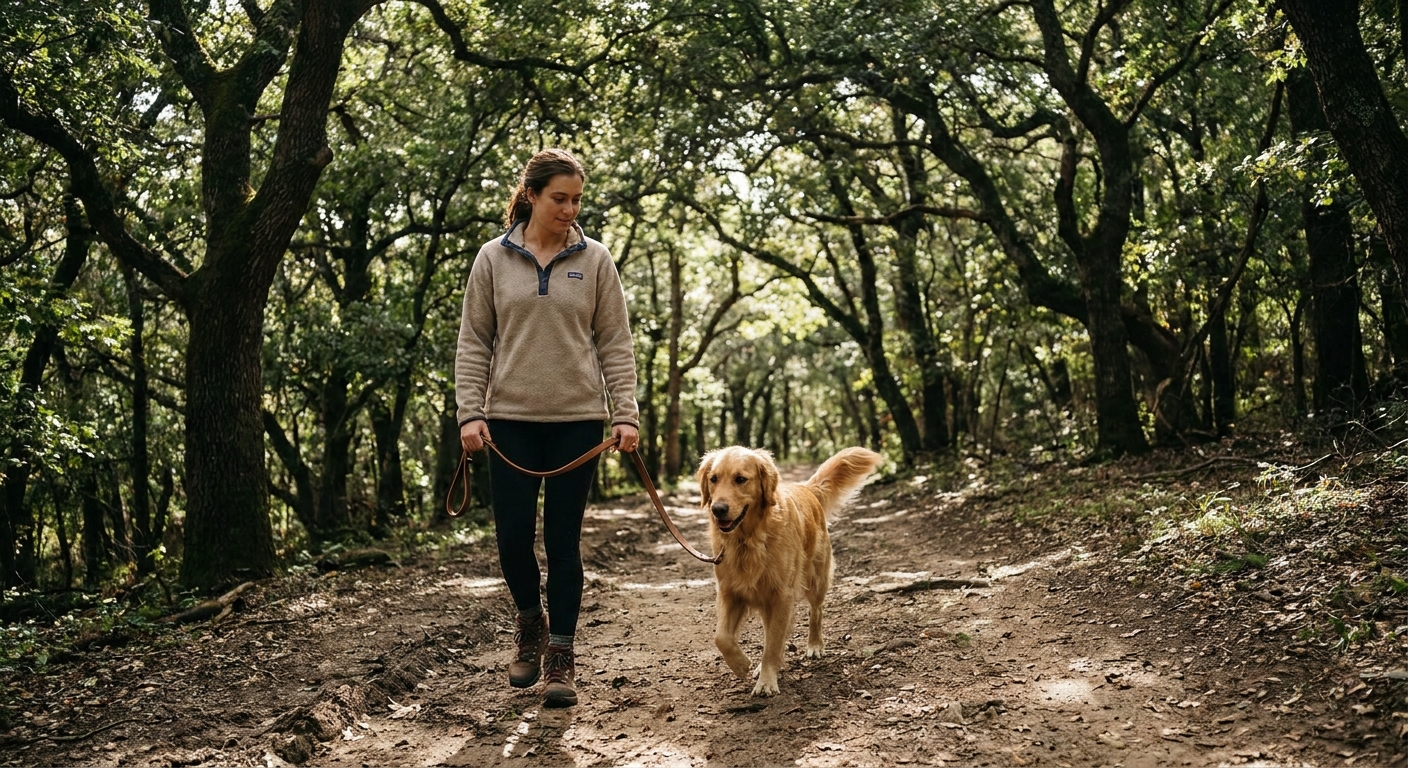
Off-leash parks that work on the road
Not every dog park is a good road trip stop. Some are tiny, some have tricky parking, and some are basically a loud social club at peak hours. Here is what I look for before I commit.
My off-leash checklist
- Fencing: fully enclosed, with a double-gate entry if possible
- Parking: close enough that you are not dragging an excited dog across a crowded lot
- Water: spigot or fountain, especially in warm months
- Shade and seating: a calmer experience for dogs that get overstimulated
- Separate areas: small-dog and large-dog sections can be a sanity saver
- Surface: I avoid places that turn into a mud pit after rain if I have a long drive afterward
Timing tip: arrive 10 minutes before the rush
If you hit the park right as everyone gets off work or right after weekend breakfast, your dog may be greeted by a wall of energy. I like to aim for an in-between hour. Your dog gets room to run, and you get an easier exit.
Pet-welcoming patios
One of the sneakiest stress points on a dog road trip is lunch. You are hungry, your dog is tired, and you are scrolling parking lots trying to guess which places will allow dogs outside.
I plan the patio stop the same way I plan any food stop, by anchoring it near your dog’s next activity.
The patio placement rule I use
- Best case: eat after the off-leash park. Your dog is calmer, you can actually enjoy your meal.
- Second best: eat before the decompression walk. Then you can do a slow loop while your dog digests too.
- Avoid: eating first, then expecting a car-tired dog to wait politely through a full lunch rush.
What I look for when mapping
- Outdoor seating that is not a sidewalk squeeze: patios set back from traffic are safer and quieter.
- Fast ordering: counter service or quick table turnover keeps you from testing your dog’s patience.
- Nearby green space: a small park or calm block to walk before and after eating.
If you want help choosing food stops that feel local and not like the same chain off every exit, start here: Find Hidden Gem Restaurants With a Zip Code.
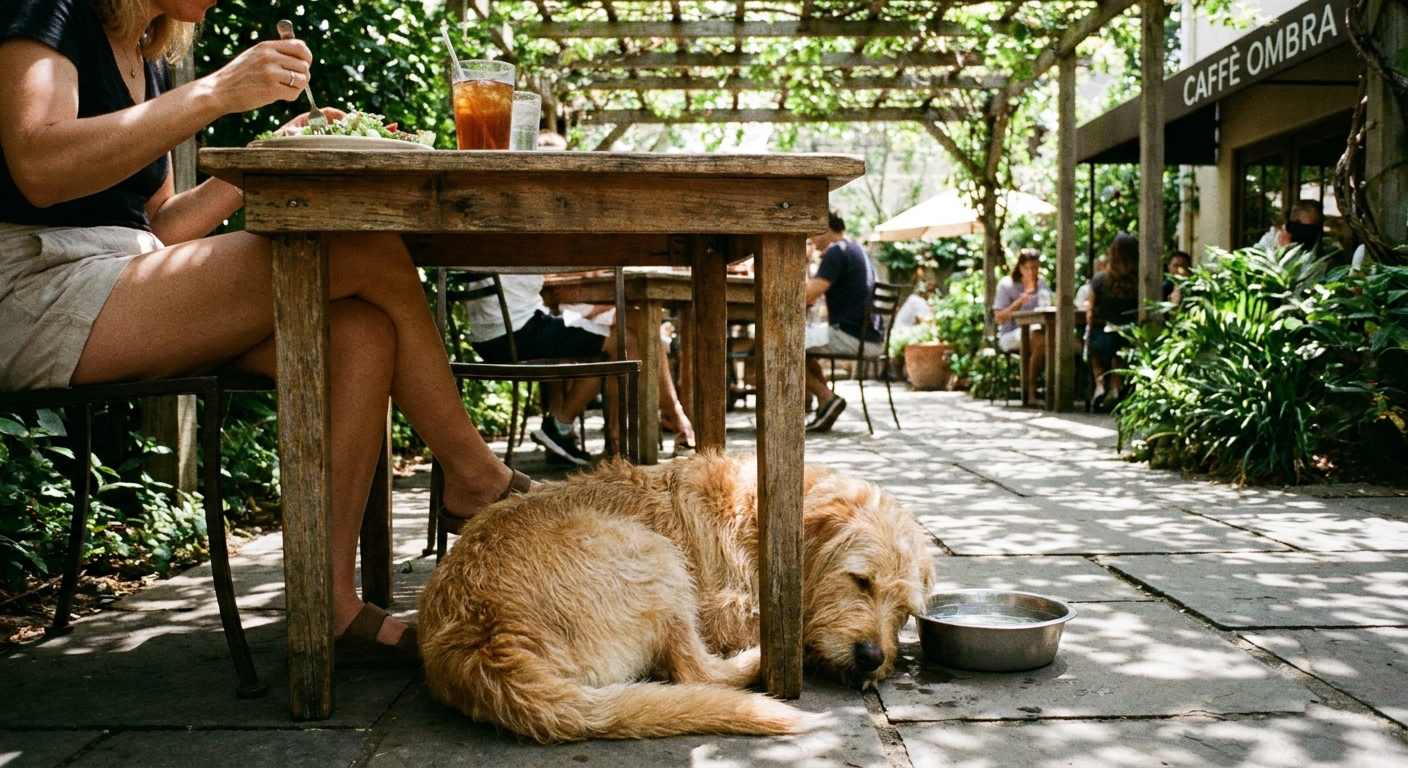
Sniff walks are the secret weapon
If your dog gets overwhelmed at dog parks, or if you are traveling with a senior dog, a sniff walk can be the best stop of the day. This is the stop that makes car time easier because it lowers stress instead of spiking excitement.
Trail traits that map well
- Loops, not out-and-backs: easier to judge time and avoid turning around mid-meltdown
- Short and modular: a 0.7 mile loop you can repeat is better than a 5 mile commitment
- Shade and water access: especially important in spring and fall when temperatures swing
- Clear parking: no mystery lots or residential-only street parking
When I am unsure, I aim for a conservative trail length and make the reward the experience, not the mileage. Your dog does not care about your step count. They care about smells and calm.
A pacing plan that works for many dogs
In my experience, dogs do best when the day has a rhythm they can predict. Here is a pacing pattern that works for a lot of trips, from a half-day drive to a full day of bouncing between towns.
The rhythm
- Start: 10 minute potty break before you load up, even if your dog insists they do not need it.
- Stop 1 (45 to 90 minutes in): quick stretch and water. Keep it short.
- Stop 2 (midpoint): your main off-leash session, 20 to 45 minutes.
- Stop 3 (after lunch): a calm sniff walk, 15 to 35 minutes.
- Arrival: immediate potty break, then a quiet decompression period before you do anything social.
Car comfort checklist I keep in the front seat
- Collapsible bowl and extra water
- Long line leash (for quiet parks and fields where allowed)
- Poop bags plus a backup roll
- Towel or wipes for muddy paws
- Seat cover or blanket you do not mind sacrificing
- Chew or lick mat for “settle” time
Arrive calm and set up the night
That “safe place to decompress at the end” matters more than people think. A lot of dog road trip stress happens after you park, when your dog is tired but still amped up from the car.
My end-of-day routine
- Pick lodging with an obvious potty option: I look for a nearby strip of grass, courtyard, or a sidewalk loop I can do twice without drama.
- Map one quiet green space in the same zip code: even a small park gives you a reset if the hotel area is loud.
- Do a short sniff loop before “checking in” emotionally: I let my dog decompress first, then I unpack and plan dinner.
- Keep dinner expectations realistic: if my dog had a big day, I choose takeout or a simple patio over a long sit-down meal.
Safety and etiquette
Dog-friendly travel is wonderful when everyone plays by the same basic rules. A few reminders keep your trip smooth and keep dogs safe.
- Secure your dog in the car: a crash-tested crate, harness and seat belt, or a solid barrier setup helps protect everyone if you have to brake hard.
- Know the local rules: “off-leash” can mean different things in different places, and some parks have seasonal or hour-based restrictions.
- Keep ID current: a collar tag plus an up-to-date microchip registration gives you a real safety net if a door pops open at a rest stop.
- Bring the basics if you are crossing state lines: a photo of vaccination records is often enough for emergencies, and it can help if you need a last-minute boarding or daycare option.
- Skip the park if your dog is sick or recovering: road trips are already a stressor.
- Watch gate behavior: the entrance is where a lot of chaos happens. Give it a beat before you go in.
- Leave if the vibe is off: crowded space, tense play, inattentive owners, or a dog that is being targeted. You are not failing the day by leaving early. You are protecting it.
- Never leave your dog in a hot car: temperatures rise fast, even with windows cracked. If a stop is not dog-friendly, it is not your stop today.
- If your dog gets carsick: I offer small sips of water after exercise, then give them a few minutes to settle before we get back on the road.
For official heat safety guidance, the American Veterinary Medical Association has a clear breakdown on pets in vehicles.
Build your continuous map fast
Here is the method I use when I am planning on a weeknight and want the route to feel seamless.
- Drop your start and end points.
- Add three dog pins: one off-leash option, one sniff walk, one patio meal.
- Add one backup pin near the midpoint. Another park or quiet green space within 10 minutes.
- Check spacing. If you have more than 2 hours between dog pins, add a simple rest area break.
- Zoom in on parking. If parking looks stressful, swap the stop now, not on the road.
If you are building the whole day around one town once you arrive, these town-style itineraries can help you think in clusters: Road Trips and Town Guides.
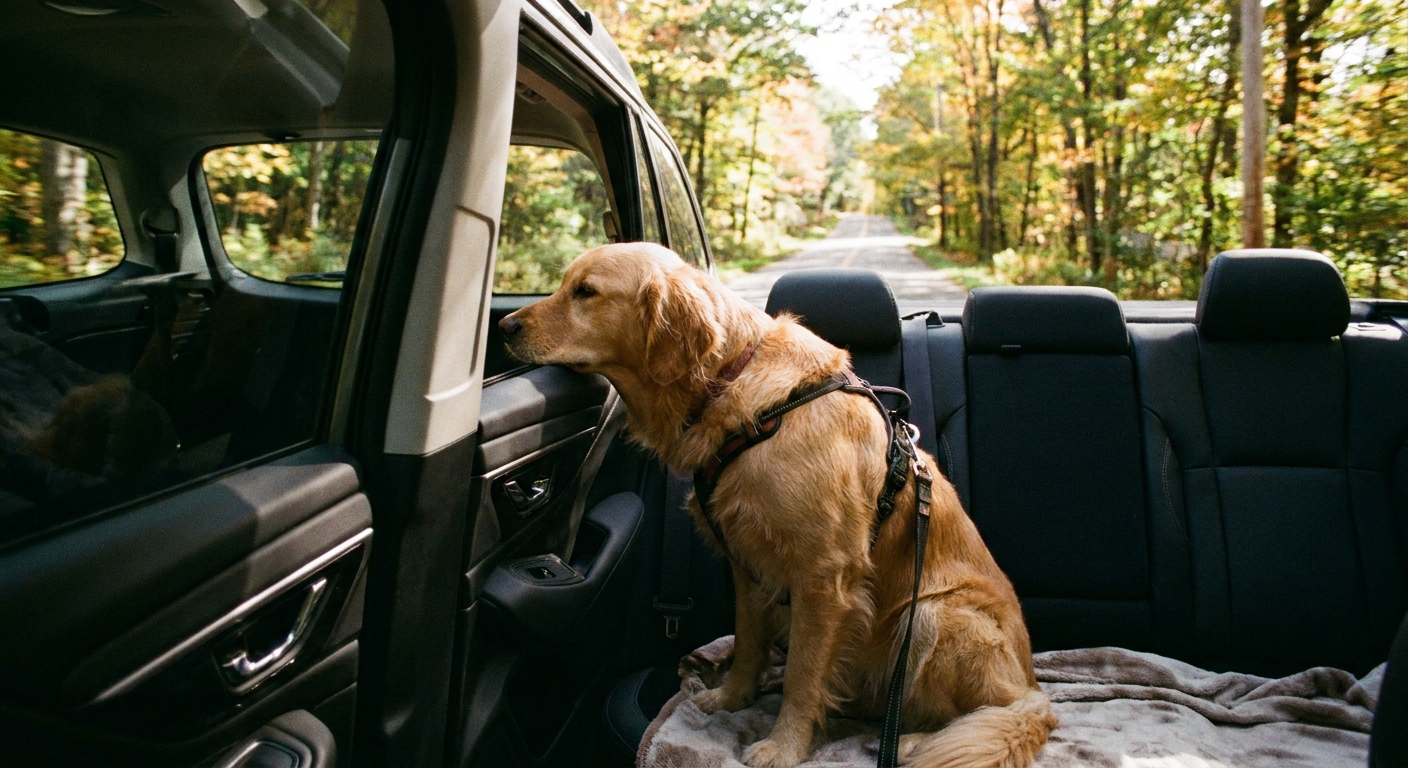
Quick FAQ
How often should I stop with my dog?
Many dogs do well with a quick break every 1.5 to 2.5 hours, plus one longer off-leash or walk stop during the drive. Puppies, seniors, and anxious dogs often do better with more frequent, shorter breaks.
What if my dog does not like dog parks?
Skip them. Swap the off-leash “run hard” stop for a long-line field (where permitted) or a quiet trail. A calm dog is the real goal, not a specific type of park.
How do I keep my dog calm at a patio?
Arrive after exercise, bring water, choose a shaded table with space, and give your dog a simple job like settling on a mat. I also pick counter-service places when possible so the stop is shorter.
What is the biggest mistake people make?
Planning one amazing stop and ignoring the in-between. The continuous map is what keeps your dog comfortable and makes the whole day feel easy.