
I learned to love rainy days the same way I learned to love new towns growing up in a military family: you stop waiting for “perfect weather” and you get really good at building a Plan B that feels like a Plan A. My favorite move is an indoor entertainment map built around a single ZIP code, where everything fun is close enough that nobody is sitting in the car long enough to get cranky.
This is the rainy-day sweet spot: escape room to arcade to interactive museum to coffee, all routed like a tiny indoor road trip. Here’s how I plan it so you can pull it off in your own area, even if you pick a ZIP code at random.
Why one ZIP code works indoors
When it’s wet outside, the real enemy is wasted time: long drives, parking hunts, and showing up somewhere only to find a line out the door. Anchoring your day to one ZIP code (or one ZIP plus a very small buffer) keeps the momentum high.
- Short hops: In denser areas, you can often get between stops in about 5 to 12 minutes.
- Better parking odds: You learn one area’s garages, lots, and “easy” side streets once, then reuse them.
- More flexibility: If a place is packed, you pivot without blowing up the whole day.
- Easy budgeting: You can set a per-person cap and choose one “splurge” stop.
If you want a simple structure for building the radius around your ZIP, start with how to plan a 5-mile radius day trip from any ZIP code. Indoors, I often shrink that to 2 to 3 miles unless I’m in a very spread-out suburb.
Step 1: Pick a rain-proof ZIP
Not every ZIP code is created equal for indoor clustering. The best rainy-day ZIPs tend to have at least one of these:
- A mall zone (chain restaurants, arcade concepts, maybe a movie theater)
- A downtown or warehouse district (escape rooms, barcades, museums, funky cafés)
- A college-town pocket (quirky exhibits, game cafés, indie arcades)
- A family activity corridor (trampoline parks, climbing gyms, children’s museums)
If you’re deciding between two ZIP codes, I pick the one with more “stackable” options: places that do not require perfect timing. Arcades, museums, and climbing gyms are usually more forgiving than a single timed experience.
Need help when a place name is throwing off your search results? This quick explainer helps: City name vs. ZIP code search.
Step 2: Build your stop menu
I like to think in categories so the day feels varied. You only need 3 to 5 stops for a full rainy-day itinerary.
The core trio (my go-to combo)
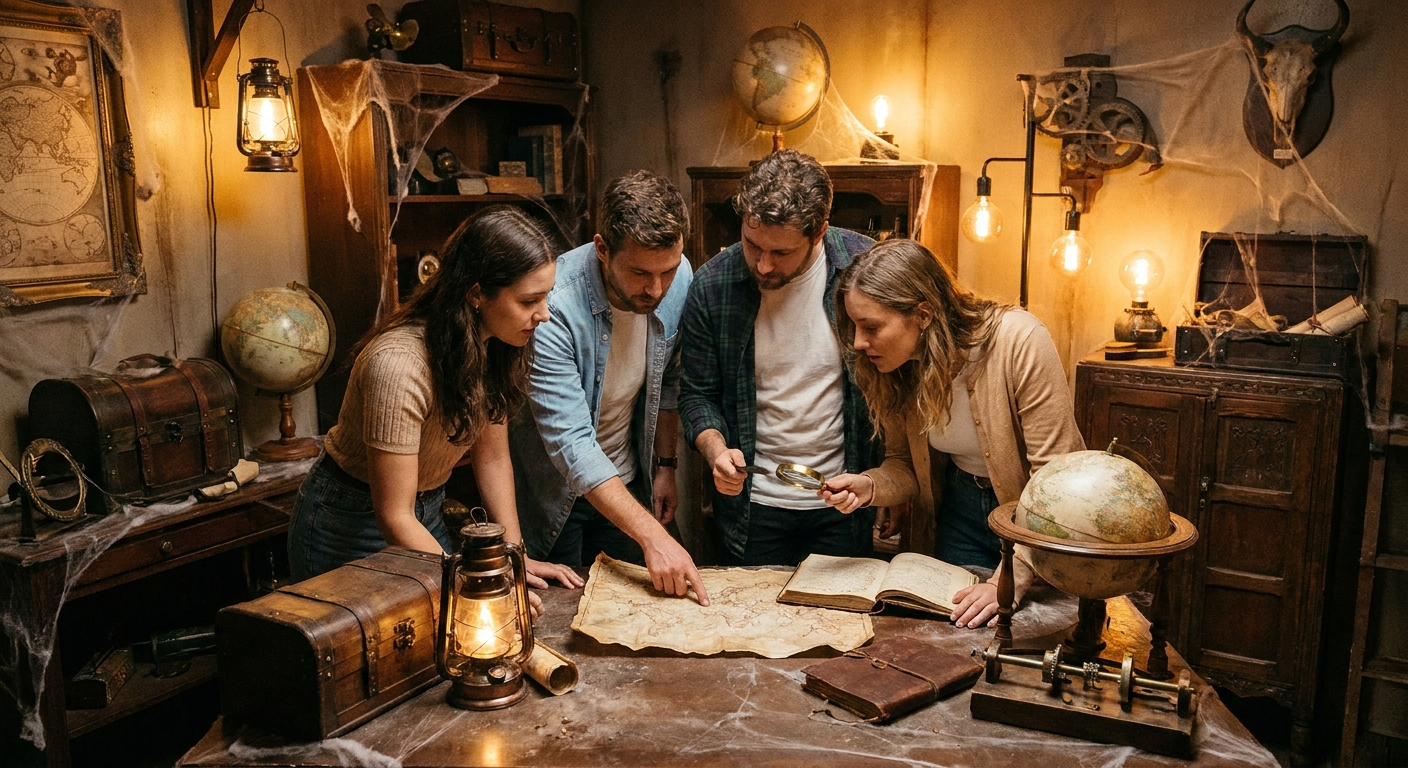
- One timed challenge: escape room, interactive theater experience, reservation-only VR arena
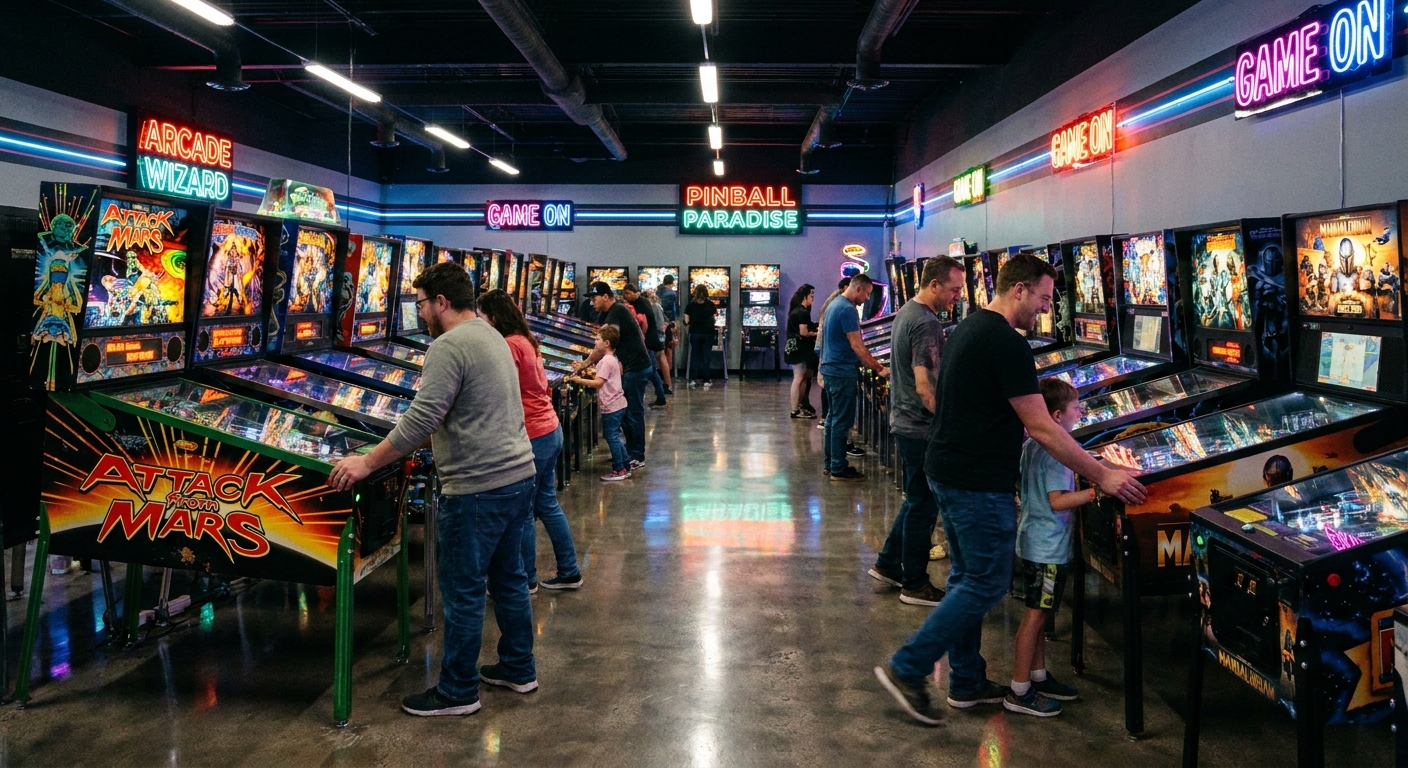
- One free-flow play stop: arcade, barcade (adults), board game café, pinball hall
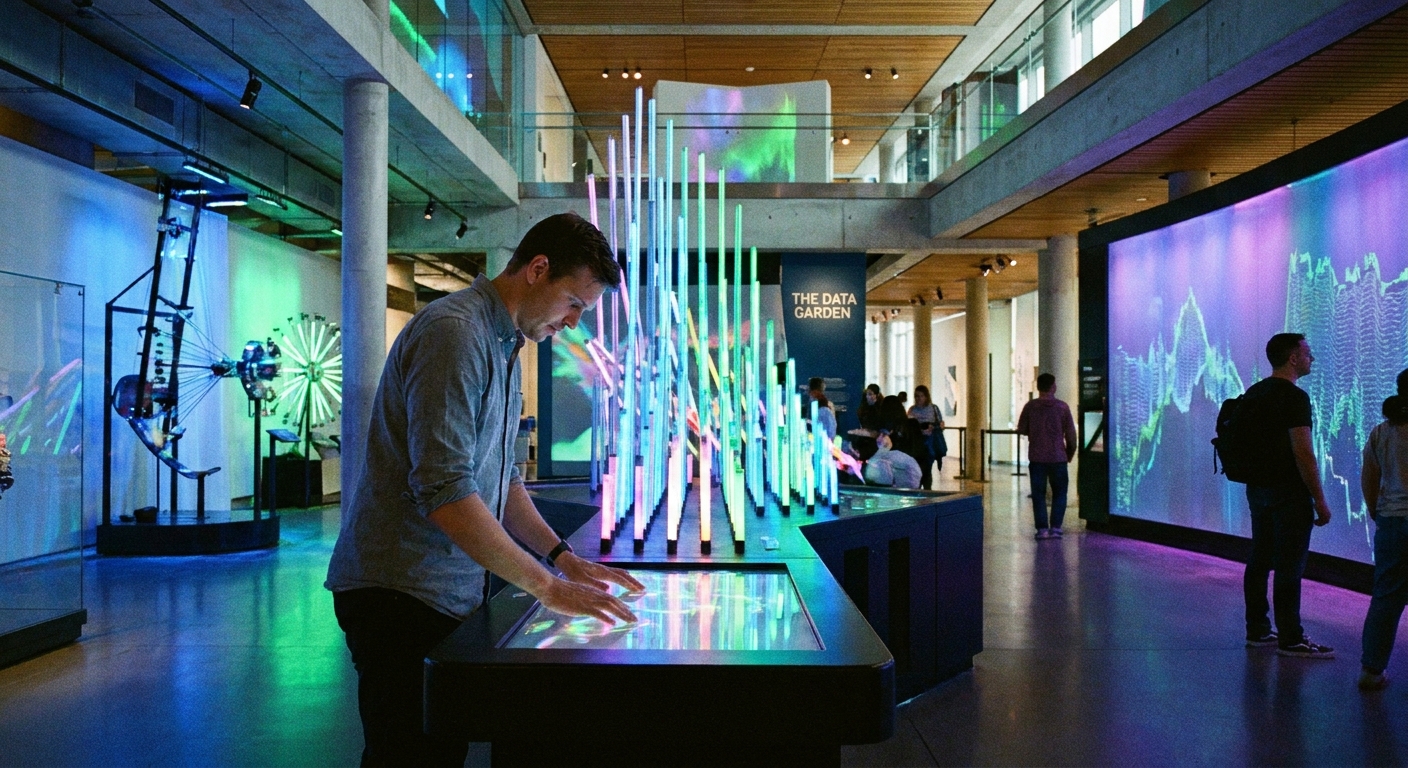
- One hands-on learning stop: interactive museum, science center, children’s museum, maker space exhibit
Great add-ons if you have energy
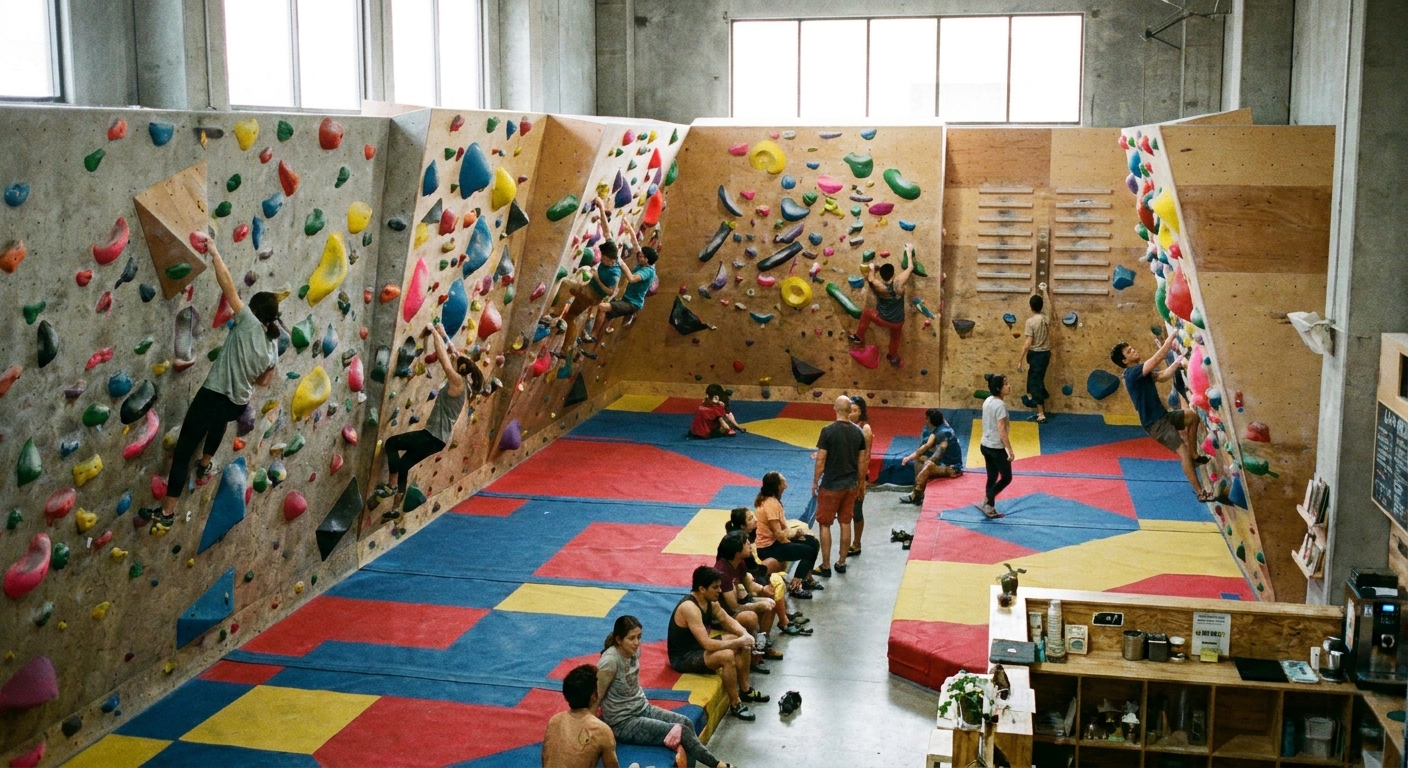
- Active indoor stop: climbing gym, trampoline park, indoor mini golf, indoor ropes course
- Warm-up break: café with seating, bakery, ramen spot, diner
- Low-effort closer: bookstore, dessert shop, indoor market hall
For more ideas on building an attractions-first day, I keep a running set of strategy posts in Attractions.
Step 3: Map a cluster and loop it
Once you’ve got your list, your goal is to turn it into a route that minimizes backtracking. Here’s the method I use every time:
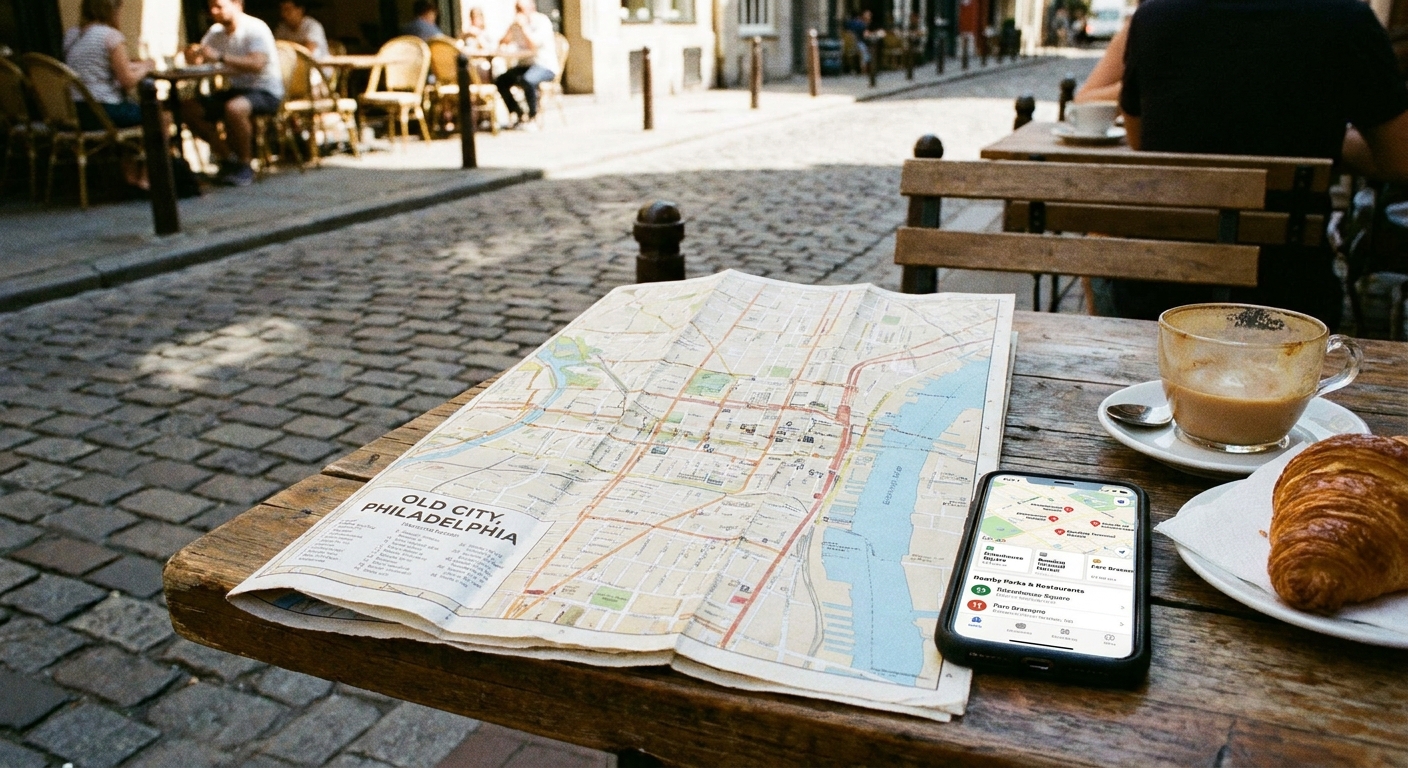
- Drop pins for every candidate stop in your mapping app.
- Delete outliers quickly. If one place is 15 minutes away from the cluster, it becomes a different day.
- Choose an anchor parking spot. I look for a garage, a big public lot, or an obvious commercial lot where I can park once and walk to at least two stops.
- Create a loop: start near parking, end near parking, with the most time-sensitive stop first (usually the escape room reservation).
- Add a bailout café. Pick one coffee shop or casual restaurant in the same area that works as a reset button if plans shift.
If your ZIP code is dense and walkable, I’ll often build a mini walking tour vibe and keep driving to a minimum. This is the same logic I use for outdoor routes, just with indoor doors as the checkpoints: map a self-guided walking tour with ZIP code boundaries.
Sample itinerary
Here’s a structure that consistently works for couples, friend groups, and families with older kids. Adjust the times based on reservations and energy levels.
Late morning: Interactive museum
Plan on: 90 to 120 minutes.
Start with the place that rewards fresh attention. Interactive museums can get busy after lunch, and they are perfect when everyone’s still waking up.
- Leah tip: If coats and umbrellas are soaked, pick a museum with a lobby or café area where you can dry out for 10 minutes before you dive in.
Early afternoon: Escape room
Plan on: 60 to 90 minutes total, including check-in.
Book this in advance when you can, then build the rest of the day around it. I like an early afternoon start time because it leaves room for lunch before or after.
- Routing tip: Aim to arrive 15 minutes early for parking and check-in. Rain makes everything slower.
Mid-afternoon: Arcade or game café
Plan on: 60 to 90 minutes.
This is where you cash in the “single ZIP code” strategy. A good arcade stop works even if the rain intensifies or traffic gets messy.
- Budget tip: Decide your swipe-card cap before you walk in. It’s easy to accidentally turn “quick arcade stop” into “where did my money go.”
Late afternoon: Climbing gym or mini golf
Plan on: 60 minutes (or up to 90 if it’s a whole crew).
After a few hours of puzzles and buttons, I like to move my body. Even a casual bouldering session or indoor mini golf resets the whole group.
Logistics that save the day
Parking: choose a home base
Whenever I can, I park once and walk to two stops. Wet shoes and repeated parking payments are a mood killer. In dense districts, I’ll take slightly longer walking over moving the car.
What to bring
- A small towel or extra cloth in the car for wiping seats and hands
- An extra pair of socks for kids (and honestly, for adults too)
- A reusable water bottle, because indoor fun can be surprisingly dehydrating
- A light layer you can take off once you’re inside (arcades get warm fast)
Reservations: timed first
Escape rooms, some interactive exhibits, and certain VR experiences run on strict start times. Put those first in your route, then use arcades, cafés, and museums as your flexible buffer blocks.
Food: expect lines
Rainy days herd everyone inside at the same time. I aim for lunch at 11:15 or 1:30 to dodge the biggest wave. If you want a simple way to locate local gems near your ZIP, this is one of my favorite approaches: find hidden gem restaurants with a ZIP code.
Budget: pick one splurge
Costs swing wildly depending on your city and whether you’re paying per game, per hour, or per ticket. My rule is simple: price-check your top picks, then choose one splurge stop and keep the rest in the “easy yes” range. If you’re flexible, weekday bundles and off-peak hours can stretch a rainy-day budget.
Fit the map to your group
Families with younger kids
- Prioritize children’s museums, indoor play zones, and anything with open-ended movement.
- Keep the escape room optional unless it’s kid-focused or you know your group will enjoy it.
- Build in a snack stop every 90 minutes.
Teen-friendly day
- VR arenas, arcades, and interactive museums play well.
- Plan for a hang-time spot like a boba shop or dessert café, so the day does not feel overly scheduled.
Date day
- Do the escape room early, then treat the rest like a choose-your-own-adventure.
- Look for an arcade with pinball or retro games, then finish with a cozy coffee stop.
Friend group
- Escape room plus arcade plus indoor mini golf is an elite rainy-day trio.
- Keep a simple scorecard in your notes app, but do not let it get mean-spirited.
Before you go
- Hours and closures: Rainy weekends and school breaks can shift hours. Double-check before you leave.
- Age limits: Some barcades are 21+ (or have cutoffs after a certain hour). VR spots can have height or age minimums.
- Waivers: Climbing gyms and trampoline parks often require waivers, and sometimes they need to be filled out for each minor by a parent or guardian.
- Sensory comfort: Arcades can be loud and bright. Off-peak times, a quieter museum first, or simple ear protection can help.
- Weather safety: If conditions look rough, reroute. Avoid driving through standing water and do not treat flooded roads like a minor inconvenience.
If the ZIP is thin on options
Sometimes you pick a ZIP code and it’s basically residential plus one grocery store. I still keep the “single ZIP” spirit, but I loosen the rules in one of two ways:
- Do a two-ZIP cluster: choose an adjacent ZIP code and treat the border like your new “district.”
- Make it a hub-and-spoke: park in the nearest dense pocket, do two indoor stops, then drive a short distance to one bigger anchor like a science center.
If you want more ideas for building a day that is not trapped inside one boundary, this is a helpful starting point: plan a local day out beyond a ZIP code.
Quick checklist
- Pick 1 ZIP code with at least 3 indoor attractions
- Choose 1 timed anchor (escape room or ticketed exhibit)
- Add 1 free-flow stop (arcade or game café)
- Add 1 hands-on stop (interactive museum or science center)
- Optional: add 1 active stop (climbing gym, indoor mini golf)
- Pick 1 parking home base and 1 bailout café
- Route it as a loop with minimal backtracking
The best part about building an indoor entertainment map is that you can reuse the exact same strategy in a new ZIP code next weekend. Rain becomes less of a cancellation and more of a theme.