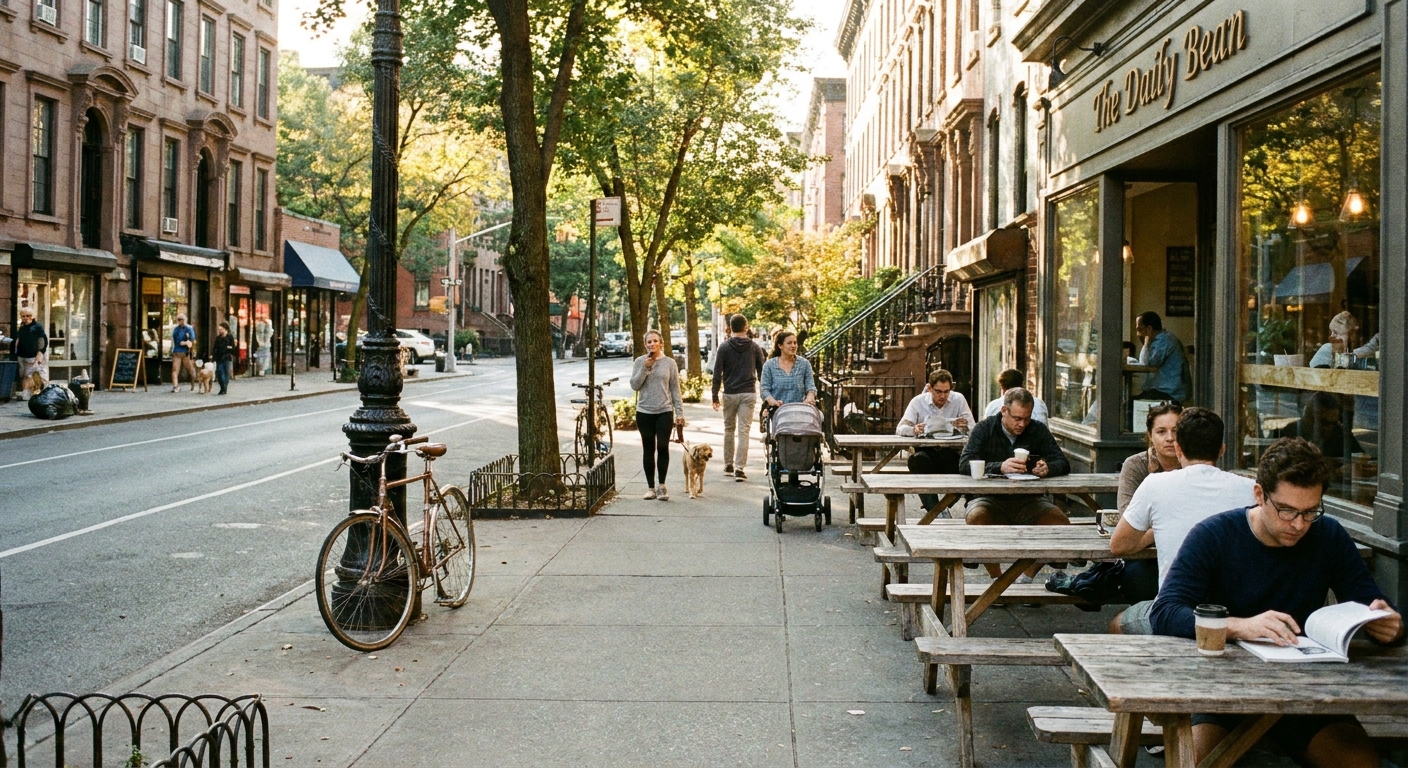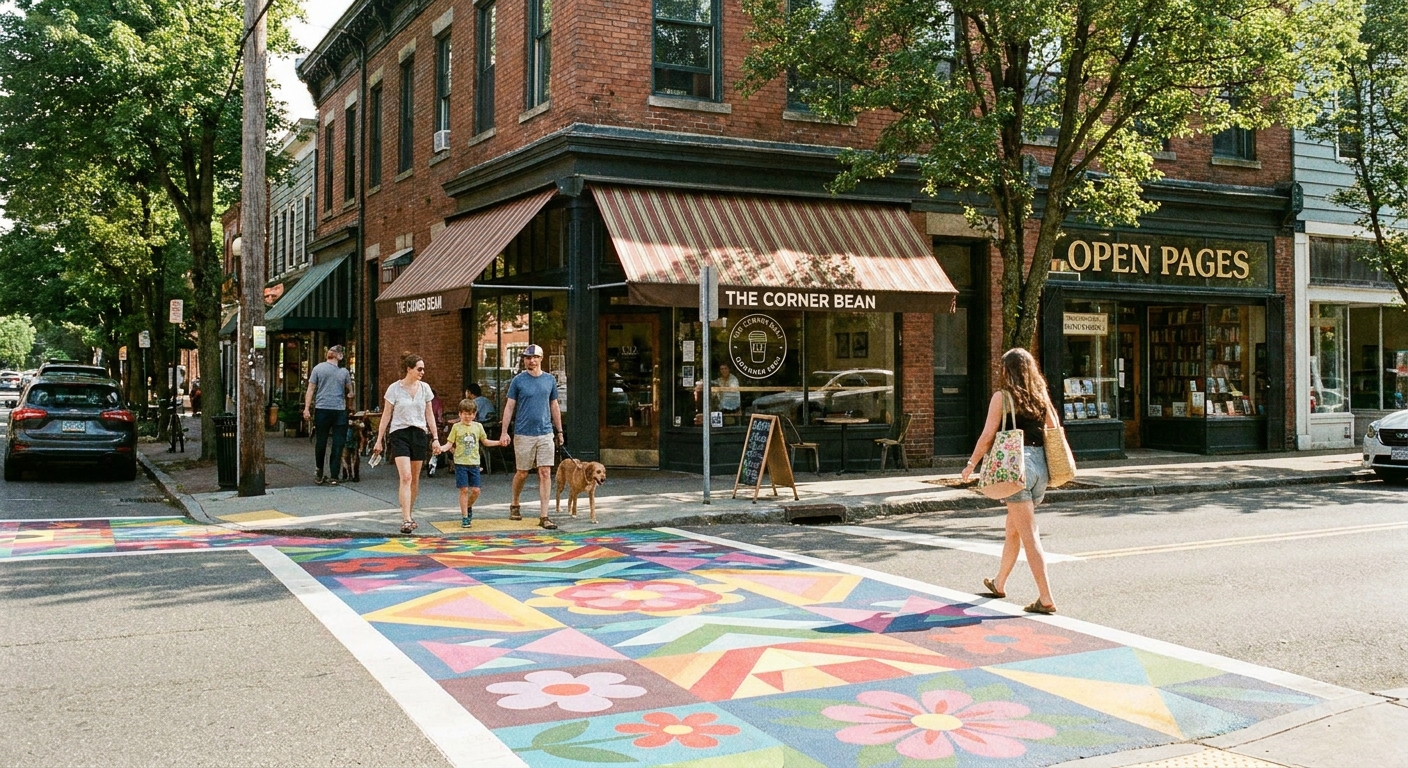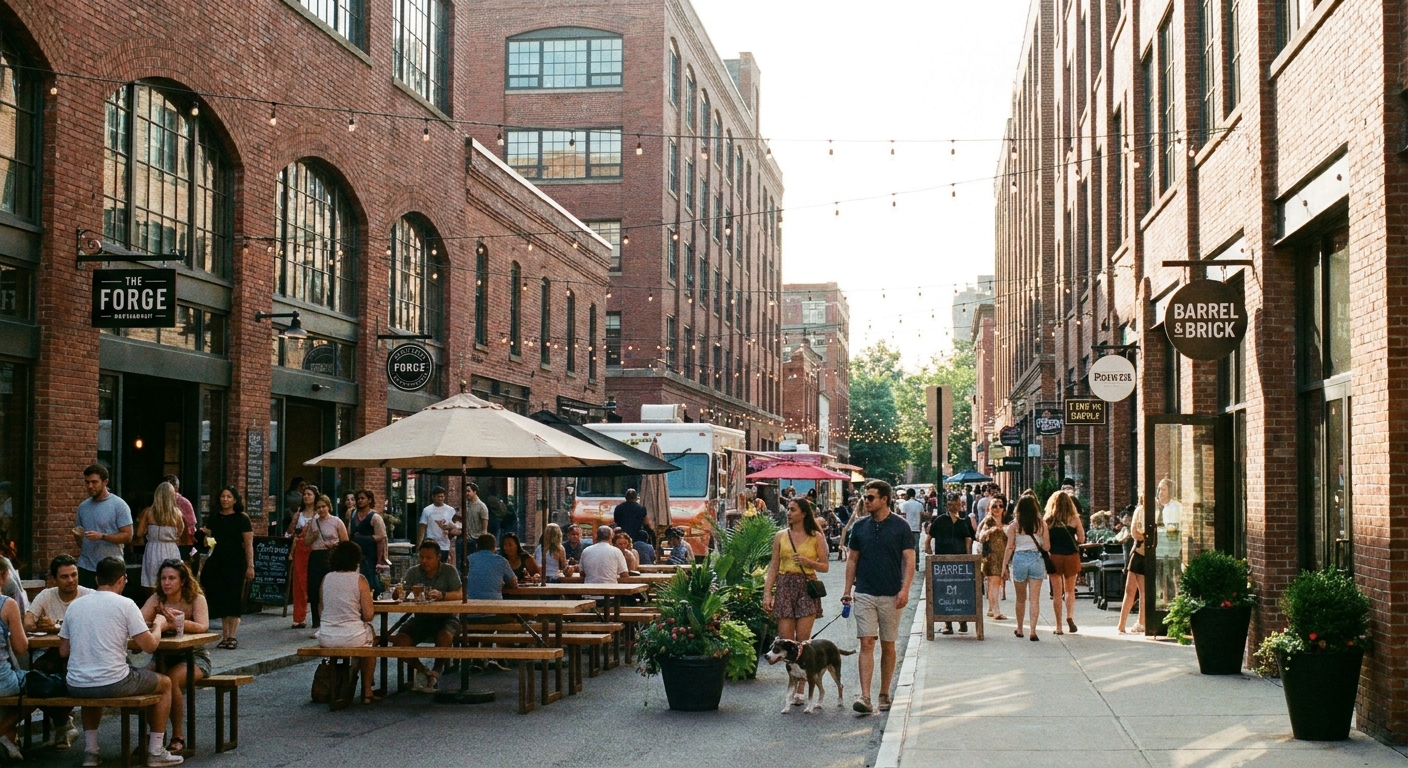

I grew up in a military family, which meant every couple of years I had to get good at one very specific skill: landing somewhere new and finding the coolest local thing fast. Not the big-ticket attraction. The place locals quietly brag about. In a lot of towns, that place is industrial. A working factory that still makes something. A warehouse maker space where the laser cutters hum all afternoon. A glass studio that smells like heat and history.
If you’ve never built a day trip around a production floor and a hands-on workshop, consider this your nudge. It is one of the most satisfying kinds of “micro-trip” because you get a story to take home, plus you usually leave with something tangible. Even if that something is a slightly crooked spoon you forged yourself.
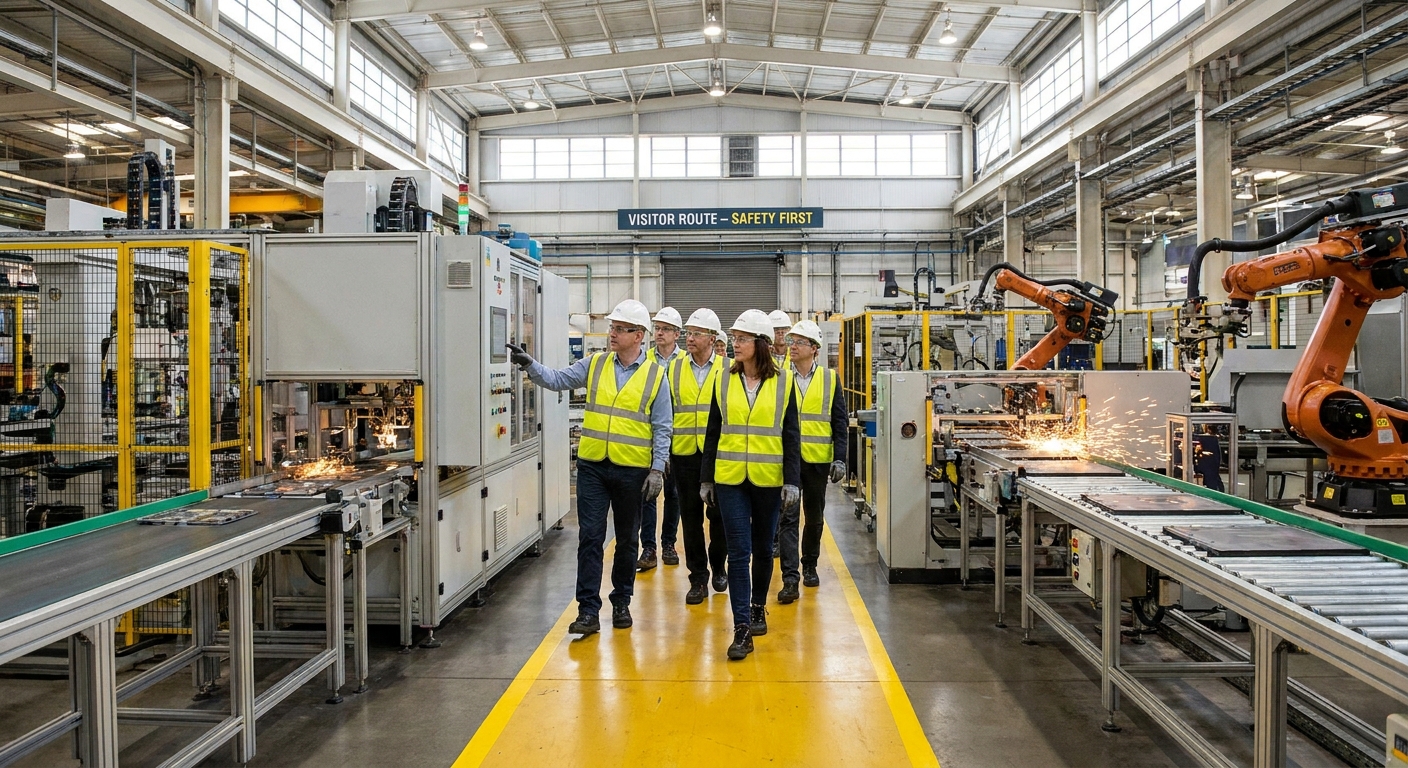
What counts as a factory tour day
I lump these outings into three big buckets. Mixing two of them in one day is the sweet spot. Mixing all three is a full-on brag-worthy Saturday.
- Operational factory tours: active manufacturing or processing, usually guided, often with safety requirements and age limits.
- Industrial heritage you can still feel: mills, power plants, ports, shipyards, rail facilities, and museums housed in real industrial spaces. Some are fully interpretive, some are still partly working.
- Maker spaces and craft workshops: places where you can make, weld, throw, print, carve, or sew something under supervision.
The goal is not to cram every stop into one zip code. The goal is to use a zip code as your anchor, then build a tight loop around it.
Map-first ways to find good stops
When I plan this kind of day, I start with a zip code, open my map, and think in categories instead of “things to do.” Industrial gems often hide behind practical labels.
Start with what your area makes. Food production can be an easy win because some categories are set up for visitors. If your zip code has a roastery, a chocolate shop with an actual production room, a creamery, a small bottling line, or a brewery or distillery with a real back-of-house, you are already halfway to a great itinerary. I look for places that mention tours, a visitor center, scheduled walkthroughs, or anything that signals you are seeing more than a tasting bar.
Then widen to working industry. Manufacturing towns tend to use blunt language, the kind that sounds boring until you are standing next to it. On the map, I click on anything that looks like a facility rather than a storefront, and I scan for details that hint at public access: guided visits, reservations, safety gear requirements, closed-toe shoe notes, or an age minimum. Those tiny lines of text are often the difference between an actual tour and a gift shop with a hallway window.
Add a hands-on stop for the memory. For the maker portion of the day, I search the map for maker spaces, community workshops, and studios that offer beginner classes. I am especially fond of open studios in glass, ceramics, printmaking, metalwork, and woodworking because you leave with a tangible “I did that” souvenir.
Use the map itself as a clue. If you are not finding much, zoom out a little and follow the industrial geography. Warehouses, rail-adjacent zones, riverfronts, and old mill corridors often sit just outside the cute downtown core. Use the tactic from how to plan a 5-mile radius day trip from any zip code, and give yourself permission to stretch to 10 miles for industrial stops.
How to tell if a tour is real
I have shown up to more than one “tour” that turned out to be a gift shop with a hallway window. Sometimes that is still fun. Sometimes it is not the day you drove for. Here is my quick filter before I commit.
- Look for logistics. Anything that mentions reservations, check-in times, safety gear, closed-toe shoes, or an age minimum usually means there is an actual floor to walk.
- Check tour frequency. If times are listed, even just weekends, it is usually legit.
- Scan recent visitor photos. Hard hats, safety glasses, marked walkways, and big equipment are good signs.
- Confirm seasonal hours. A lot of industrial tours are spring through fall, or only on select weekdays.
- Know the difference between a tasting and a tour. Some places offer tastings only. That is fine, just plan a second stop where you see the making.
Pro tip from someone who hates wasting a morning: call and ask one question, “Do we see the production floor during the visit?” You will get a clear yes or no.
A timed itinerary you can use anywhere
This is my plug-and-play structure for a factory tour day. You can swap the “factory” for “shipyard museum” or “mill tour” and it still works.
9:00 AM: Start with a simple local breakfast
Pick a diner or counter-service spot near the industrial area, not the trendy brunch line downtown. You want fast parking, quick coffee, and a bill that does not eat your activity budget.
Need help finding the kind of place that has a handwritten specials board? I built a whole approach in find hidden gem restaurants with a zip code.
10:00 AM: Factory tour or production visit
Book the earliest tour you can that works for your group. At many facilities, earlier tours line up better with active production. At others, production runs in batches, shifts, or odd hours, so it is worth asking what time you are most likely to see things running.
- Wear: closed-toe shoes, hair tied back, minimal dangling jewelry.
- Bring: a small crossbody bag, not a giant tote. Some tours restrict bags entirely.
- Expect: noise, temperature swings, and very specific rules. Follow them. Factories are not theme parks.
- PPE note: some places provide hard hats, safety glasses, or hearing protection on-site. Others simply require you to meet the dress code and will not supply anything beyond that. Check the tour details so you do not get surprised at the door.
12:15 PM: Lunch in the in-between zone
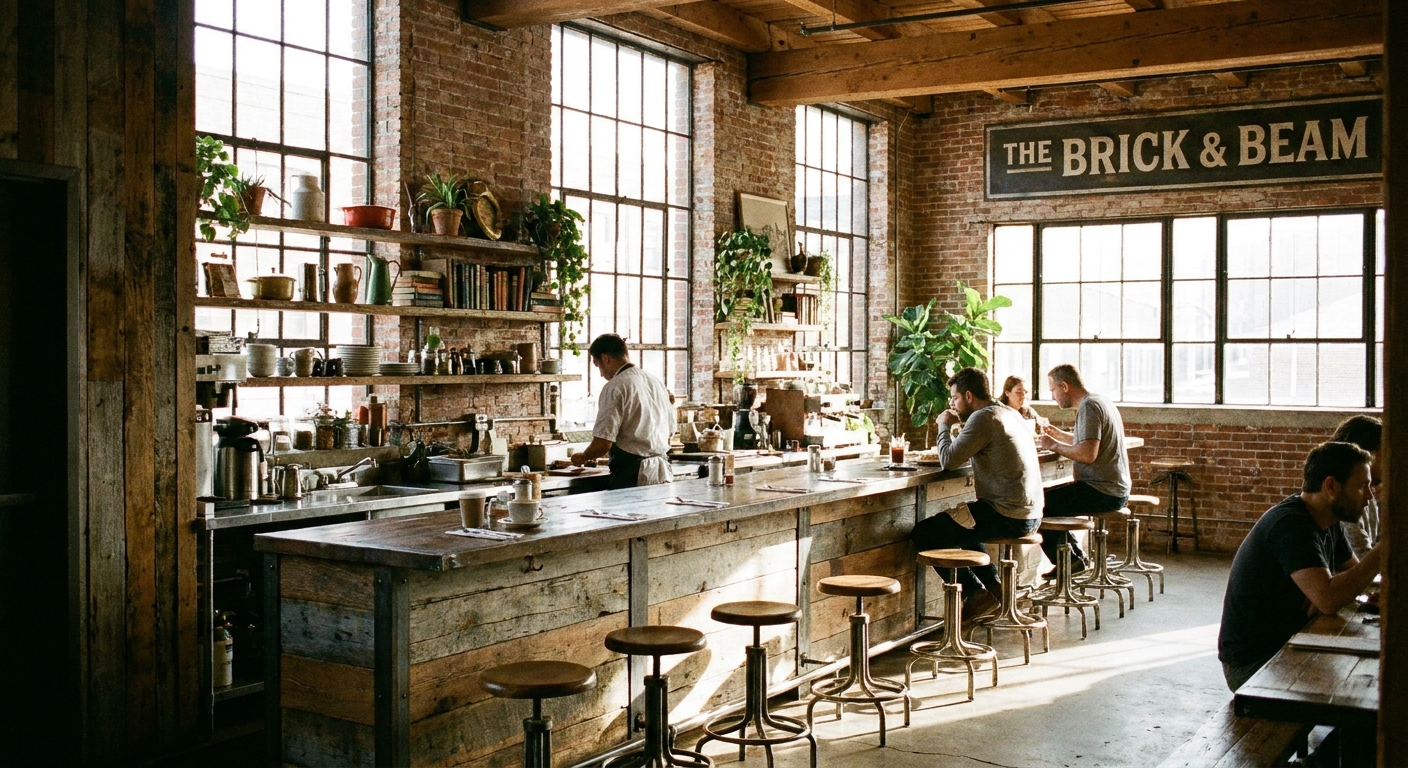
My favorite lunch for these days is somewhere near a rail line, a river, or an older warehouse district. Those areas tend to have the best mix of old-school spots and new casual places with big tables.
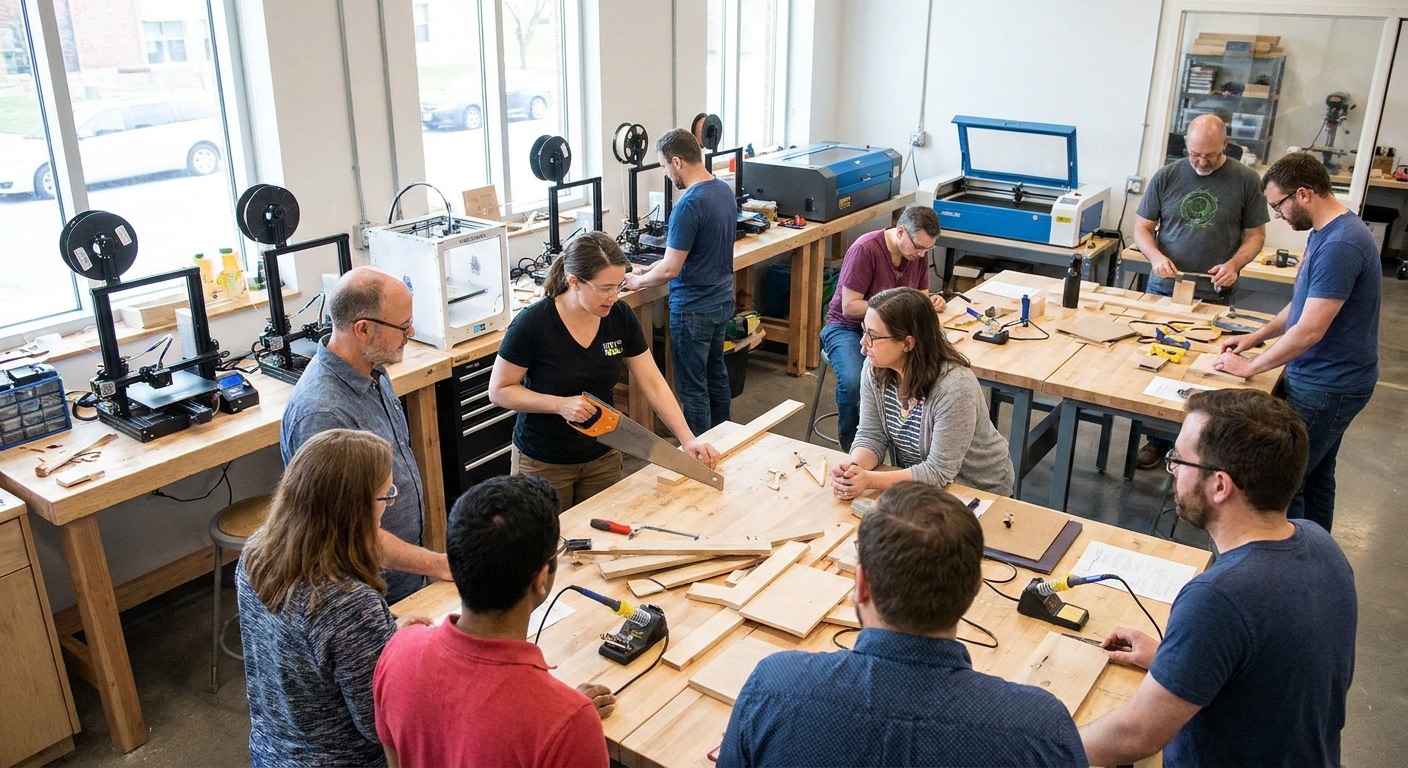
1:30 PM: Maker space workshop
This is where your day goes from “interesting” to “I made this.” Look for a 1 to 2.5 hour class. Anything longer can dominate the whole day unless that is your main goal.
- Great beginner-friendly picks: pottery wheel sampler, candle making, screen printing, leather basics, intro welding demo, beginner blacksmithing, stained glass suncatcher.
- If you are traveling with kids: look for “family workshop” or “all ages.” Many maker spaces have adult-only tool rules.
- If you hate clutter: choose a class where the finished item dries or cures later and you pick it up later or it gets shipped.
One planning reality check: workshops and tours often have per-person fees, and popular time slots can fill up. I like to confirm pricing and reservation rules before I lock in lunch and driving time.
4:00 PM: Industrial wander
End your afternoon with something loose. I like a short walking loop through an old manufacturing area, a canal path, a riverfront, or a rail museum. If you want a more structured version, borrow the method from map a self-guided walking tour with zip code boundaries and keep it to 60 to 90 minutes.
If your area has historical plaques tied to labor, shipping, rail, or early manufacturing, that is a perfect add-on. The rabbit hole is half the fun.
5:45 PM: Early dinner plus a take-home stop
My ideal closer is dinner somewhere casual, followed by one quick stop where you can buy something made locally. Think: factory store, co-op shelf, studio gallery corner, or a small specialty market.
You end up with a physical reminder of the day, and it keeps you from buying random souvenirs that do not mean anything.
Where to look on the map
If you are staring at a map and wondering where the “factory tour energy” lives, here are the land clues I use.
- Rail spurs and clusters of long rectangular buildings: classic light manufacturing zones.
- River bends, canals, and dam-adjacent roads: older industry and mills often grew up around water power and shipping.
- Port areas and working waterfronts: look for maritime museums, shipbuilders, and industrial history centers.
- Warehouse districts: often the best place to pair a maker space with food. If you want more ideas in that vibe, see warehouse district wonders by zip code.
- College or art districts near industrial edges: that border zone is where studios, shared workshops, and fabrication labs tend to pop up.
Safety and etiquette
Factory tours and maker spaces are generous by nature, but they run on rules for a reason. If you want more places to stay open to the public, be the guest every tour guide loves.
- Show up early. These tours run on tight schedules, especially if production is active.
- Listen for the reason. If they say “do not touch the rail,” there is a reason. Assume it is heat, chemicals, or moving equipment.
- Ask before photographing. Many facilities restrict photos for safety or proprietary reasons.
- Wear what they ask you to wear. If you ignore the footwear rule, you may get turned away at the door.
- Check accessibility upfront. A lot of tours involve stairs, long periods of standing, narrow catwalks, or loud environments. If you need step-free routes, seating breaks, captions, or hearing protection, ask before you book so you can pick the right time and format.
- Tip or support where appropriate. For workshops, you are paying for instruction and materials. For tours, the best support is buying a small item and leaving a thoughtful review.
If your area has limited tours
Not every region has a polished visitor center. If your zip code feels tour-light, this combo still delivers the industrial-maker vibe:
- Stop 1: an industrial museum, railroad museum, or heritage mill site.
- Stop 2: a hands-on class (ceramics, printmaking, woodworking, or textiles).
You still get the behind-the-scenes story plus the hands-on memory. And if you want to pad the day with one more easy layer, add a quirky stop along the drive using mapping quirky roadside attractions by zip code.
Quick FAQ
Do I need to book tours in advance?
Often, yes. Many are reservation-only, especially smaller operations. Even when walk-ins are allowed, booking protects your day plan.
Are tours kid-friendly?
Some are, many are not. Age minimums are common for safety and insurance reasons. If you are planning with kids, maker spaces with family workshops or food production tours tend to be the most flexible.
What day is best for real production?
Weekdays are often your best bet for seeing a full production line, but there are exceptions. Some craft producers save demos for weekends, and some facilities run shift schedules that do not match a typical nine-to-five. If seeing active production is your priority, it is worth asking what day and time you will catch the most action.
How do I keep driving time from taking over?
Pick one anchor zip code and build a tight radius around it. If you need a simple method, start with plan a local day out beyond a zip code and stick to clusters: factory plus lunch plus workshop in one area.
The best part of an industrial day
Every town has something it makes, even if it is not on a postcard. Planning a factory tour itinerary is my favorite reminder that the real personality of a place often lives behind a roll-up door, down a side street, next to a rail line.
Pick a zip code, find what it produces, and let that be your storyline for the day. You will come home tired in the best way, with your head full of processes, people, and the oddly comforting sound of things getting built.