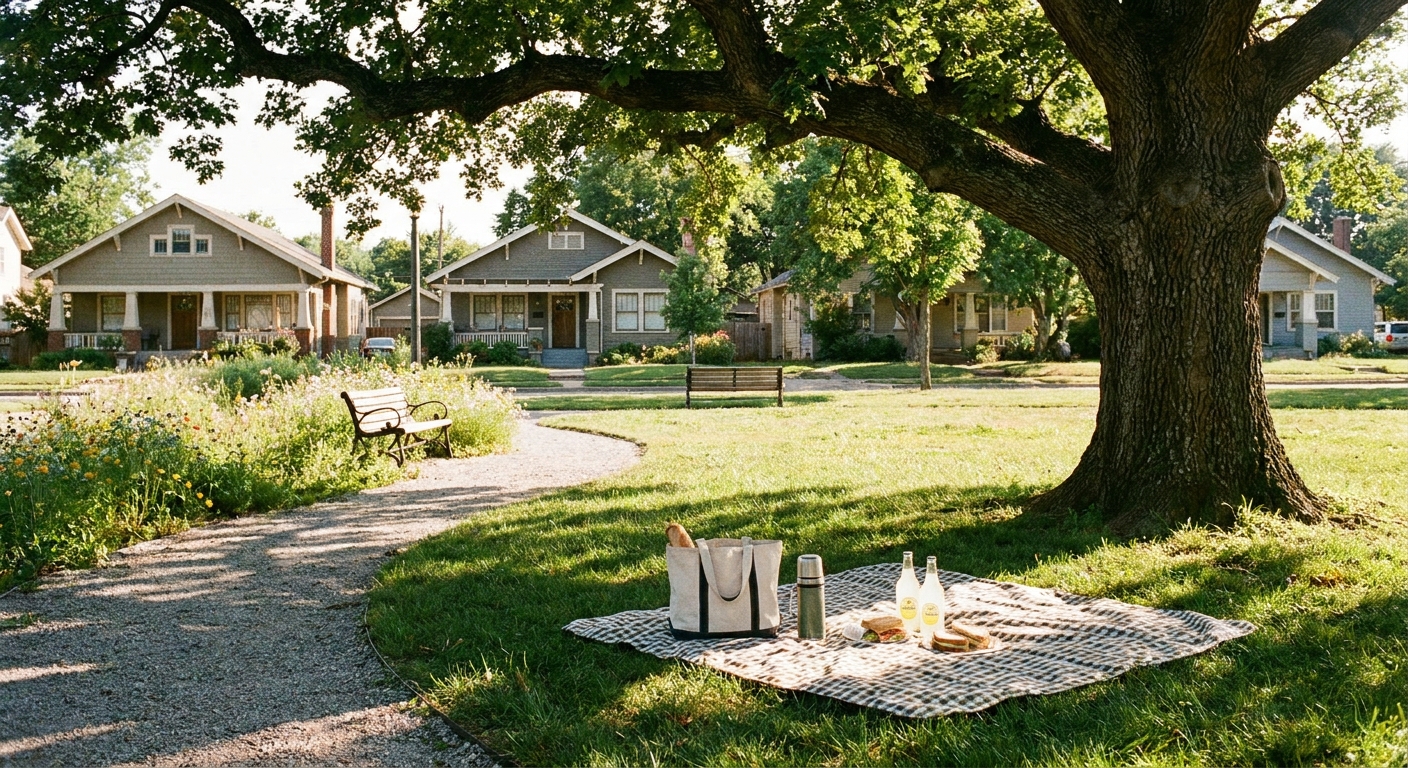

I grew up in a military family, which means my childhood hobby was basically: land in a new place, learn the roads fast, and figure out where locals actually spend their Saturdays. That habit never left. Now, when I need a low-effort reset, I do something that sounds ridiculous until you try it. I pick a commuter suburb ZIP code on the map and treat it like a destination.
Not the downtown “must see” neighborhood. Not the famous scenic overlook. A regular, residential ZIP code with grocery stores, ballfields, and a handful of mom-and-pop places that quietly keep everyone fed. The reward is a calm, crowd-light day that feels like you went somewhere, without driving three hours or fighting for parking.
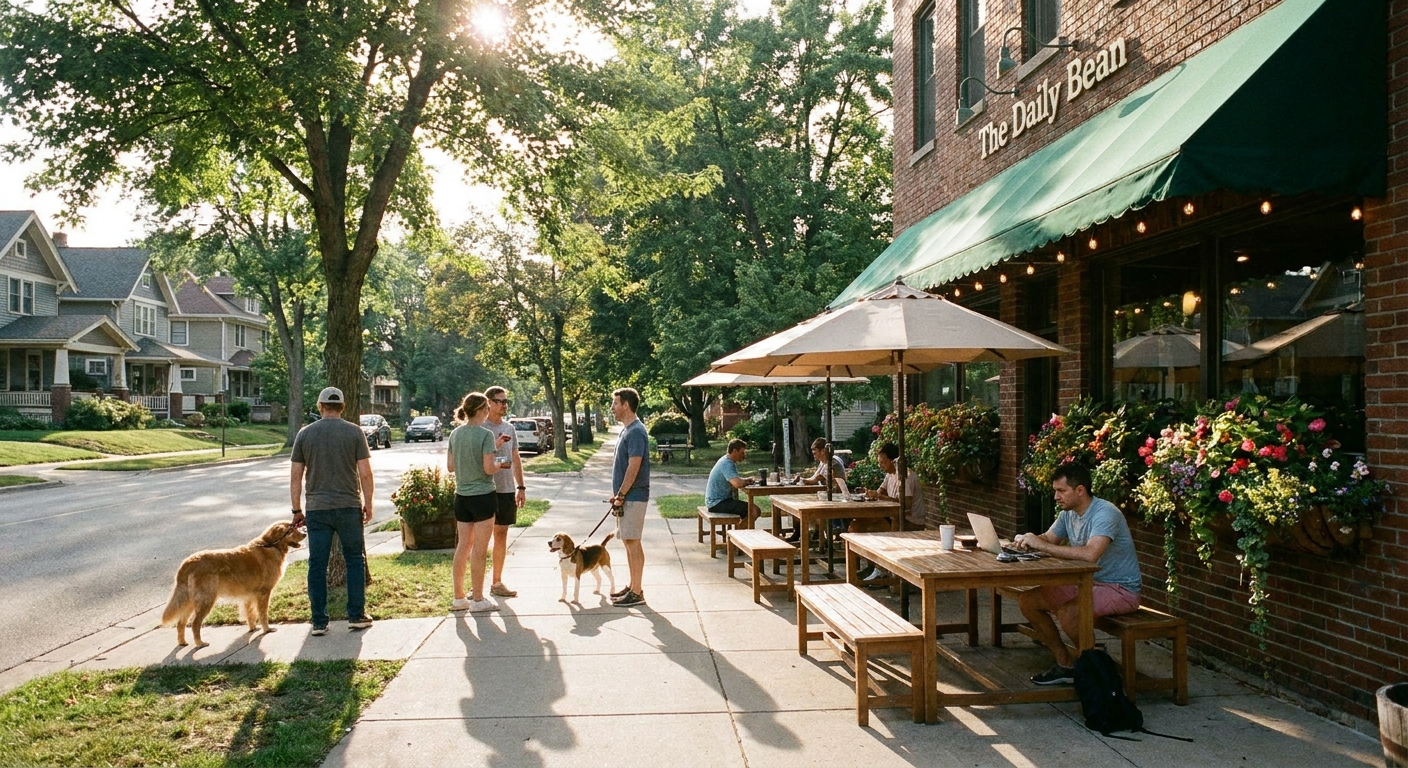
Why a residential ZIP code works
Commuter suburbs are often built for everyday life, which is exactly why they work for a staycation. You get:
- Easy logistics: straightforward roads, plenty of parking in most spots, and fewer one-way surprises than dense downtown cores.
- Comfort food energy: diners, bakeries, taquerias, family-run spots, and the kind of “we have our regular order” service.
- Green space everywhere: neighborhood parks, trails, little lakes, and school fields that turn into weekend picnic zones.
- Hidden personality: small historical markers, local murals, hobby shops, international grocery stores, and community centers that fly under the radar.
The trick is knowing what to look for, because suburban fun is rarely announced with neon lights. It is tucked into strip malls, behind libraries, and along the walking trail you only notice when you slow down.
Pick a ZIP code fast
Start with a ZIP code that is close enough to feel easy but far enough to feel different. My sweet spot is a 15 to 35 minute drive from home. If you want a simple planning method, use my radius approach and build your day inside a small circle around your starting ZIP.
How to plan a 5-mile radius day trip from any ZIP code is my go-to when I want structure without turning the weekend into homework.
My suburb ZIP checklist
- A main drag road: the street with clusters of food, coffee, and errands.
- At least one big park or trail: look for a green ribbon or a lake shape on the map.
- A library or community center: these tend to sit near walkable pockets and local bulletin boards.
- Two different food options: one for breakfast or coffee, one for a late lunch.
If you are torn between using a city name or a ZIP code, ZIPs can be a clean way to draw a planning box around your day. Just remember they are mail-delivery boundaries, so they do not always match how locals name neighborhoods.
City name vs. ZIP code search breaks down when ZIP codes win and when they do not.
The staycation itinerary
Here is the day shape I use when I want relaxed, unhurried fun in a residential ZIP code. Adjust the times, keep the sequence.
Stop 1: Coffee and a plan
Start at an independent coffee shop or bakery if you can. If the best option is attached to a grocery store plaza, that still counts. Suburban gems love a humble location.
- Order tip: get something portable for later, like a cookie, muffin, or empanada.
- Parking tip: park farther out and walk in. You will spot what else is in the plaza without circling for the closest space.
Stop 2: A long walk
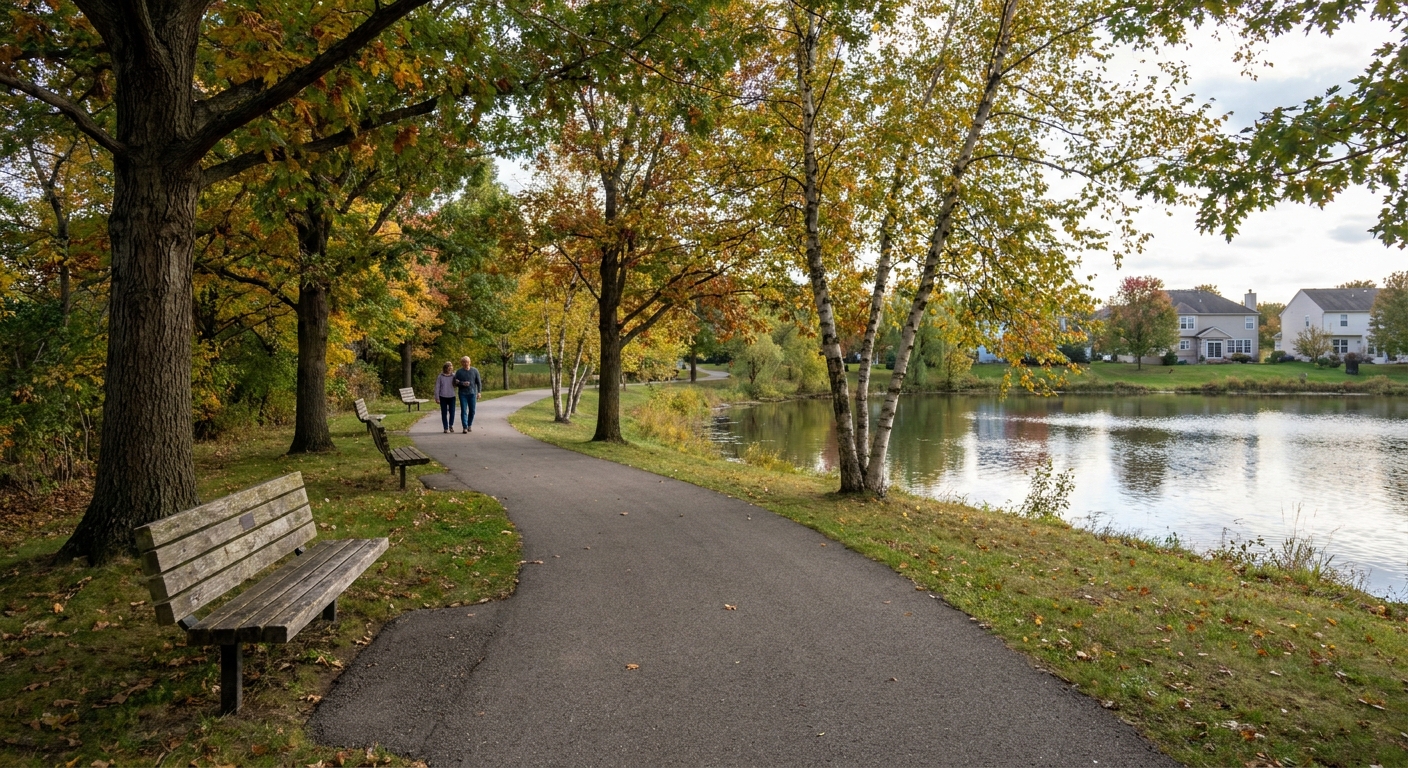
Trails in the suburbs are underrated. Look for a multi-use path, a creekside trail, or a loop around a pond. You are aiming for movement without the big hike vibe.
If you want to turn this into a mini walking tour, boundaries help you keep it contained and interesting.
Map a self-guided walking tour with ZIP code boundaries is a great way to make residential streets feel intentional instead of random.
Quick practical note: before you commit, check park hours, lighting, and trail surface if you are bringing a stroller, a mobility device, or kids on bikes. Suburban paths can vary a lot from “smooth and lit” to “beautiful but muddy.”
Stop 3: The third place
This is the part of the day that makes it feel like a staycation. Pick one slow, local spot where people linger.
- A library with a sunny reading area
- A plant nursery
- A used bookstore
- A farmers market if it is running
- A hobby shop where you can browse without rushing
My rule is: if you can comfortably spend 20 minutes there without buying anything, it is the right kind of place for this itinerary.
Stop 4: Late lunch
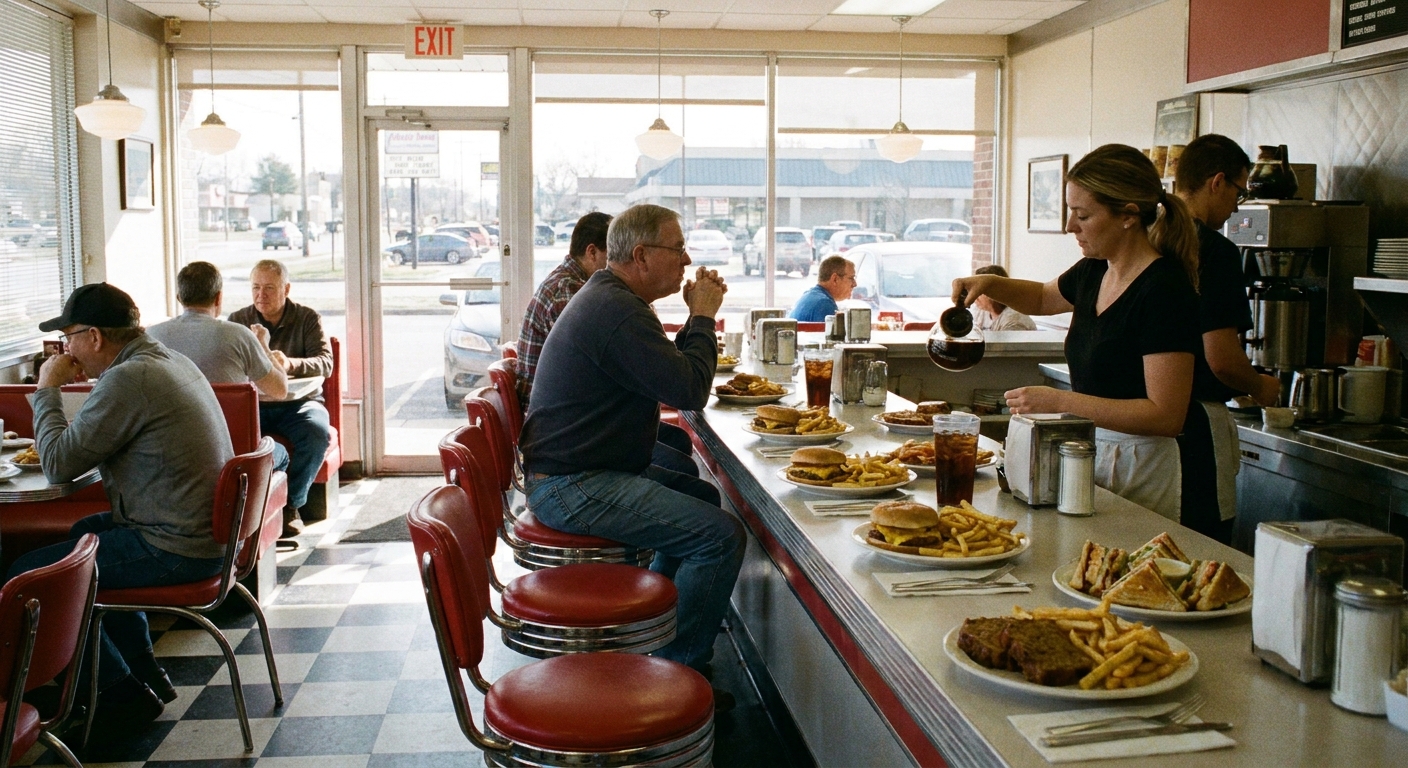
Residential ZIP codes shine at lunch. Look for any of these signals:
- Handwritten specials board
- Lots of work trucks at noon
- Families and retirees mixed together
- A menu that has been laminated forever and is still going strong
If you want a method for finding low-key standouts, I have a whole approach for using ZIP code boundaries to hunt for places locals love.
Find hidden gem restaurants with a ZIP code
Stop 5: An only-here detour
Suburbs are full of tiny, specific attractions. You just need one.
- A weirdly great international grocery store
- A historic marker you have never read
- A neighborhood with bold mid-century houses
- A local nature preserve with a short boardwalk
- A public art piece in an unexpected spot
This is where your day gets a story. Even if the story is simply, “We found the best corner bakery hiding next to a hardware store.”
If it feels too quiet
Some ZIP codes are truly residential, and that is fine. Quiet does not mean boring. It just means you need a different kind of activity list.
Use the three anchors
Build your day around three anchor stops, then let the spaces between them be the adventure.
- Anchor 1: coffee or breakfast
- Anchor 2: park or trail
- Anchor 3: lunch or dessert
Everything else is optional. A thrift store. A quick scenic drive through neighborhoods. A stop at a local bakery to bring something home. A pocket playground if you have kids in tow.
Do parks like a local
Instead of “go to a park,” pick a park mission:
- Find the shadiest picnic table and eat your pastry stash
- Do one full loop without checking your phone
- Read for 20 minutes on a bench
- Bring a frisbee or a soccer ball and actually use the open field
If you are traveling with kids or you just want a park that feels like a destination, start here:
Keep it a staycation
This is the line you do not want to cross: the day becomes a glorified run to Target. Here is how I keep it firmly in staycation territory.
Rules I follow
- No big-box shopping before lunch. It flips your brain into chore mode.
- One treat purchase max. A pastry, a small plant, a local jam. Keep it light.
- Sit down twice. Once for coffee, once for lunch or dessert. Sitting is what makes it restful.
- End with a view. A sunset at a pond, a quiet overlook, or even just a pretty neighborhood loop.
Check weather by ZIP
In a downtown, you can duck into museums all day. In a commuter suburb, your best moments are usually outdoors. I check conditions by ZIP as a starting point, then I sanity-check it against what I see on the radar for nearby areas. Weather does not always respect ZIP boundaries, but it is still a handy way to get more local than “the whole metro area.”
Match hyper-local weather to ZIP codes
One more small thing that saves me every time: verify hours before you drive. In residential areas, the best bakery might sell out early and the cutest cafe might close at 2 p.m.
A sample day plan
If you like a schedule you can copy, here is one that works in almost any neighborhood-heavy ZIP code.
- 9:00 a.m. Coffee and something small to take with you
- 10:00 a.m. Trail loop or park walk, slow pace
- 11:30 a.m. Browse a bookstore, nursery, or local market
- 1:00 p.m. Late lunch at a local staple
- 2:30 p.m. Drive a scenic neighborhood route and stop at one only-here detour
- 4:00 p.m. Dessert or an afternoon iced coffee
- 5:00 p.m. Golden-hour park bench moment, then head home
That is it. Nothing intense, nothing expensive, and you still get the satisfied feeling of having gone somewhere.
Suburb staycation FAQ
Is this fun if I live in the suburbs?
Yes, maybe even more. Pick a ZIP code across town, ideally separated by a highway, river, or a different school district. Those small boundaries can create totally different local favorites.
What if the ZIP code has no walkable center?
Use a park as the center. Drive to the best green space you can find, then choose food within a 5-mile radius. You are building a hub-and-spoke day, not a strollable downtown.
How do I keep it cheap?
Pay for one meal and make the rest of the day parks, trails, and browsing. My favorite budget move is: coffee plus pastry in the morning, picnic snack at the park, late lunch as the main spend.
What if I am scouting before moving?
Perfect use case. Run this exact itinerary and pay attention to the little things: traffic patterns at noon, how parks feel, how busy restaurants are, and what kinds of small businesses exist. If you want a more intentional scouting day, start with this:
Pick a boring ZIP on purpose
The best part of a commuter suburb staycation is that it is repeatable. You can do it any weekend you are tired, broke, busy, or simply not in the mood for crowds. Choose a residential ZIP, build three anchors, and let the day stay gentle.
If you want more ways to plan low-key adventures around ZIP boundaries, you can browse the Town Guides collection here: Town Guides. And if you are brand new to planning trips by ZIP, start with: Plan a local day out beyond a ZIP code.