

I grew up in a military family, which meant I was always the new kid. My fastest way to feel grounded in a place was to hunt for the story underneath it: an old courthouse square, a tiny museum run by volunteers, a plaque hidden near the post office. These days I do the same thing on purpose, except I start with a ZIP code and build a whole micro-trip around the history that lives inside those five digits.
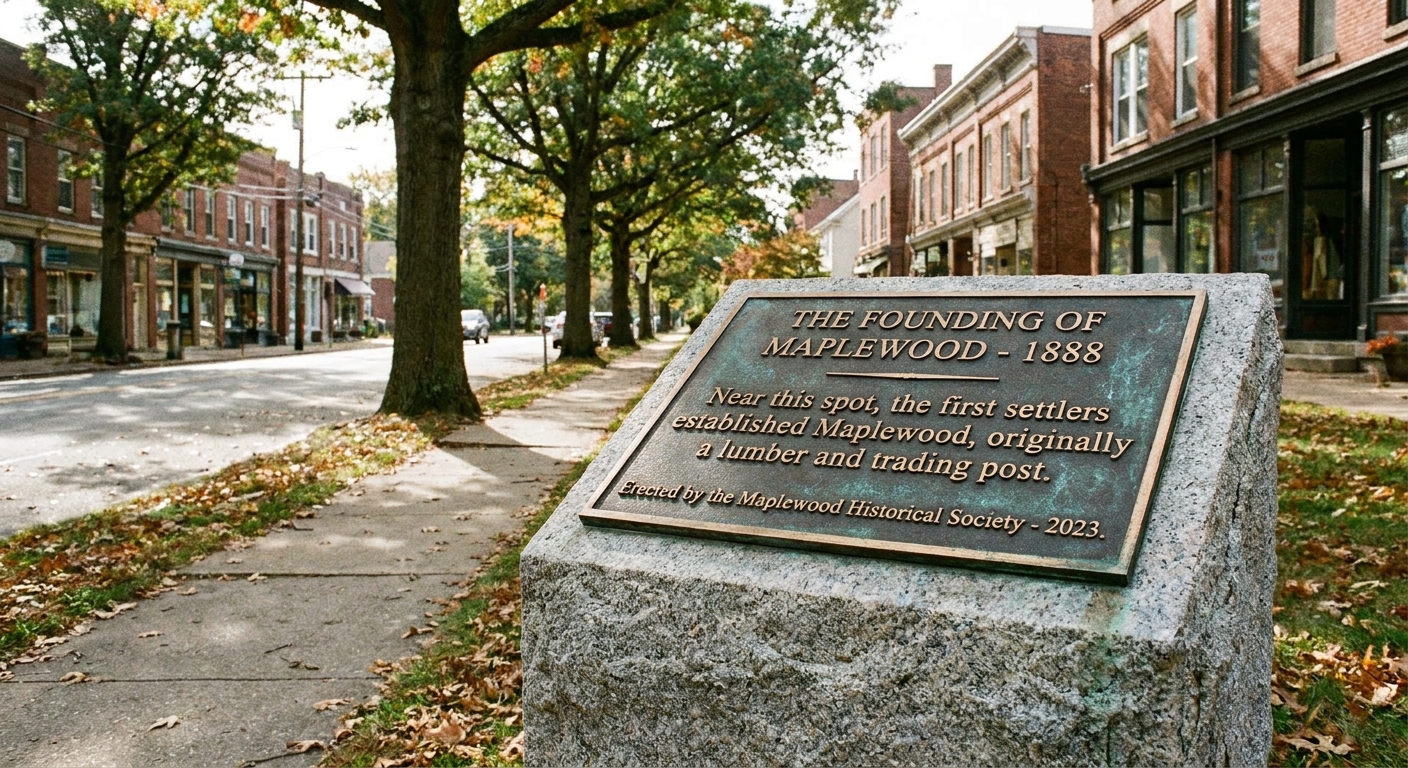
If you have ever driven past a sign that made you slam on the brakes and say, “Wait, what happened here?”, this guide is for you. Here is how to find historical markers, niche museums, and quietly fascinating sites by narrowing your search to a specific ZIP code region.
Why search history by ZIP code
City names are great until they are not. Towns sprawl, ZIP codes can cross municipal lines, and plenty of historic sites sit in unincorporated areas with “nearest town” descriptions that are not very helpful. A ZIP code search keeps you focused on a manageable area you can actually explore in an afternoon.
- It limits the rabbit hole. You get a tight cluster of leads instead of a statewide list.
- It helps you plan logistics. Parking, walking distance, and drive time become obvious fast.
- It surfaces the overlooked stuff. The small plaques behind the library are often more interesting than the big billboard attractions.
If you are still deciding whether to search by city or ZIP code, I broke down the differences here: City name vs ZIP code search.
Know the limits of a ZIP code
A ZIP code is a USPS delivery area, not a neat neighborhood boundary you can “see” on the ground. In dense places, one ZIP code can cover only a few blocks. In rural areas, a single ZIP code can sprawl across a big chunk of county.
Also, listings do not always use the ZIP code you expect. Some attractions show up under a nearby city name, even if they are technically in a different ZIP code. That is why I like a simple rule: start with the ZIP code, then allow a small radius around it when the good stuff is just outside the line.
Start with a ZIP code map mindset
Before you search anything, decide what kind of history day you want. I use one of these starter intentions so I do not end up with 18 tabs and no plan:
- One theme: railroads, civil rights, architecture, coastal defenses, mining, aviation, you name it.
- One era: colonial, Victorian, Dust Bowl, WWII, postwar boom.
- One format: markers and plaques only, or museums only, or a cemetery and a courthouse combo.
Then I draw a simple boundary: “This ZIP code, plus whatever is within a 5-mile radius if the good stuff is just outside the line.” If you like that approach, use this guide as your planning backbone: How to plan a 5-mile radius day trip from any ZIP code.
Find markers in a ZIP code
1) Use map search well
Open your preferred map app and start with the ZIP code, then stack keywords. Instead of searching only “historical marker,” rotate through terms that different databases and locals tend to use.
- Marker keywords: “historical marker,” “historic plaque,” “heritage marker,” “wayside exhibit,” “interpretive sign”
- Local history keywords: “historical society,” “local history museum,” “heritage center,” “museum annex,” “archives”
- Site keywords: “cemetery,” “courthouse,” “depot,” “mill,” “mission,” “fort,” “battlefield,” “shipwreck,” “canal”
Example query: try “27514 historical marker,” then repeat with “27514 courthouse” or “27514 local history museum.”
My trick: search the ZIP code plus a single keyword first, then zoom in and pan around slowly. Markers are often pinned as “tourist attraction” or “point of interest,” not as “museum.”
2) Check your state marker program
Many, though not all, states run official historical marker programs, and the quality varies a lot. When they are maintained well, these programs often have searchable listings, maps, or PDFs organized by county, route, or theme. If your ZIP code spans multiple jurisdictions, this step helps you catch official markers that might not be well mapped elsewhere.
What to look for: marker title, dedication year, sponsor, and an address or intersection. Even if the coordinates are slightly off, the text usually gives you enough context to find the actual sign.
3) Search for “museum” that does not look like a museum
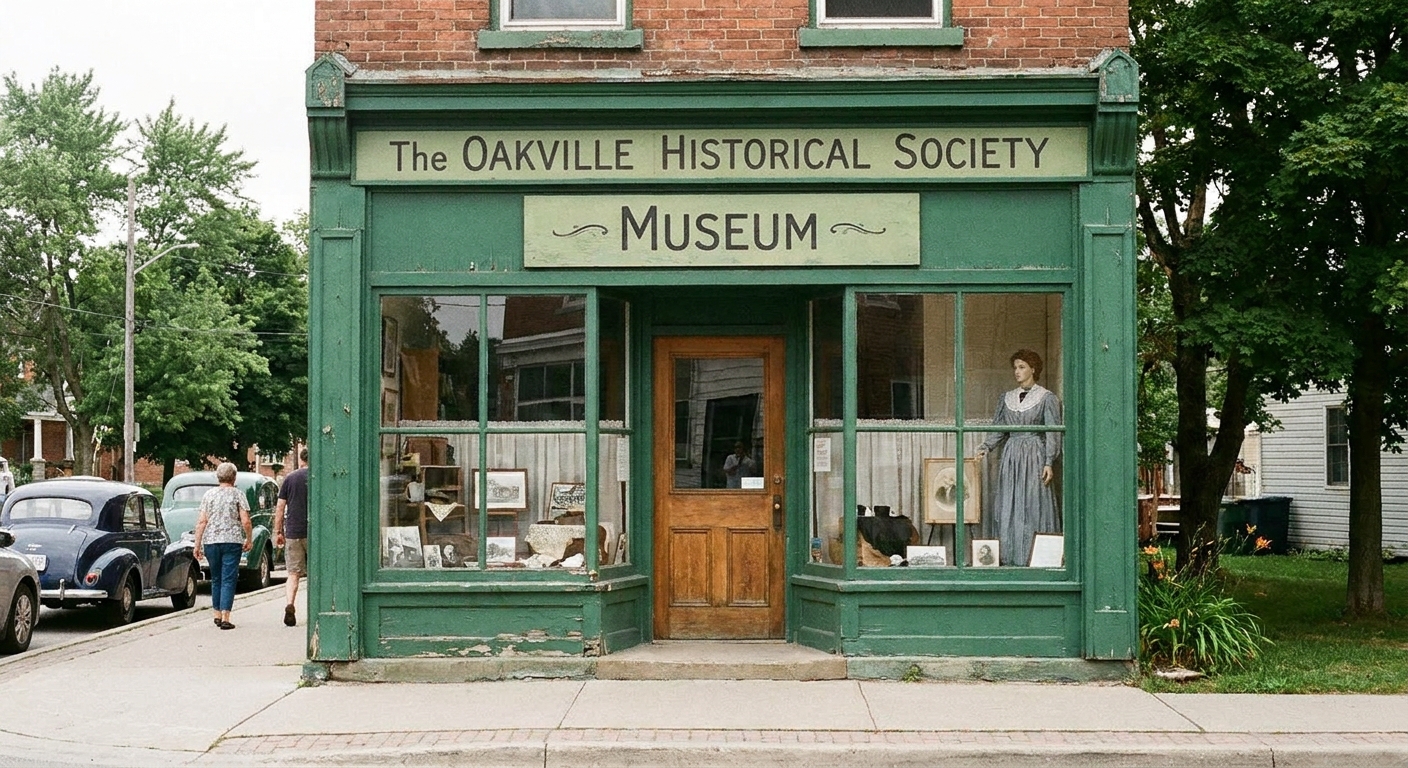
Some of my favorite places do not advertise like professional institutions. In map results, click anything that sounds like a volunteer-run gem, especially if it is connected to a community building.
- “Historical Room” inside a library
- “Heritage Collection” in a town hall
- “Railroad Museum” that is really one restored caboose
- “Pioneer Museum” that is open limited hours
Expect odd schedules and call-ahead situations. That is not a downside. It is part of the charm, and it is why you verify first.
4) Use photos to confirm it is real and accessible
Once you have a pin, open the photo carousel and look for:
- A clear photo of the plaque text (so you know it is worth the stop)
- Where it sits (roadside pull-off, courthouse lawn, trailhead kiosk)
- Parking reality (tiny shoulder, busy intersection, paid lot)
- Walking surface (gravel, steps, boardwalk, sidewalk)
If there are no photos, I treat it like a maybe and build a backup stop nearby.
Build a simple history loop
Historical sites are perfect for a loop because they are often quick stops. The goal is not to drive 90 minutes between plaques. The goal is to stitch together short, satisfying moments.
My go-to order
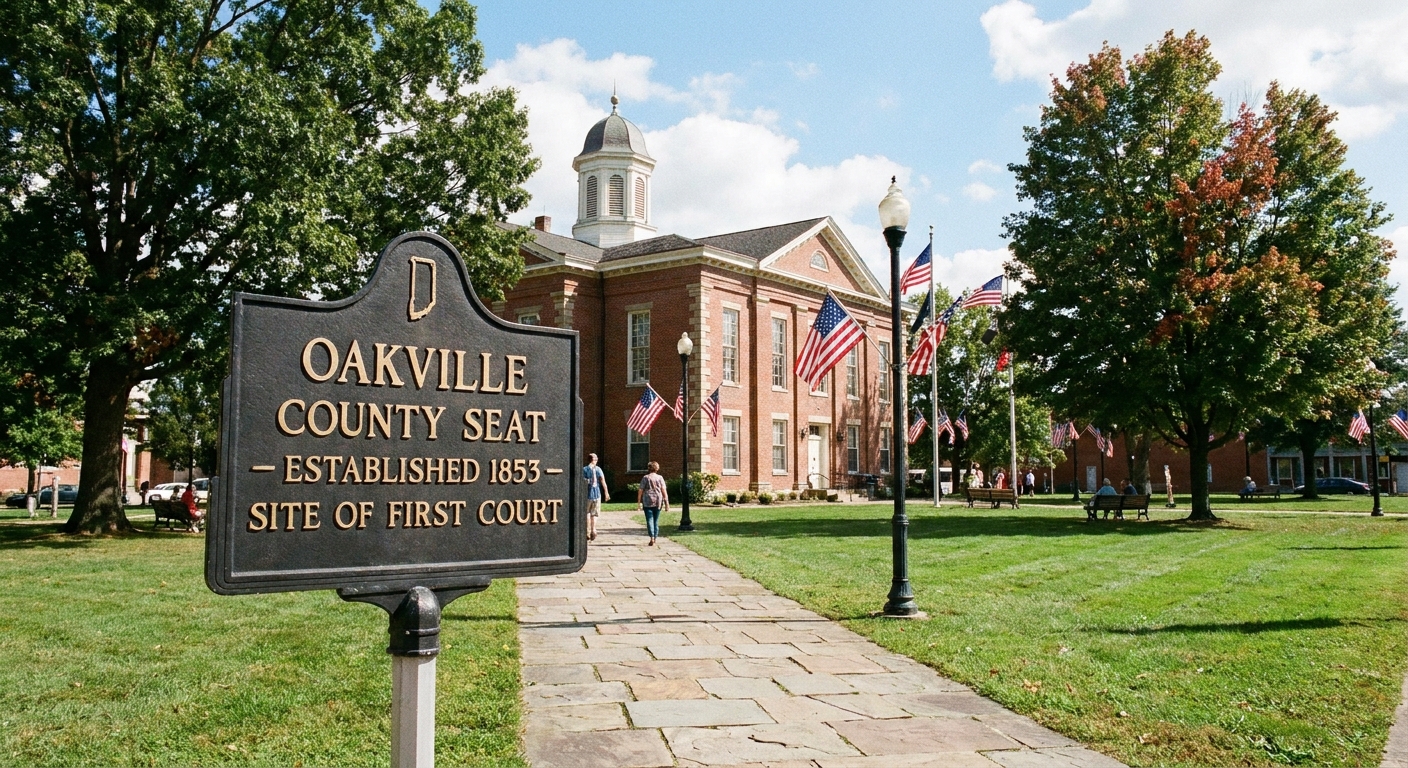
- Coffee near the oldest cluster. Downtowns and courthouse squares often have the densest history per block.
- Two to three markers you can walk between. This keeps the day from turning into a car-seat marathon.
- One anchor stop. A small museum, historic home, fort, or heritage center that takes 45 to 90 minutes.
- A scenic detour. Cemetery with notable graves, old bridge, riverfront, historic neighborhood.
- Lunch that feels local. Bonus points if the diner has framed town photos on the wall.
If you want to lean into the walking part, build it like a self-guided tour: Map a self-guided walking tour with ZIP code boundaries.
Keep the drive time honest
I try to keep history loops under:
- 25 minutes between stops if I am doing multiple markers
- 40 minutes max if the anchor site is truly special
When you are tempted to add just one more across town, save it as a pin for a future day instead.
What counts as a marker
Markers are not always the classic bronze plaque on a stone pedestal. When you search by ZIP code, you will find all kinds of history breadcrumbs.
- Bronze plaques on downtown buildings, bridges, and monuments
- Interpretive panels at parks, trailheads, waterfronts, and battle sites
- Heritage district signs at neighborhood entrances
- Memorial stones in cemeteries or churchyards
- Industrial remnants like kiln foundations, mill races, or railroad grades with signage
Where they hide: behind visitor centers, along the side of a library, at the edge of a parking lot, or right next to a building entrance you have walked past three times.
Verify hours and access
Nothing kills a history mood like arriving at a “museum” that is actually a locked room open two Saturdays a month. A quick verification routine saves your day.
My 5-minute verification checklist
- Check recent reviews (within the last 6 to 12 months) for closures or construction.
- Look for an official website or social page if it is volunteer-run, hours change often.
- Street View the location to confirm the sign exists and the pull-off is safe.
- Scan photos for accessibility like steps, uneven ground, or distance from parking.
- Confirm land status if it is on private property or a churchyard with limited access.
If mobility access matters for your day, it is worth calling ahead to ask about ramps, surface type, and the real distance from parking to the exhibit.
If you are building a whole day out, I like to keep a Plan B stop that is always open, like a public park with interpretive panels or a historic downtown block.
For more ideas on layering stops into a full itinerary, this guide pairs well: Plan a local day out beyond a ZIP code.
Spot a good niche museum
Niche museums are my favorite surprise payoff because they turn a quick plaque stop into a story you will talk about at dinner. When you are searching in one area, use these signals to find the good ones.
Green flags
- Small but specific: “Telephone Museum,” “Quilt Museum,” “Maritime Heritage Room,” “Coal Camp Museum.” Specific can be a good sign because it suggests a real focus, but I still confirm with photos and reviews.
- Local stewardship: run by a historical society, friends group, or town foundation.
- Location with context: inside a depot, a schoolhouse, a former bank, a lighthouse keeper’s house.
- Visitor photos show real artifacts and not just a gift shop.
Reality checks
- Limited hours are normal. Build your day around the museum’s open window, not the other way around.
- Cash donations are common. I carry a little cash when I am doing micro-museums.
- Some are appointment-only. If a listing suggests that, call or message ahead.
Check marker credibility
Marker text is a great lead, but it is not always the final word. Wording can be outdated, oversimplified, or sometimes disputed, especially on complicated local topics.
If a marker makes a big claim that sounds sensational, I do a quick second check. I look for a local historical society, a small museum exhibit label, or a town archive that provides more context. Even a couple of corroborating sources can turn a “huh” moment into an actual story you can trust.
Make it fun: history bingo
If you are traveling with kids, friends, or a partner who is not naturally thrilled by plaques, give the day a little game energy. Pick five to find on your loop:
- A marker mentioning a surprising person
- An original building date earlier than 1900
- A site tied to transportation (rail, canal, port, highway)
- A weirdly specific local industry (brickworks, glass, oysters, logging)
- A memorial with a view (hilltop, riverfront, courthouse lawn)
This is also how you avoid the “we saw three plaques and they all blurred together” problem. You are collecting moments, not just checking boxes.
Common problems
The pin is wrong
Markers get mapped by well-meaning people, and sometimes the location is a block off. Use the photos and the text on the listing to triangulate. Intersections and nearby landmarks help more than street numbers.
The marker is on a dangerous shoulder
If there is no safe pull-off, do not risk it. I have skipped plenty. Look for a nearby parallel road, a lot entrance, or a park where you can legally park and walk back safely if sidewalks exist.
The museum is closed
Swap in an outdoor history stop: a cemetery with notable stones, a historic district stroll, or a riverwalk with interpretive panels. This is why I like building days with multiple short stops.
Everything is old but nothing has context
When you are staring at old buildings with no signage, pivot to an organization that explains them. Search the ZIP code for “historical society” or “heritage foundation” and start there. They usually have a walking map, a binder of clippings, or at least a staff member who loves telling stories.
Be respectful on-site
Once you are standing in front of a marker, a few small habits make the stop more rewarding and more respectful.
- Photograph the text so you can read it later without blocking other visitors.
- Look around for the second marker. Many sites have more than one plaque nearby.
- Keep cemetery etiquette tight: stay on paths when possible, do not touch fragile stones, and treat it like someone’s family space.
- Give yourself two minutes of quiet. I know that sounds cheesy, but it turns a sign into a place.
Try a 90-minute micro-trip
If you want a fast win, use this exact structure in any ZIP code:
- Pick a ZIP code.
- Find 3 markers within a 10-minute drive of each other.
- Add 1 anchor stop (museum, historic home, heritage center, or courthouse square).
- Add 1 snack stop close to the densest marker cluster.
- Finish with a scenic history spot like a cemetery viewpoint, waterfront, or historic neighborhood block.
That is it. You have a real outing, not just a list of pins.
If you want more ways to build adventures from small geographic slices, browse the main hub: ZIP Code Lookup.
FAQ
Can a ZIP code cross city lines?
Yes. ZIP codes are USPS delivery areas, not municipal boundaries. They can cross city lines, and they do not reliably map to a single city.
Are all markers officially verified?
No. Some markers are installed by official programs, others by civic groups, and some are community-made signs. Treat the marker text as a lead, then cross-check details if you plan to repeat the story elsewhere.
What should I bring for a marker day?
- Comfortable walking shoes
- Water
- Sunscreen or a rain layer depending on season
- A little cash for donation-based museums
- A phone charger if you are mapping all day
How do I find food that matches the vibe of a history day?
I look for independent diners, bakeries, and old-school lunch counters near the courthouse square or the original downtown strip. If you want a ZIP code-focused way to hunt for those spots, this is my favorite method: Find hidden gem restaurants with a ZIP code.