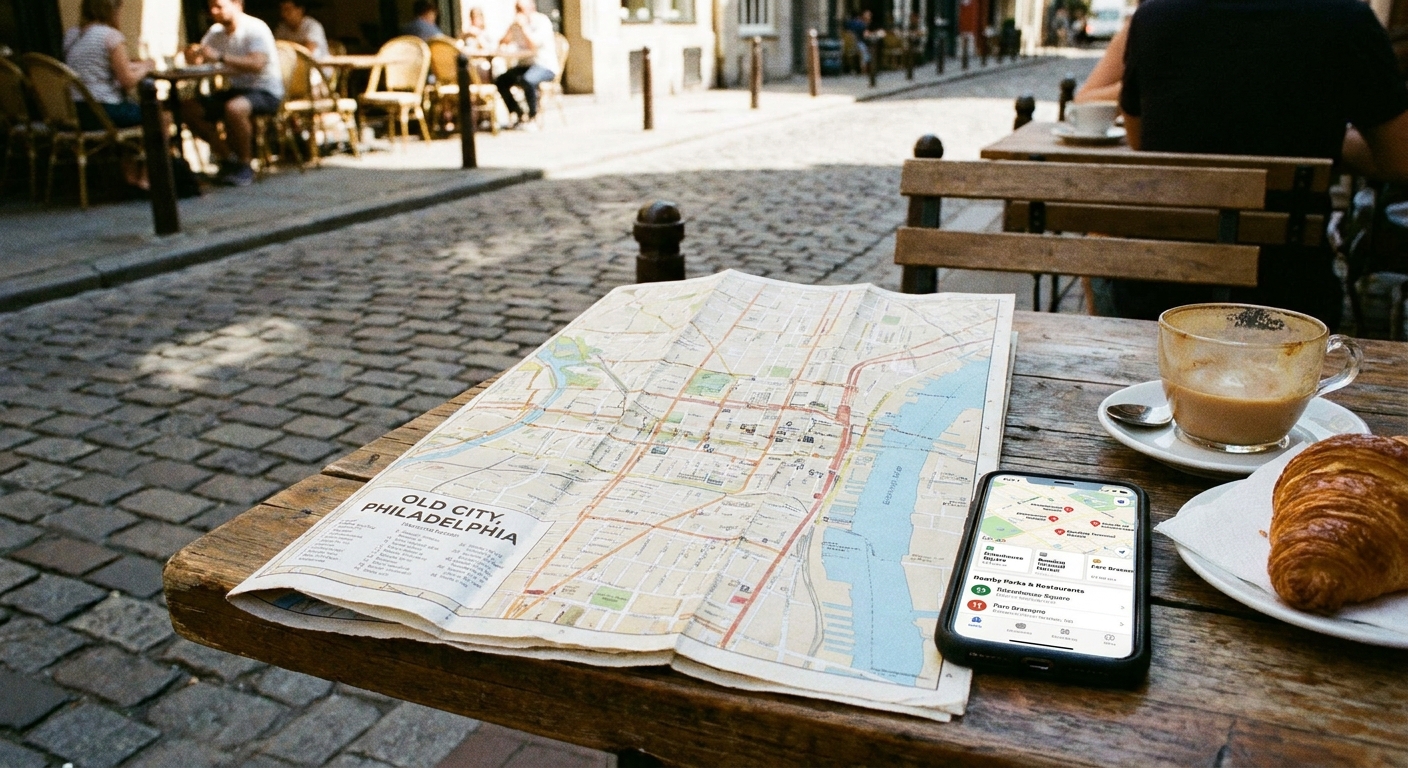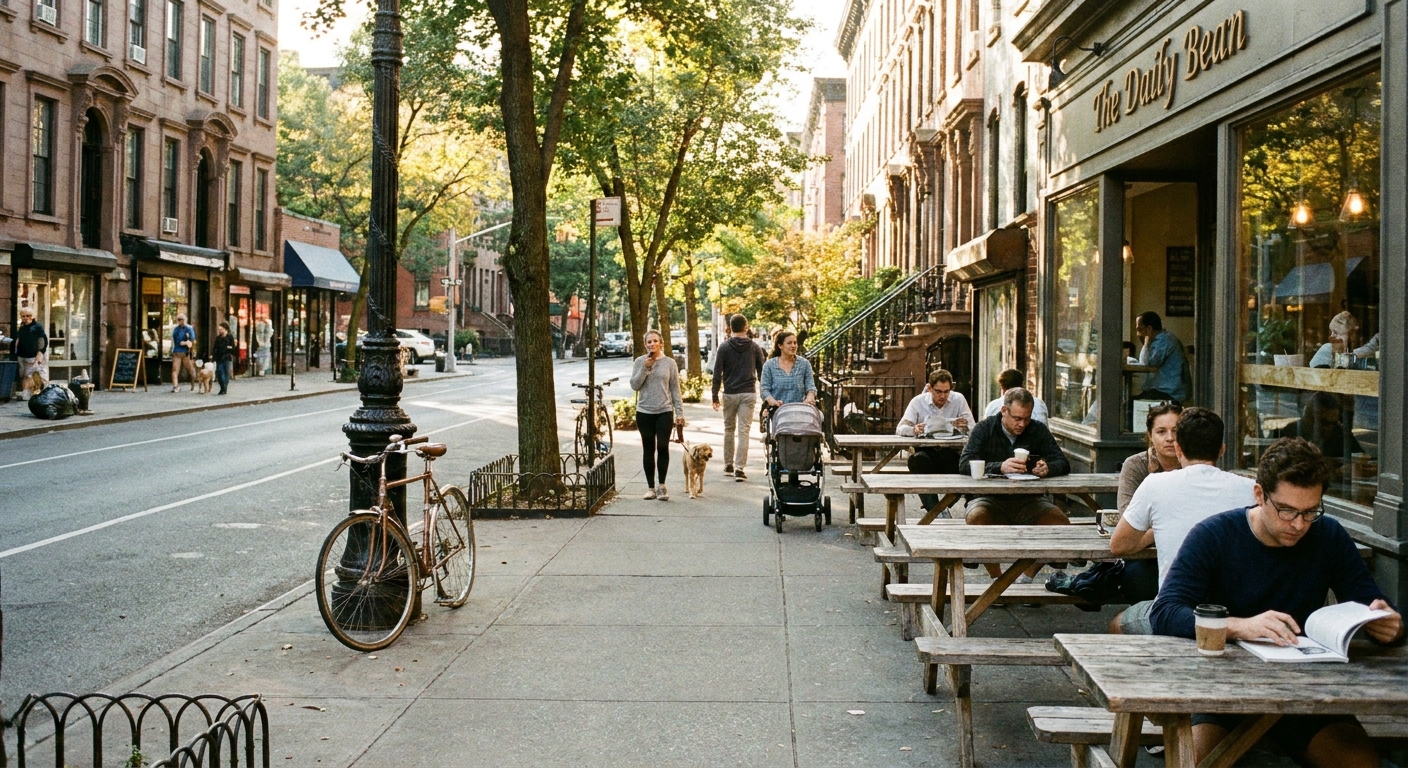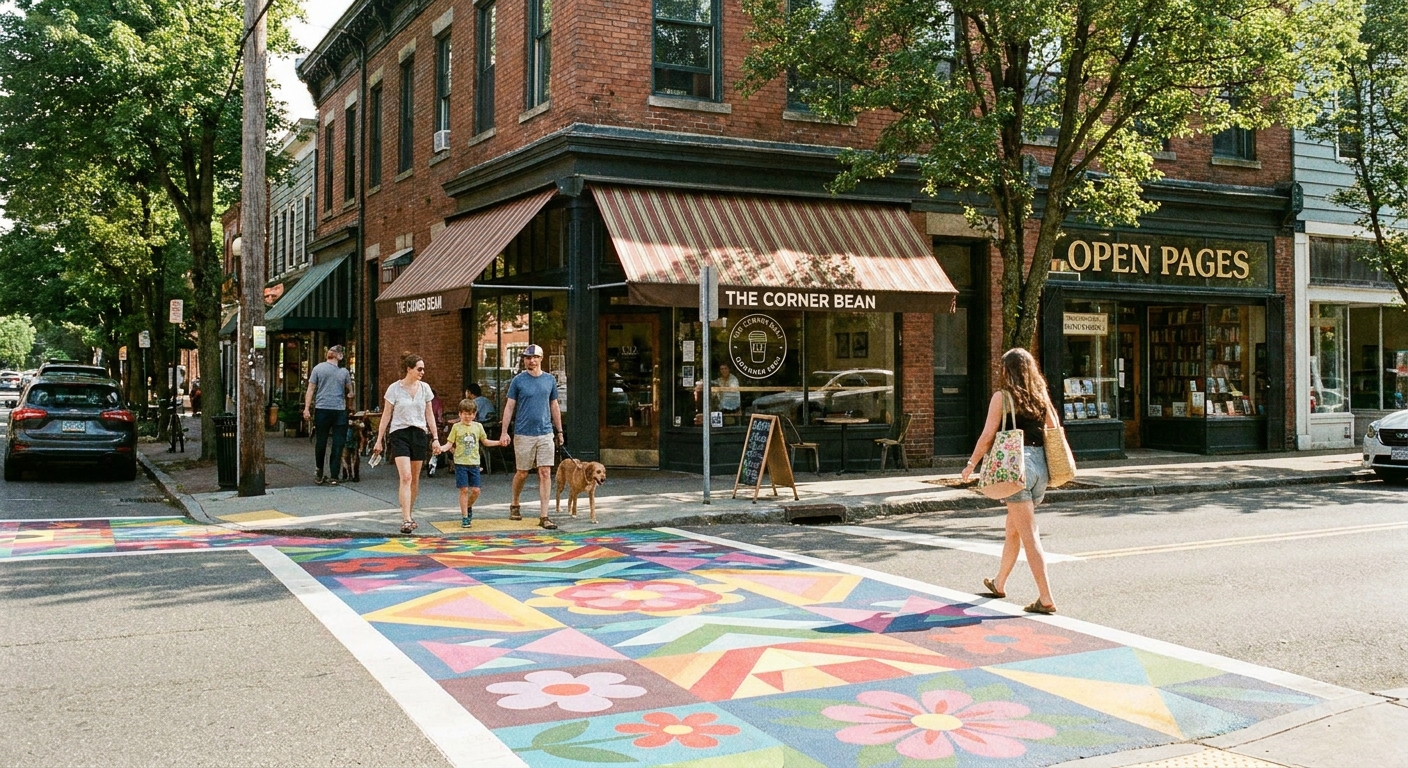

I learned to love college towns the same way I learned to love every new place we got stationed when I was a kid: by getting out of the obvious zone as fast as possible. Campus is fun, yes, but in a lot of towns the best bites, the quietest parks, and the live music with locals singing along are tucked one or two ZIP codes away.
This is my favorite way to build a weekend visit to any university town: treat campus like one stop on the map, then use the surrounding ZIP codes to stitch together a day that feels like you actually met the place.
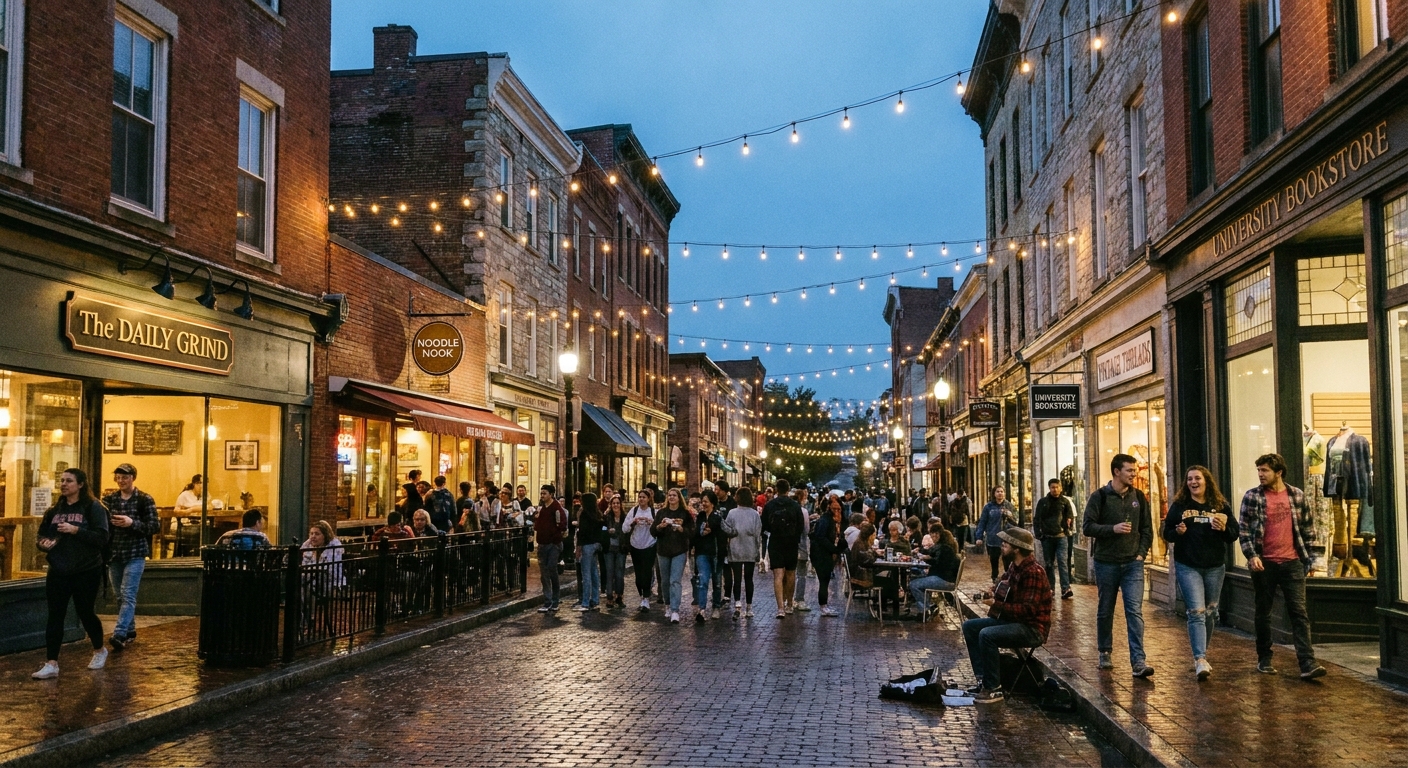
Why plan by surrounding ZIP codes
College towns are compact, but the vibe can shift fast as you cross invisible lines. One ZIP code might be student housing and late-night slices, while the next one over is where the farmers market, river trail, and family-run breakfast spot have been quietly thriving for 20 years.
- You avoid the “campus bubble.” Great for game day, not always great for a relaxed Saturday.
- You plan smarter routes. ZIP boundaries make it easier to cluster stops and cut backtracking.
- You get variety. Student eats, nature breaks, and a night show can each live in different ZIPs.
One quick note before you build your whole weekend around it: ZIP codes are postal delivery areas, not official neighborhood borders. They can be oddly shaped, and they do not always match city lines, so always sanity-check drive times and where the parking actually is.
If you want the broader approach first, start with planning a local day out beyond a ZIP code, then come back here for the college town version.
Step 1: Pick a hub ZIP plus two supporting ZIPs
Think of this like building a tiny solar system.
- Hub ZIP: the campus or downtown core where you can park once and walk around.
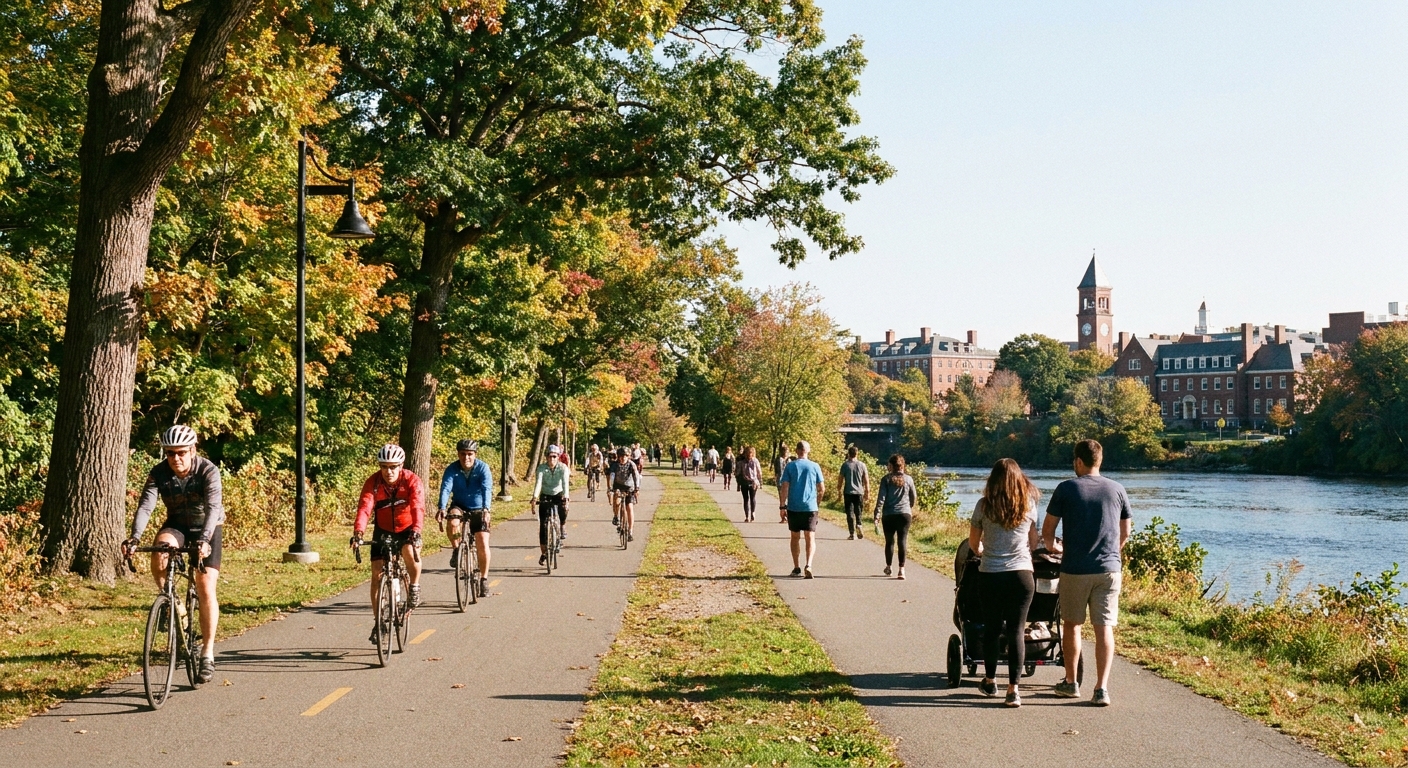
- Nature ZIP: the ZIP code that contains your easiest green space, trail system, lakefront, riverwalk, or state park access.
- Local-life ZIP: the area where residents actually run errands, meet for dinner, and catch live music on a random Thursday.
Even without knowing the town, you can usually identify these three ZIP roles in 10 minutes of map browsing and a little curiosity.
Two edge cases I run into a lot:
- Campuses can span multiple ZIP codes. If your university is huge, your “hub” might be two adjacent ZIPs. Pick the one with the most walkable cluster of things you care about.
- Some small or rural college towns are basically one ZIP. In that case, use nearby towns, a state park ZIP, or a “commercial strip” ZIP on the edge of town as your supporting players.
Need a quick refresher on searching by place name versus postal code? This helps when a university is technically “in” one city but functionally part of another: City name vs. ZIP code search.
Step 2: Use a 5-mile radius for easy ideas
I plan most micro-trips with a simple radius rule: if it is within about five miles of your current stop, it is fair game. In many college towns, five miles is the difference between “packed with students” and “quiet neighborhood bakery with perfect cinnamon rolls.”
As a practical guide, five miles is often about a 10 to 15 minute drive in light traffic, but it can be longer on game weekends or when one side of town is under construction.
Use this method for each of your three ZIP roles so you get options without creating a zigzag route. Here is my exact process: How to plan a 5-mile radius day trip from any ZIP code.
One tiny habit that saves me from “map pin betrayal”: after you pick a place, zoom in and confirm the address, then check the route time from your last stop. ZIP boundaries and place listings do not always line up neatly.
Step 3: Pick anchors, then fill in snacks
Anchors are the non-negotiables that shape your timing. I like two anchors per day (usually one nature and one entertainment), plus a campus anchor if it fits your mood and your schedule.
Good anchor ideas
- One nature anchor: a hike, lake loop, botanical garden, or scenic overlook.
- One entertainment anchor: a live show, minor league game, comedy night, outdoor concert, or museum with limited hours.
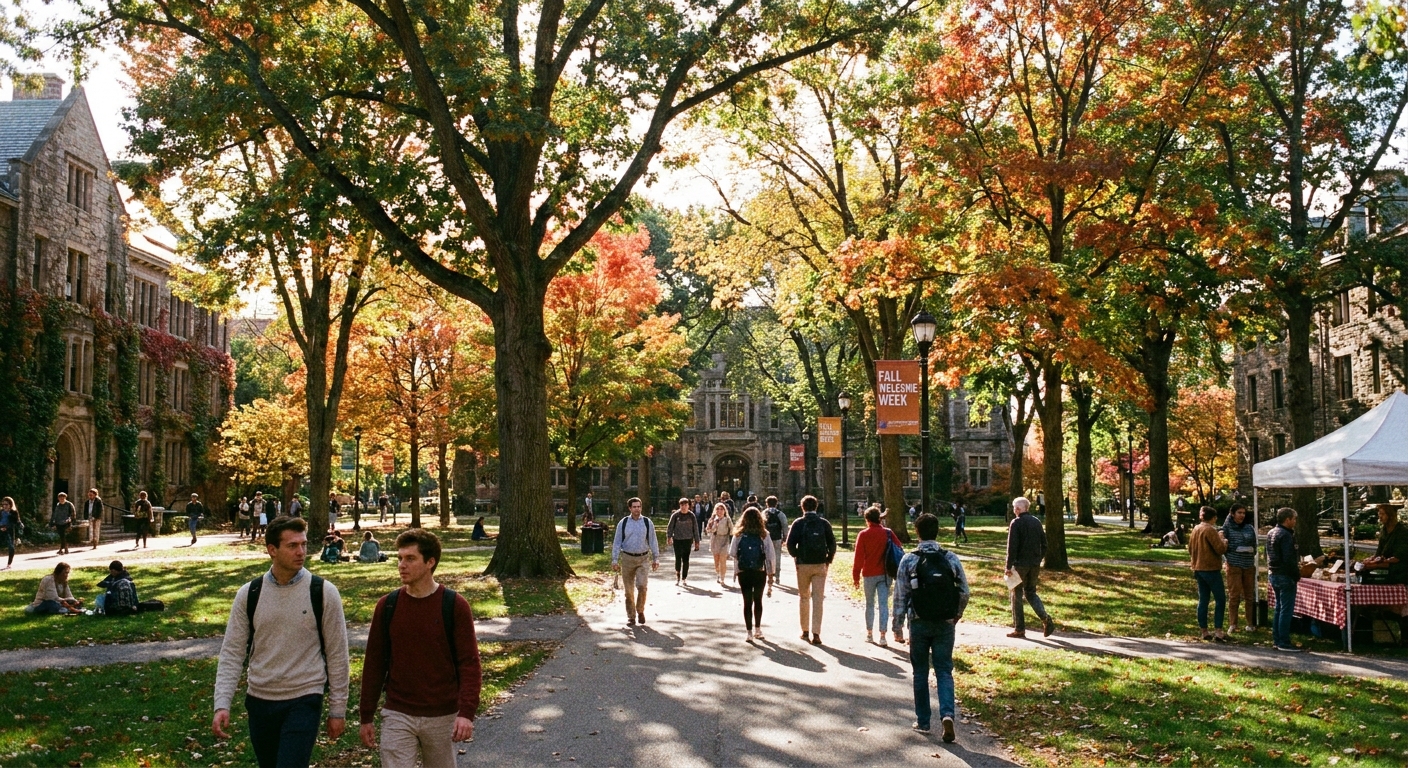
- One campus anchor (optional): a bookstore browse, stadium walk, historic quad, or campus art museum.
Once anchors are set, the rest is fun: coffee, browsing, a quick park detour, that used bookstore, and a dessert stop.
Step 4: Eat off-campus on purpose
Here is my rule: one meal on campus or downtown, one meal in the local-life ZIP. That split keeps you from doing the same “student corridor” restaurants twice.
How to spot the right dining ZIP
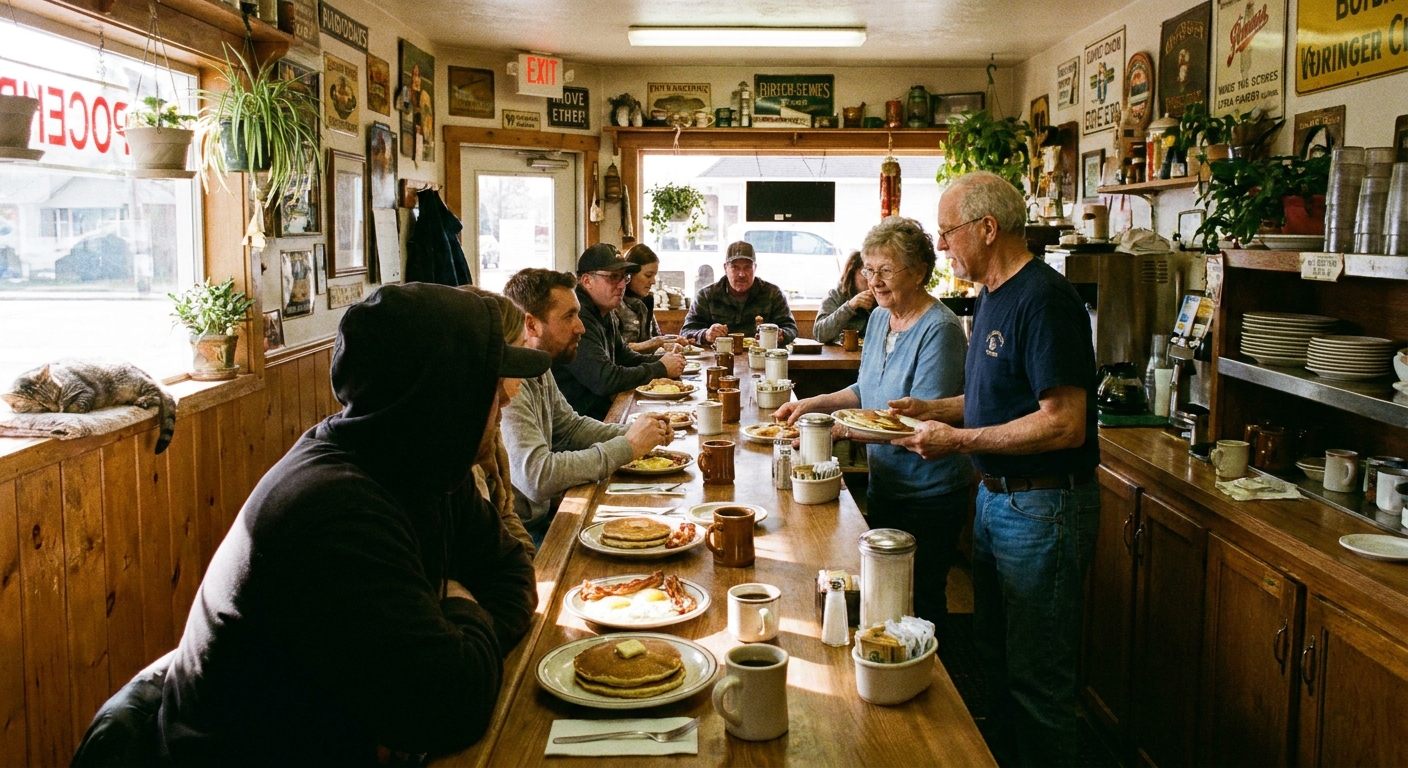
- Look for the “in-between” commercial strip where you see hardware stores, old diners, and a couple of international restaurants.
- Prioritize places near parks for an easy post-lunch walk.
- Check opening hours before you fall in love with a breakfast spot that closes at 1 pm.
If you want a more methodical way to use ZIP codes to hunt down mom-and-pop meals, this guide is my go-to: find hidden gem restaurants with a ZIP code.
Step 5: Choose one walkable pocket per ZIP
College towns reward walking, but not every area is equally pleasant on foot. Instead of trying to walk everywhere, pick one walkable pocket in each ZIP role.
- Hub ZIP: campus quad and the adjacent downtown blocks.
- Local-life ZIP: a historic neighborhood commercial street, arts district, or a cluster of small shops.
- Nature ZIP: a loop trail, lakeshore promenade, or garden paths.
For the hub area, I love sketching a “choose-your-own-adventure” loop with a coffee stop baked in. This walkthrough helps: map a self-guided walking tour with ZIP code boundaries.
Two sample weekend itineraries
These are meant to be plug-and-play. Keep the structure, swap the ZIP codes and specific venues for the town you are visiting.
Itinerary A: The classic weekend
Saturday
- 9:00 am (Local-life ZIP): Breakfast at a non-campus diner. Aim for a place with locals reading the paper and a short waitlist.
- 10:30 am (Hub ZIP): Park once, walk the quad, browse the independent bookstore scene, and pop into a small museum if it is on campus.
- 1:00 pm (Hub ZIP): Lunch downtown, then a 20-minute reset walk through the prettiest residential streets near campus.
- 3:00 pm (Nature ZIP): Trail loop or scenic drive with one photo stop.
- 6:30 pm (Local-life ZIP): Dinner with a menu that is not geared only to late-night and student budgets.
- 8:30 pm (Entertainment, usually Local-life or Hub ZIP): Live music, theater, or a low-key bar with a patio.
Sunday
- 9:30 am (Nature ZIP): Easy morning walk. Keep it under 90 minutes.
- 11:30 am (Local-life ZIP): Coffee and a pastry, then one quirky shop stop.
- 1:00 pm (Hub ZIP): Quick campus goodbye: stadium exterior, landmark building, or the best viewpoint.
Itinerary B: Nature-forward and quirky
Saturday
- 8:30 am (Nature ZIP): Start early at the biggest green space so you beat crowds.
- 11:30 am (Local-life ZIP): Early lunch, preferably something regional.
- 1:00 pm (Local-life ZIP): Antique mall, record shop, or neighborhood art space.
- 3:30 pm (Hub ZIP): Campus architecture walk and the pretty-building photos.
- 6:00 pm (Local-life ZIP): Dinner plus dessert, then a sunset overlook if you can find one nearby.
Sunday
- 10:00 am (Hub ZIP): Brunch downtown, then a slow stroll through a nearby historic district.
- 12:30 pm (Nature ZIP): Short trail or garden, then head out.
Logistics that keep it easy
Parking: pay once, walk twice
- Hub ZIP: choose one garage or meter cluster and commit. Walking is part of the fun.
- Local-life ZIP: street parking is often easier. Look one block off the main drag.
- Nature ZIP: arrive early if it is a popular trailhead. If there is an overflow lot, use it and start calm.
Timing: dodge the surge
Even outside move-in week, campus areas surge around:
- late-morning brunch rush
- game-time arrivals
- show start times
- post-class late-afternoon rush
If you are not there for sports, plan your campus walk in the morning and your local-life dining in the evening.
Weather: match conditions to the right ZIP
College towns can have surprisingly different conditions within a short drive, especially near water, hills, or open farmland just outside the core. Think lake breeze on one side of town, or a little river-valley fog that hangs on longer than you expect. If it is hot, schedule nature earlier and save indoor browsing for mid-afternoon. If it is drizzly, flip it and keep your main walk for the clearest window.
I also like checking weather by area, not just the city center: match hyper-local weather to ZIP codes.
If you have no car
If you are visiting without a car, you can still use the ZIP code approach. Just tighten the radius and pick ZIPs that connect well by foot, campus shuttle, rideshare, or a simple bus line. In practice, that usually means one hub pocket, plus one nearby “local-life” pocket for dinner. Save the nature ZIP for the next visit, unless there is a riverwalk or big park you can reach easily.
Quick checklist
- Pick a hub ZIP (campus and downtown).
- Add a nature ZIP for a trail, lake, or park system.
- Add a local-life ZIP for off-campus meals and nightlife.
- Choose two anchors per day (usually nature plus entertainment).
- Plan one walkable pocket per ZIP.
- Leave one open slot for a spontaneous stop you notice while driving.
If you want more town-first itinerary ideas like this, the jumping-off point is Town Guides. And if you are curious about the person behind the ZIP code rabbit holes, you can find me at Leah Carmody.