

I grew up in a military family, which means I got very good at landing in a new place and asking one question fast: what is the coolest thing within a short drive? These days I do the same thing on purpose, except I start with a zip code and build a whole micro-trip around it. If you want a day that feels like a field trip for grown-ups (or an actual family field trip that does not melt down by 2 pm), a STEM-themed day out is one of the easiest wins.
The trick is not just picking one science museum. The magic is chaining together interactive stops that are close enough to keep energy high: a science center in the morning, a planetarium show midday, a quick engineering or robotics exhibit after lunch, and a sunset telescope session if you have the stamina. Here is how to use location data and zip codes to make that day feel effortless.
Start with an anchor zip code
Every good STEM day needs a home base. Pick a zip code that is already convenient (near home, your hotel, or a friend you are meeting), or pick the zip code of the biggest science attraction in your region and work outward from there.
One quick nuance: in dense downtowns and on big campuses, the mailing zip code is not always the zip code where you actually enter or park. If that happens, use the zip code for the main visitor entrance or primary parking area, since that is what will shape your drive times.
If you are deciding between two areas, use this quick tie-breaker: choose the zip code that gives you at least two STEM stops within a short hop of each other. One great museum is nice. Two clustered stops make the day.
If you need a refresher on when to use a zip code instead of a city name, I keep it simple here: City name vs. zip code search.
Build your STEM stack
I plan most educational days using a predictable rhythm. It keeps the pace fun and prevents the classic science-museum burnout where everyone is overstimulated and hungry at the same time.
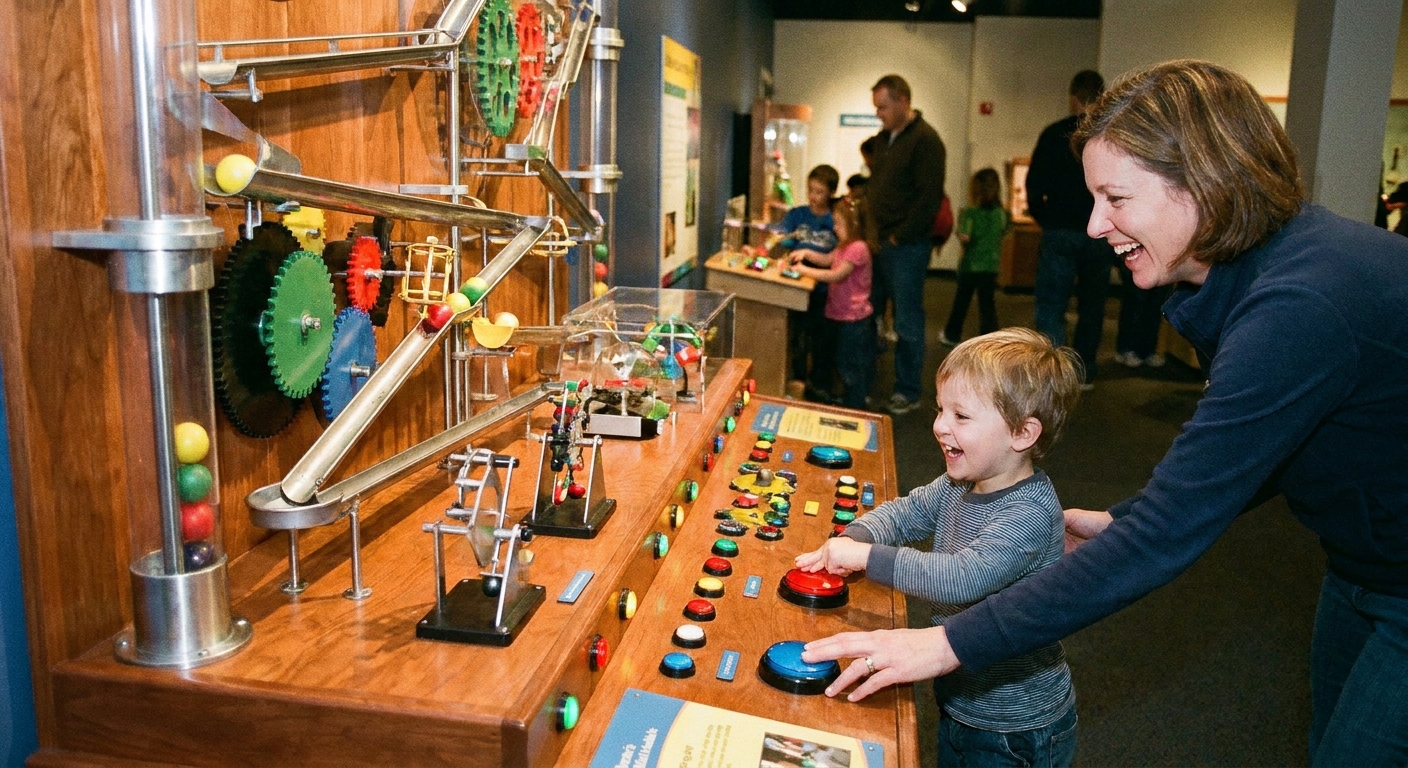
Stop 1: Hands-on science center (90 to 150 minutes)
Put your most interactive stop first. People are fresh, kids have patience, and you will actually read the exhibit labels instead of speed-walking past them.
- Look for: maker spaces, physics playgrounds, engineering challenges, live demos
- Pro move: arrive right at opening for parking and shorter lines at popular interactives
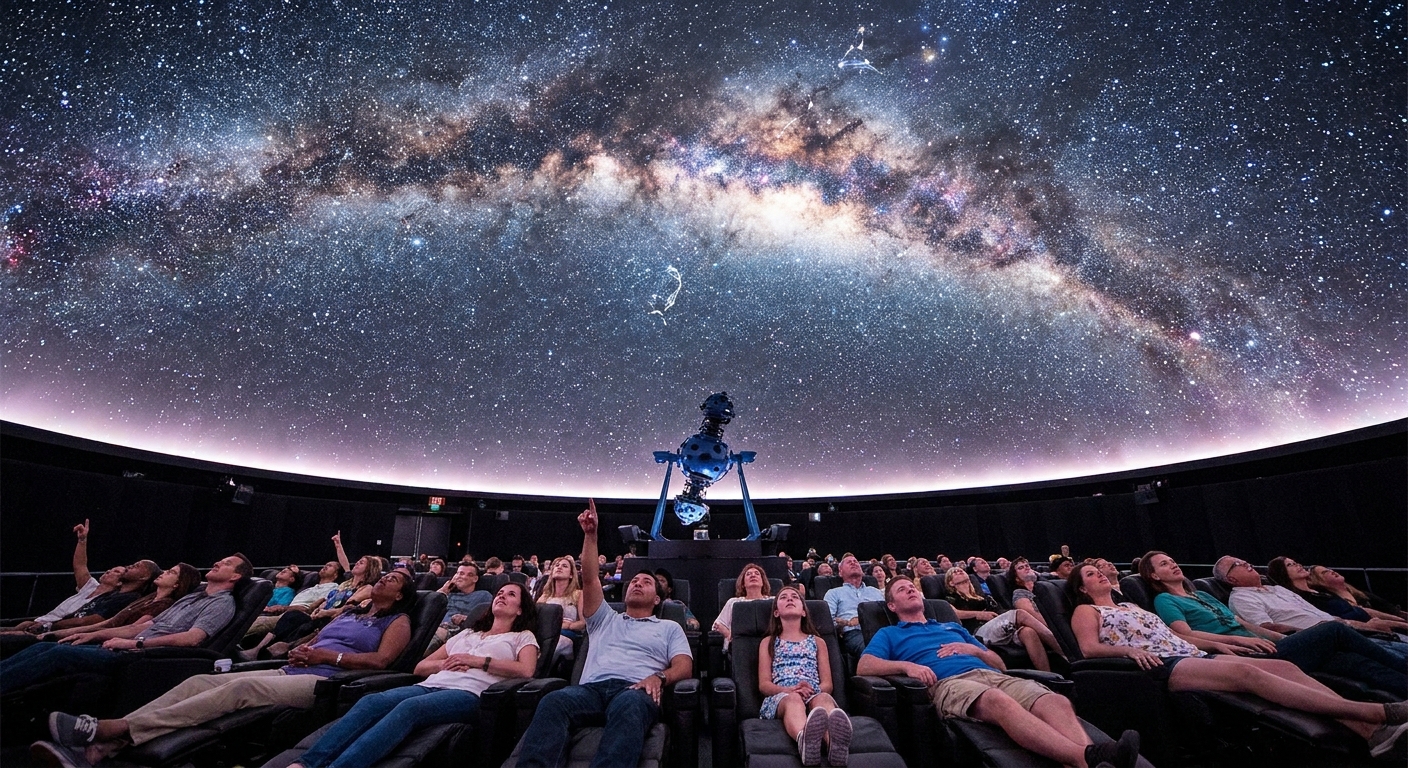
Stop 2: Planetarium or immersive theater (45 to 75 minutes)
This gives you a built-in rest break that still feels like part of the theme. A dark dome show is my favorite way to schedule “quiet time” without calling it quiet time.
- Look for: showtimes that land around late morning or early afternoon
- Pro move: book the show first, then build the rest of the day around it
Stop 3: Tech exhibit, aviation museum, or innovation hub (60 to 120 minutes)
After lunch, I like a place with a different kind of hands-on. Think computers, flight, robotics, communications, or transportation history.
- Look for: rotating exhibits, simulator bays, “future of” galleries
- Pro move: pick one highlight and commit. You do not have to see everything.
Stop 4: Sunset science (optional)
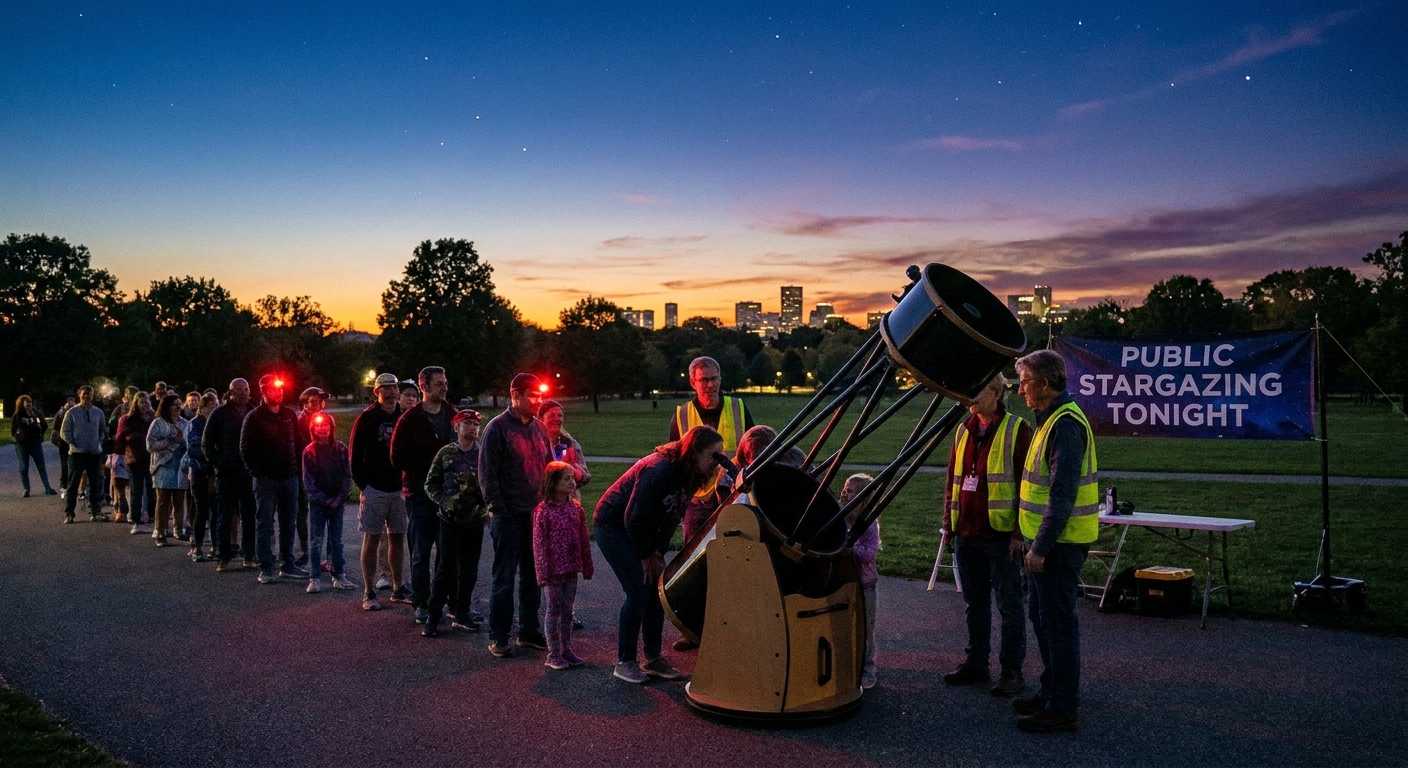
If your area has an observatory night, public telescope viewing, or even a low-light park or dark-sky area nearby, this is a mic-drop ending.
- Look for: scheduled public viewing nights, clear-sky forecasts, low light pollution
- Pro move: bring a layer. Stargazing gets cold fast even after a warm day.
Keep drive times painless
The biggest STEM-day killer is spending more time in the car than in the exhibits. My rule: keep most hops under 20 to 25 minutes, and use one longer drive only if it earns you a truly special finale (like a real observatory program or a must-see aircraft museum).
A simple way to enforce that is to plan by radius from your anchor zip code. I walk through the approach here: How to plan a 5-mile radius day trip from any zip code. Even if you stretch beyond 5 miles, the mindset is the win: tight clusters, fewer zigzags.
No-zigzag checklist
- Cluster first, customize second: pick 3 to 6 candidate STEM stops, then trim.
- Keep a straight line: try to move in one general direction all day (north to south, downtown to suburbs).
- Plan one reset point: a coffee shop, park, or library near the middle for a breather.
Find the right STEM stops
You do not need anything fancy, just a smart, map-first way to search and filter.
Search terms that work
- Science center, discovery center
- Planetarium, dome theater
- Observatory, public viewing, astronomy club
- Technology museum, computer history, innovation center
- Aviation museum, air and space museum
- Maker space, fab lab (often inside libraries or universities)
Check these before you lock the route
- Hours and showtimes: planetariums and observatories often run on specific schedules.
- Ticketing: some science centers use timed entry on weekends.
- Parking reality: downtown museums can turn a 10-minute visit into a 40-minute ordeal if you ignore parking.
- Age fit: some “hands-on” floors skew preschool, others skew middle school and up.
If you like using data to sniff out cultural clusters, the same concept applies to STEM districts near universities and waterfront redevelopment zones: Using zip code data to find arts and culture districts. Swap “arts venues” for “labs, museums, and innovation spaces” and the strategy holds.
A sample schedule
Here is a plug-and-play day. Adjust the order based on planetarium showtimes and whether your stargazing option is evening-only.
- 9:30 am Arrive, park, quick snack in the car (save money, save moods)
- 10:00 am Science center hands-on galleries
- 12:15 pm Planetarium show
- 1:15 pm Lunch near the next stop (choose fast, local, and close)
- 2:30 pm Tech or aviation exhibit, simulators, robotics lab, or rotating gallery
- 4:30 pm Park break or ice cream reset
- 7:30 pm Optional: public telescope viewing or a low-light sunset spot
Food and breaks
On a STEM day, I try to keep meals practical and strategically placed. You want food that is fast enough to protect your schedule, but pleasant enough to feel like a day out.
Lunch rules for museum days
- Eat near your next stop, not your last one. This reduces post-lunch drive time when everyone gets sluggish.
- Choose order-at-the-counter places. Table service can quietly steal an hour.
- Keep one pocket snack. Museum cafes are convenient, but they are not always quick.
If you want a reliable method for picking truly local eats when you are in an unfamiliar zip code, this is my favorite approach: Find hidden gem restaurants with a zip code.
Accessibility and sensory wins
If your group has accessibility needs, sensory sensitivities, or just wildly different energy levels, you can still make this kind of day feel smooth. I build in one or two “quiet options” on purpose, so nobody has to white-knuckle it through the loudest room in the building.
- Mobility: confirm elevator access, stroller parking, and how far the walk is from the garage to the entrance.
- Sensory: planetariums can be louder than you expect. Pack headphones or earplugs, and ask about quiet rooms or low-sensory hours if they exist.
- Pacing: pick one must-see exhibit per stop, then let the rest be bonus.
Make it a mission
One of my favorite tricks is giving the day a simple “mission” so it feels cohesive. It can be silly or serious, but it helps everyone stay engaged between stops.
- Space mission: planetarium, aerospace exhibit, then sunset stargazing
- Engineering mission: bridges, machines, robotics, plus a maker space if you can find one
- Weather and climate mission: science center exhibits, then a nature preserve or waterfront walk to spot cloud types and wind shifts
- Energy mission: power and electricity exhibits, then an EV display or transit museum if your area has one
For an easy outdoor add-on that still feels educational, parks are a perfect reset between indoor stops: Kid-friendly parks by zip code.
Sunset science safety check
That stargazing finale is worth it, but only if you plan it like a real stop, not a wish. Before you drive out there, confirm the public viewing details and the boring stuff that makes the night actually work.
- Confirm access: do not assume an “observatory” means walk-in viewing. Many require tickets, reservations, or membership nights.
- Check hours: park closing times and gate locks can end your grand finale early.
- Bring a red light: a red flashlight (or a phone set to a red screen) helps protect night vision.
- Dress warmer than you think: wind and humidity make “summer” feel like “why did I do this.”
Backup planning
I plan like a person who has been rained on at the exact moment a cute itinerary depended on “golden hour.” For a STEM day, backups are easy because your core attractions are indoors.
Quick backups to map in advance
- Library maker space: great if a museum is sold out or too crowded
- University museum: many have small science collections with lighter crowds
- Indoor botanical conservatory: still educational and calming if everyone needs a sensory break
If your day out needs a full indoor pivot, I keep a separate set of ideas here: Plan a local day out beyond a zip code.
STEM day FAQ
How many stops is realistic?
For most groups, two major stops plus one small add-on is the sweet spot. A fourth stop works best when it is passive (planetarium) or late (stargazing).
Is an observatory visit always worth it?
Yes, if it is a true public viewing night or guided program. If it is just a building you can stand near, you might get more joy from a low-light area and a simple skywatching plan.
What if we only have a half day?
Do science center first, then planetarium. That pairing gives you hands-on plus “wow,” and it naturally fits a morning or afternoon block.
What is the biggest mistake people make?
Trying to cover too much ground. A STEM day should feel curious, not frantic. Tight clusters win.
Keep exploring by zip code
If you liked the map-it-like-a-mission approach, you will probably enjoy building other attraction-focused days the same way. I keep the broader toolbox here: Attractions guide. Pick a zip code, stack your stops, and let the map do the heavy lifting.