
I learned this trick the hard way after moving (again) as a kid: the “big attraction” is rarely the whole day. A zoo or aquarium can be the anchor, sure, but the real magic is what’s clustered around it in the same ZIP code. That is where you find the shady picnic lawn, the unexpected playground, the coffee shop that saves your afternoon, and the low-key scenic walk that makes everyone feel like the day had a beginning, middle, and end.
This is my go-to method for building a full-day itinerary around the zoo or aquarium’s ZIP code, without overplanning or zig-zagging across town.
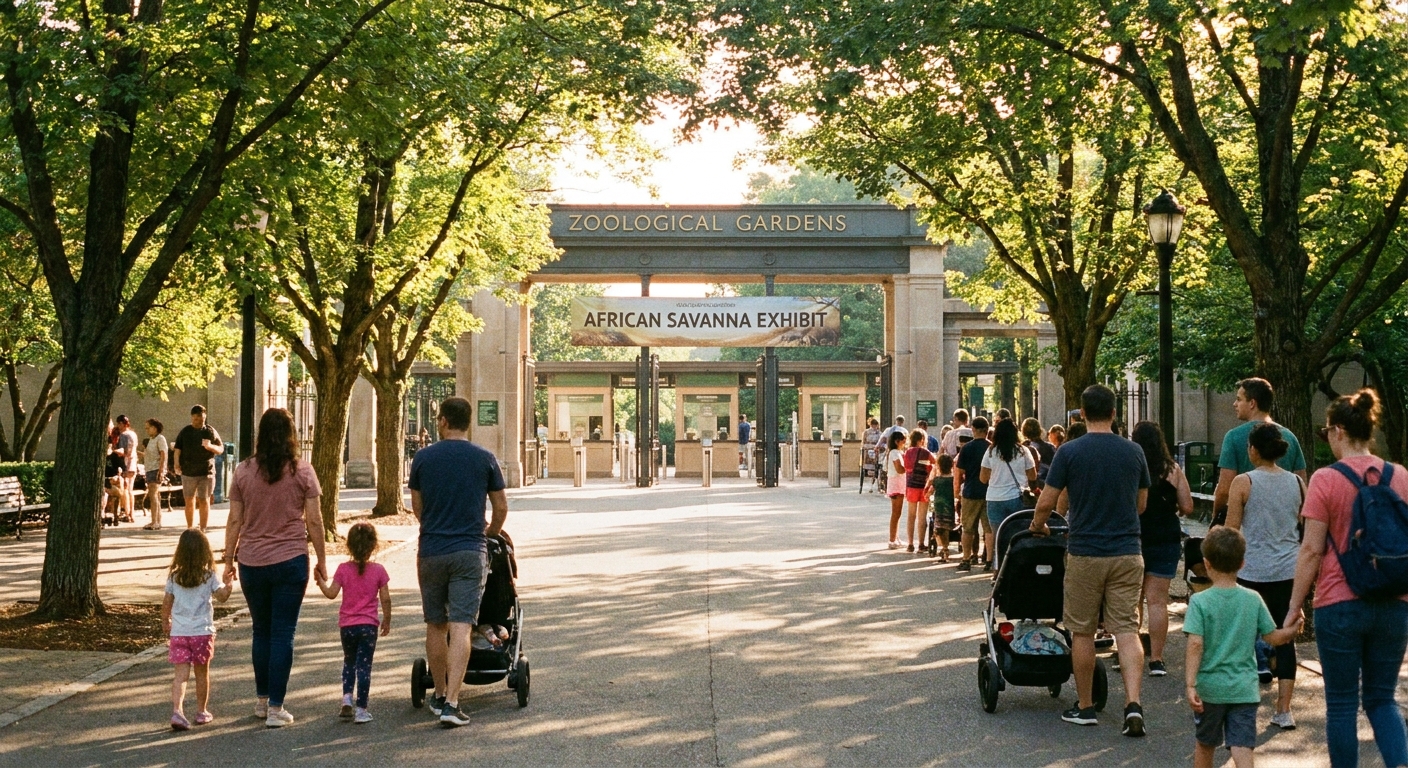
Start with the ZIP code
A lot of zoo and aquarium days get stressful for one simple reason: you plan inside the gates, but you do not plan the edges of the day. Parking, pre-entry snacks, post-visit meltdowns, and that awkward hour before dinner are what decide whether it feels smooth or chaotic.
So I flip it. I plan the day like a neighborhood micro-trip and let the zoo or aquarium be the centerpiece.
- Pick your anchor ZIP code. Use the zoo or aquarium’s address to confirm the exact ZIP. If you are comparing two locations with similar names, the difference matters. This is exactly why I keep city name vs ZIP code search bookmarked.
- Draw a small radius. For a full-day family itinerary, I like a tight loop that keeps drive time short. If you want a simple method for this, follow the same approach I use in how to plan a 5-mile radius day trip.
- Identify your three support stops. You want: (1) a food stop, (2) a quiet outdoor reset, and (3) one “bonus” attraction that does not require a long commitment.
A simple full-day structure
Here is the rhythm that works in most cities, whether you are traveling with toddlers, teens, or a mixed-age crew.
Block 1: Arrive early and do the big hits first (2 to 3 hours)
Morning energy is your friend. In most cases, getting inside soon after opening means better parking, shorter lines, and fewer “why is it so crowded?” moments.
- Tickets tip: Check for timed-entry reservations and mobile tickets before you leave home. Even when entry is not timed, member lines and QR codes can save you from a slow start.
- Parking tip: If the zoo or aquarium has multiple lots, pick the one closest to the exit you want to use later. “Closest to the gate” is not always “best at 2 pm when everyone is tired.”
- Comfort tip: Bring one snack you can eat in line. It buys patience during tickets and bag checks.
Block 2: Lunch outside the gates (or a picnic) (60 to 90 minutes)
If you can swing it, stepping outside the main attraction for lunch can be the reset button. The prices can be better, the noise level often drops, and you avoid the mid-day food court crush.
One caveat: this only works if re-entry is allowed, or if you can get a hand stamp or digital re-entry pass. A quick check on the zoo or aquarium’s policy saves a lot of frustration.
Two solid options:
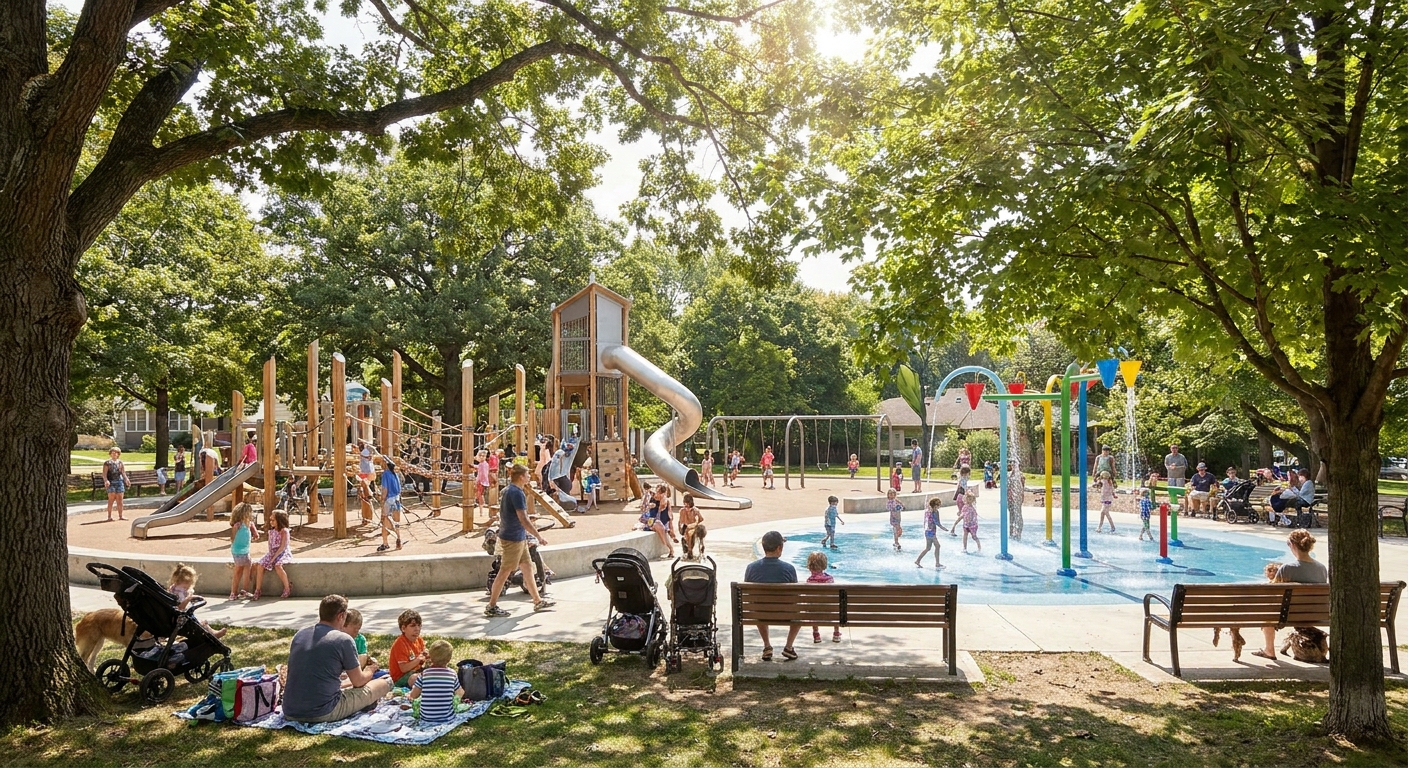
- Picnic plan: Grab sandwiches or takeout near the attraction, then eat in a nearby park. I map picnic lawns the same way I map playgrounds, and you can use my shortcut guide at kid-friendly parks by ZIP code.
- Sit-down plan: Choose a family-friendly place within the same ZIP or the next ZIP over, ideally with fast service and easy bathrooms. When I need ideas quickly, I use the approach in find hidden gem restaurants with a ZIP code.
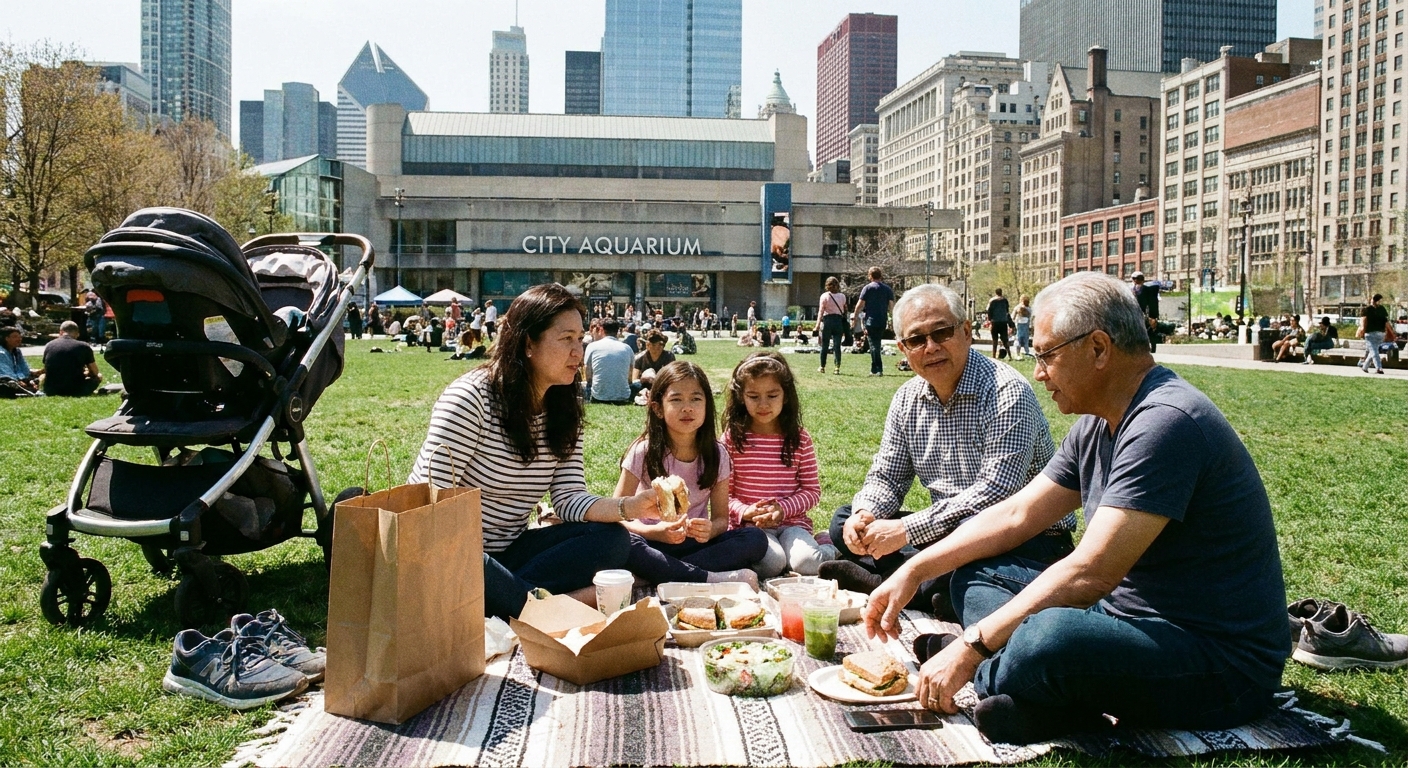
Block 3: Return for one focused loop (90 minutes)
After lunch, do not try to see everything. Choose one theme loop:
- Hands-on loop: touch tanks, petting zoo, kids discovery zone
- Indoor loop: reptile house, aquarium galleries, air-conditioned exhibits
- Slow loop: aviary, gardens, quieter trails
This is the part of the day where you protect energy by being picky. If you want a full-day feel, you need to leave a little in the tank for later.
Block 4: Post-visit decompression stop (60 minutes)
This is my secret weapon. Before you get back in the car for a longer drive, give everyone one low-effort win.
- Option A: A shaded park with a short walking path.
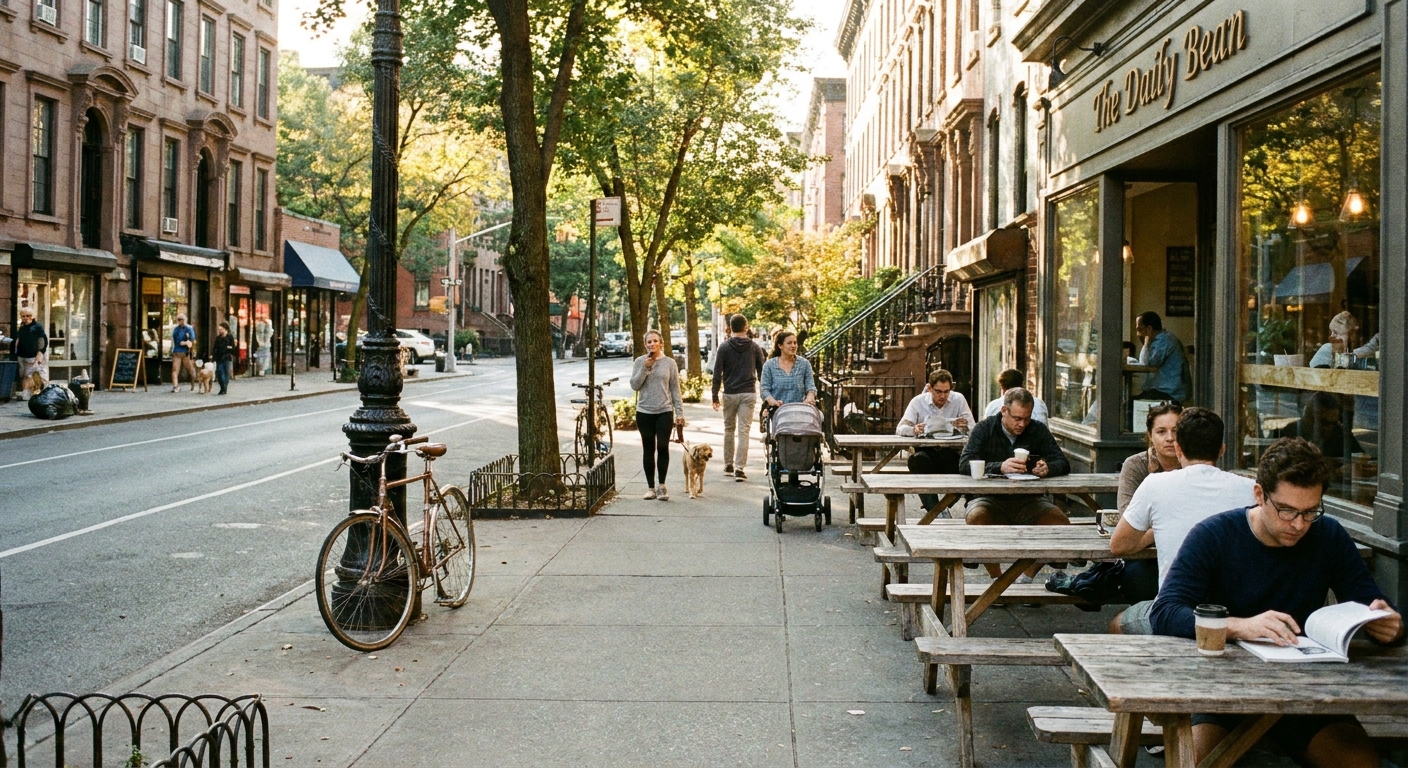
- Option B: A dessert or coffee stop within the same cluster.
- Option C: A quick neighborhood walk with one specific goal, like a historic marker or small viewpoint.
If your group likes quirky history, check out how I find historical markers by ZIP code and add one short stop that feels like a bonus chapter to the day.
Block 5: Early dinner, then a calm walk (90 minutes)
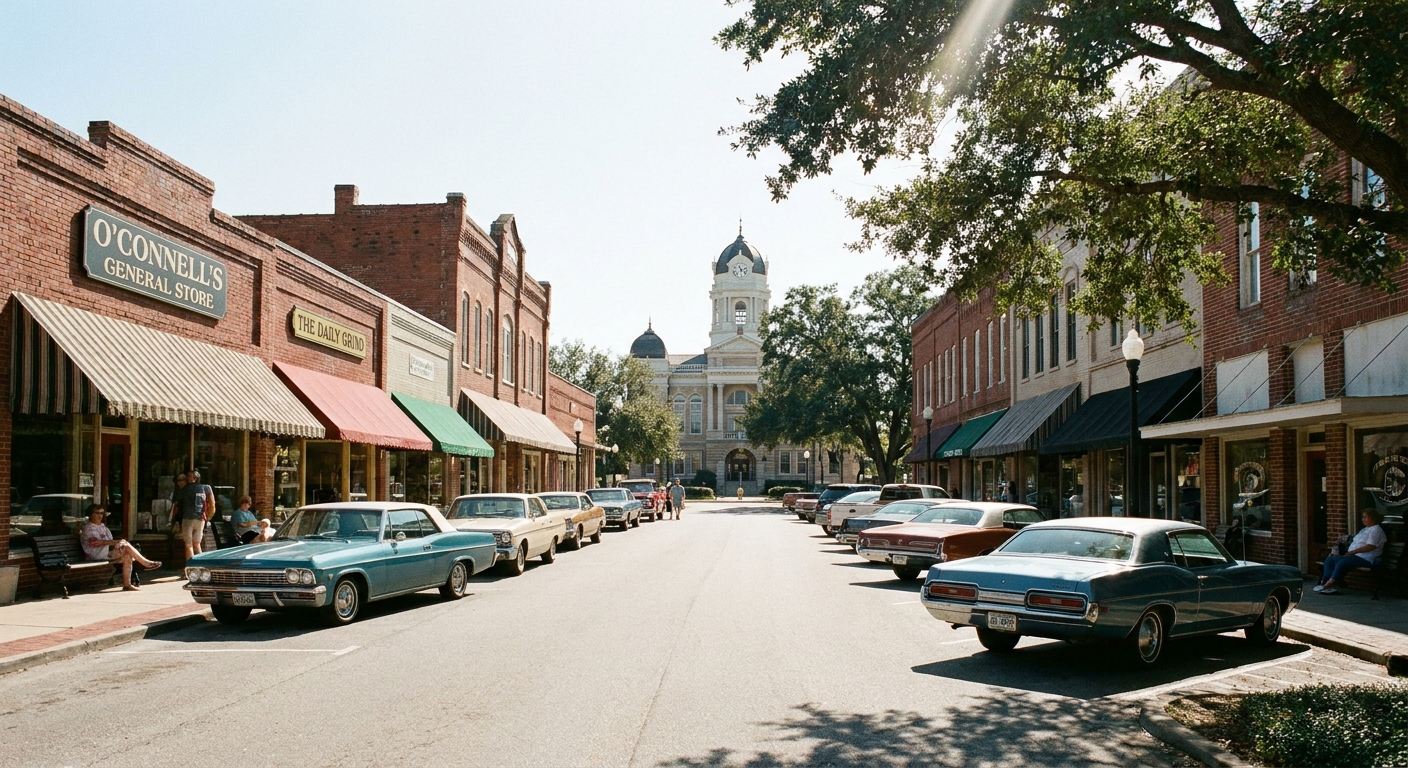
Zoos and aquariums are stimulating. Ending the day with a calm walk, waterfront path, or small town square vibe helps everyone transition out of “go-go-go” mode.
If you are building a walking-friendly end to the day, my method in mapping a self-guided walking tour with ZIP code boundaries works beautifully for aquarium districts and zoo-adjacent parks.
Pick support stops wisely
Not every nearby attraction is worth it. I screen options using three filters: friction, payoff, and exit strategy.
1) Low friction
- Easy parking or walkable from your lunch spot
- Bathrooms available
- No timed entry unless it is your main attraction
2) High payoff for the time
- One signature view, one short trail, one standout dessert, one weird roadside statue, one small museum room
- Something you can enjoy in 20 to 60 minutes without feeling rushed
3) Clear exit strategy
- It should be obvious how you leave and get on with your day
- Avoid places that trap you in parking garages at commuter rush
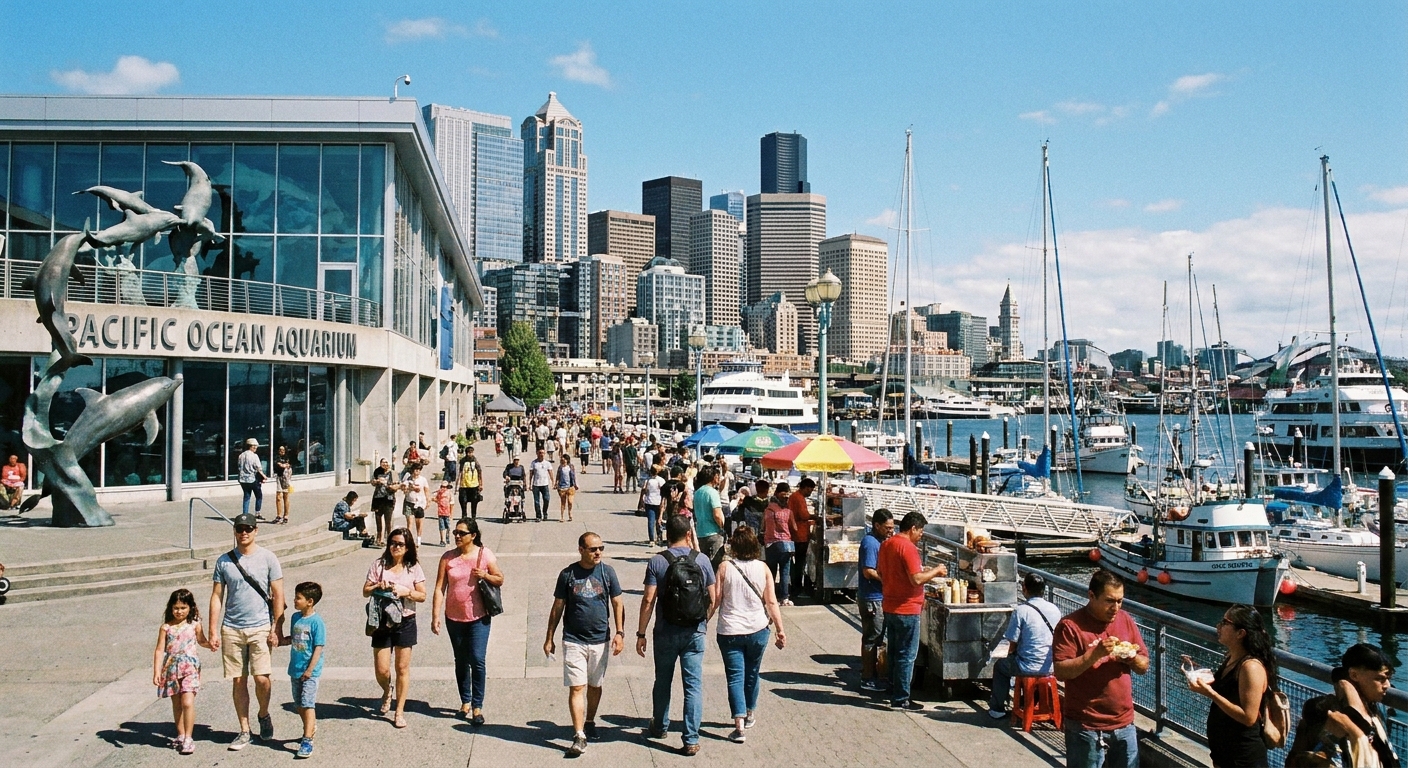
If you want a bigger list of attraction styles that pair well with a main-ticket stop, browse our Attractions guide. I use it like a menu when I’m building a day around one ZIP code.
Dining rules that keep it moving
I love a charming sit-down spot, but zoo days have different logistics. Here is what I look for when I’m feeding a mixed group.
- Order speed beats menu size. A smaller menu often means faster food and fewer decision spirals.
- Choose one “bribe item.” Milkshake, fries, soft pretzel, boba, gelato. Decide in advance what the treat is so it does not become a negotiation at every corner.
- Plan water like it’s an exhibit. Refill bottles before you leave the gates, then again at lunch. This is the cheapest way to prevent the late afternoon crash.
Two easy add-ons
Idea 1: A one-ZIP shopping stop
If your zoo or aquarium sits near a retail strip or neighborhood main street, do one quick stop where everyone gets to pick something small: a postcard, local candy, a souvenir sticker, a bakery cookie. It makes the day feel complete, not just consumed by the big-ticket attraction.
If you want to turn this into a mini challenge, I outline my approach in map a support local shopping spree by ZIP code.
Idea 2: Match your plan to local weather
Aquariums are great on rainy days. Zoos can be amazing on cool, cloudy mornings. Before you lock in your post-visit walk or picnic, check a neighborhood-level forecast for the attraction area so you are not planning a sunny picnic on the one side of town that is about to get drenched.
I use the same simple logic explained in match hyper-local weather to ZIP codes.
Hot day or rainy day swaps
If the forecast looks intense, I adjust the order instead of scrapping the plan.
- Very hot: prioritize indoor exhibits earlier, choose a shaded decompression stop, and keep your sunset walk short and near water or tree cover.
- Very rainy: flip toward indoor-heavy loops, keep lunch close (or eat inside), and save the outdoor stop for any lighter patch later.
My no-regrets packing list
- Wipes and a small trash bag for snack chaos
- Refillable water bottles for everyone who can manage one
- A backup layer even in warm weather, because indoor exhibits run cold
- One portable snack that is not sugar-based
- Phone charger or small power bank because maps and photos eat battery
- A simple “meet here” plan for older kids or groups, even if it’s just “gift shop entrance”
- Stroller or accessibility note: if anyone in your group uses a stroller, wheelchair, or has sensory needs, check the rental options and quiet areas early. It is much easier to plan your loops when you know where elevators, ramps, and calmer corners are.
Common mistakes and fixes
Mistake: Trying to see every exhibit
Fix: Pick 3 must-sees and 3 nice-to-sees. Anything else is bonus.
Mistake: Eating lunch at the exact peak hour
Fix: Eat early or late. Even a 30-minute shift can change the whole vibe.
Mistake: Ending the day with another high-stimulation stop
Fix: Close with something calm: a short nature loop, waterfront stroll, or a quiet dessert spot.
Mistake: Planning support stops too far away
Fix: Keep everything within a tight radius around the attraction ZIP. If you want the day to feel full, you want less windshield time, not more. If you need help thinking beyond the ZIP without blowing up the plan, I walk through it in plan a local day out beyond a ZIP code.
A sample itinerary
Use this as a plug-and-play outline. Swap the specifics based on what your zoo or aquarium ZIP code cluster offers.
- 9:00 am: Arrive, park, confirm tickets, and head straight to the most popular exhibit.
- 10:45 am: Snack and hydration break, then one indoor exhibit (especially helpful for summer heat).
- 12:00 pm: Exit for lunch nearby or picnic in a park (if re-entry is allowed).
- 1:15 pm: Return for one themed loop (hands-on, indoor, or slow).
- 3:00 pm: Decompression stop: playground, dessert, or short walk.
- 4:30 pm: Early dinner close to the attraction area.
- 6:00 pm: Sunset stroll or quick self-guided neighborhood walk.
If you love building days like this, you will probably also like the broader “build a day around a single ZIP” approach in the single ZIP code town day trip.
FAQ
Should I stay in the same ZIP code all day?
You do not have to, but it is the easiest way to keep the day feeling relaxed. If you hop too far for lunch or dinner, you lose time and everyone feels it.
Is it better to do the zoo or aquarium first, or last?
In most cases, first. Energy, crowds, and parking are typically better in the morning, and then you can use the afternoon for calmer add-ons and a nicer meal. The main exceptions are extreme heat (evenings can feel better) or special late events and after-hours tickets.
What if the attraction is in a downtown ZIP with limited parking?
Build your plan around one parking decision. Park once, then walk or use short rideshare hops. If you are trying to go car-free, check train station ZIP codes for car-free day trips and see if your attraction ZIP is transit-friendly.