
Whenever I’m at a huge theme park, there’s a moment when the soundtrack, the stroller traffic, and the 75-minute wait for something that lasts 90 seconds all hit at once. I used to think the only choices were (1) grit my teeth and stay, or (2) leave early and feel like I “wasted” the ticket.
Now I do a third thing: I plan the peripheral. I map the zip codes immediately surrounding the park and keep a short list of calm, local places that feel like a reset button. Think shady gardens, tiny museums, lakeside trails, old-school diners, bookshops, and a breezy afternoon that does not require standing in a switchback queue.
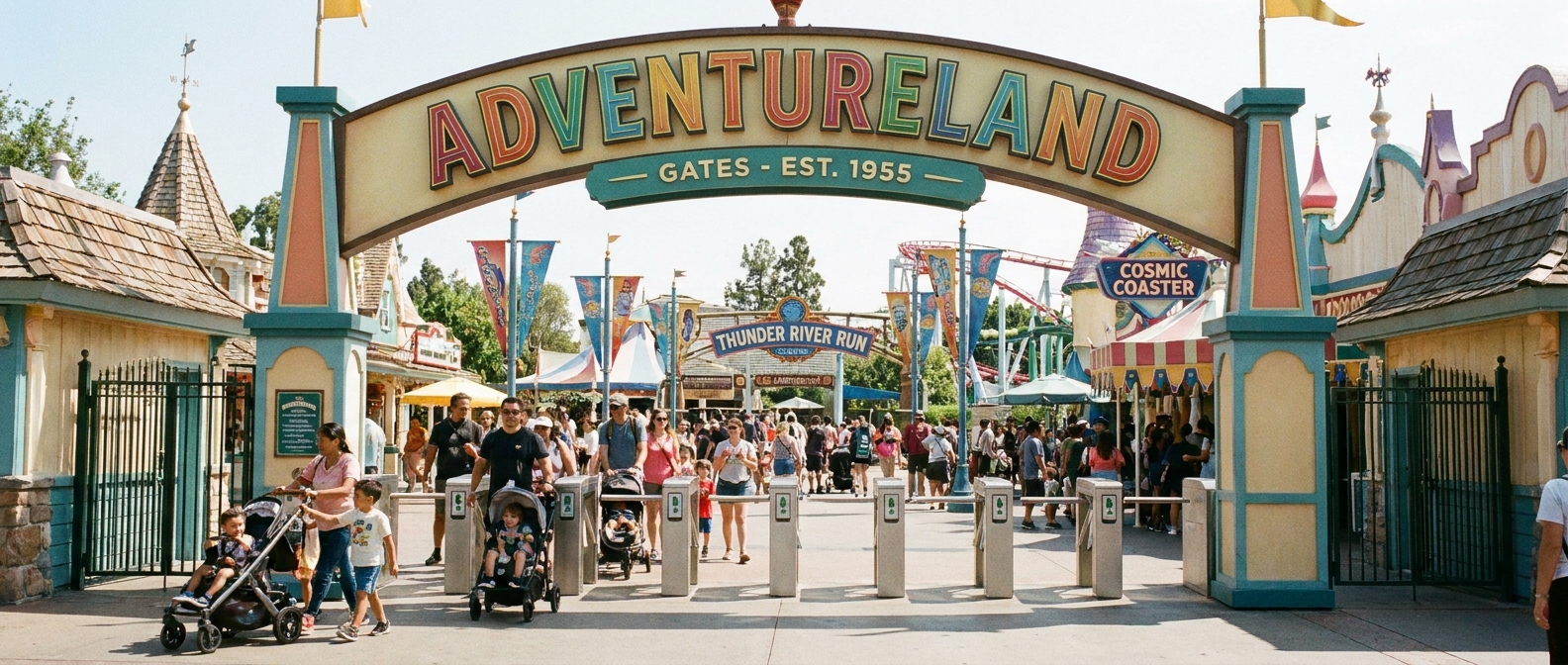
This strategy works for the famous parks and for the regional ones. The point is not to replace the park. It’s to give yourself options when the crowds spike or your group needs a breather.
What peripheral planning means
Peripheral planning is a simple map habit: treat the theme park as the center of a wheel, then explore the spokes just outside it.
- Center: the park’s address or main entrance.
- Ring 1: the closest surrounding neighborhoods (often about 1 to 3 miles out, as a starting point). These areas can still be traffic-heavy, but they’re full of useful stops like local coffee, quiet lunch spots, and green space.
- Ring 2: the next layer (roughly 3 to 8 miles out, give or take). This is where the gold often is: community museums, nature preserves, historic downtowns, farmers markets, and mom-and-pop entertainment that tourists skip.
I like this approach because it keeps you close enough to return to the park if you want, but far enough to feel like you escaped.
One important caveat: zip codes do not form perfect circles, and they are not always cleanly “adjacent” the way neighborhoods feel. Some boundaries are oddly shaped, non-contiguous, or built around mail delivery patterns. Some big parks and resort zones can also span more than one zip. I use zips as a practical search filter, not a boundary truth.
If you want the broader version of this method (it works for any weekend, not just theme parks), start here: How to Plan a 5 Mile Radius Day Trip From Any Zip Code.
Step 1: Build an escape ring
Start with the park zip code, then add nearby ones
Before you go, grab the park’s zip code and jot down a handful of nearby zip codes around it. If you do not know the zip code offhand, use your map app to pull the address, then confirm the zip.
If you are comparing a city-name search to a zip search, the difference matters more than you would think in tourist zones. This quick explainer helps: City Name vs Zip Code Search.
Make two lists: Walkable and short drive
- Walkable (0 to 1.5 miles): places you can reach without re-parking, or with a very short rideshare.
- Short drive (about 2 to 8 miles): places that require a car, but often save you from theme-park prices and theme-park stress.
Filter hard for calm
When you search around theme parks, you will see a flood of chain restaurants and souvenir outlets. Here’s how I filter for a true break:
- Look for keywords: botanical garden, nature center, historical society, local museum, sculpture park, arboretum, library, lake, preserve, boardwalk, creek trail.
- Avoid keywords: “world’s largest,” “family fun center” (sometimes fun, often loud), anything that screams neon and mega parking lot unless that is the vibe you want.
- Prioritize places with built-in decompression: shade, water, indoor quiet, benches, or an easy stroll.
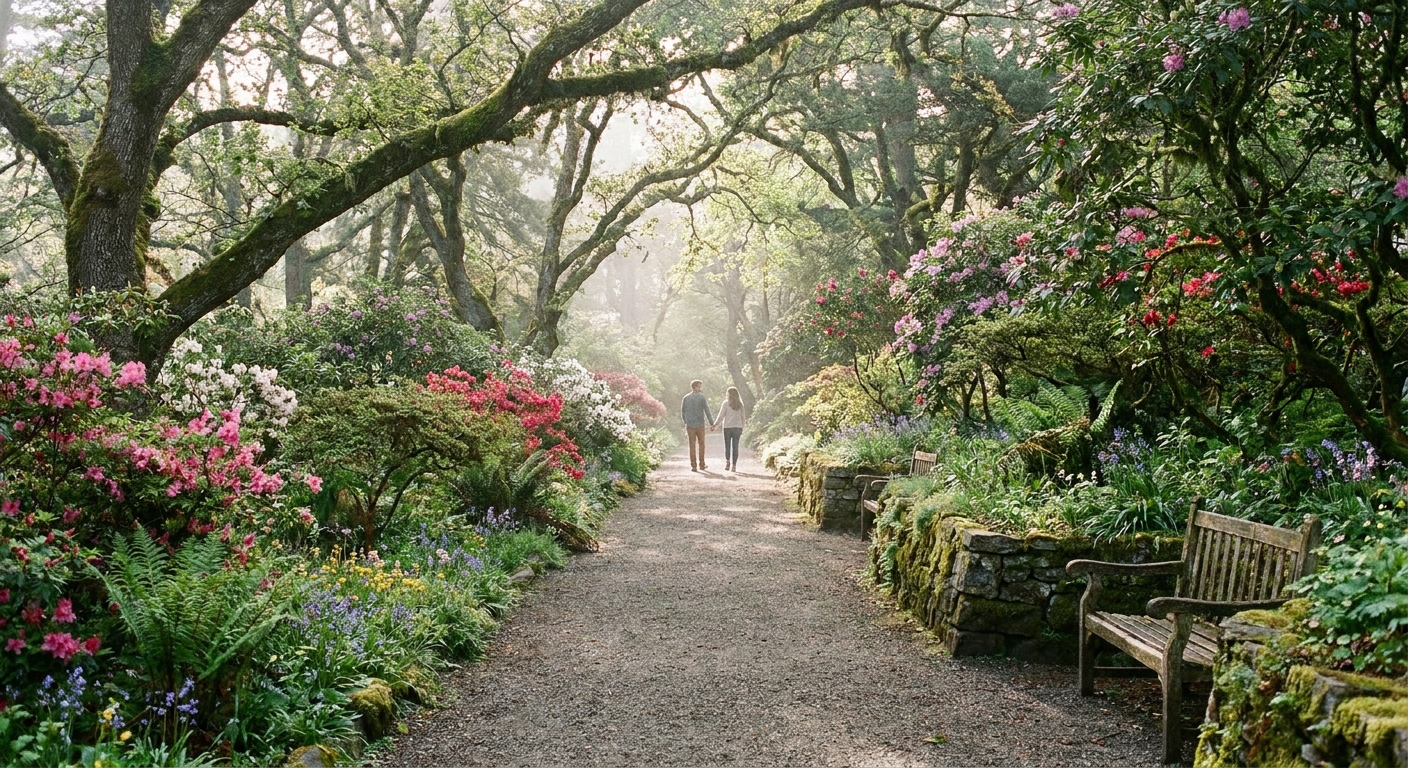
Step 2: Pick a break type
Not every break is the same. I keep a menu of nearby options so I can choose based on the moment.
Type A: Quiet indoor reset
Best when it is hot, stormy, or everyone is overstimulated.
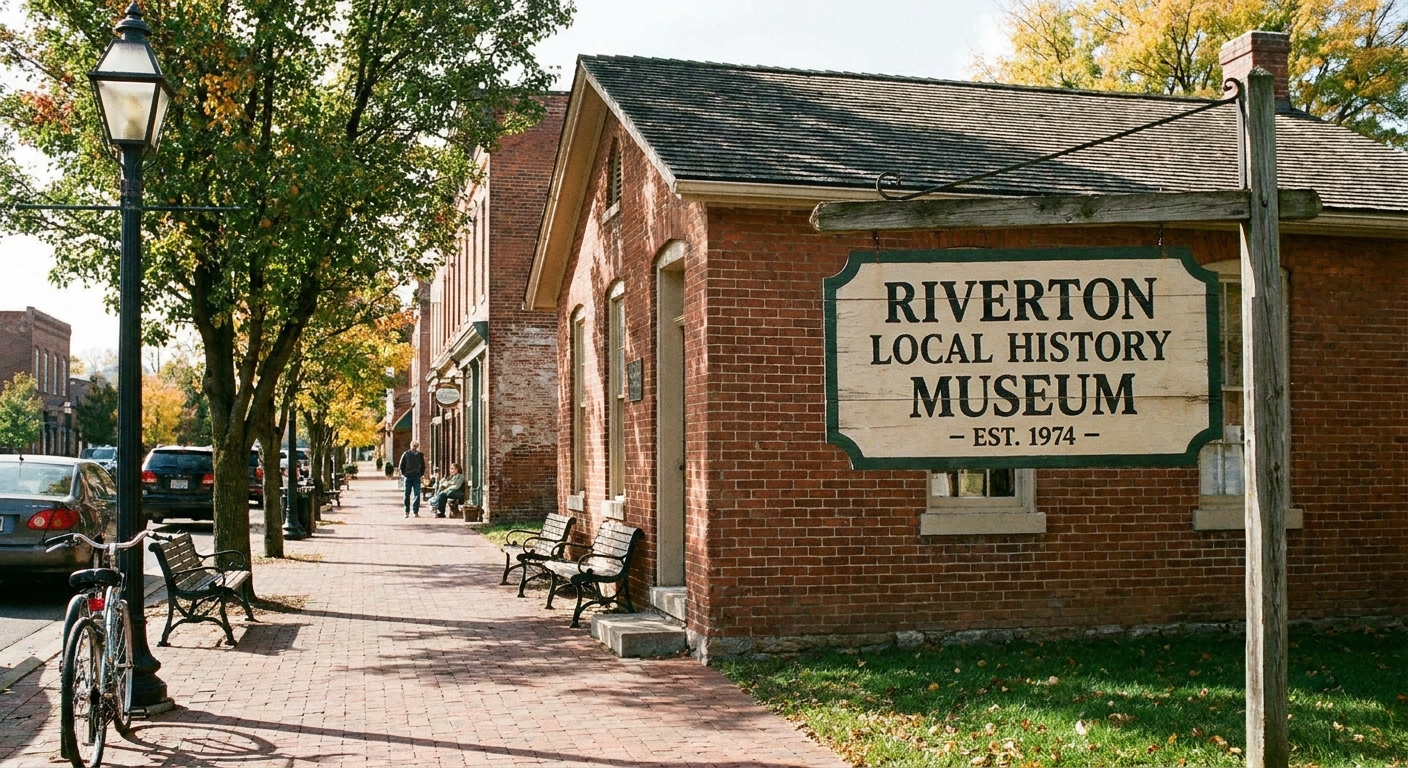
- Small history museum or local heritage center
- Art museum with a calm gallery loop
- Science museum that is more exhibits than chaos
- A big public library branch (seriously, the calm is instant)
Bonus: indoor resets are predictable time-wise. You can do 45 minutes, feel human again, and decide what is next.
Type B: Green space reset
Best when you want your body to stop bracing for crowds.
- Regional park with a flat loop trail
- Lakefront walk with benches
- Botanical garden or arboretum
- Nature preserve with a boardwalk
If your group likes structure, turn it into a tiny quest: pick one loop, one viewpoint, one snack afterward. Done.
Type C: Local flavor break
Theme parks are great at many things. Quiet lunch with a real conversation is not usually one of them.
- Old-school diner for a mid-afternoon second lunch
- Family-run taco shop or pho spot away from the resort strip
- Bakery or coffee shop in a residential neighborhood
I’m always hunting for places where the staff seems like they have regulars. That is how you know you escaped the tourist vortex.
If you like building meals into your zip-based plans, this one pairs perfectly: Find Hidden Gem Restaurants With a Zip Code.
Type D: Low-key entertainment swap
Best when your group still wants fun, just not that kind of fun.
- Mini-golf in a local neighborhood (not the mega arcade complex)
- Classic movie theater
- Community bowling alley
- Local baseball game or minor league sports nearby

Step 3: Use zips to ease traffic
Here is the part people skip, and it is the part that saves the day: theme-park traffic is directional, especially on weekends and peak seasons.
Instead of choosing the closest place, choose the place that puts you on the least miserable side of the access roads.
My quick-and-dirty traffic rule
- Arriving traffic: typically flows toward the park in the morning and late morning.
- Leaving traffic: often stacks up from mid-afternoon through closing.
It is not universal. Holiday schedules, special events, after-work locals, and staggered closing times can flip the pattern. But as a baseline, it helps.
So if you are taking a break midday and want to come back, I prefer a stop that sends you out on a road that is not the main inbound artery. This is why the surrounding zip codes matter. They give you multiple exit routes to choose from.
Parking habits that keep the break relaxing
- Choose one-stop parking. Aim for a place where you can park once, then walk to a second thing (coffee plus a park loop, museum plus bakery).
- Look for public lots. Downtowns, civic centers, and parks often have clearer rules than resort strips.
- Avoid the hotel canyon. Those roads look convenient and turn into long, slow stoplight runs when everyone is funneling through the same corridor.
Quick pre-check before you go
I learned this the hard way: a place can be perfect on paper and still be a dud at 3 p.m. on a Saturday. Before you commit to a peripheral stop, I do four quick checks:
- Hours and last entry: especially for museums, gardens, and historic homes.
- Fees: admission, parking, or timed tickets that change the vibe.
- Restrooms: not just “available,” but reliably open when you arrive.
- Comfort and safety: lighting if it’s near dusk, and whether the walk between stops feels reasonable for your group.
Sample break itinerary
Here’s a plug-and-play flow I use when I do not know the area well. Swap in whatever equivalents exist in the surrounding zip codes.
Option 1: The 2.5-hour sanity saver
- Leave the park right after a ride so you are not stepping out mid-line regret.
- Drive 10 to 15 minutes to a neighborhood park with shade and bathrooms (adjust for congestion).
- Walk a simple loop (30 to 45 minutes). Keep it easy.
- Grab a late lunch at a local diner or a small counter-service spot.
- Return to the park for your top 1 to 2 priorities, then call it a win.
Option 2: The we-might-not-go-back pivot
- Choose one calm indoor place (museum, gallery, aquarium-style exhibit hall, historic home).
- Choose one outdoor place nearby (riverwalk, garden, lake overlook).
- End with a non-theme-park dessert (ice cream shop, bakery, boba). It sounds small, but it resets the whole mood.
If you want a full-day animal-focused alternative that uses the same zip-first thinking, I built one here: A Full Day Zoo or Aquarium Zip Code Itinerary.
Calm categories that work
If you are building your list fast, these are my favorite quiet-win categories to look for just outside the park bubble:
- Local history: historical museum, historical society, heritage center, historic courthouse square (even just to walk around).
- Oddball micro-museums: railway museum, toy museum, aviation museum, regional cultural centers.
- Nature without commitment: wetlands boardwalk, birding trail, lake loop, riverside greenway.
- Hands-on but calm: pottery painting studio, small maker markets, used bookstore plus coffee.
- Scenic drive-and-park viewpoints: overlooks, dam visitor areas, waterfront piers.
For the history angle, I keep this guide bookmarked and use it any time I’m in an unfamiliar zip: Find Historical Markers By Zip Code.
Tips for families and groups
I grew up bouncing from place to place, which meant my parents got very good at strategic breaks. Theme parks are basically the Olympics of needing strategic breaks.
For little kids
- Choose breaks with bathrooms you can count on: parks with staffed visitor centers, libraries, children’s museums.
- Pick one playground stop in the surrounding zip codes so they can climb without rules and lines.
- Snack outside the park to avoid the combination of sugar rush plus crowd stress.
If playground scouting is your love language, this guide is made for you: Kid Friendly Parks By Zip Code.
For teens
- Give them a say in the break type: boba run, thrift store cluster, retro arcade, record shop.
- Let them lead one navigation step so they feel ownership and stop doom-scrolling in the parking lot.
For mixed groups
- Use the two-speeds rule: one stop where you can move (walk, browse, explore), then one stop where you can sit (coffee, diner, museum bench).
- Agree on a hard return time before you leave the park so nobody feels trapped in indecision.
Timing and re-entry
Peripheral planning is at its best when it is flexible. A couple of practical notes so the break does not backfire:
- Check re-entry rules before you leave. Some parks allow easy re-entry, some do not, and some depend on a wristband, stamp, or app scan.
- Factor the parking situation. If you paid for parking and leaving means paying again, make the break longer and more worth it.
- Watch the clock around closing. The worst bottlenecks often happen about 45 minutes before close through 45 minutes after, depending on the park and the day.
- Plan a no-regret exit. If the group decides not to go back, your peripheral stops should still add up to a good day.
What I pack for an escape
I keep this minimal because the whole point is ease:
- A small day bag so you can leave the park without juggling souvenirs.
- Refillable water bottle (and refill it before you exit).
- Portable charger because navigation plus photos eats battery.
- Light layer for museum AC or evening weather shifts.
- Wet wipes and a basic first-aid kit because theme-park days are sticky by nature.
FAQ
How far out should I go for a break?
I aim for 10 to 20 minutes from the park as a starting point. In a dense metro, that might be three miles. In a quieter area, it could be farther. Close enough that returning is realistic, far enough that you actually feel the crowd drop off.
What if everything nearby is touristy?
Go one ring farther. That second layer of zip codes is where locals actually run errands, eat lunch, and take their kids to parks. That is the energy you want.
What is the easiest first stop if I’m overwhelmed?
A public park with bathrooms or a library. Both are predictable, usually inexpensive, and instantly quieter.
Can this work without a car?
Yes, but it is more limited. Focus on the Walkable list and pick stops that are safe to reach on foot or by transit. If you want more car-free planning ideas, this pairs nicely: Train Station Zip Codes for Car Free Day Trips.
One last tip
When you grow up relocating every few years, you learn a little trick: the best day-out memories usually happen one neighborhood over, not at the biggest attraction in town.
Theme parks are amazing, but they are also intense. Give yourself permission to step out into the surrounding zip codes for an hour or two. You will come back calmer, spend smarter, and honestly, you might stumble into the best part of the trip.
If you want more ideas like this, start with the broader guide hub: Attractions.