
I grew up bouncing from base to base, so I learned early: when you land somewhere new, you grab the map first and ask, “What’s good within a few blocks?” Game day is the same way. The stadium is the main event, but the stadium’s ZIP code is usually the best clue for what you can realistically pull off before kickoff.
This is my go-to way to turn a basic “show up and wait in line” afternoon into a tight little micro-trip: a warm-up meal, one quick local sight, and a low-stress plan to get to your seat on time. Think: deli sandwich + a riverwalk loop + the gate you already picked.
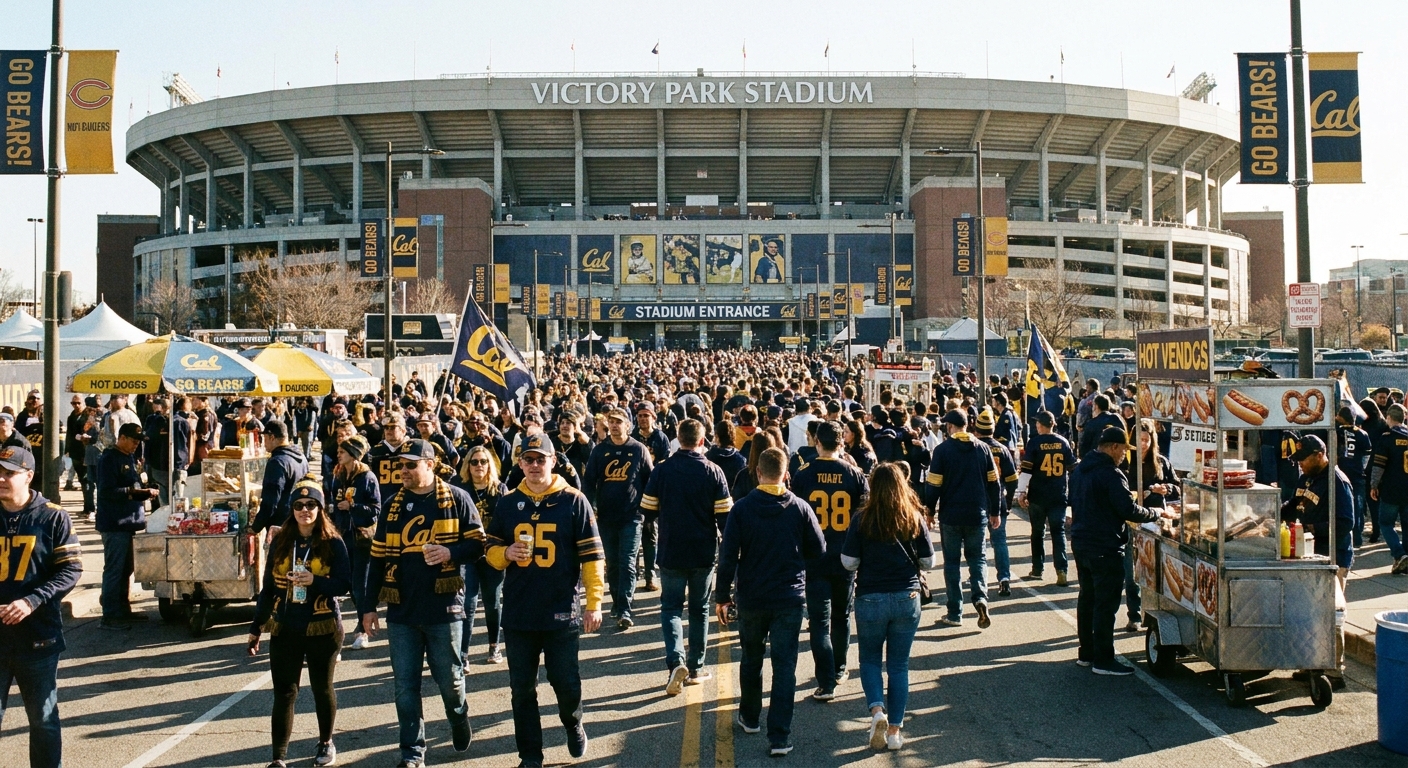
Start with the stadium ZIP code
If you search a stadium name, you can end up with a jumble of sponsored results and the same obvious chains. Starting with the stadium address and ZIP code helps you narrow your options to the neighborhood you will actually be in.
One quick reality check, though: ZIP code boundaries do not guarantee walkability. Some stadiums sit in industrial zones, near highways, or in areas where a half mile on the map turns into a long detour in real life. Use the ZIP code to focus your search, then use the route preview to confirm you can get there on foot.
Two easy ways to grab the ZIP code:
- From your ticketing app or event page: the venue address is usually listed under “Directions” or “Venue.”
- From a map app: drop a pin on the stadium, copy the address, and pull the ZIP.
Once you have it, treat that ZIP as your home base for the day, not a hard boundary line. If you want the broader method I use for any outing, see Plan a Local Day Out Beyond a ZIP Code.
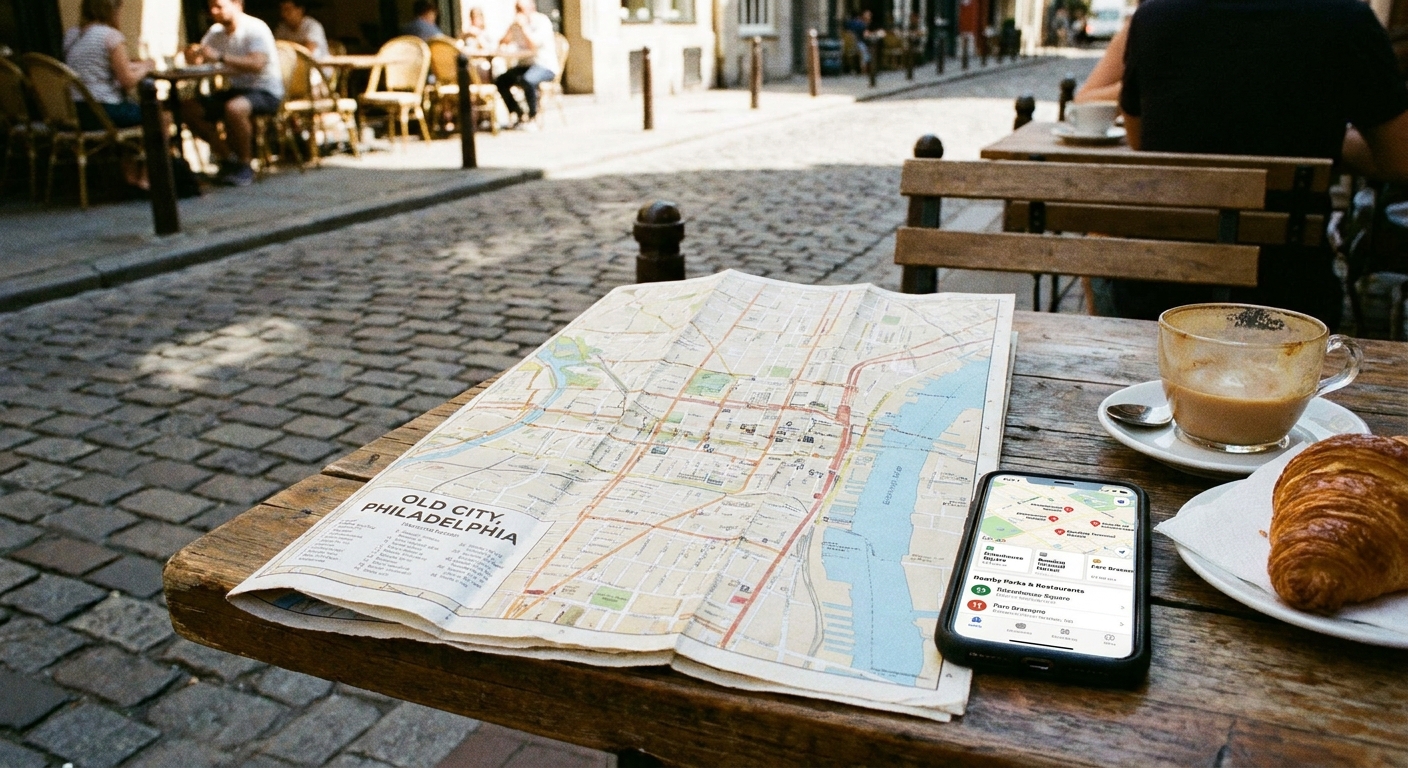
Build a pre-kickoff map fast
I do this on my phone while I am still in the car or on the train. The trick is to stop thinking “best in the city” and start thinking “best that I can reach, enjoy, and still make kickoff.”
Step 1: Pick a realistic radius
On game day, a half mile can feel like two miles when you are moving with the crowd, crossing big roads, or funneled onto one pedestrian bridge. I use these rules:
- 0.3 to 0.6 miles if you want to stay relaxed and keep the walking simple.
- 0.8 to 1.2 miles if you have extra time and do not mind a detour.
- 2 to 5 miles if you are driving and want to avoid the immediate surge zone.
If you like the radius approach, you can steal my general setup from How to Plan a 5 Mile Radius Day Trip From Any ZIP Code.
Step 2: Save three simple lists
Create three saved lists (or just three notes):
- Eat now: fast and predictable spots that can handle volume.
- Kill 45 minutes: parks, waterfront paths, markets, museums, local landmarks.
- Last-mile entry: your preferred gate area plus one backup approach.
Step 3: Choose by decision rules
Instead of getting stuck in search-mode, I pick places using a few simple filters:
- Speed: counter service, big menus, quick assembly foods, or places where you can order without waiting for a host.
- Space: roomy interiors, patios, or flexible seating that can absorb a crowd.
- Proof it is open: hours posted and recent reviews or posts that mention game days.
- Walk reality: check the walking route for crossings, ramps, and any “walkway closed” surprises.
If you ever feel like your map app is fighting you, this explainer can help: City Name vs ZIP Code Search.
Pre-game options beyond tailgating
I love a classic tailgate vibe, but not every stadium setup makes it easy. Some lots are expensive, some are chaotic, and sometimes you just want a plan that includes bathrooms and shade.
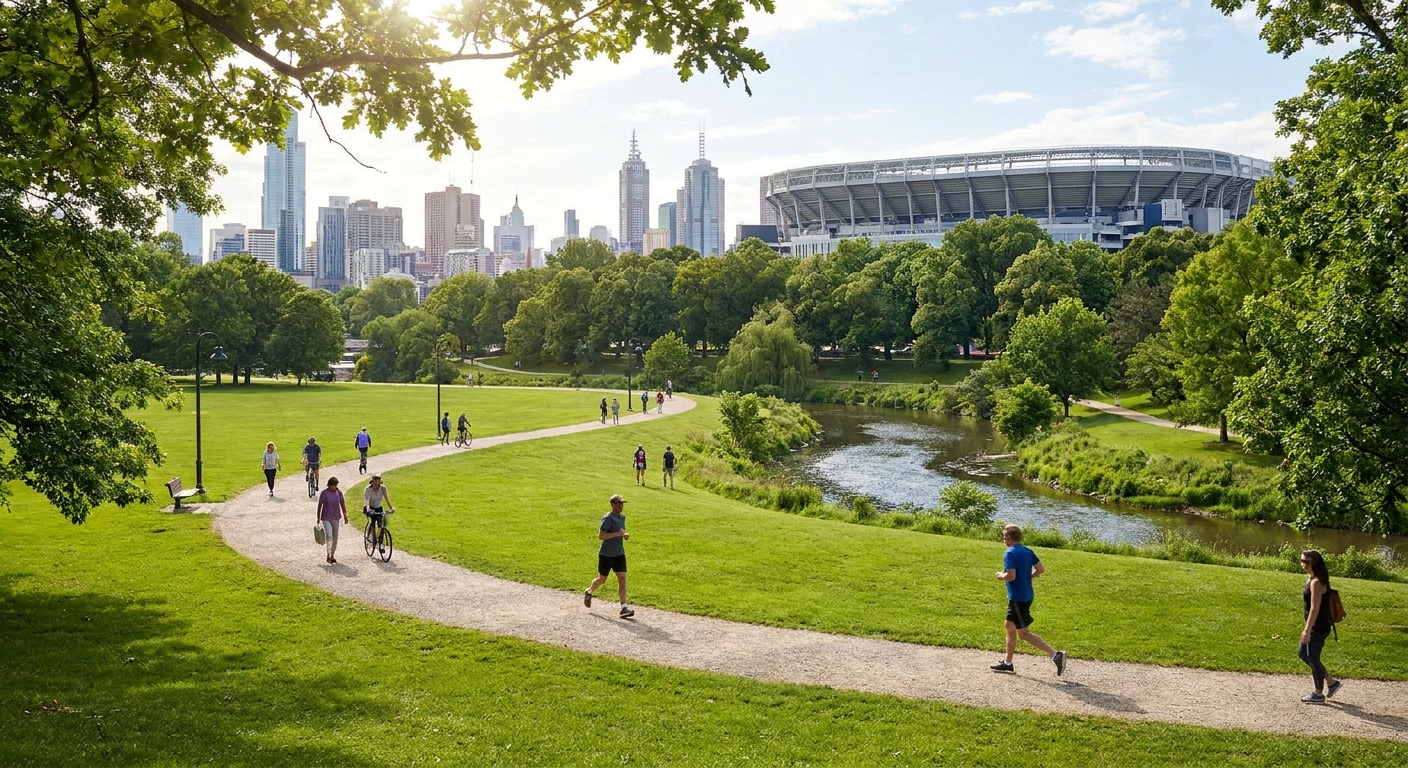
1) The park tailgate
Look for a public park or a waterfront path close to the stadium area. Bring snacks, a small blanket, and keep it simple. This works great when:
- you are meeting friends coming from different directions
- you want space to stretch, toss a ball, or let kids run
- you do not want to deal with parking-lot rules
My timing tip: aim to arrive at the park 2 hours before kickoff, then leave 60 to 90 minutes before kickoff depending on your walk and the security setup.
2) The food-hall-or-market stop
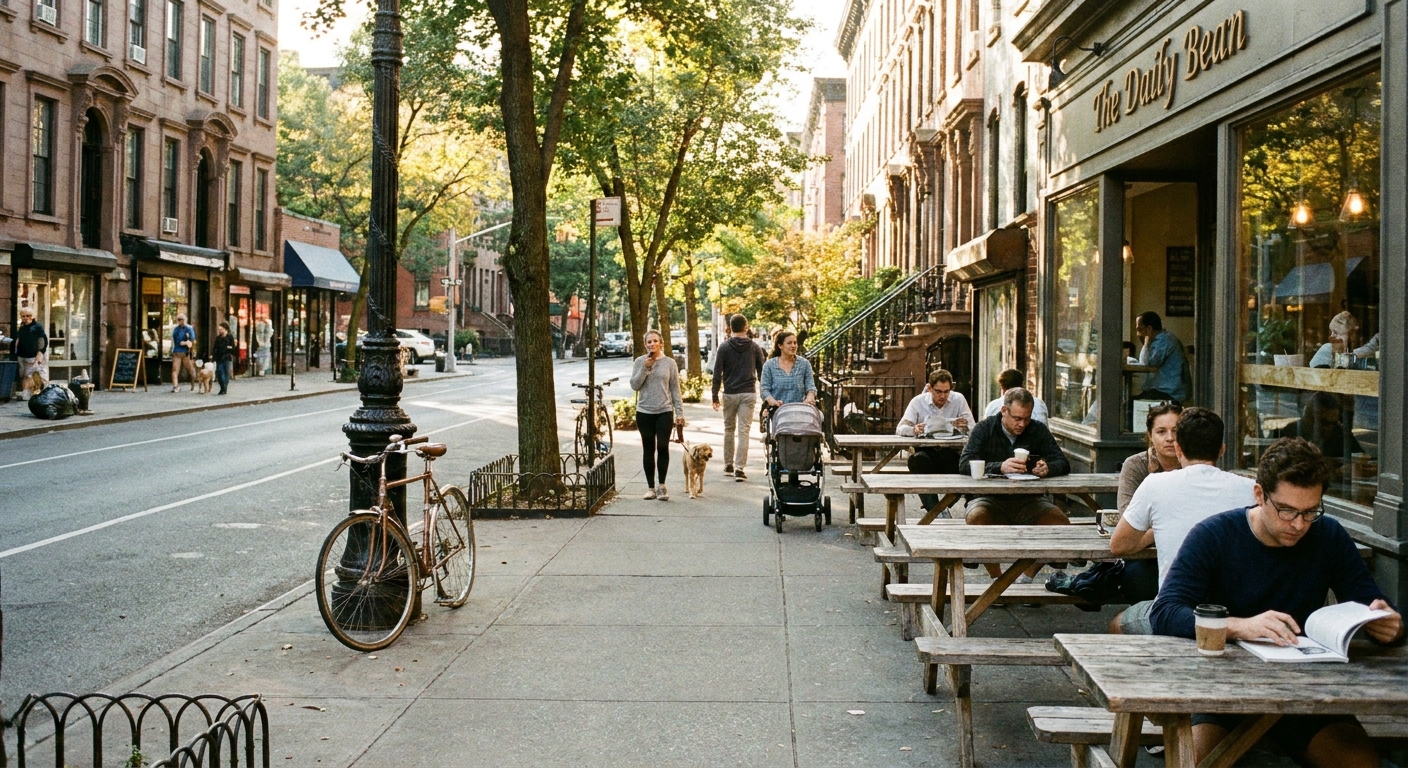
Some stadium districts have food halls or market-style buildings within an easy walk. They are ideal for groups because everyone can pick their own thing and you are not stuck waiting for a table.
If there is no food hall nearby, use the same idea in a different wrapper: look for a cluster that shares a block or two, like a row of quick spots, a brewery with a big taproom, or a stretch of counter-service places where your group can split and regroup.
3) One quirky attraction
My sweet spot is one small, specific stop that takes 20 to 40 minutes and gives you that “we did something” feeling before the game:
- Public art: murals, sculpture gardens, stadium-area installations.
- Local history: memorials, plaques, small monuments.
- Waterfront or overlook: a promenade loop or a viewpoint with a quick in and out.
If you want to lean into the history angle, I build a lot of mini routes this way: Find Historical Markers by ZIP Code.
Find pregame food that will not derail your day
Pregame food has two jobs: it has to be good, and it has to be predictable when the neighborhood is packed. I look for places that can handle volume without turning your meal into a two-hour project.
What tends to work near stadiums
- Diners: fast turnover, big menus, easy for picky eaters.
- Delis and sandwich counters: reliable grab-and-go if you are walking.
- Slice shops and quick-serve staples: food that is assembled fast is usually your friend.
- Big breweries or taprooms: often more space, and easier for groups to land without reservations.
My two-check rule
- Check hours and game-day notes: a place can be popular and still close early or go “private event” on game days.
- Scan recent photos: you can usually tell if it is a tiny room with one register or a place built to move people.
If food is the main mission, I keep this guide handy: Find Hidden Gem Restaurants With a ZIP Code.
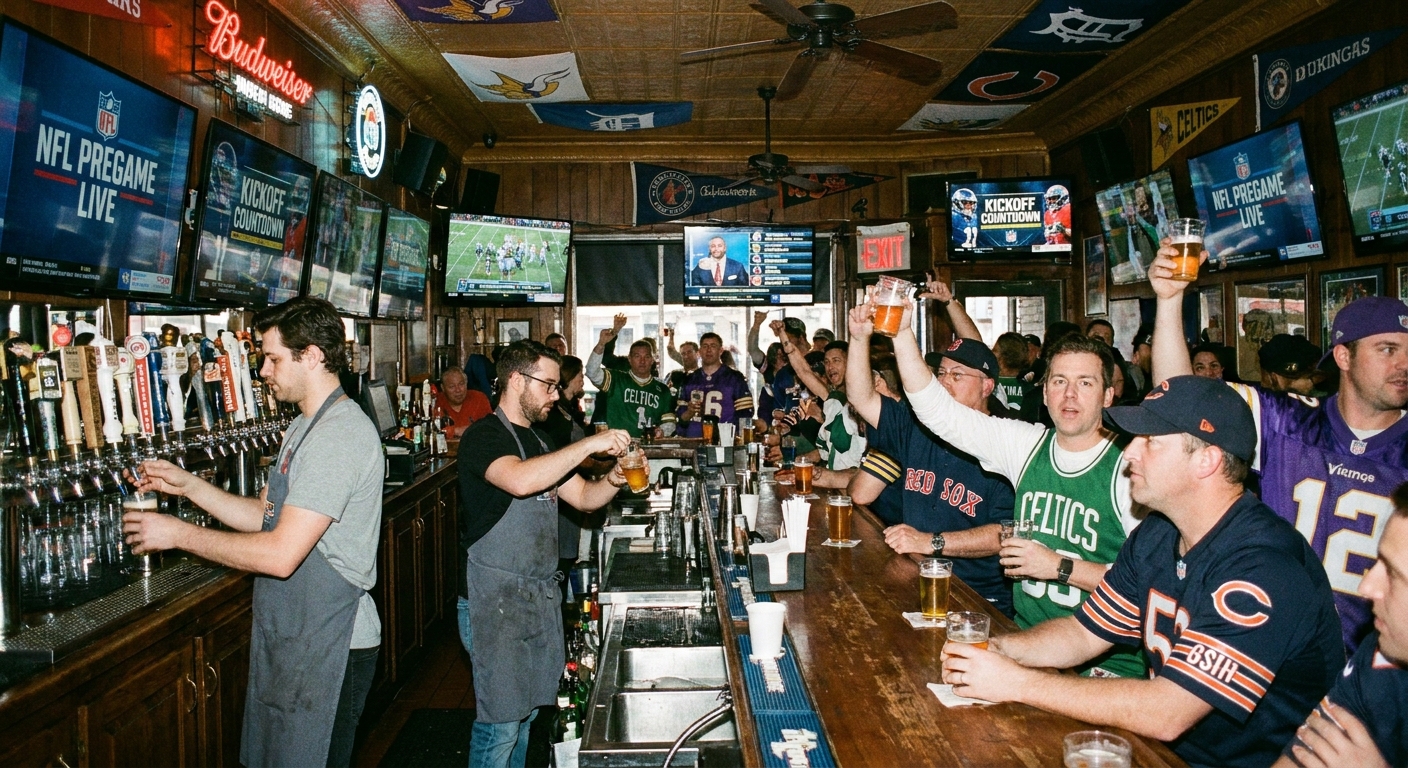
A timeline that works
Every venue is different, but this general timeline keeps you out of the worst lines and still gives you time to roam. This is for people who want to spend their pregame time near the stadium area, not out in the suburbs.
- 3 hours before kickoff: arrive in the stadium area (or your chosen nearby ZIP), get your bearings, and confirm your saved spots are open.
- 2 hours 15 minutes: pregame meal, market stop, or quick-serve plan.
- 1 hour 30 minutes: your one quick attraction (park loop, waterfront stroll, public art, a marker cluster).
- 75 to 90 minutes: head toward the stadium zone, bathrooms, security, ticket scan.
- 30 minutes: you are in your section, snacks in hand, stress level low.
Leah’s reality check: rivalry games, playoffs, older gates, shuttle systems, and bag checks can stretch the timeline fast. Add 30 to 45 minutes if you have kids, you need elevator routes, you are using a shuttle, you have club access with a different entry flow, or you have not been to that venue before.
Parking and transit without the bottlenecks
This is where ZIP codes really shine. When you search parking by “stadium,” you often get the closest lots, which are usually the slowest exits. When you plan around the surrounding area, you can choose your tradeoff: shorter walk or quicker escape.
My parking approach
- Pick a walk-in edge: park on the outer edge of the stadium neighborhood and walk in. A slightly longer walk often means a calmer exit.
- Avoid the obvious main drag: if one boulevard feeds directly into the venue, assume it will be gridlocked after the game.
- Save a postgame snack stop: even 15 to 20 minutes for a late bite can let traffic thin.
My transit approach
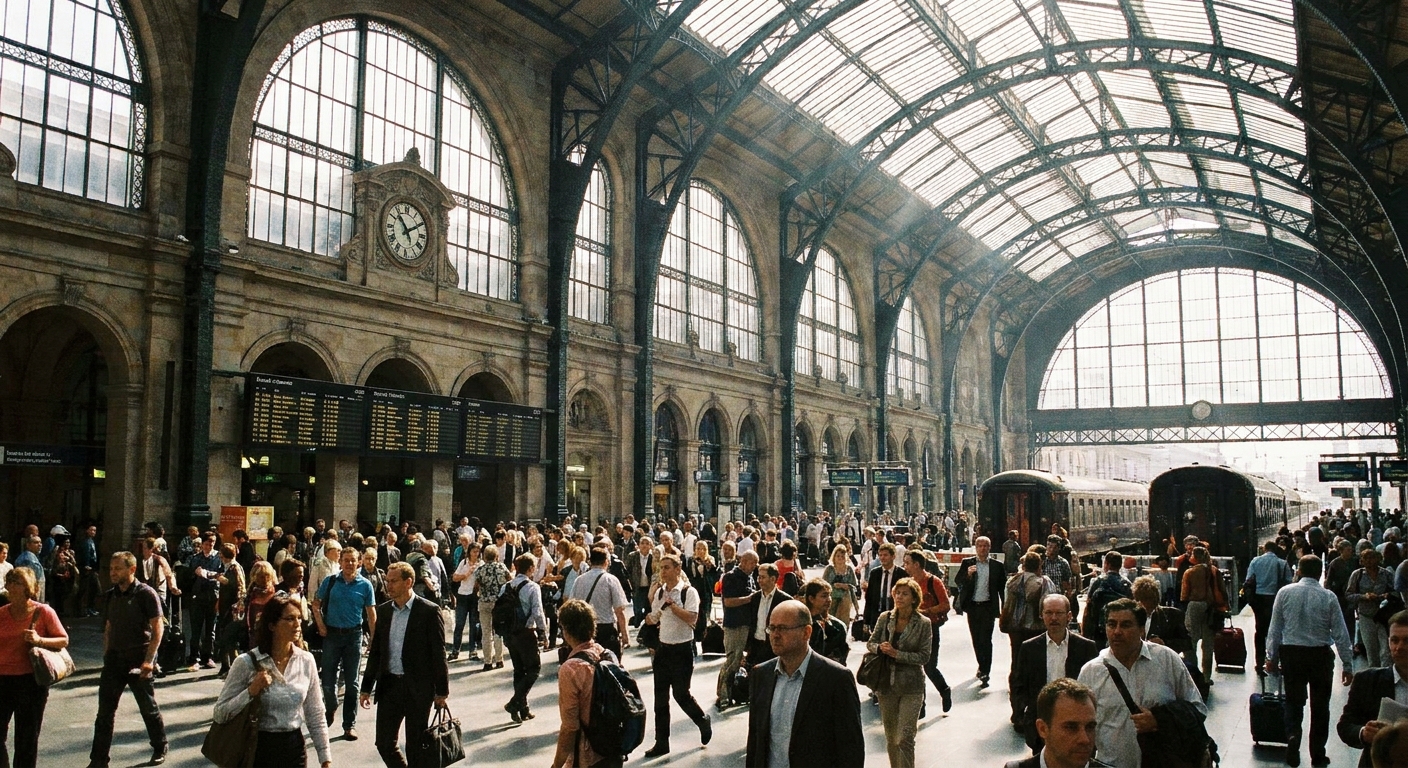
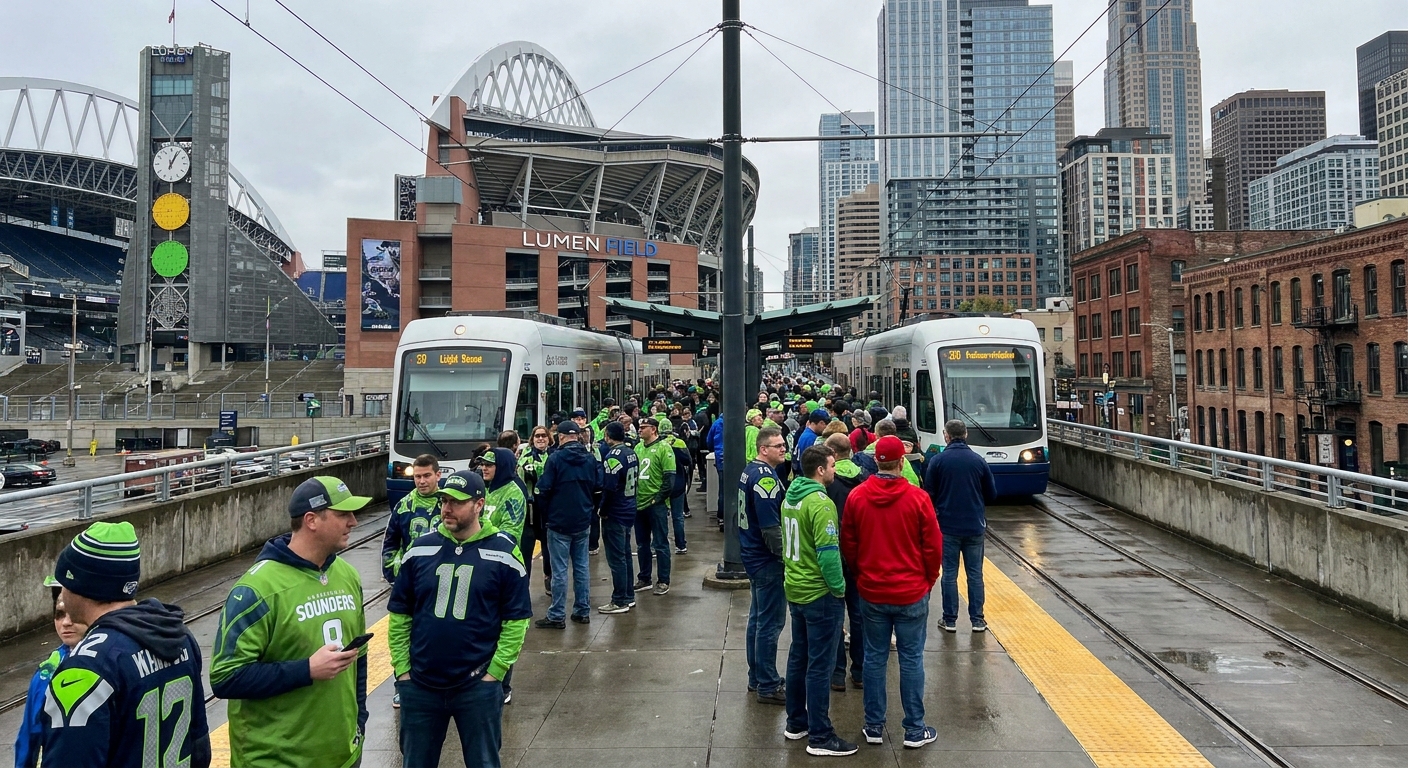
- Build your loop around a station: pick one train stop or major bus hub near the stadium area and treat it like your base point.
- Save a backup stop: keep one alternate station saved a short ride away in case the closest platform is jammed.
For a deeper car-free planning approach, I put my best tricks here: Train Station ZIP Codes for Car-Free Day Trips.
Quick attractions that fit the clock
When you are working with a tight window, you want stops that are easy to enter, easy to leave, and still feel memorable.
My favorite fast wins
- Neighborhood park loop: 20 minutes of fresh air can reset your whole day.
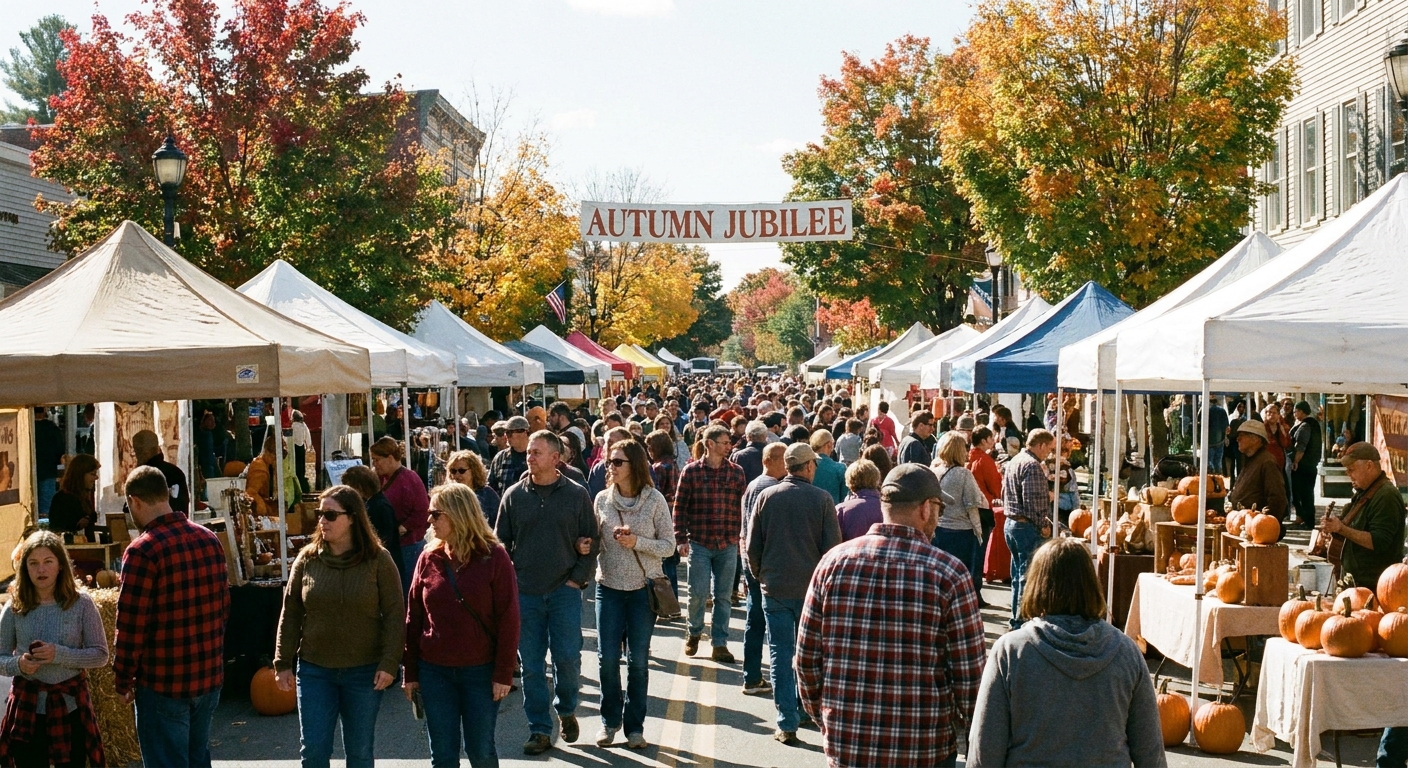
- Public market browse: snack browsing counts as entertainment, and it is weather-friendly.
- Self-guided walk: pick 4 to 6 stops and keep moving.
- Arts district pockets: murals and small galleries often cluster within a few blocks.
If you want to turn that into an actual route, here is how I do it: Map a Self-Guided Walking Tour With ZIP Code Boundaries. And if the stadium sits near creative neighborhoods, I use this lens too: Using ZIP Code Data to Find Arts and Culture Districts.
Weather swaps
When the weather turns, I do not cancel the pregame. I just switch the “park tailgate” to something indoors that still keeps me close to the stadium area.
- If it is raining: markets, museums, covered breweries, hotel lobby coffee stops, or any big indoor space where you can sit for 30 minutes without stress.
- If it is blazing hot: shade-first routes, indoor meal first, then the shortest possible walk to the gate.
- If it is cold and windy: a warm meal closer to entry time beats a long outdoor wander.
If you want to get nerdy about it, matching the forecast to your exact plan is the whole point of this guide: Match Hyper-Local Weather to ZIP Codes.
Gate readiness checklist
The smoothest game days are won or lost at the gate. Before you head into the densest crowd zone, I do a quick reset:
- Tickets ready: save to your phone wallet and turn your brightness up before you get to the scanner.
- Know the bag rules: clear-bag policies and size limits vary by venue and can blow up your timeline if you are surprised.
- Carry less: the fewer pockets and loose items you have, the faster security goes.
- Pick a meeting point: choose a landmark a block or two away from the main gate in case you get separated.
Accessibility notes
If you or someone in your group has mobility needs, plan the day around the parts that are hardest to change last minute.
- Choose the route, not just the distance: the shortest walk can still be the wrong walk if it includes steep ramps, stairs, or a long pedestrian bridge.
- Budget extra entry time: elevators, accessible screening, and slower-moving crowds can add time even when everything is working perfectly.
- Consider closer parking: sometimes it is worth trading a slower exit for less walking and fewer pinch points.
A pregame plan you can copy
Here is the flexible version I use in almost any city:
- Base ZIP: the stadium address ZIP, used as a starting point to narrow the neighborhood.
- Meal: one fast local spot within 0.6 miles of your chosen approach route.
- One stop: park, waterfront, market, or a mural cluster that takes 20 to 40 minutes.
- Buffer: a 20-minute cushion before you commit to heading toward the gates.
- Last-mile plan: one preferred entry route plus one alternate saved in your phone.
The best part is you can reuse the whole approach for concerts and festivals too. Anywhere you have a venue, you also have a neighborhood worth exploring.
More ideas for your next outing
- Attractions guide for building quick, satisfying stops into any day.
- ZIP Code Lookup guide for tightening your search area fast.
- Town Guides when you want the ZIP code to turn into a full-day wander.