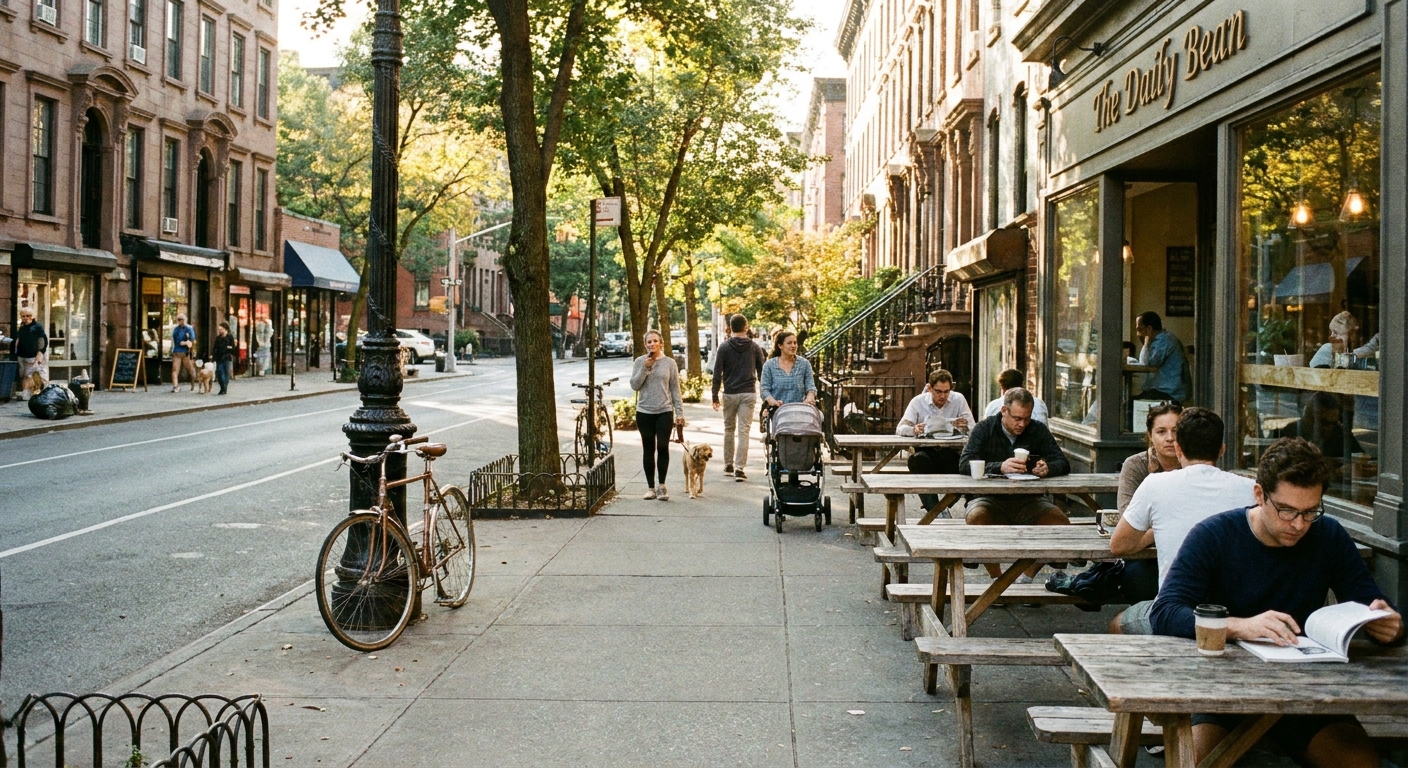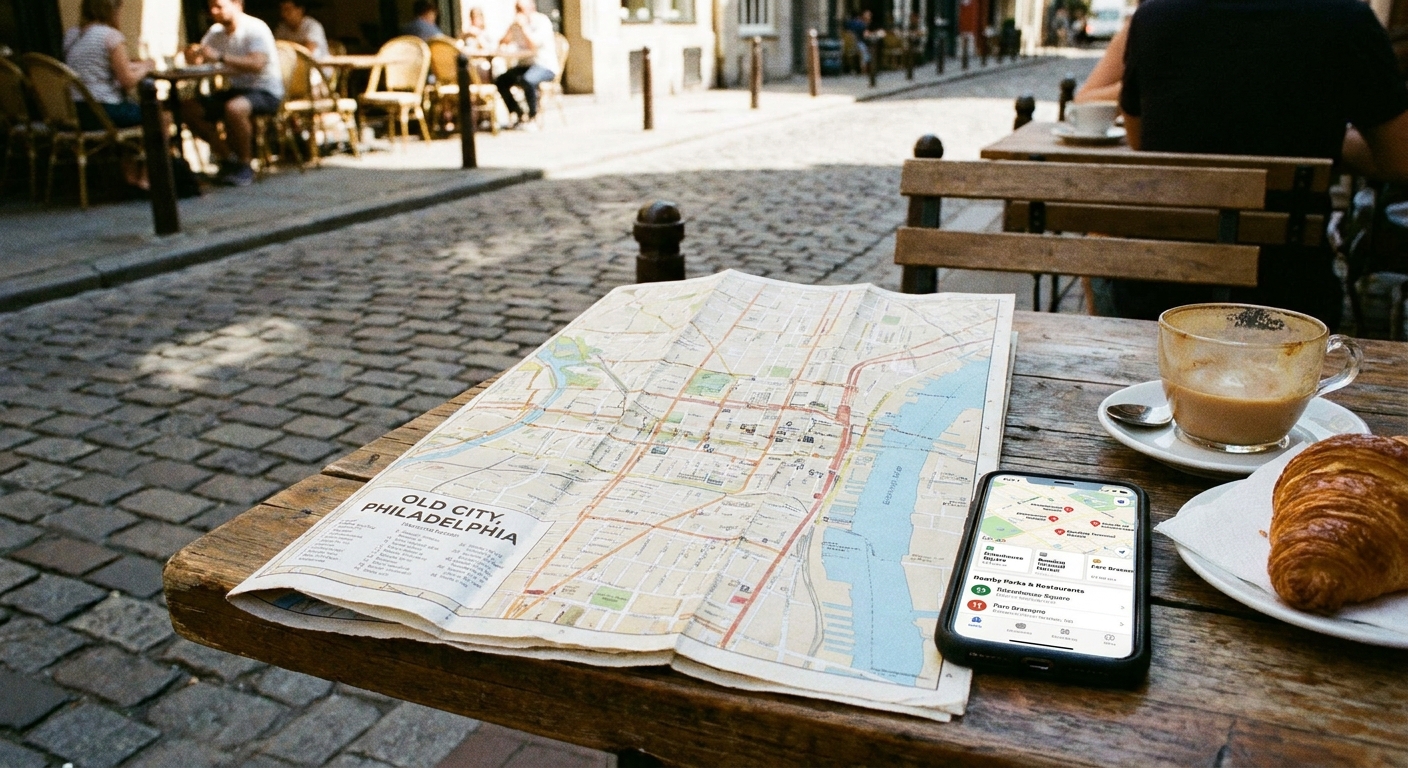

I grew up in a military family, so “home” changed a lot. The one constant was this: wherever we landed, I went looking for plants. Not in a grand, bucket-list way. More like, “Where can I walk under tall trees, drink a coffee near a pond, and pretend my calendar is not yelling at me?”
That is why I love building a Botanical Day Out from a single ZIP code. A garden visit is great. A garden visit that flows into a conservatory, a riverside trail, and a shady neighborhood park five minutes away is even better.
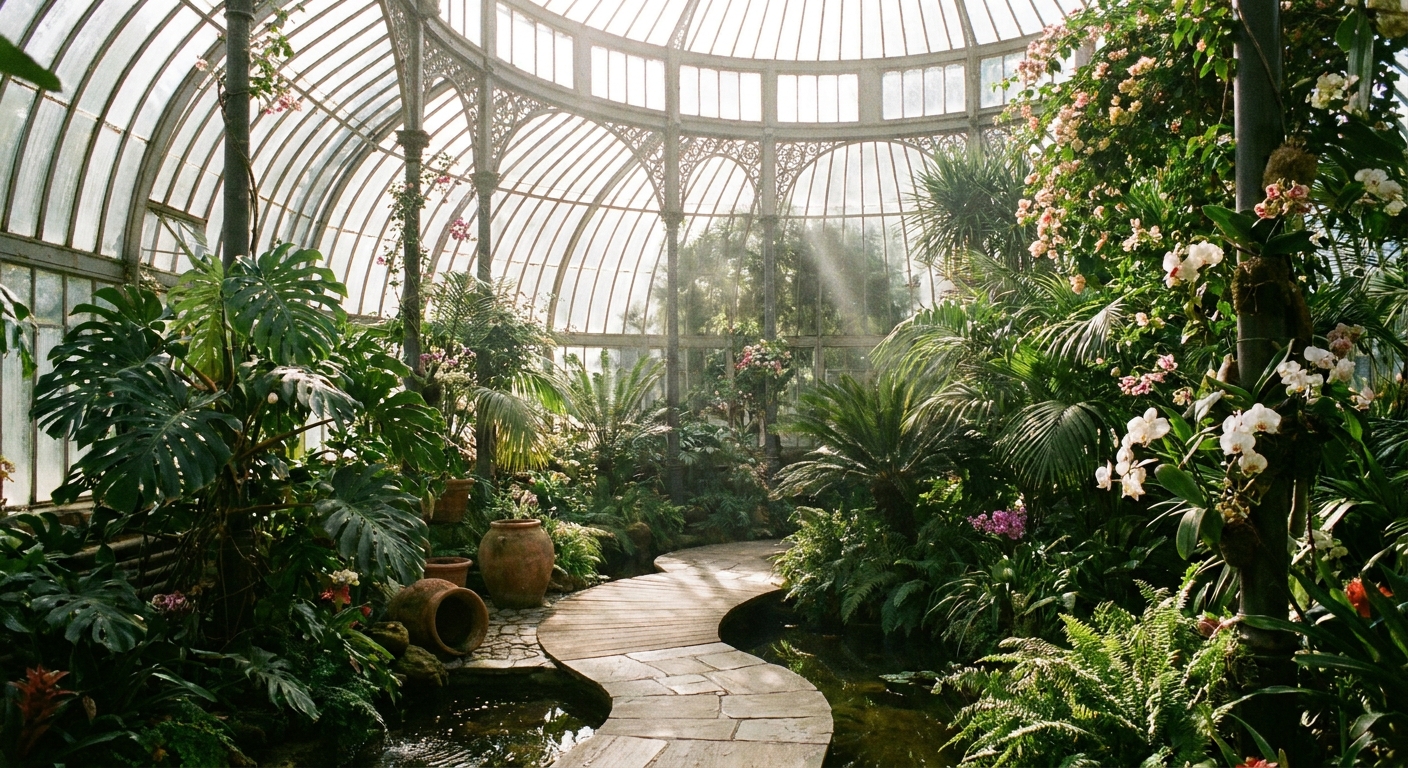
What a Botanical Day Out is
This is not an all-day hike or a sprint through five stops. Think of it as a gentle loop built around one main botanical anchor (a botanical garden, arboretum, or conservatory) plus two to four nearby green add-ons you can reach by crossing one or two ZIP code boundaries.
The goal is a cohesive day: big plants, small delights, easy transitions, minimal backtracking, and at least one spot where you can sit and do absolutely nothing on purpose.
Build your route from a ZIP code
City names are messy. A “botanical garden in Austin” might be 35 minutes from the neighborhood you are actually starting in. Planning by ZIP code can be more precise than a city-level search because it nudges you to start from where you are, not where the tourism brochures assume you are.
One nuance I keep in mind: ZIP codes are USPS mail delivery areas. They can be oddly shaped, and in rural areas they can cover a lot of ground. I still like them as a starting point for micro-trips, but I always sanity-check distance and drive time once I have a short list.
If you have not done it before, start here: City Name vs. ZIP Code Search. It explains why ZIP-first planning is so helpful for local days out.
Step 1: Pick your anchor ZIP code
Choose the ZIP code where you will actually park first. That could be the garden itself, your hotel, your friend’s house, or the café you trust with your morning.
Step 2: Draw your comfort radius
My sweet spot for a botanical itinerary is a 5-mile radius, then a stretch to 10 miles only if there is a can’t-miss conservatory. If you want the exact method I use, I wrote it out here: How to Plan a 5-Mile Radius Day Trip From Any ZIP Code.
Step 3: Look for green clusters nearby
Many well-loved gardens and arboretums were sited near parkland, creek corridors, campuses, or older neighborhoods with mature trees. On a ZIP code map, that often shows up as a cluster of options just across a boundary.
How to connect stops
When I am mapping this kind of day, I use a simple structure: one main paid or ticketed site, then free or low-cost greenspaces as breathing rooms between the more curated stops.
The best order (it saves your feet)
- Morning: Conservatory or greenhouse first. Indoor glasshouse spaces get crowded later, and mornings feel cooler and calmer.
- Late morning: Botanical garden core paths. Do the signature areas while you have energy.
- Lunch: 1 ZIP code over, not inside the garden. Garden cafés can be great, but they can also be slow and pricey. I like to hop to a nearby commercial strip ZIP for a faster, local lunch. If you need help finding the good stuff, use: Find Hidden Gem Restaurants With a ZIP Code.
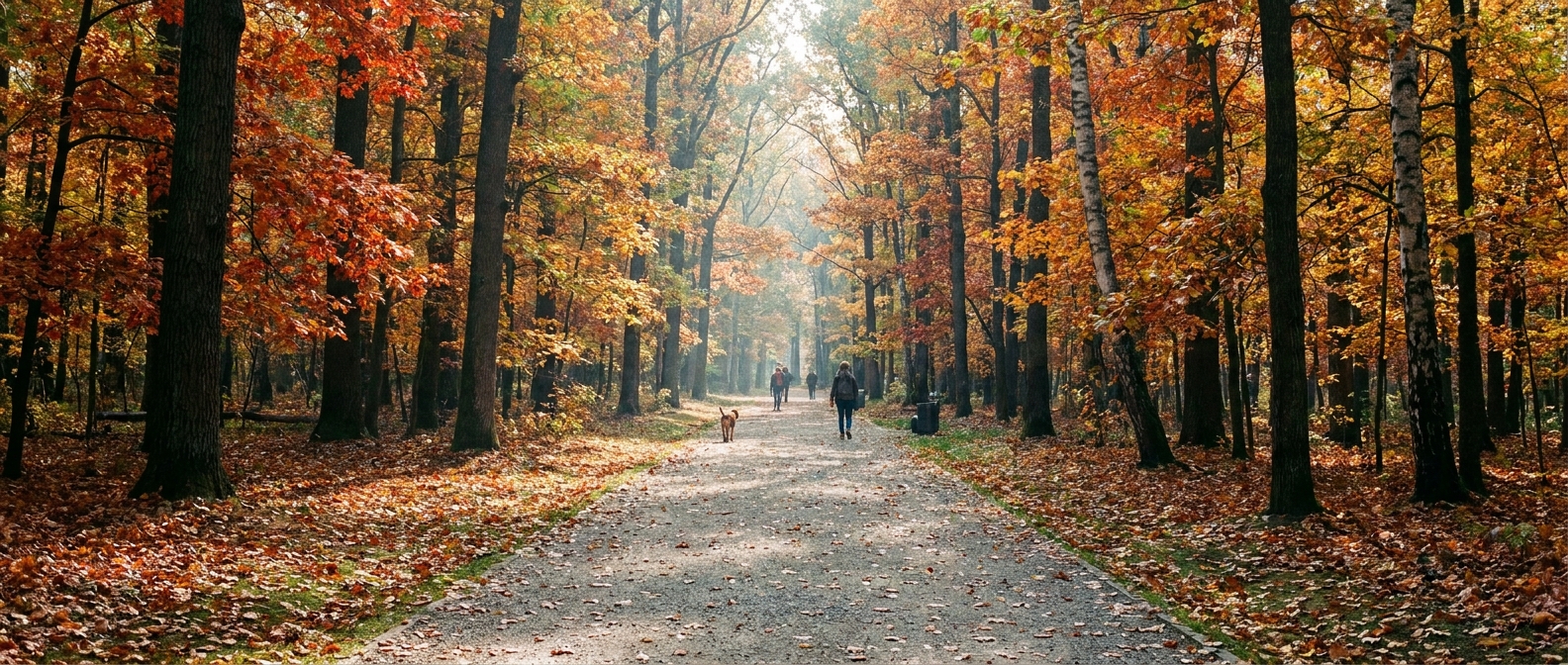
- Afternoon: Arboretum loop or shaded trail. Look for tree cover, creek paths, or a lake loop to cool down.
- Golden hour: Small park, overlook, or waterfront greenway. End with somewhere you can sit and soak it in, no map required.
Three connector stops that make it flow
- Riverside or lakefront parks for breezes and easy walking.
- Historic neighborhoods with pocket parks for benches, shade, and pretty streets.
- Outdoor sculpture gardens when you want variety without leaving the nature mood.
What to look for nearby
Once you have your anchor ZIP code and radius, here are the place types I use to fill the day. I keep this list on my phone because it works in basically every region.
Primary botanical anchors
- Botanical garden
- Conservatory
- Arboretum
- Greenhouse
- Japanese garden
- Rose garden
Green add-ons that pair well
- City park or regional park
- Nature center
- Wetlands preserve
- Riverwalk or greenway
- Native plant garden
- Community garden (some are visitable, some are not, check signage)
- University campus garden or arboretum
Bonus stops that still feel botanical
- Garden shop or local nursery (great for a quick wander)
- Farmers market (flowers and local produce count as botanical joy)
- Historic cemetery (often full of old trees and landscaping, be respectful)
- Scenic overlook with a short path
If you want a broader way to think about building attraction clusters by ZIP code, start with: Attractions.
A sample schedule
Here is the framework I use so the day has a beginning, middle, and end without feeling overplanned. Swap in your own spots inside your chosen radius.
9:00 AM: Coffee near the anchor ZIP
Pick a café with easy parking and a restroom. It is not glamorous, it is strategic.
10:00 AM: Conservatory or greenhouse
Do the indoor space while it is cool and quiet. Take your time here. This is the wow portion.
11:30 AM: Botanical garden outdoor loops
Most outdoor gardens land in the 90 to 150 minute range if you are actually reading labels, taking photos, and sitting when you find a good bench. Walk the themed sections (native plants, roses, desert, tropical, children’s garden). Snap photos of plant labels you love so you can look them up later.
1:00 PM: Lunch one ZIP over
I like to aim for something local and unfussy. If the line is long, pivot. Botanical days are not for waiting in a hallway.
2:30 PM: Arboretum or shaded trail loop
This is where you get your quiet miles in. A 1 to 3 mile loop is perfect.
4:30 PM: Pocket park or waterfront sit
End with a bench, a view, and zero obligations.
Before you go
These are the little checks that keep a dreamy plant day from turning into a locked gate and a grumpy lunch.
- Hours and last entry: Some gardens stop admissions earlier than closing time. Conservatories can have timed-entry windows.
- Closures and maintenance: Greenhouses sometimes close sections for rotations, pest management, or seasonal resets.
- Tickets and parking rules: If parking is paid or timed, set yourself up for a relaxed exit, not a sprint back to the car.
- Peak bloom timing: If you are planning around tulips, cherry blossoms, or roses, be flexible. Weather shifts everything by a week or three.
- Accessibility and pacing: Look for notes about paved paths, steep grades, bench density, tram loops, or wheelchair rentals. Gardens can be wonderfully accessible, but it varies a lot.
Little details that help
Parking tips
- Arrive early if the garden is in a dense neighborhood ZIP. Lots fill up fast.
- Check for alternate entrances on the venue map. Some gardens have a quieter side entrance or a less stressful lot, but it is worth verifying before you commit.
- Save your best walking energy for inside the garden. Do not burn it on a long trek from overflow parking if you can help it.
What I pack for a plant-heavy day
- Comfortable shoes with decent grip (gardens have sneaky slopes)
- Refillable water bottle
- Hat and sunscreen, even in shoulder seasons
- A light layer for conservatories (some are chilly)
- Hand wipes or a small towel (soil happens)
Weather planning by ZIP code
Gardens are weather-sensitive, and microclimates are real. Before you commit, check conditions by ZIP code so you are not surprised by a rain pocket across town: Match Hyper-Local Weather to ZIP Codes.
Make it feel local
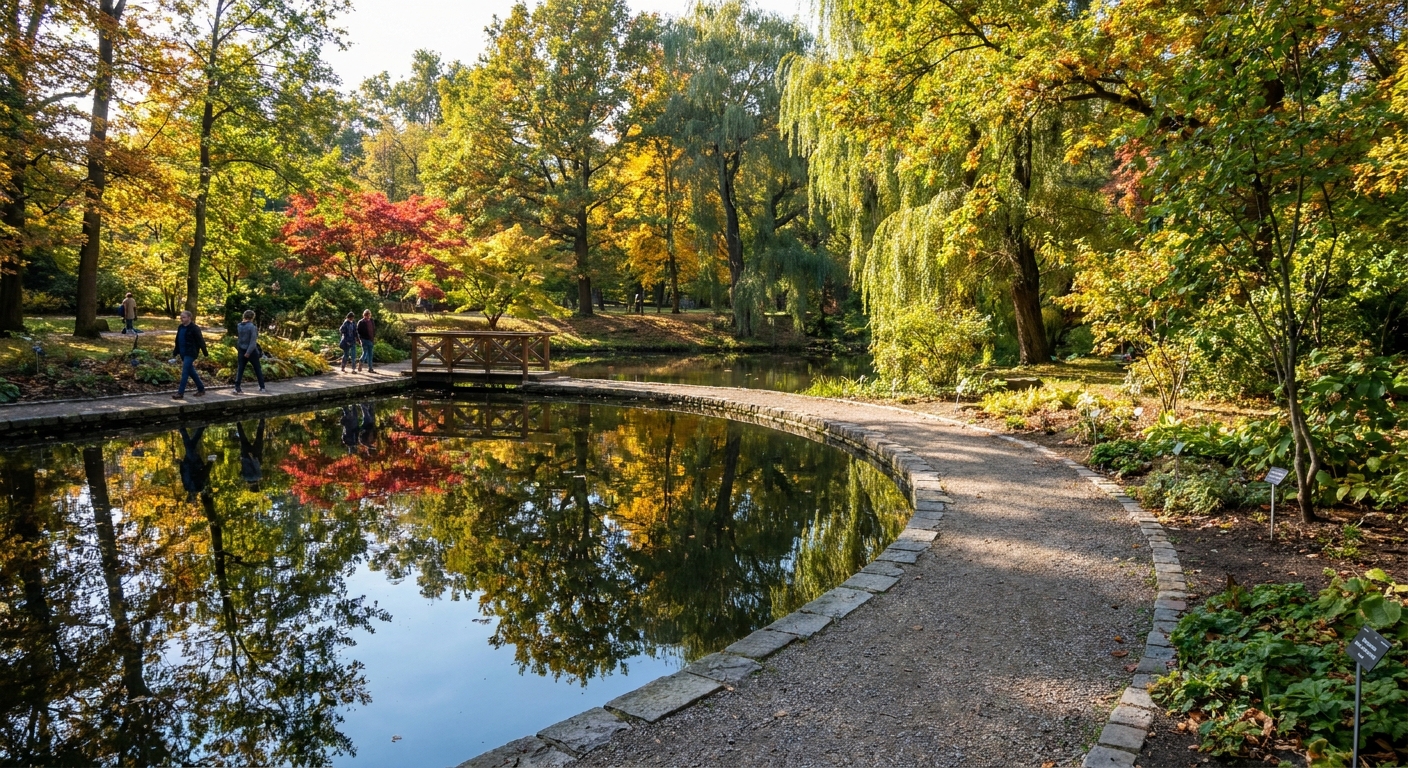
The best botanical days have one quirky, hyper-local moment. I am talking about the tiny duck pond behind the library. The neighborhood nursery where the staff knows every tree by first name. The historical marker you stumble on near an old stone gate.
If you want to add a little story to your walk, I love pairing gardens with nearby markers: Find Historical Markers by ZIP Code. It turns a pretty stroll into a place you actually remember.
If you have half a day
You can still get the full botanical glow in 3 to 5 hours. Use this simplified route:
- One conservatory or greenhouse (60 to 90 minutes)
- One outdoor garden loop (60 to 120 minutes)
- One nearby park or greenway stop (30 to 60 minutes)
- One easy meal (quick lunch or an early dinner)
This is basically the nature version of my “single ZIP code town day trip” approach. If you like tight itineraries, you will enjoy: The Single ZIP Code Town Day Trip.
FAQ
How many stops is too many?
For most people: three main stops plus a meal is the sweet spot. One anchor garden, one trail or arboretum, one sit-and-soak park. More than that and you start speed-walking through beauty, which is not the point.
Botanical garden vs. arboretum?
A botanical garden usually has curated plant collections across many types (perennials, tropicals, natives, themed beds). An arboretum focuses heavily on trees and woody plants, often with labeled specimens and longer walking paths. For an all-day itinerary, they pair perfectly.
What if the conservatory is in a different ZIP code?
That is normal and it is often ideal. Use your anchor ZIP code for the morning stop, then hop ZIP codes for lunch and your afternoon walk. Crossing one boundary is sometimes the difference between crowded main roads and a calm, leafy neighborhood route.
Can I do this without a car?
Yes, if you build the day around one ZIP code with good transit and choose a second stop along the same line. I plan car-free micro-trips using station ZIP codes, and the method works great for gardens too: Train Station ZIP Codes for Car-Free Day Trips.
One last Leah tip
It is tempting to finish at the biggest, flashiest stop. I have learned to do the opposite. End at the small place: a pocket park, a short riverside path, a neighborhood green with kids playing in the distance. You will go home feeling like you actually got away for a day, not like you completed a list.
If you want more ways to stretch a local day into something that feels like a mini vacation, this is my jumping-off point: Plan a Local Day Out Beyond a ZIP Code.