

I have a soft spot for single-ZIP-code towns. They are the places you can blink and miss on the highway, then spend the next eight hours wondering why you do not visit more often. I grew up in a military family, so I learned early that the fastest way to feel like you belong somewhere new is to find the diner, the park, and the weird little historical plaque everyone drives past. A one-ZIP town makes that easy because everything is close, and the charm is concentrated.
This is how I plan a full day out in a tiny place where the attractions are limited on paper, but surprisingly rich once you slow down and build an itinerary that fits the pace.
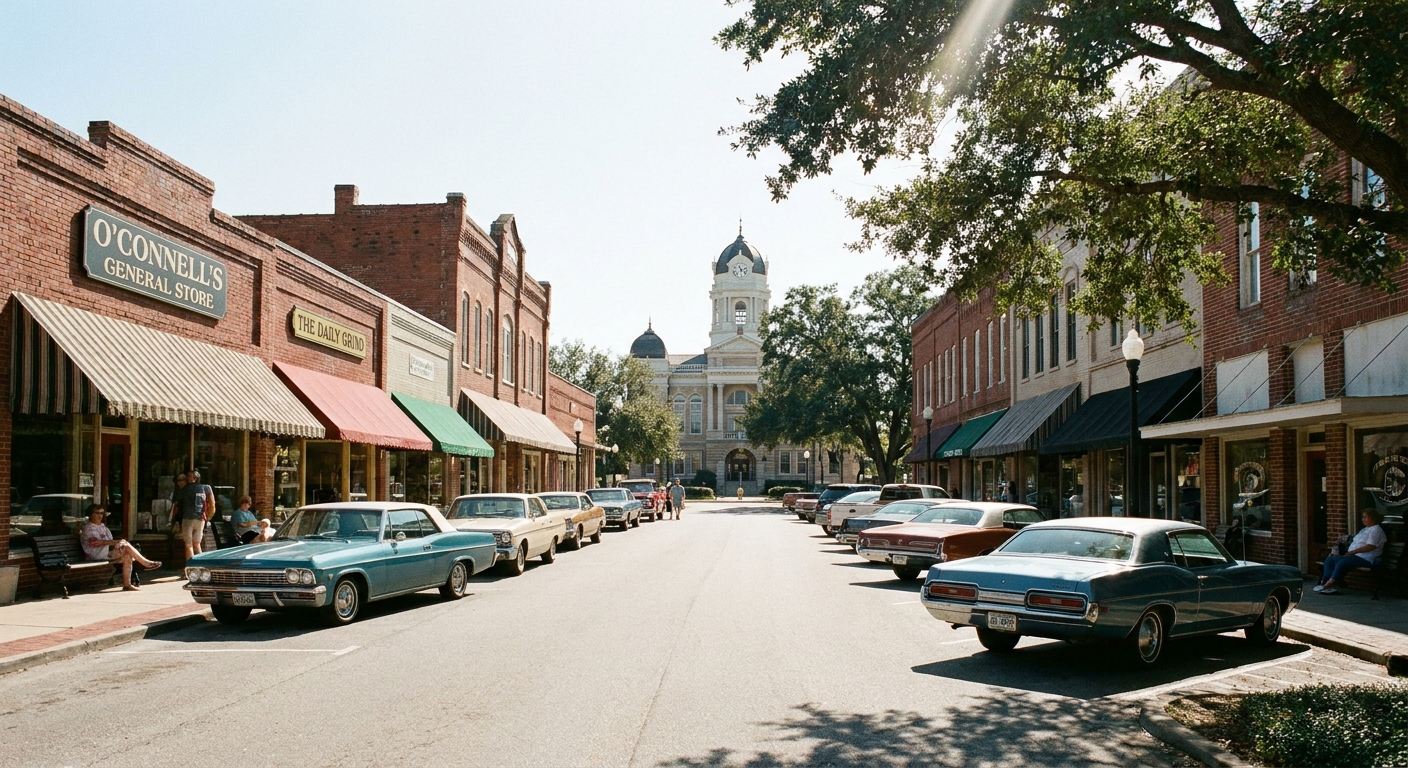
What makes a single-ZIP town special
In a big city, your day gets eaten by driving, parking, and decision fatigue. In a small town, you get the opposite: a compact core, familiar faces, and a rhythm that rewards lingering. Your goal is not to cram in ten attractions. Your goal is to stack a few satisfying anchors and leave breathing room for the good stuff you cannot schedule.
- Everything is close. You can string together stops that would be across town elsewhere.
- Local businesses are the attraction. The bakery, the feed store, the tiny museum room inside the library, the family-run cafe.
- The best moments are unscripted. A conversation at the counter, a scenic pull-off, a farmer’s market you did not know existed.
Before you go: a 10-minute map
When I pick a ZIP code on the map, I plan like I am packing a tiny day-trip suitcase. The trick is to define the town’s loop, then choose a few anchors that keep your day moving without rushing.
Step 1: Define your loop
Give yourself a simple shape to follow:
- Main Street loop: one pass heading in, one pass heading out, plus a side street or two.
- Park and walk loop: park once near the center and walk for 60 to 90 minutes.
- Scenic loop: a short drive that returns you to town for lunch and browsing.
If you like planning by distance instead of boundaries, use my radius approach and keep it tight. I often start with a 5-mile radius as a personal default, then shrink it to the walkable core or expand it if the ZIP covers a lot of countryside. See how to plan a 5-mile radius day trip from any ZIP code.
Step 2: Pick 3 anchors, then stop planning
Anchors are the non-negotiables that make the day feel complete:
- One local meal (breakfast or lunch, ideally not a chain)
- One outdoor reset (park, riverwalk, overlook, small trail)
- One culture stop (museum, historic district, art space, library exhibit)
Everything else becomes optional detours. Optional is where the magic lives.
Step 3: Save two backup options
Small towns have small-town hours. That is part of the charm, but it is also why I always keep two backups in my notes:
- A second cafe or deli if the first place is closed or packed
- A second outdoor spot in case of weather or trail closures
One more realism tip: hours and seasonal schedules change, and map listings can be wrong. If you are visiting Monday through Wednesday or in the off-season, build your day so you can pivot fast.
The ideal full-day itinerary
Here is the structure I use again and again. Adjust the times, but keep the order. It helps your day build naturally from cozy to active to relaxed.
9:00 a.m.: Arrive early and get easy parking
If you do only one thing strategically, make it this: arrive early enough that parking is effortless. In tiny towns, there is usually a sweet spot where locals have not filled the center yet, but businesses are open.
- Park near the post office, city hall, or a central park. These areas tend to be easy to navigate.
- Take a photo of where you parked. If the streets look similar, you will thank yourself later.
9:30 a.m.: Breakfast at the place with regulars
My rule: if you see work boots by the door and someone greeting the server by name, you are in the right spot.
If you need help finding a great local bite by ZIP code, I built a simple approach here: find hidden gem restaurants with a ZIP code.
10:30 a.m.: Do the Main Street sweep
This is my favorite planning trick because it turns “not much to do” into a satisfying scavenger hunt. Walk the most central stretch of town and look for:
- A local bookstore, antique shop, record corner, or thrift store
- A bakery or candy counter for a later snack
- A community bulletin board with events and markets
- A historical marker you can actually read without traffic whizzing by
Give yourself permission to buy one small souvenir that makes you remember the town, like jam, local honey, a postcard, or a handmade soap bar.
If you are low-mobility or just not in a walking mood, do a driveable version: cruise the core slowly, park once or twice for short, flat stops, and look for benches, shade, and easy curb access.
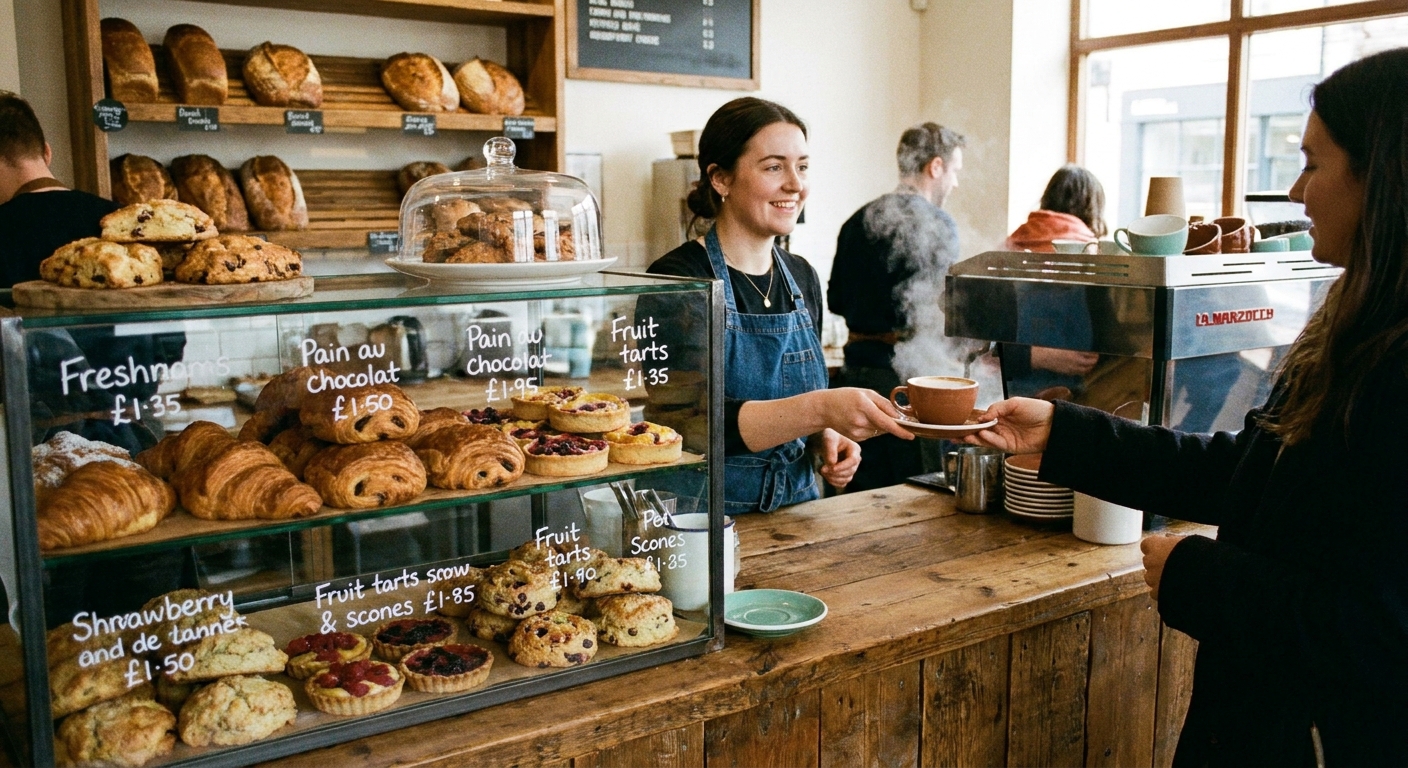
11:30 a.m.: The small museum hour
Many one-ZIP towns have a museum that is tiny but mighty. Sometimes it is a historical society room open limited days. Sometimes it is a rail depot exhibit. Sometimes it is a single restored building with volunteer docents who know everything. And sometimes, there is no formal museum at all, so you make your own culture stop.
If you cannot find a formal museum, try this:
- Walk or drive the oldest neighborhood near the center and look for architectural details
- Visit the public library and scan the local history shelf or display case
- Find a mural, memorial, or courthouse square and read every plaque
For more ideas on turning local ZIP code data into culture stops, you might like using ZIP code data to find arts and culture districts.
12:30 p.m.: Lunch and a linger window
Plan lunch, then schedule something rare: time to linger. In a tiny town, the point is not to speed-run. It is to let the place reveal itself.
- After lunch: stroll a few blocks, pop into one more shop, grab a cookie for later.
- If you are traveling with kids: look for a playground or grassy green to burn off energy for 20 minutes.
- If you are traveling with a friend: do a slow lap of Main Street and take turns picking the next stop.
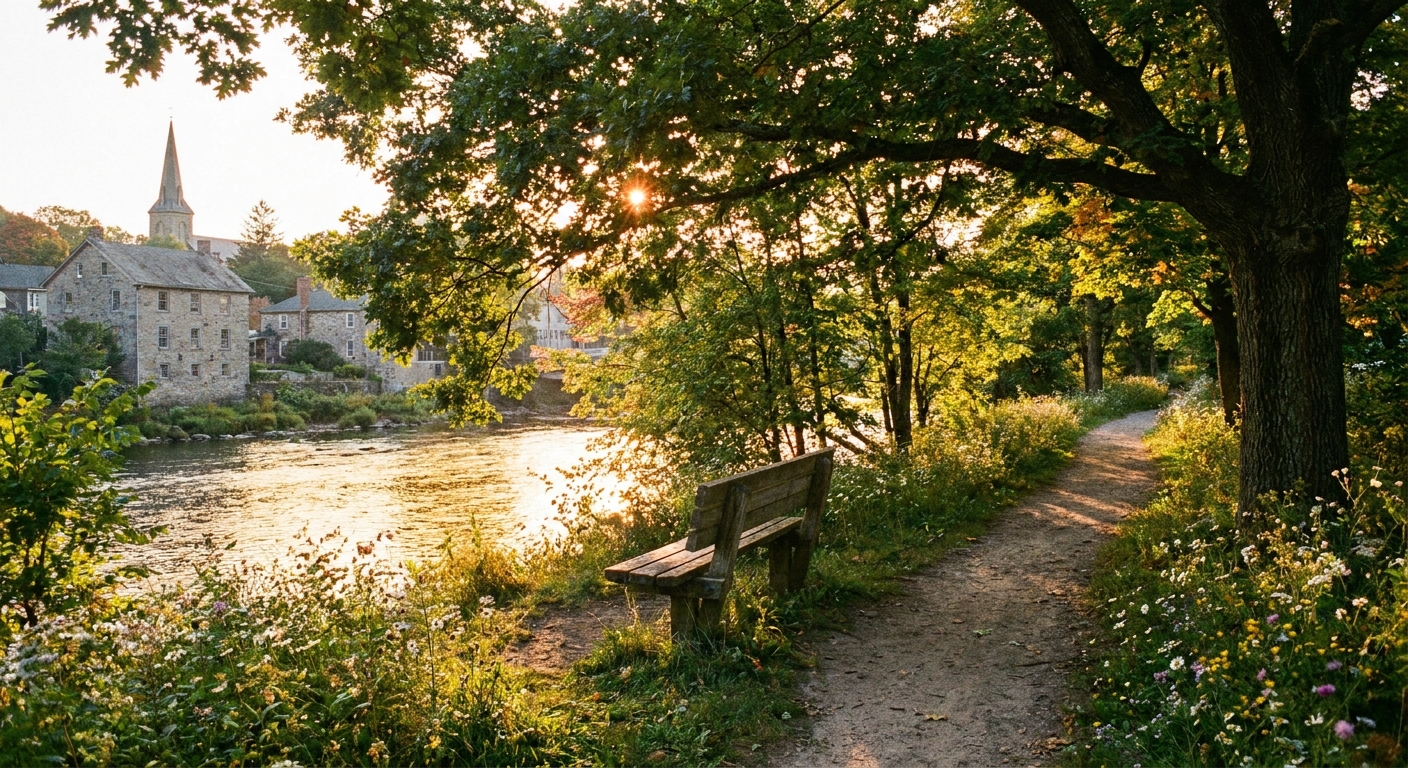
2:00 p.m.: The outdoor reset
Even very small towns often have one place that feels like a deep breath. It might be a riverside path, a county park, a lakeshore, a hilltop overlook, or a shaded cemetery with century-old trees. If none of that exists, your outdoor reset can be as simple as a quiet backroad with pretty views and a safe pull-off.
Choose an outdoor stop that matches your energy:
- Low energy: picnic table plus a scenic view
- Medium energy: 1 to 2 mile loop trail
- High energy: longer hike, or a nearby paddle rental if available
If you want a structured way to map walks using boundaries, I love this method: map a self-guided walking tour with ZIP code boundaries.
3:30 p.m.: The quirky detour
This is where one-ZIP towns shine. The quirky detour is not always famous, but it is always memorable.
Look for one of these:
- An old bridge or scenic byway pull-off
- A roadside farm stand
- A tiny gallery or craft co-op
- A historic church or courthouse square you can walk around respectfully
- A “world’s biggest” or “first ever” sign that makes you laugh
If you are building the day around more than one community, stitch your detours into a simple loop with my road trip planning approach: Road Trips.
5:00 p.m.: Golden hour snacks and an easy exit
Before you leave, set yourself up for an easy drive home. This is the moment to grab:
- Something sweet for the road (pie slice, cinnamon roll, donut bag)
- Something local for later (salsa, pickles, coffee beans)
- A cold drink if you have a long drive
Then take five minutes to do a calm exit plan:
- Use the restroom before you hit the highway. Small towns can have long stretches between stops.
- Check closing times if you plan to stop for dinner elsewhere.
- Save the town on your map with one note about what you loved. Future you will appreciate it.
Common one-ZIP challenges
Everything is closed
It happens. Many small places keep limited hours, especially on Sundays, in the off-season, or midweek. If you arrive and the storefronts are quiet, pivot to:
- The outdoor reset first, then lunch later
- A driving tour of older neighborhoods and landmarks
- A nearby park or scenic route, then return when places reopen
There is only one restaurant
Perfect. Make it an anchor, then stretch the experience:
- Eat slowly and ask what the town is known for
- Order a slice or cookie to go for later
- Build a second food stop around a gas station deli, farm stand, or bakery if available
I feel awkward being a visitor
I get it. My best tip is to act like a good neighbor, not a critic.
- Park legally, tip well, and be patient with small staffs
- Ask permission before photographing people or private property
- If you want to chat, lead with genuine curiosity: “What do you tell friends to do when they visit?”
I have two hours, not a full day
Do the compressed version:
- Pick one meal or coffee stop
- Walk or drive one central loop
- End with one scenic viewpoint or park bench
Packing list
- Small cash stash (some places still prefer it)
- Reusable water bottle
- Comfortable walking shoes
- Light layer (small towns can be windy and shade-heavy)
- Trunk tote for local finds so your car stays tidy
FAQ
How do I know if a town is truly single-ZIP-code?
The simplest way is to look up the ZIP code on a map and see how the approximate ZIP area lines up with the town you have in mind. One note that matters: ZIP codes are created for mail delivery, not as official geographic boundaries, so the mapped shape is an approximation and it might not match city limits. If you want help choosing the right search method, start with city name vs ZIP code search and then explore our broader ZIP Code Lookup guide.
Is a one-ZIP town always walkable?
Not always. The ZIP area might include farmland, lake edges, or highways. What you want is a walkable core. Look for a central cluster of businesses, a town square, or a park near municipal buildings.
What if the town has no attractions at all?
Then make the day about texture, not ticketed sights. Your attraction list becomes: breakfast, a long walk or gentle drive, a scenic stop, and one conversation with a local business owner. That is a real day out, and it is often the kind you remember most.
One last thing I always do
Before I pull out of a single-ZIP town, I take a slow final pass down the main stretch. No rushing, no errands brain. Just a look. These little places have a way of making everyday life feel worth noticing, and that is kind of the whole point of a good day trip.
If you want more itineraries like this, browse the Town Guides collection.