
I have a very specific weakness: an old brick warehouse with a shiny new “taproom” sign and the promise of something fried within walking distance. Maybe it comes from growing up in a military family and constantly learning new towns fast. I’d land somewhere new and immediately hunt for the local pocket that felt alive, the place where you could spend a whole Saturday without ever needing a museum ticket.
In a lot of cities, that pocket is the revitalized industrial zone: the warehouse district, the mill corridor, the rail yard edge that used to be “nothing” and is now suddenly full of patios, pop-ups, and you-need-to-try-this food.
Here’s the trick that makes it easy to plan: instead of chasing neighborhood names that change depending on who you ask, target the ZIP code. One ZIP can sometimes hold a whole day’s worth of breweries and eateries, plus the walkable streets that connect them.
Quick reality check (because ZIP codes have a mind of their own): ZIP boundaries are built for mail delivery, not for humans trying to have a fun afternoon. They can be oddly shaped, surprisingly huge, or split a district in half. Think of a ZIP as a planning container, then sanity-check the walkable core with a walking-distance view.
Why warehouse districts work for ZIP days
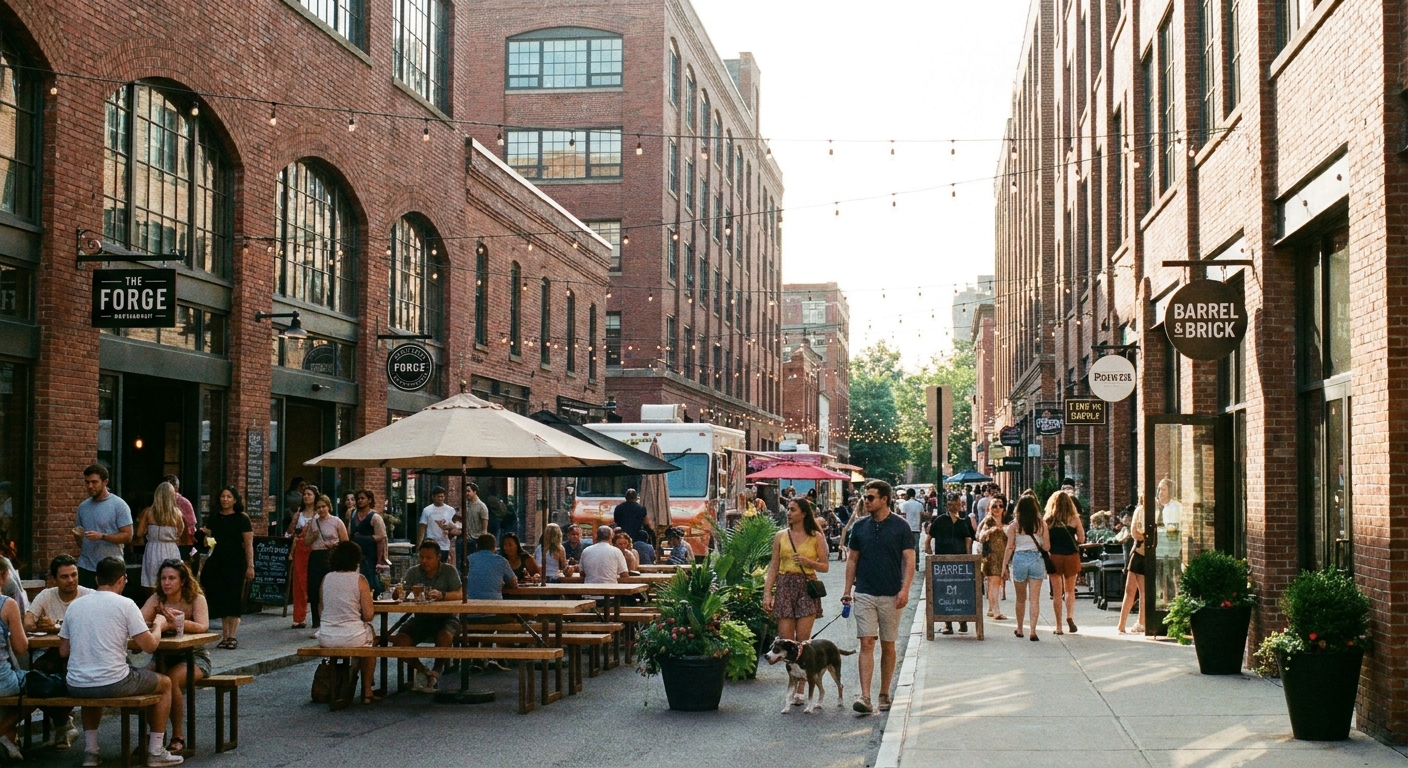
Industrial neighborhoods tend to “revive” in a recognizable pattern: one or two anchor businesses move into big old spaces, then the rest follows. When that happens, you get a tight cluster you can map by ZIP code, with less driving and more wandering.
- Big footprints: warehouses mean room for breweries, food halls, coffee roasters, and test kitchens.
- Walkable pockets: some districts have older grids with shorter blocks, while others are more spread out. The best ones still have a clear, walkable core once you find it.
- Easy wayfinding: smokestacks, water towers, painted murals, and old signage make it harder to feel turned around.
- All-day energy: breakfast sandwiches, afternoon flights, and late-night noodles can all exist within a few blocks.
If you want a quick “choose your adventure” approach first, start with the The Single ZIP Code Town Day Trip mindset and apply it to an industrial district ZIP.
Pick the right ZIP (skip the dead zone)
Not every industrial area is lively, and revitalization can be block-by-block. I use a simple filter before I commit to a day out.
Step 1: Find the cluster ZIP
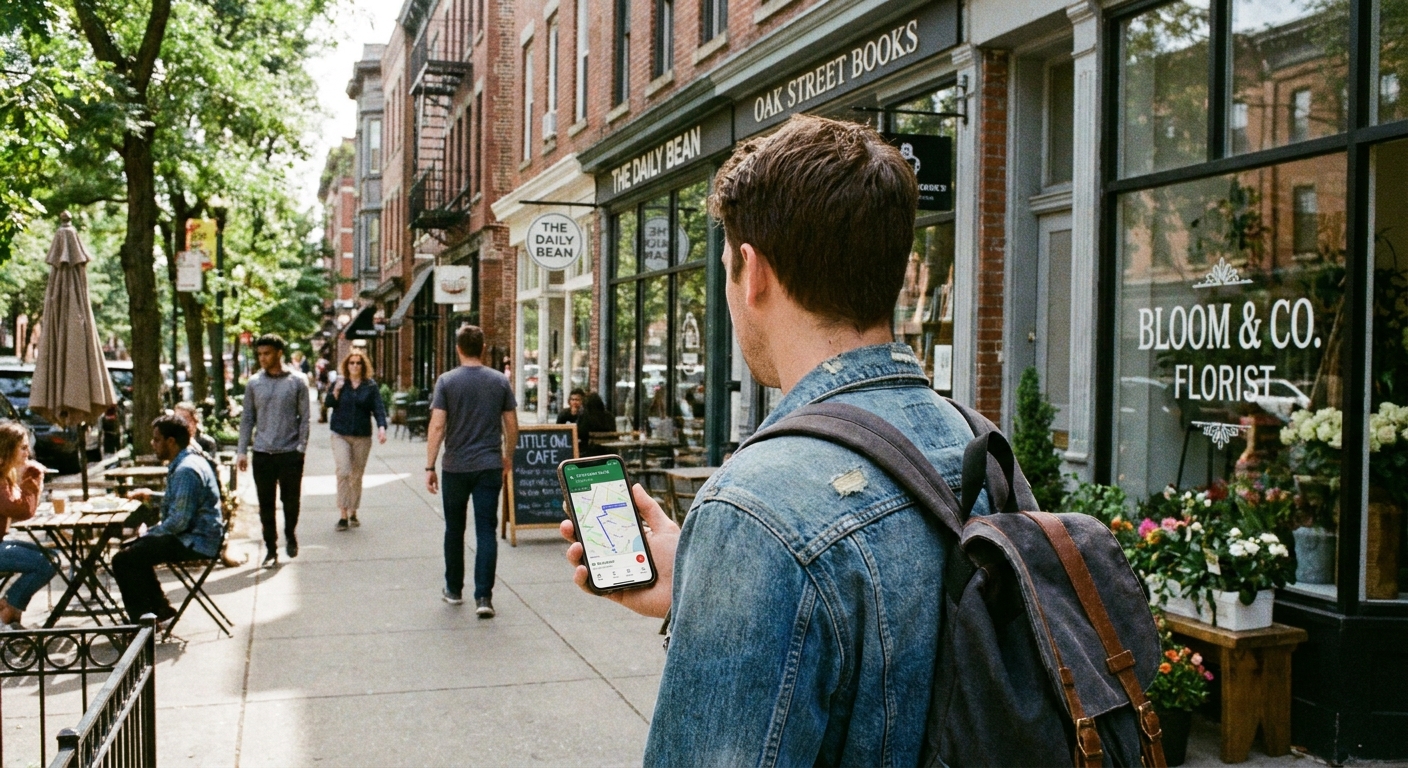
Open your map app and zoom to the city’s older edge near rail lines, riverfronts, or old factory corridors. Then:
- Search “brewery” and pan around until you see a cluster.
- Tap a few pins and note the ZIP codes in the addresses.
- Pick the ZIP that repeats most often.
If you’re new to using ZIPs this way, Guide: ZIP Code Lookup makes the whole process feel less like detective work.
Step 2: Confirm it is walkable
Before you fall in love with a list of stops, check satellite view. A good warehouse-district ZIP usually shows:
- Sidewalks and crosswalks, not just highway ramps
- Converted brick buildings with storefronts (or at least obvious entrances)
- Multiple parking lots or on-street parking options
- A mix of day businesses (coffee, lunch) and night businesses (bars, dinner)
Step 3: Watch for “revitalized, but spread out”
Some ZIPs are enormous, and the fun part may only be a sliver of it. If your pins stretch more than about 1.5 to 2 miles end-to-end, plan it as two mini-loops or you’ll spend your best hour circling for parking.
My favorite way to sanity-check distance is a radius plan. If you want that method, borrow the structure from How to Plan a 5-Mile Radius Day Trip From Any ZIP Code and tighten it to a 1 to 2 mile “warehouse walk.”
Map a brewery and food crawl
A warehouse district can trick you into overbooking your stomach. The goal is not “maximum stops.” It’s a smooth day with the right spacing between drinks and food.
My 6-pin rule
- Pin 1: Coffee (opens early, gets you parked and oriented)
- Pin 2: Early bite (tacos, breakfast burrito, bakery, or brunch)
- Pin 3: First brewery (light flight, patio if weather cooperates)
- Pin 4: Late lunch (something substantial, not just fries)
- Pin 5: Second brewery or cocktail bar (pick one, not three)
- Pin 6: Dinner (make it the “worth waiting for” spot)
Need more help with the food side? I keep my restaurant-finding approach here: Find Hidden Gem Restaurants With a ZIP Code.
Design two loops
Warehouse districts love a surprise: a street closure, a festival, a line out the door. If you map a Loop A and Loop B inside the same ZIP, you can pivot without feeling like the day is shot.
Loop A: coffee, lunch, one brewery, one shop.
Loop B: mural walk, second brewery, dinner.
Timing that makes it feel alive
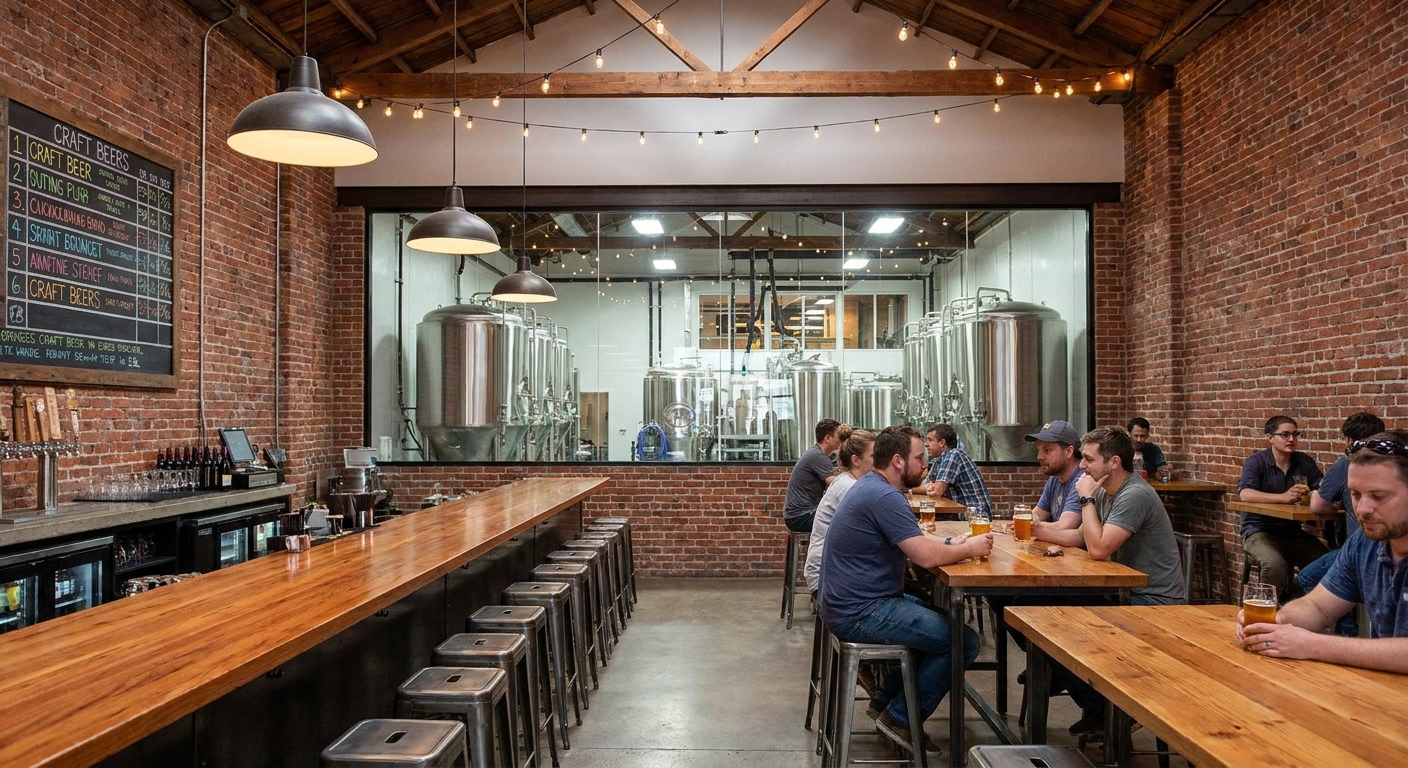
I’ve done enough micro-trips to know that a great ZIP code can still disappoint at the wrong hour. Industrial districts are especially sensitive to timing, and hours can vary a lot by city and season.
Best windows
- Late morning to mid-afternoon: easier parking, shorter lines, good light for walking and photos.
- Golden hour into early evening: patios fill up, food trucks roll in, and the neighborhood finally hums.
Hours that can feel off
- Too early: many places open later than you expect, especially breweries and food halls.
- Sunday night: often quiet, sometimes closed.
- Weekday midday: can be dead if it’s still a working warehouse zone.
I always check weather by ZIP before I commit to a patio-heavy plan. Microclimates are real near rivers, waterfronts, and elevation shifts, and they can change the whole vibe of a walk. This helps: Match Hyper-Local Weather to ZIP Codes.
Parking and getting around
Warehouse districts are great on foot, but they can be annoying in a car. Here’s what I do to keep the day fun.
Pick one home base spot
Find a central lot or a legal street-parking zone near your first stop and plan to walk the first half of the day before you move the car. Constantly re-parking is where good moods start to unravel.
Clues to look for on the map
- Public garages near stadiums or event venues (they can be underused earlier in the day, but check event schedules and rates)
- Large surface lots that serve multiple businesses
- Side streets one block off the main drag (quieter, easier)
Plan one “move the car” moment
I build in exactly one reset, usually between late lunch and the second drink stop. It is a natural energy shift, and it keeps your steps from turning into a forced march.
What to look for in the ZIP
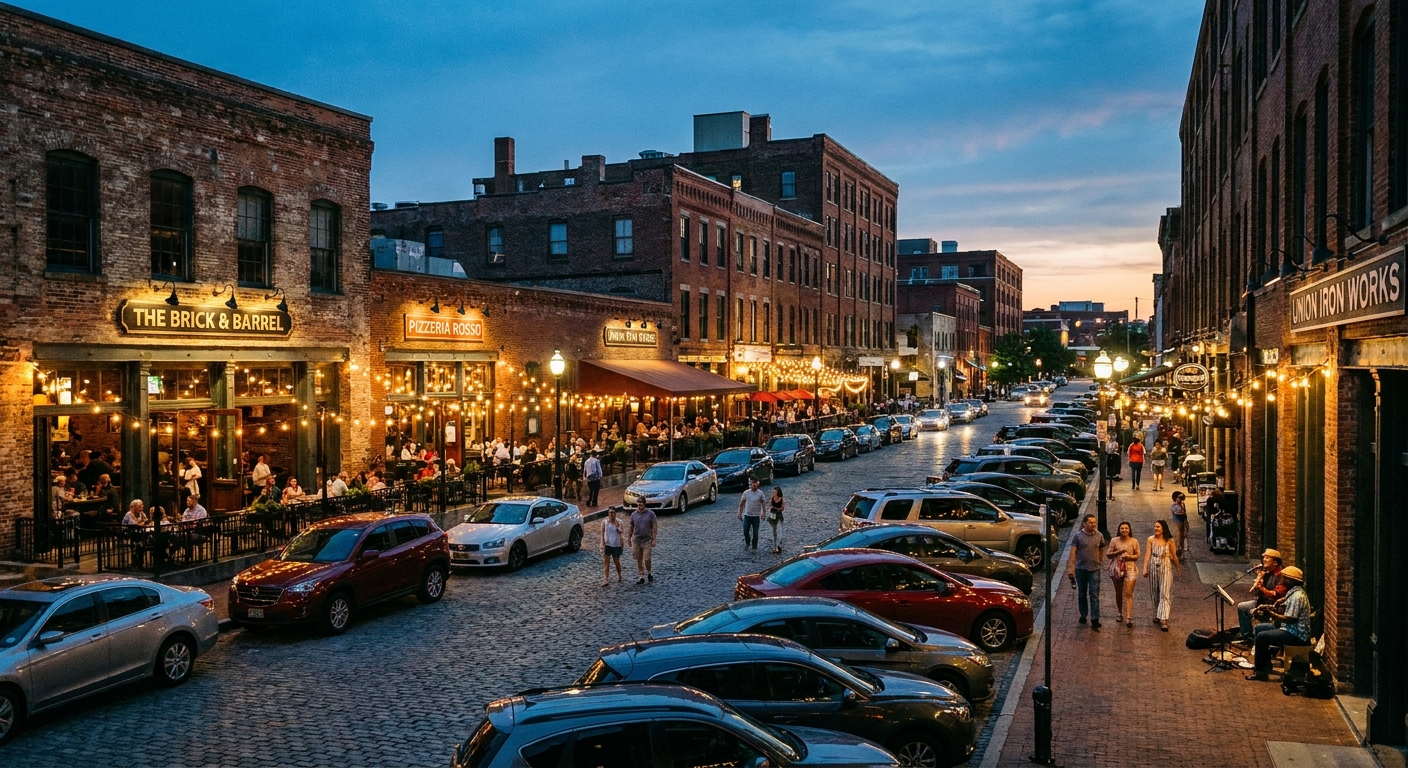
If you are trying to choose between two similar ZIP codes, I vote for the one with the most variety. A strong district is not just breweries. It is the little in-between moments that make the day feel like travel.
Green space counts
Look for a pocket park, riverwalk segment, or even a reused loading yard with picnic tables. That is where you take a breather and decide what is next. If you need a park-finding method, this one is built for exactly that: Kid-Friendly Parks by ZIP Code.
History you can spot fast
Old districts are full of quick-hit history: mill plaques, rail remnants, repurposed cranes, original building dates etched into stone. I love mixing in one short “history stop” to break up the eating and drinking. Try this approach: Find Historical Markers by ZIP Code.
One local shop
Look for a small record store, a makers market, a bookstore, a plant shop, or a vintage clothing spot. It gives your day a middle chapter that is not just another menu.
If you want a shopping-specific game plan, this pairs nicely: Map a Support-Local Shopping Spree by ZIP Code.
A sample itinerary
This is the skeleton I use over and over. Swap in your district’s specific spots once you have the right ZIP code pinned. Adjust times based on opening hours, because brewery and food hall schedules vary wildly.
10:00 a.m. | Coffee and a quick scan
Choose a cafe in the same ZIP as your first brewery. Walk two blocks after coffee to get your bearings and spot murals, patios, and any surprise pop-ups.
11:30 a.m. | Early lunch
Go for something that travels well if there is a wait: sandwiches, tacos, dumplings, or pizza by the slice. Save the “reservation energy” for dinner.
1:00 p.m. | Brewery #1 (keep it light)
A flight is your friend. If you are in a group, split tastings so everyone can try without feeling like you are doing a competitive eating event.
2:30 p.m. | A walk with a point
Pick a destination that is not food: a river segment, a historic marker cluster, or a small shop. If you want a structured route, you can borrow the method from Map a Self-Guided Walking Tour With ZIP Code Boundaries.
4:00 p.m. | Late lunch or snack
Yes, again. This is the moment for fries, oysters, ramen, or anything that will keep you from ordering dinner like you are starving.
5:30 p.m. | Brewery #2 or a cocktail bar
Pick one vibe change. If the district is loud, find a quieter corner. If it is sleepy, choose the place with the busiest patio.
7:00 p.m. | Dinner
End at a spot that feels like a destination inside the ZIP. The best warehouse districts have at least one restaurant that could hold its own anywhere.
Accessibility and comfort
Warehouse districts are charming because they still look like themselves, but that can come with a few comfort quirks. A couple checks up front can save you a lot of friction.
- Sidewalk texture: brick and cobblestone can be gorgeous and brutal. If you are pushing a stroller or using wheels, map a smoother parallel street.
- Curb cuts and crossings: look for corners with ramps and marked crosswalks, especially near wide industrial roads.
- Lighting: if you plan to stay after dark, build your route around well-lit blocks and busier corridors.
- Noise: live music, trains, and loading docks are part of the mix in some areas. If you want conversation, pick earlier hours or choose indoor tables away from doors.
Safety and courtesy
Revitalized does not always mean fully polished, and that is part of the charm. A few practical habits keep your day smooth.
- Stick to lit routes after dark, especially if blocks are still a mix of active warehouses and nightlife.
- Respect loading zones. Those trucks are still working, even if the building next door is serving cocktails.
- Have a rideshare backup plan if you are tasting alcohol. Even a walkable ZIP gets safer when you plan like an adult.
- Know the festival effect. Event weekends can change parking and wait times dramatically.
FAQ
Do warehouse districts always fit in one ZIP code?
Not always. Some straddle two or three ZIP codes, and some ZIPs include a lot of non-walkable territory. If your pins split evenly, pick the ZIP where you plan to park first, then treat the adjacent ZIP like an optional extension.
What if the “warehouse district” name is used loosely?
That is exactly why I like ZIP codes. Names can be marketing. Addresses are harder to argue with.
Can I do this without drinking?
Absolutely. Use the same map logic and swap in coffee roasters, bakeries, food halls, mocktail bars, and dessert stops. A revitalized industrial ZIP is usually loaded with snackable options.
How do I choose between two similar districts?
Pick the one with the best mix inside a tight radius: one great coffee spot, at least two strong food options, and something to do that is not eating. If you want more ideas for what “something to do” can be, browse Town Guides and steal a side quest.
My favorite part
It is the moment when you realize you have not checked your phone for 45 minutes. You are just walking, turning corners, following music, and saying “Should we pop in there?” like you are in a city you paid airfare to reach.
Pick the ZIP. Drop your six pins. Give yourself permission to wander between them. Warehouse districts were built for moving goods, but they might be the best places in town for moving through a Saturday.
If you want to zoom out and build a whole day around the ZIP beyond just food and drink, start here: Plan a Local Day Out Beyond a ZIP Code.