

I learned the hard way that town festivals have two maps: the one on the brochure and the one locals carry in their heads. The brochure tells you where the main stage is. The local map tells you which side street turns into a parking lot at 10 a.m., which coffee shop is still calm at noon, and which bridge becomes a bottleneck the minute the fireworks start.
My favorite shortcut is a little nerdy, but it works almost anywhere: I plan festival days using the peripheral ZIP codes that ring the main event zone. Those just-outside ZIPs are where you find the sane parking, the non-line restaurants, the pockets of shade, and the cleanest exits.
If you already like building days around tiny map decisions, you will love this approach. It pairs perfectly with the radius method I use in How to Plan a 5-Mile Radius Day Trip from Any ZIP Code.
What I mean by “peripheral ZIP codes”
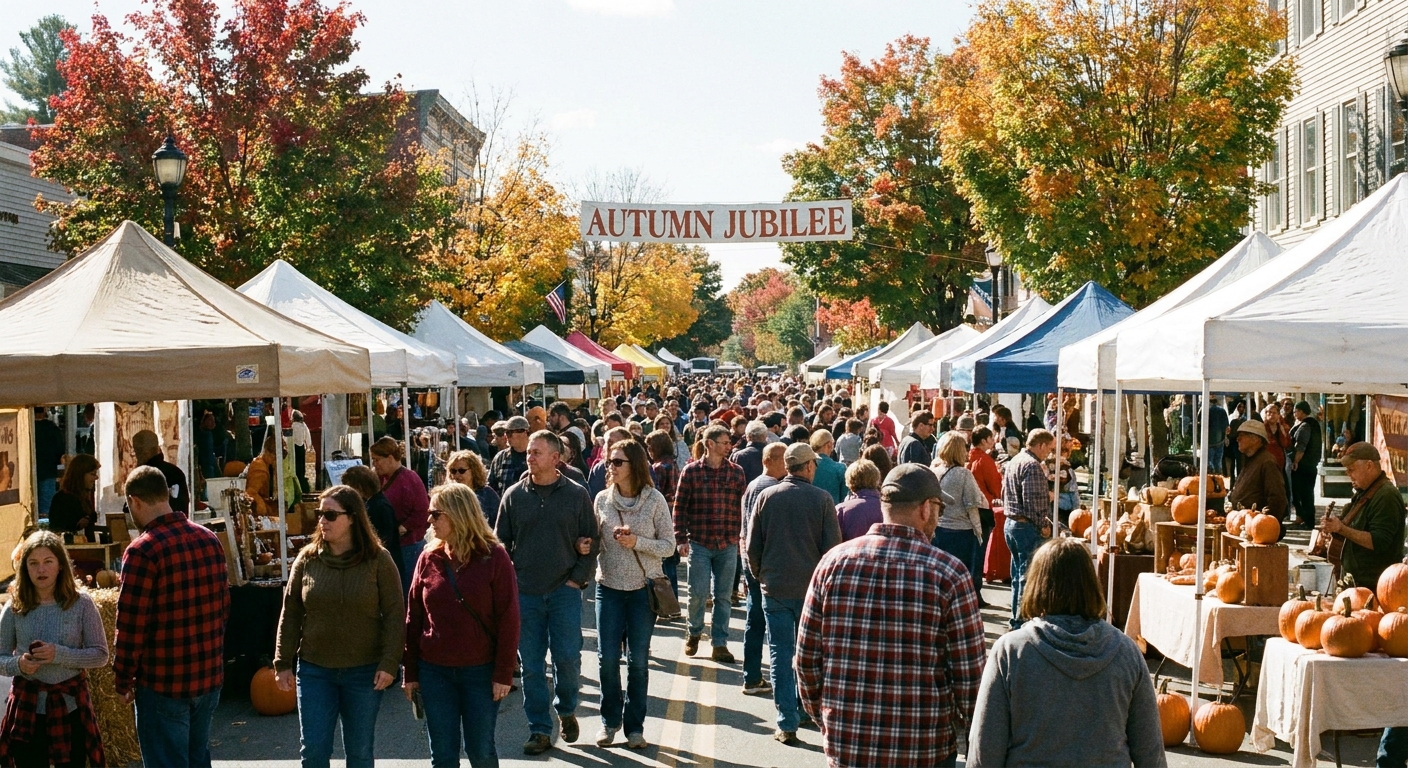
Most festivals happen in a compact footprint: a downtown grid, a waterfront strip, a fairground, a historic square. That core area usually sits inside one or two ZIP codes. The peripheral ZIP codes are the ones immediately surrounding the core.
They matter because festival pain points tend to stack in the center:
- Parking fills first near the headline attraction.
- Restaurant waits balloon closest to the stages.
- Cell service can get weird in dense crowds.
- Getting out after the big finale is a slow-motion parade of brake lights.
The ring ZIP codes are close enough to walk, bike, rideshare, or shuttle in, but far enough out to breathe.
If you want a refresher on when it is smarter to search by city name versus ZIP, I keep that breakdown here: City Name vs ZIP Code Search.
The festival-day ZIP code game plan
Step 1: Identify the “festival core” ZIP
Start with the festival address, the main stage location, or the town’s downtown visitor center address. That is your core ZIP. I write it at the top of my notes because it becomes my navigation reference for the day.
Tip from my moving-every-few-years childhood: when you are new to a place, the core ZIP is your anchor. Everything else becomes a controlled orbit around it.
Step 2: List the 3 to 6 ZIP codes that touch the core
You do not need to be perfect. You just need options. Your goal is to generate a short list of “approach routes” that are likely to be less chaotic.
- One ZIP upwind of traffic (the side you are coming from)
- One ZIP with commercial strips (groceries, pharmacies, big parking lots)
- One ZIP with older neighborhoods (street parking, tree cover, quick walks)
- One ZIP across a natural barrier like a river or rail line (often quieter, sometimes a secret weapon for exits)
Step 3: Pick a “base ZIP” for parking and breaks
Your base ZIP is where you do the unglamorous stuff that makes the day smooth: park, refill water, grab coffee, take a breather, find a bathroom that is not a port-a-potty.
I choose my base ZIP using three filters:
- Walkability: Can I get into the festival in 10 to 25 minutes on foot, or in a short rideshare?
- Parking realism: Does the street layout include longer blocks, side streets, or lots that are not festival-adjacent?
- Food flexibility: Are there non-festival restaurants within a few minutes?
Step 4: Build a two-zone itinerary
I plan festival days like a see-saw.
- Festival core: live music, artisan booths, parade, headline events, the stuff you came for.
- Peripheral ZIP loop: coffee, lunch, a park break, a scenic overlook, a calmer dinner, or a quick local museum.
If you like turning “in between” time into the best part of the day, you will also like Plan a Local Day Out Beyond a ZIP Code.
Parking like a local: use ZIP codes to avoid the gridlock trap
Parking is where peripheral ZIP planning pays for itself. Instead of circling the core until your festival mood evaporates, you pre-decide which ZIP code you will try first.
My parking rules that work in almost every town
- Do not hunt inside the core ZIP after 10 a.m. If you arrive later, go straight to your base ZIP plan.
- Target “boring” lots in the ring ZIPs, like supermarkets or office parks, then walk or rideshare in. Always follow posted rules and avoid lots with towing signage.
- Park on the “exit side” of town if you can. That means the side that points toward the highway you will take home, even if it adds a slightly longer walk.
- Avoid one-way grids near the main stage. They are great for strolling and terrible for leaving.
Two peripheral ZIP parking moves I love
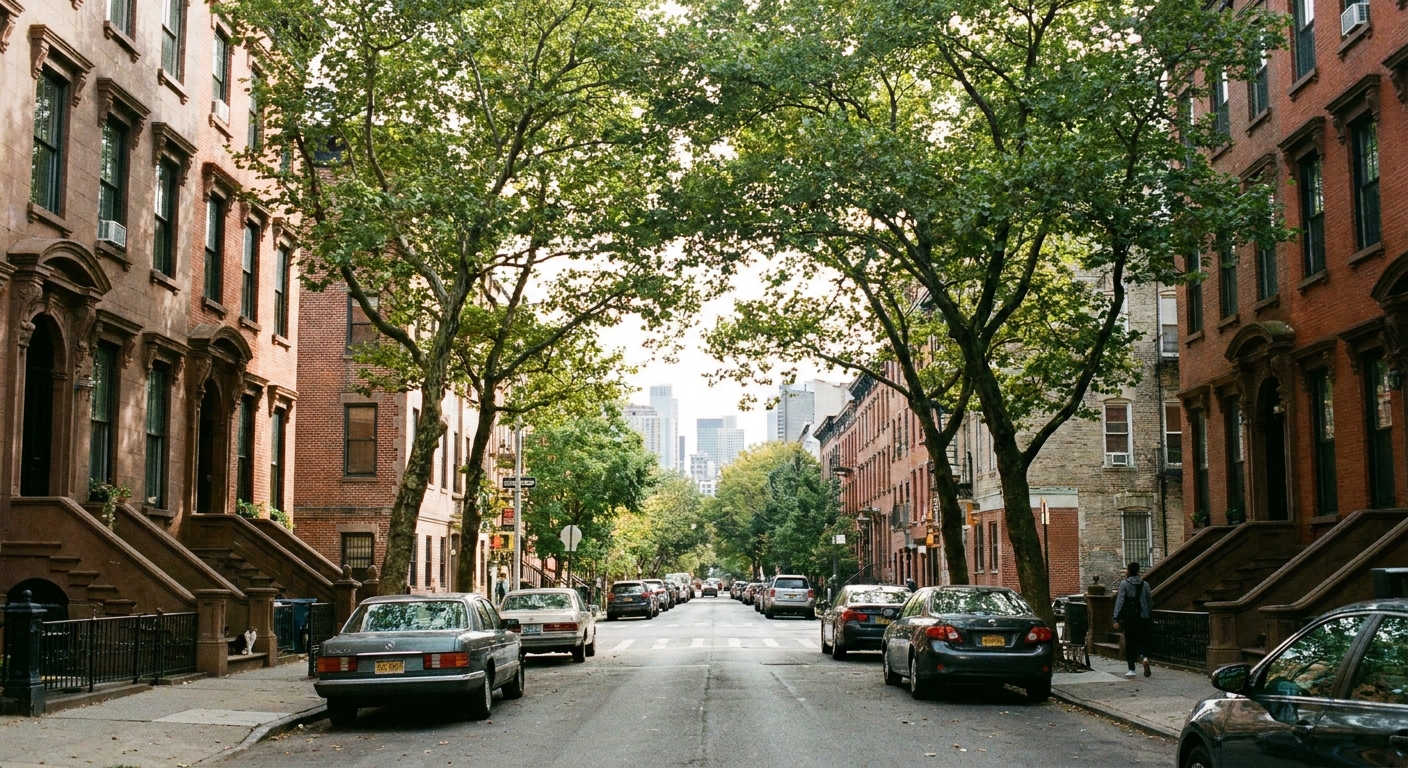
- The “one neighborhood over” move: Choose a residential ring ZIP with a sidewalked route into downtown. You get trees, calmer streets, and less stop-and-go traffic.
- The “across the obstacle” move: If the festival is on one side of a river, rail line, or freeway, I look for parking in the adjacent ZIP across that barrier. Crowds tend to cluster on the festival side.
If your day includes a longer drive, I also plan my approach and bailout points using this method: Road Trip Pit Stops by ZIP Code.
Finding better food: eat in the ring, not the bullseye
Festival food is fun once. Maybe twice. After that, the combination of lines, prices, and nowhere to sit can get old fast.
Peripheral ZIP codes are where you find:
- family-run diners that can handle a rush
- coffee shops that do not have a 40-person line
- backup grocery options for water, fruit, and a “just in case” snack
My “festival food split”
- In the core: get one iconic thing you will remember. Funnel cake, tamales, wood-fired pizza, whatever the town does best.
- In the ring ZIP: eat your real meal. Sit down, refill water, regroup, check the schedule, and let the crowds swirl elsewhere.
When I am scouting where locals actually eat, I use the same trick I describe in Find Hidden Gem Restaurants with a ZIP Code.
Finding peace and shade: the peripheral ZIP reset
Even the best festivals are overstimulating. If you have kids, a cranky spouse, noise sensitivity, or just a normal human need to sit down, you want a planned reset.
What to look for in the peripheral ZIPs
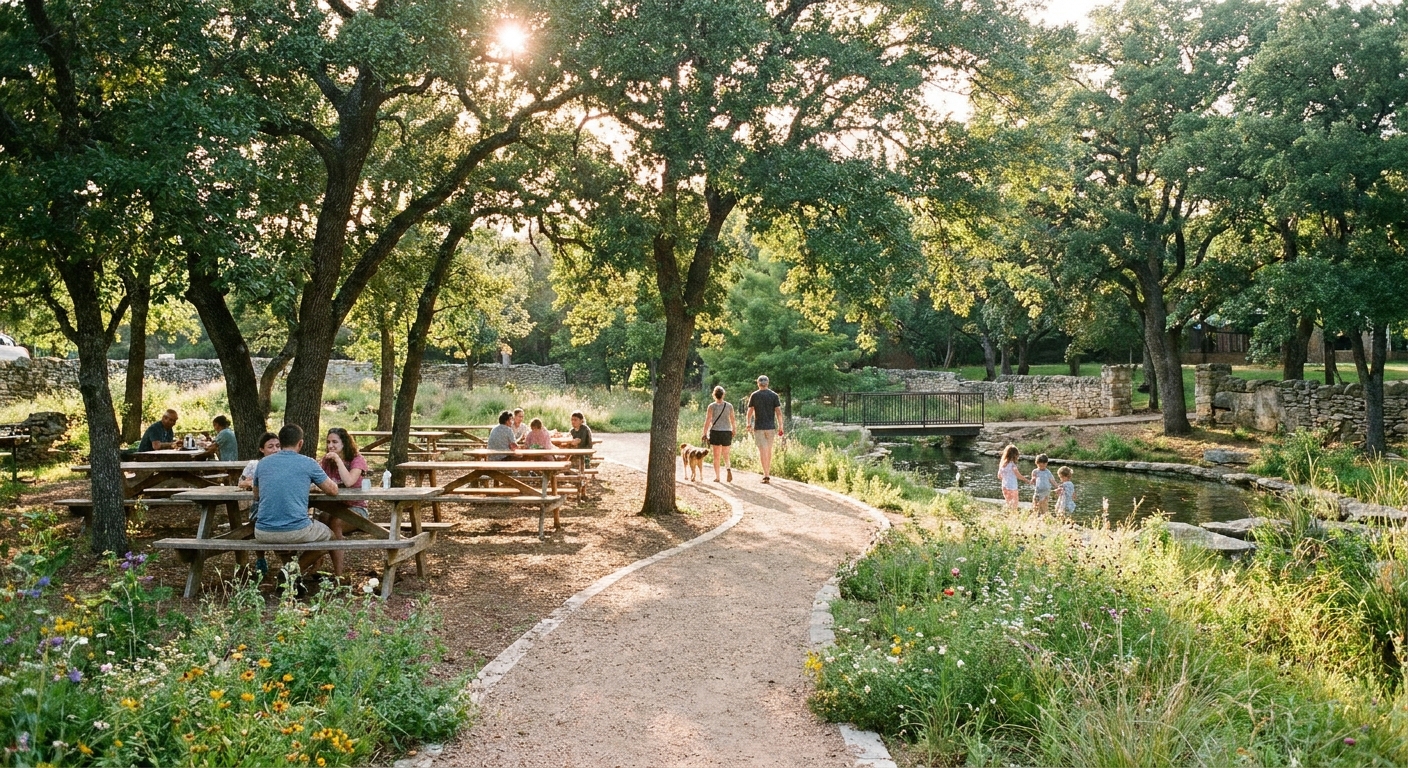
- Neighborhood parks with bathrooms, benches, and real grass
- Libraries for a quiet 20-minute recharge
- Greenways and riverwalk segments that are not part of the festival route
- Scenic overlooks on the edge of town where you can actually hear yourself think
If you are traveling with little ones, I build my breaks the exact same way I do in Kid-Friendly Parks by ZIP Code.
Navigating the crowd: arrive and leave through a different ZIP
My personal festival flex is not VIP tickets. It is leaving without sitting in traffic for an hour.
Here is the trick: choose one peripheral ZIP for arrival and a different peripheral ZIP for departure.
How to choose your “exit ZIP”
- Downstream of the crowd: If most visitors are coming from the north, I like leaving from the south.
- Closer to your highway: Pick the ring ZIP that gets you to your main route with the fewest downtown intersections.
- With multiple connector roads: ZIPs that touch more than one arterial road give you options if one route gets jammed.
Timing matters more than route
If there is a fireworks show or headline concert, you have three choices:
- Leave 15 minutes early and beat the surge.
- Stay 30 to 60 minutes late and let the surge clear.
- Move to your base ZIP right after the finale, then get on the road once you are out of the core traffic loop.
When the festival offers shuttles, use ZIP codes to pick the smartest lot
Many towns run shuttles from remote lots. Instead of grabbing the closest one, I pick the shuttle lot ZIP that works best for my day.
- If you want early coffee and breakfast: choose a shuttle lot near a commercial strip in a peripheral ZIP.
- If you want a quick exit: pick the shuttle lot that points toward your drive home.
- If you get overwhelmed easily: pick the lot with more space and fewer pinch points, even if it is slightly farther away.
Train riders can use the same logic. I map stations as “arrival ZIPs” and build the day outward, like I explain in Train Station ZIP Codes for Car-Free Day Trips.
A sample festival-day itinerary using a base ZIP
This is the structure I use almost every time, regardless of town size.
Morning: base ZIP first
- Park in your chosen peripheral ZIP.
- Grab coffee or breakfast where locals actually eat.
- Walk in or take a short rideshare to the festival core.
Late morning to early afternoon: festival core
- Hit the must-see booths and exhibits early.
- Do your “one iconic festival snack” before lines peak.
- Watch the parade or catch the first music set.
Mid-afternoon: peripheral reset
- Head back toward the base ZIP.
- Sit in a park or find a quiet cafe table.
- Hydrate, sunscreen, bathroom, regroup.
Evening: choose core or ring based on your energy
- If you are energized, return to the core for music and lights.
- If you are fried, eat dinner in the ring ZIP and enjoy the festival from the edges.
Departure: leave from your exit ZIP plan
- Walk or rideshare back to where you parked.
- Use arterial roads that skip the downtown one-way maze.
Quick troubleshooting
“The peripheral ZIP has no street parking either.”
Switch tactics: go one more ZIP out and accept a slightly longer rideshare or a longer walk. The best ring is not always the closest ring.
“Cell service is spotty and my group got separated.”
Pick a reunion point outside the densest area, ideally in the peripheral ZIP loop: a specific coffee shop, a library entrance, or a park gate. It is calmer and easier to find each other.
“Every restaurant has a wait.”
Try the edge-of-town commercial ZIP for faster turnover spots, or do an early dinner in the ring ZIP before the main stage ends.
“We are staying overnight.”
Plan the stay like a micro-trip. Make your base ZIP the neighborhood where you sleep, then treat the festival core as one major stop. If you like this style of weekend mapping, my vibe is very similar in The Commuter Suburb Staycation.
The local-feeling checklist
- Core ZIP: where the magic happens.
- Base ZIP: where the day stays comfortable.
- Exit ZIP: where you save 45 minutes and keep your good mood.
Once you start thinking in ZIP code rings, festivals get easier. You stop fighting the crowd head-on and start flowing around it. That is the whole secret.
If you want more ways to build low-stress adventures from small geographic cues, browse the Town Guides hub: Town Guides.