

Growing up in a military family, I learned a funny skill: I can land in a brand-new place, look at a map for five minutes, and immediately want to cross whatever line is nearby. County line, river line, state line. It is the same impulse that makes me pick a random ZIP code on a weekend and build a whole micro-trip around it.
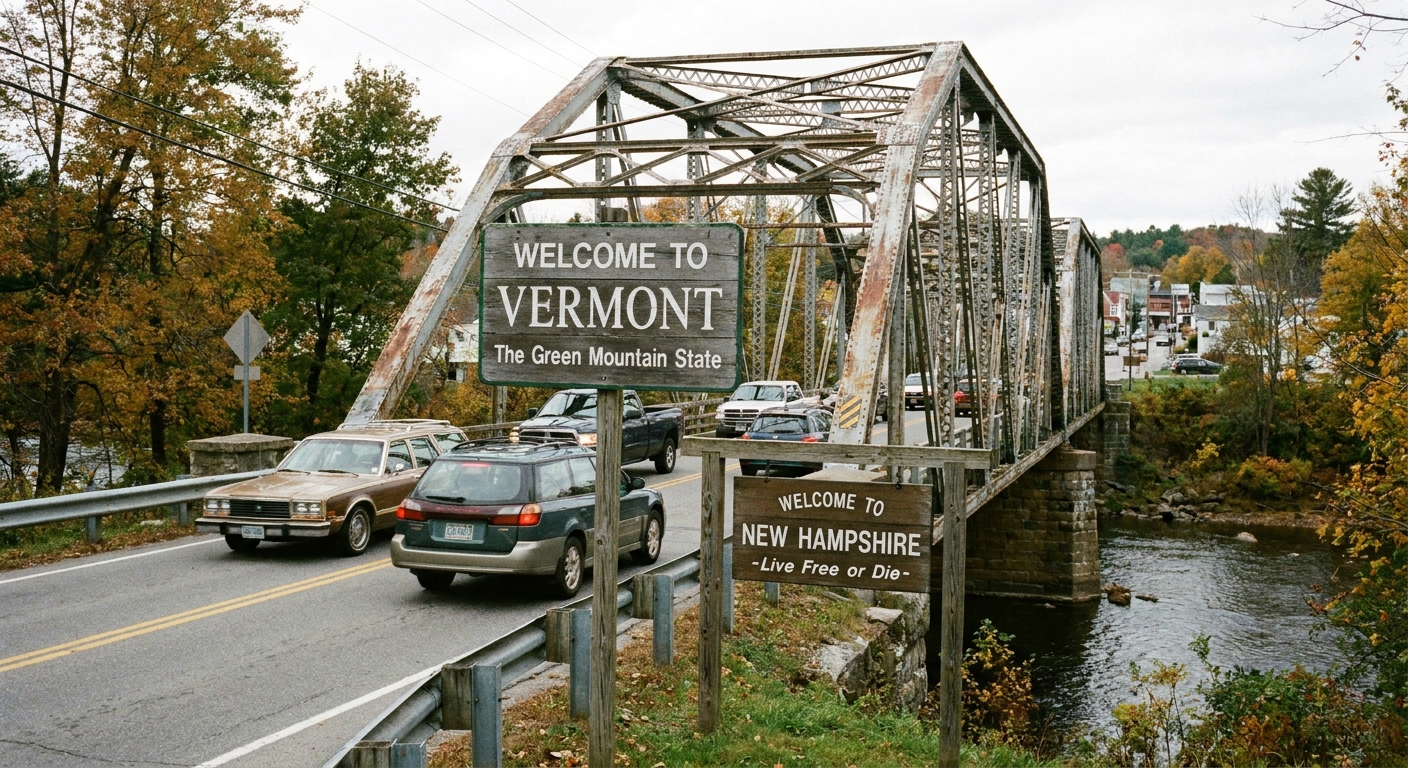
And honestly, state line hopping is one of the easiest ways to make an ordinary Saturday feel like a mini adventure. Two towns. Two “Welcome to…” signs. Two sets of local legends. Sometimes two barbecue styles arguing politely across a bridge.
Why bordering ZIP codes work
When you plan around neighboring ZIP codes instead of “big destinations,” your day stays simple and local. Border towns tend to share a practical rhythm, but they still feel distinct enough to be fun.
- The driving stays short. In many border areas, you can cross the line in minutes and spend your day doing things, not commuting.
- You get a built-in storyline. “We started in one state for breakfast and ended in another for sunset” is instantly more memorable than “we ran errands.”
- It is flexible. If one side is packed, pricey, or closed, you can pivot across the line without blowing the itinerary.
If you like trips that start with one ZIP code and grow outward, you will also enjoy planning a 5-mile radius day trip. The same logic works here, you are just drawing the circle right across a border.
Step 1: Pick two ZIP codes
You are looking for two ZIP codes that sit close to the state line, ideally with a straightforward crossing (bridge, main road, or a quick hop on a state route).
My fast method is simple: start with any ZIP code you are curious about, then use our ZIP tools to look up nearby ZIP codes and spot the ones that fall just across the state line. If you want the nuts-and-bolts on searching and zooming, our ZIP code lookup guide walks through it.
My quick border-pair checklist
- One obvious crossing point: a bridge, a main intersection, or a well-marked highway crossing.
- Two distinct town centers: you want a “main street” moment on both sides, even if one is tiny.
- A third-place anchor on each side: a diner, bakery, coffee shop, park, or museum.
- A loop you can drive without backtracking: the best border day trips feel like a circuit, not a ping-pong match.
If you ever get stuck because a town name repeats (it happens constantly), use the ZIP code as your anchor. This is exactly why I keep city name vs ZIP code search in my back pocket.
Step 2: Build two anchors
A clean border day trip has two main anchors and a few “connector” stops between them. Think of it like a sandwich:
- Anchor A (State 1): breakfast plus one walkable activity
- Connector stops: quick scenic pull-offs, oddball shops, historical markers
- Anchor B (State 2): late lunch or early dinner plus a view for golden hour
Anchor ideas that work almost anywhere
- Food: classic diner breakfast on one side, signature dessert on the other
- Outdoors: a small town park in State 1, a riverwalk or overlook in State 2
- Culture: a local museum or arts pocket on one side, a historic downtown stroll on the other
For the connector portion, I love using self-guided walking loops. If you want to keep it extra tidy, start with mapping a walking tour with ZIP code boundaries and then make your cross-border hop the mid-day transition.
Sample itinerary
This is the exact structure I use when I am building a day with zero stress and maximum “we did a lot” energy. Swap in your two neighboring ZIP codes and go.
9:00 a.m.: Breakfast in ZIP Code A (State 1)
- Choose a locally-owned breakfast spot within a short drive of the border.
- Order the thing that town is weirdly proud of (cinnamon roll the size of a steering wheel, anyone?).
- Park once and take a 15-minute walk to shake off road brain, that fuzzy feeling after a drive.
10:30 a.m.: Park or short trail
Border towns often have riverfront greenspaces, small overlooks, or county parks nearby. If you are traveling with kids, I keep a running playbook for this: kid-friendly parks by ZIP code.
12:00 p.m.: Cross the line for a quick stop
I try to make the crossing feel like a moment, even if it is literally one traffic light. Look for something you can only do because you crossed:
- a new-to-you regional soda brand
- a farm stand with different local specialties
- a small museum you would never drive an hour for, but gladly visit for 45 minutes
1:30 p.m.: Late lunch in ZIP Code B (State 2)
Pick a spot that is known for one thing and commit to it. If you need ideas for finding the non-chain winners, start with finding hidden gem restaurants by ZIP code.
3:00 p.m.: Downtown stroll and a two-states photo
Some border towns have a bridge, monument, or sign that makes for a classic “we did the thing” picture. If there is not an obvious landmark, take a photo of something real and local: a mural, a courthouse square, a classic marquee, or the oldest storefront on the block.
5:00 p.m.: Golden hour view and the easy drive home
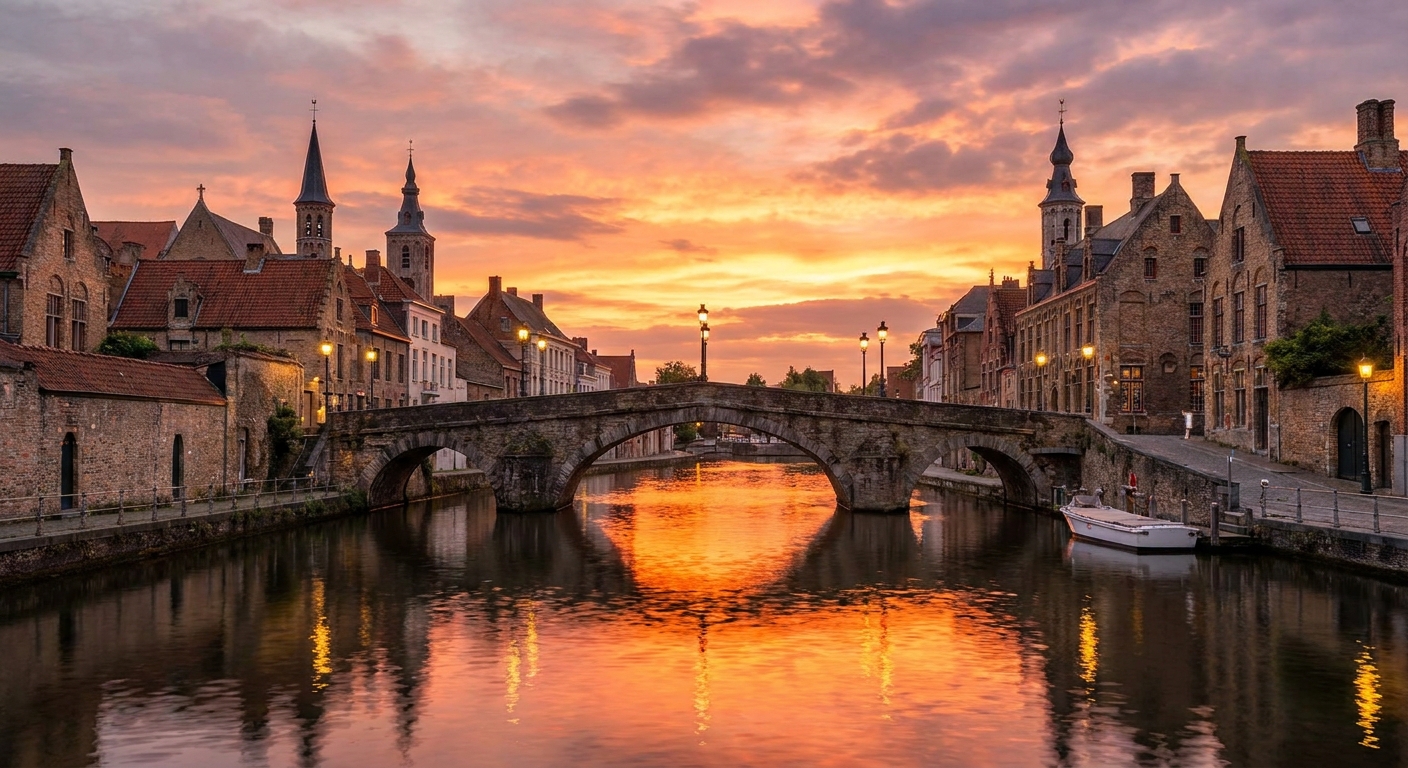
This is where you want a calm finish, not a complicated one. A riverwalk bench, a lakeside pull-off, a small overlook, or a quiet neighborhood park works perfectly.
Small logistics that matter
Cross-border day trips are simple, but a few tiny details can save you from that “why is everything closed” feeling.
Time zones: confirm early
Some state lines also split time zones. Even when the time zone is clear on the ground, listings and map apps can display hours differently depending on location settings. Before you leave, check the hours for your two anchors and note the time zone shown.
Sales tax and receipts
If you are shopping, you may notice differences in sales tax or what gets taxed. My rule: do the browsing everywhere, but make bigger purchases where it makes sense for your budget.
Alcohol rules and Sunday hours
These vary wildly by state and sometimes by county or city. If your plan includes a brewery stop, wine tasting, or even just grabbing a bottle for a picnic dinner later, check regulations and hours ahead of time.
Cell service and maps
Rural borders can get spotty. Before you drive, download offline map coverage for both towns so you are not relying on one bar of signal to find your lunch spot.
A quick safety check
Bring your ID and make sure you have basic vehicle documents where you can find them fast. And for photos, only stop where it is legal and safe, like designated pull-offs or parking areas, not on bridge shoulders.
How I find connector stops
The magic of state line hopping lives in the in-between. Here are my go-to connector stop categories, especially when I am building the day fast.
Historical markers and tiny museums
Border regions have layered history, from transportation routes to old rail lines to early industry. A 20-minute stop can add real texture to the whole day. If this is your thing, start here: find historical markers by ZIP code.
Local shopping strips
Even neighboring towns can have totally different personalities. One side might be antique-heavy, the other side might be all bakeries and outdoor gear. If you want a fun, low-pressure way to explore, I love building a mini loop around a support-local shopping spree by ZIP code.
Arts pockets
Many small cities and border towns have a compact arts district with murals, galleries, or a scrappy little theater. I wrote about how to spot those patterns in using ZIP code data to find arts and culture districts.
Packing list
- Comfortable shoes: you are likely doing two short walks, not one long hike
- A small cooler: for pastries, farm stand finds, or leftovers you will be thrilled about later
- Portable phone charger: border days are map-heavy
- Cash: some small museums and old-school diners still prefer it
- Light layers: weather can shift fast near rivers and open farmland
If weather tends to derail your plans, build in a quick check before you lock anything in. I keep a routine for that in matching hyper-local weather to ZIP codes.
Mistakes to avoid
Trying to do one big attraction on each side
Two major attractions often means you spend the whole day racing. Instead, do one anchor activity per state, plus short connector stops.
Crossing too early
If you want the day to feel like it has a chapter break, plan the crossing for late morning or early afternoon. It gives you time to settle into Town A before you switch scenes.
Not parking strategically
In small towns, parking is usually easy, but downtown can get tight during festivals or Saturday markets. When you arrive at each anchor town, park once and walk a bit. It makes the day feel calmer and more local.
Overplanning the food
Pick two food moments you care about, then let the rest be flexible. My favorite border days leave room for an impulsive slice of pie.
Three fun themes
Two Main Streets
Choose one walkable downtown block in each town. Add coffee on one side, dessert on the other. Keep it simple.
Border to backroads
Start near the line, then take the slower rural route that bends away and returns. Add one farm stand, one overlook, and one tiny museum.
Parks and picnic
Buy picnic supplies in State 1, eat in State 2. It is a surprisingly satisfying way to make the line crossing feel intentional.
Where this fits
If you love the idea of building a day around a single ZIP code first, then expanding outward, you will also enjoy the single ZIP code town day trip. State line hopping is like its slightly mischievous cousin.
And if you want to zoom out and plan a bigger loop later, the strategies in our road trip guides layer nicely on top of a border day.
FAQ
Do I need the exact state line spot?
No. You just need a clean crossing point and two towns close enough that you do not spend the whole day in the car. The ZIP codes do the organizing for you.
What if the border towns are spread out?
That is common. In that case, make your anchors places with built-in walking: a riverwalk, a downtown square, a park with a loop trail, or a small historic district.
Can I do this cheap?
Absolutely. Make your two paid moments one meal and one treat. Fill the rest with parks, scenic drives, historical markers, and a self-guided walk.
How do I keep it from feeling like errands?
Give it a narrative: breakfast in one state, golden hour in the other. Add one only-here stop on each side, even if it is just a beloved local bakery and a weird roadside landmark.