

I grew up in a military family, which means I got really good at landing somewhere new and immediately asking one question: where do locals go when they want a good meal and a better story? These days, I do the same thing with rural zip codes. I pick one agricultural ZIP, draw a big loop on the map, and build a full day around farm stands, old-town antiques, and those quiet two-lane roads that make you feel like you found a secret.
This is the itinerary framework I use for sprawling, low-density ZIP codes where everything is farther apart, cell service gets moody, and the best pie is usually sitting under a hand-lettered sign that just says “OPEN.”
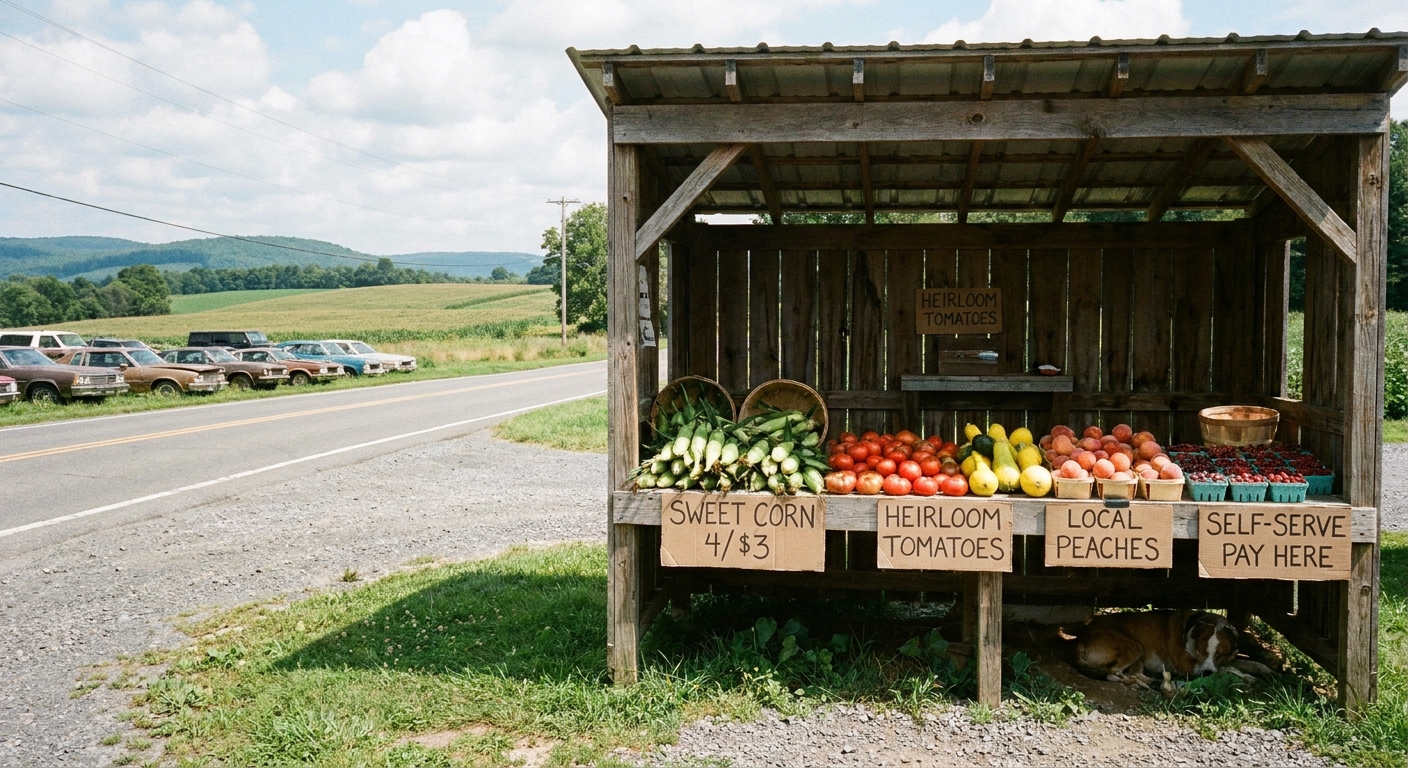
Start with the ZIP code
In rural areas, town names and boundaries can get fuzzy fast. One “town” might be a post office, a gas station, and a church. Planning by ZIP code gives you a practical starting point for your day, especially when you are trying to stack multiple stops without zigzagging across half a county.
One important caveat, said with love: ZIP Codes are mail delivery areas, not perfect travel borders. They can shift, overlap how people talk about a place, and occasionally behave in odd ways. I use a ZIP as a useful filter, then sanity-check the actual roads and drive times.
If you have ever searched a place name and gotten three different results, you will appreciate using ZIP-first planning. If that sounds familiar, this quick explainer helps: City name vs ZIP code search.
My quick ZIP code gut-check
- Size: Rural ZIP codes can be huge. If it looks like a big blob on the map, plan fewer stops with more breathing room.
- Road network: A grid is faster. Curvy river roads and mountain routes are prettier but slower.
- Nearby service hub: Identify the closest larger town outside the ZIP for gas, pharmacies, and a backup lunch option.
Need a refresher on the basics? Start here: ZIP Code Lookup.
The Rural Route loop
In low-density farm country, the best plan is a loop. You want to avoid backtracking, because “just 10 miles” can turn into 25 minutes with tractors, school buses, and one-lane bridges.
Build a simple four-part loop
- Anchor stop: Farmers market, historic main street, or a well-known farm store with reliable hours.
- Scenic connector: A signed scenic byway or a well-liked local back road that makes the driving feel like part of the fun.
- Two to three micro-stops: Farm stands, antique barns, bakeries, nurseries, or a roadside museum.
- End stop near a highway: You want your final coffee or pie close to an easy route home.
If you like this “one loop, no regrets” approach, it pairs perfectly with my radius-planning method: How to plan a 5-mile radius day trip from any ZIP code.
Map stands and markets
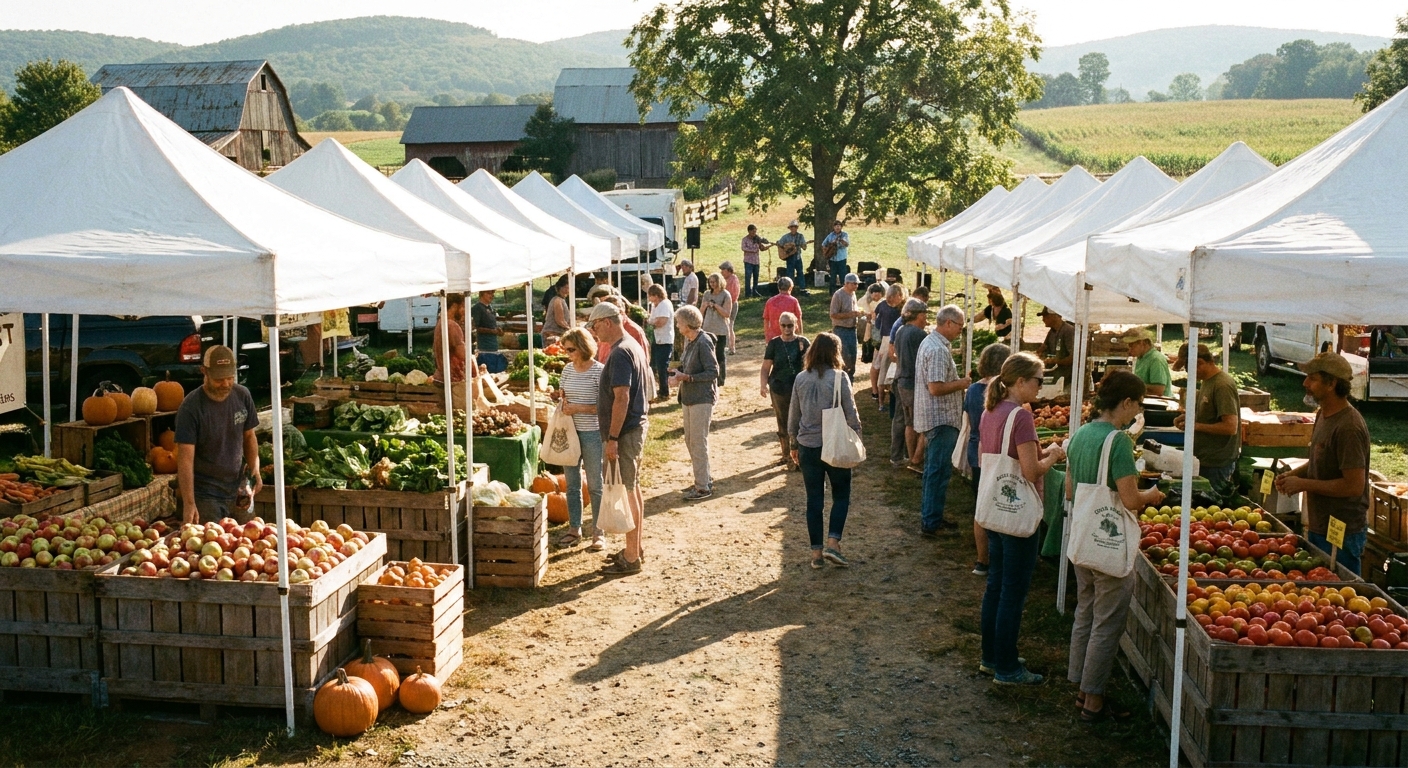
Step 1: Pick your anchor market first
In farm country, hours can be seasonal and weather-dependent, so I like to anchor the day around something with the most predictable window. A weekly farmers market, a year-round farm store, or a produce-auction-style market can set your timing.
Timing tip: If it is a Saturday market, arrive within the first hour for peak selection. If you swing in during the last 30 minutes, you might catch end-of-day deals, but you also might find vendors sold out or already packing up. Plan accordingly.
Step 2: Add farm stands by direction
On paper, two stands might look close. In real life, they might be separated by a slow road, a creek crossing, and a long stretch with no safe pull-offs. I cluster stops by direction from the anchor and commit to one loop at a time (north loop, then back through, for example) instead of bouncing between quadrants.
Step 3: Prioritize stops that match the season
- Spring: nurseries, plant starts, asparagus, strawberries
- Summer: sweet corn, tomatoes, melons, U-pick berries
- Fall: apples, pumpkins, cider, mums, harvest festivals
- Winter: baked goods, preserves, local meat, holiday markets
Leah reality check: If you only do one farm stop, choose the one that also has a bathroom. It sounds unromantic. It is also the difference between a relaxing day and a desperate drive back to the highway.
Antique stops
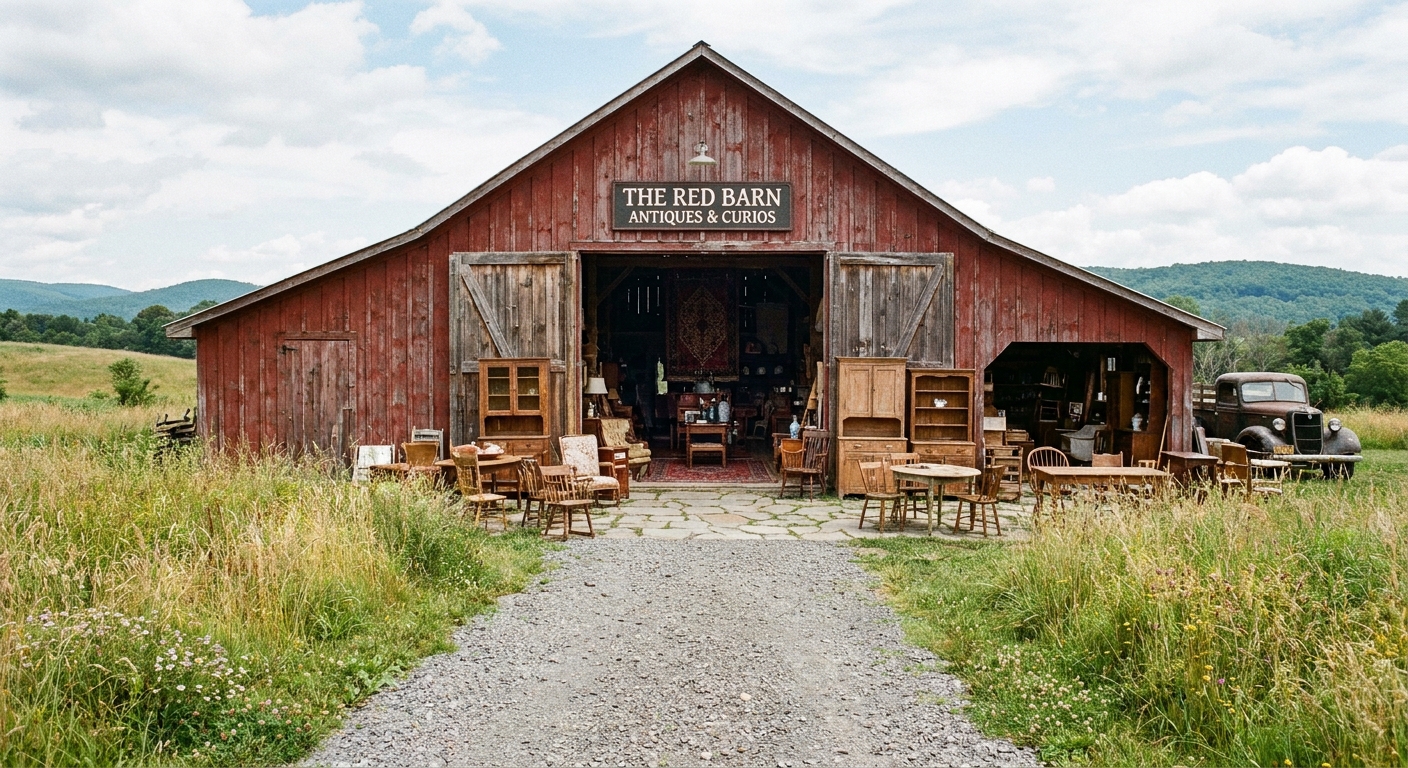
Antiquing in agricultural ZIP codes is its own sport. Shops can be open on limited days, and “antique mall” might mean a converted feed store with creaky floors and incredible finds.
My rules for rural antiquing
- Never assume daily hours. If the listing says “open weekends,” plan your route for Friday to Sunday only.
- Bring cash and a tape measure. Small vendors may prefer cash. The tape measure prevents you from buying a gorgeous table that absolutely will not fit in your trunk.
- Plan one big browse. Antique malls can eat your whole afternoon. Budget a specific window, like 60 to 90 minutes, then move on.
- Pad the schedule. Parking can be a gravel lot or roadside. Give yourself time to safely pull in and out.
If you want to build the whole day around small local businesses, this guide layers in beautifully: Map a support local shopping spree by ZIP code.
Scenic drives, not detours
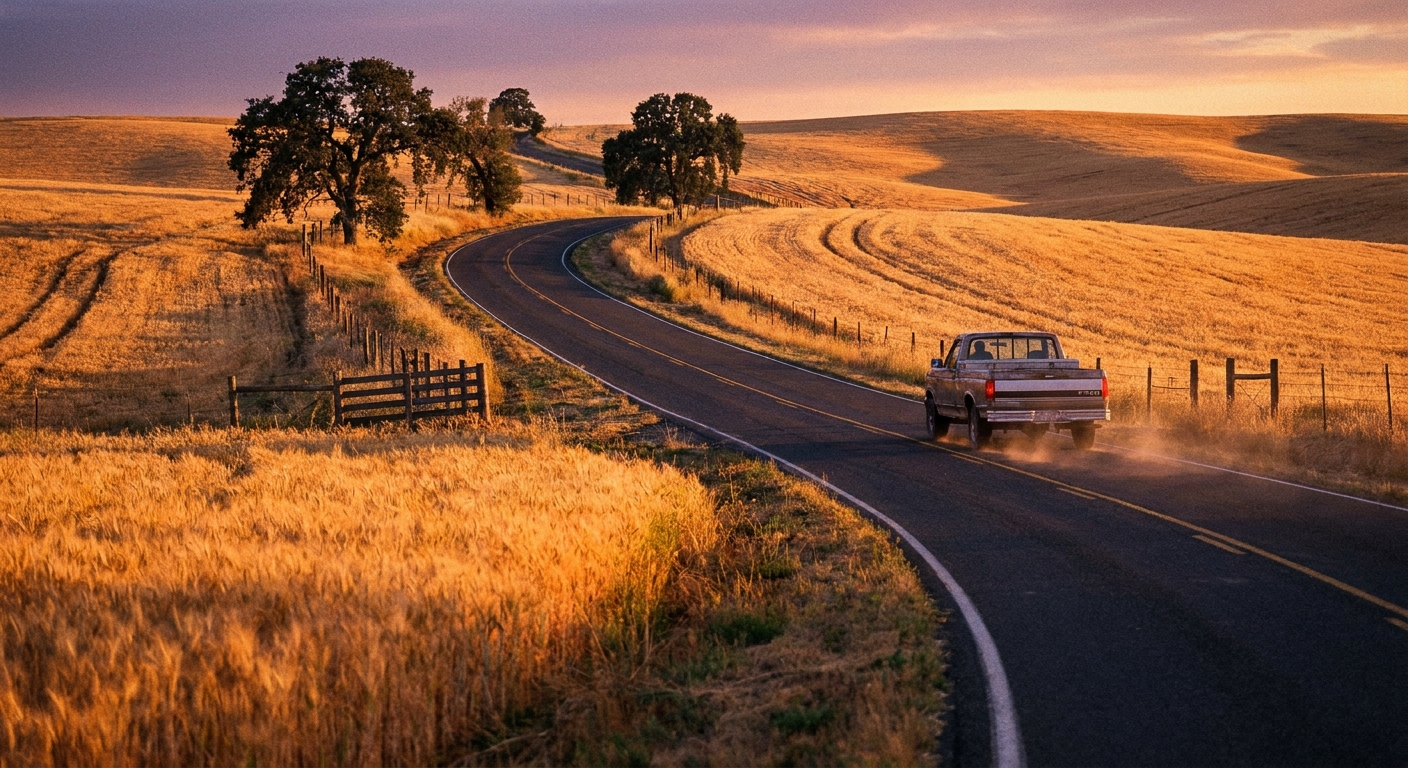
The scenic part of a rural route is easy. The not-getting-lost part is the art. I love back roads, but I plan them like a grown-up.
How I choose the scenic connector
- Pick one signature feature: river, ridge, lake, farmland vistas, or historic corridor.
- Use paved roads as your spine: Add short gravel detours only if you are comfortable with them.
- Build in two re-entry points: Know where you can pop back onto a state route if weather turns or time runs long.
Offline navigation that helps
Before you leave cell service, open your map app, zoom in on the whole loop, and let it load. I also screenshot key turns and intersections. It is low-tech, and it helps when your phone decides it is done being helpful.
If your map app supports offline areas or offline maps, go ahead and set that up too. I consider it the difference between “adventure” and “argument.”
If you want more ideas for stitching drives and stops together, browse Road Trips.
Sample day schedule
Here is a flexible timeline I use when a rural ZIP code is spread out but still doable in a day without feeling like you lived in the car.
Morning
- 8:30 a.m.: Coffee and a real breakfast near your highway exit, before you disappear into farm roads.
- 9:30 a.m.: Anchor farmers market or main farm store stop.
- 10:45 a.m.: First farm stand, focus on in-season produce.
Midday
- 12:00 p.m.: Lunch in the closest small town or at a farm cafe if available. I like to keep lunch near a restroom and gas.
- 1:15 p.m.: Scenic connector drive, with one photo stop.
Afternoon
- 2:00 p.m.: Antique stop or barn sale browsing window.
- 3:30 p.m.: Bakery, cider stand, ice cream shop, or treat stop for the ride home.
- 4:30 p.m.: Final quick farm stop if you are stocking up, then head back toward the highway.
Want an even simpler version of this concept, where one ZIP code is the whole theme? You will like The single ZIP code town day trip.
What to pack
- Cooler + ice packs: for eggs, meat, berries, and anything that wilts
- Small bills: for honor-box stands and small vendors
- Reusable bags + a box: bags for produce, box to keep fragile items from rolling
- Hand wipes: you will pet a barn cat or eat a donut in the car, maybe both
- Paper towels: dusty antiques and sticky peaches are a package deal
- Bug spray and sunscreen: even quick stops can become a sunny wander
- Basic first aid: especially if you are walking fields or gravel lots
Parking note: If a stand is on a fast road, do not do a risky left turn. I will happily drive an extra half mile to turn around safely. The peaches are not worth playing highway frogger.
Fuel and access check
This is the unsexy rural truth: the day goes better when you plan for the basics.
- Start with a fuller tank than you think you need. I like to top off near the service hub before I head deeper into the loop.
- Note your last reliable gas stop. If you pass a well-lit station with decent hours, clock it.
- Expect gravel and uneven ground. Farm stands, antique barns, and pull-offs can mean ruts, steps, and soft shoulders. Wear shoes you trust and plan for slower, careful walking if you need it.
Respect the place
A rural day out works best when you move like a good guest.
- Stay out of fields unless invited. U-pick rules vary, and “it looks open” is not the same as “it is open.” Check signs and ask.
- Watch for farm equipment. Give tractors room, be patient on narrow roads, and expect sudden slowdowns.
- Honor-box means honor-box. If a stand is cash-only, it is not a suggestion. Come prepared, or do not take the tomatoes.
Verify hours
Rural businesses are often family-run. Hours change for weather, harvest schedules, county fairs, and life. I plan assuming at least one stop will be closed and I still want a great day.
My verification order
- Official website or social page: Many farm stands post weekly harvest updates.
- Recent reviews: Look for comments from the last few weeks mentioning open days and seasonal changes.
- Call if it is a must-do: If you are driving 35 minutes just for apple cider donuts, call.
For weather, I like checking conditions as locally as I can, because open farmland and higher elevations can feel different than the nearest city forecast. Some weather sources summarize by ZIP, which can be a helpful starting point, not a perfect promise. This helps: Match hyper-local weather to ZIP codes.
Make it a real itinerary
The difference between “I ran errands in the country” and “I had an amazing day” is one or two extra touches.
- Add one history stop: a courthouse square, a preserved schoolhouse, a local museum, or even a cemetery with old headstones and big trees
- Add one walk: a short nature trail, a river overlook, or a quiet park
- Pick a signature snack: cider slush, kettle corn, hand pies, whatever the area does best
If you want to weave in bite-sized history, I keep this guide bookmarked: Find historical markers by ZIP code.
FAQ
How many stops is realistic in a big rural ZIP code?
Usually 4 to 7 total stops including your market anchor, lunch, and a treat stop. If the ZIP code is huge or the roads are slow, aim for 4 to 5 and enjoy the drive.
What if I find more farm stands than I can visit?
Pick a theme: “sweet corn and tomatoes,” “apples and cider,” “antique barns,” or “plants and garden stops.” A theme keeps you from pinballing all over the map.
Is it okay to bring kids?
Yes, and rural ZIP codes can be fantastic for kids. Look for places with room to roam safely, animals behind fences, and easy bathroom access. This can help you layer in a break: Kid-friendly parks by ZIP code.
How do I find a good lunch in a rural area?
I look for diners near the ZIP code edge or the nearest small town center. For the food-finding method, I use the same approach from this guide: Find hidden gem restaurants with a ZIP code.
Your next rural ZIP day
The best part about planning a farm and market day by ZIP code is that it gives you permission to explore places that never make the glossy travel lists. You do not need a big attraction. You just need a solid loop, a couple of must-stop stands, and enough time to follow a handwritten sign down a side road.
If you want more town-forward itineraries built the same way, hop into Town Guides. I will meet you out there, probably parked on a gravel shoulder with a bag of peaches riding shotgun.