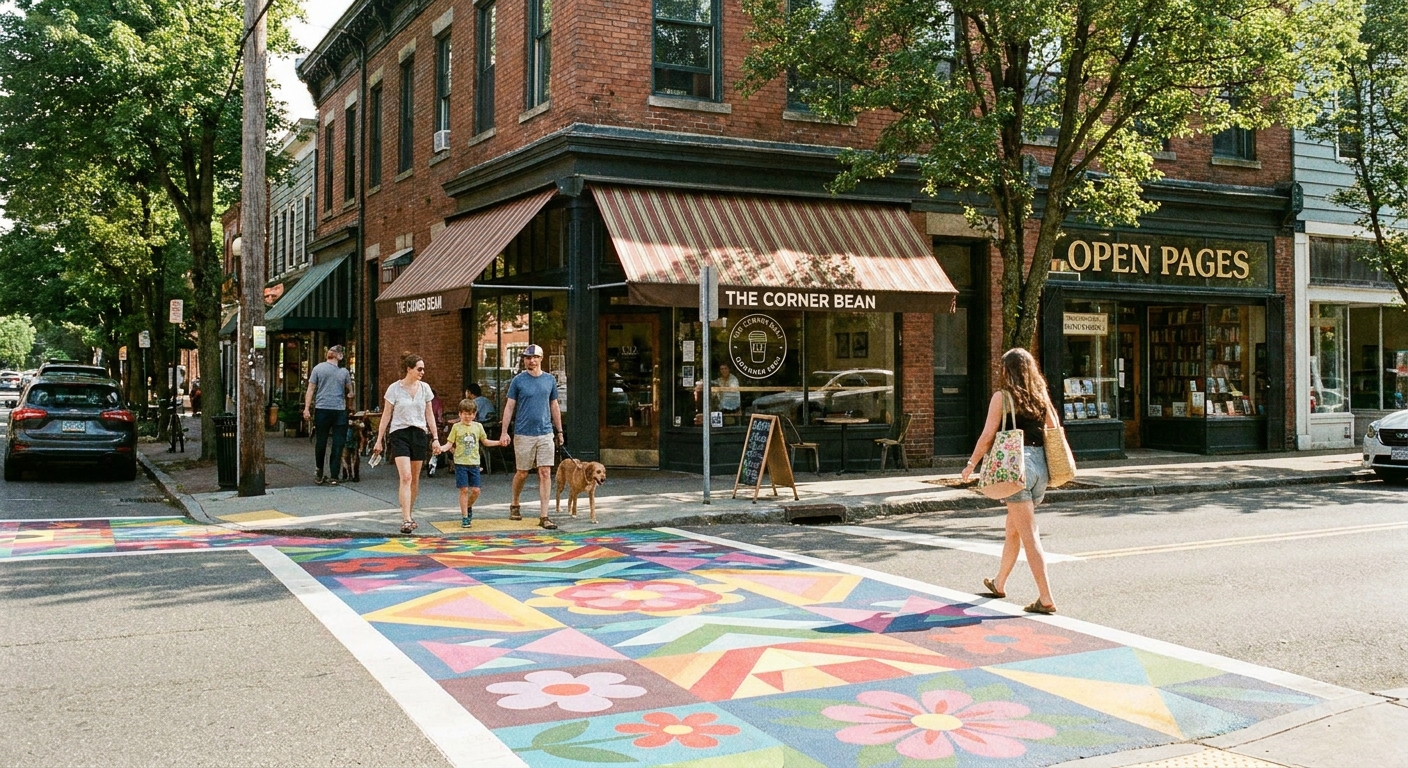

I grew up in a military family, which meant I got really good at landing in a new place and finding “our” spot fast. Almost every town has one: the main street where locals actually run errands, meet for coffee, browse a bookstore, and linger a little longer than they planned. When I’m short on time, I don’t start with a city name. I start with the downtown ZIP code.
It sounds almost too simple, but ZIP codes can be a sneaky-good starting point for pinpointing a town’s commercial heart. They are USPS mail routes, not perfect neighborhood borders, so they are not a guarantee. But they give you a tidy-enough boundary to plan around, so you can build a classic, satisfying afternoon without spinning your wheels. Here’s how I map a perfect main street in any town, plus an easy window-shopping and café itinerary you can reuse again and again.
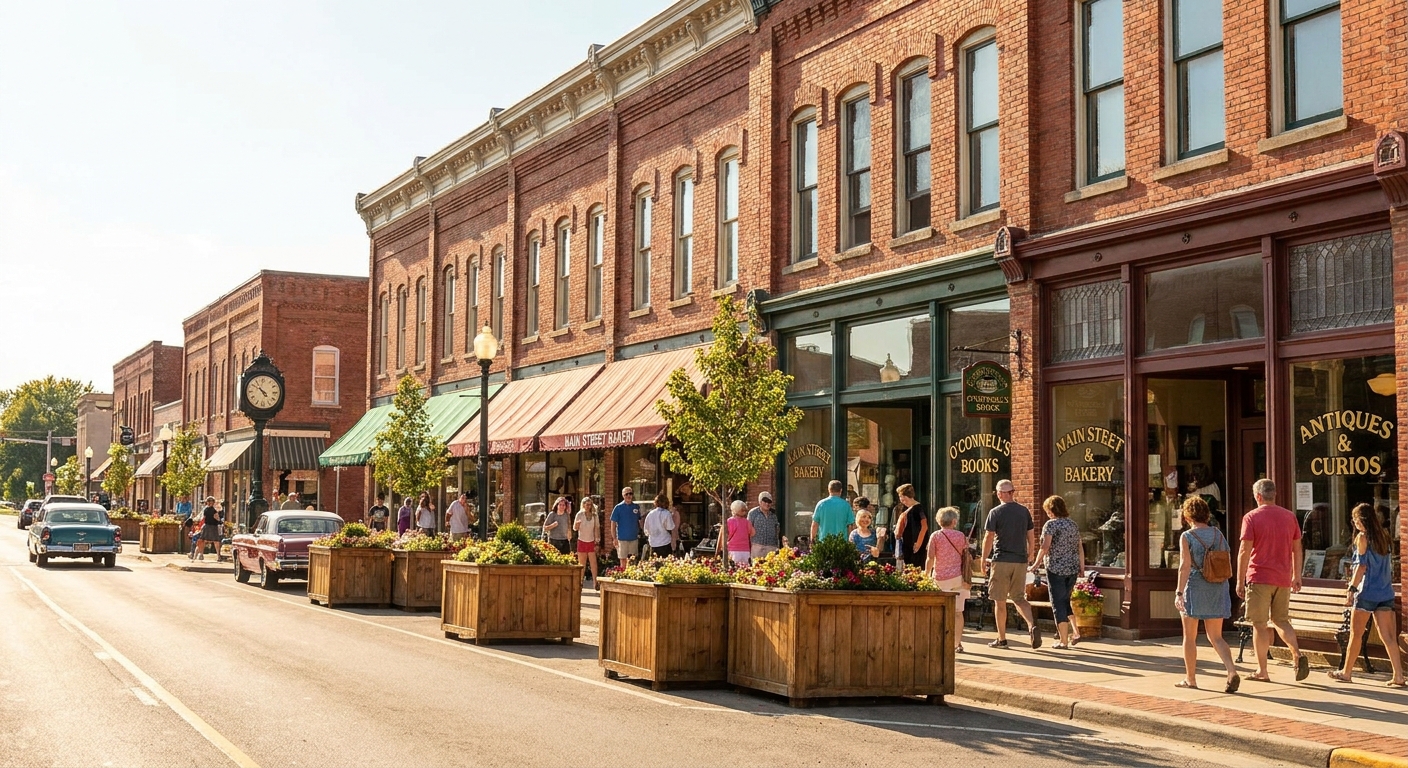
Start with the downtown ZIP code
Downtowns can be surprisingly small, even in places with a big footprint. If you plan by “Town, USA,” you can end up with a map that includes a dozen strip malls, a random industrial park, and a coffee shop that is technically in the city limits but feels like an airport terminal.
A downtown ZIP code is helpful because it can:
- Reduce decision fatigue by narrowing to a more walkable core.
- Help you plan a loop so you are not backtracking all afternoon.
- Let you compare towns quickly when you are choosing where to go next weekend.
If you want a quick refresher on why ZIP-based planning works so well, start with Zip Code Lookup and then come back here with a ZIP in hand.
Find the real core inside a ZIP
Not every ZIP code is created equal. Some cover a tight downtown grid. Others sprawl across suburbs, farms, or a mix of everything. My goal is to find the one to four blocks where a leisurely afternoon basically plans itself.
Step 1: Get the ZIP on your map
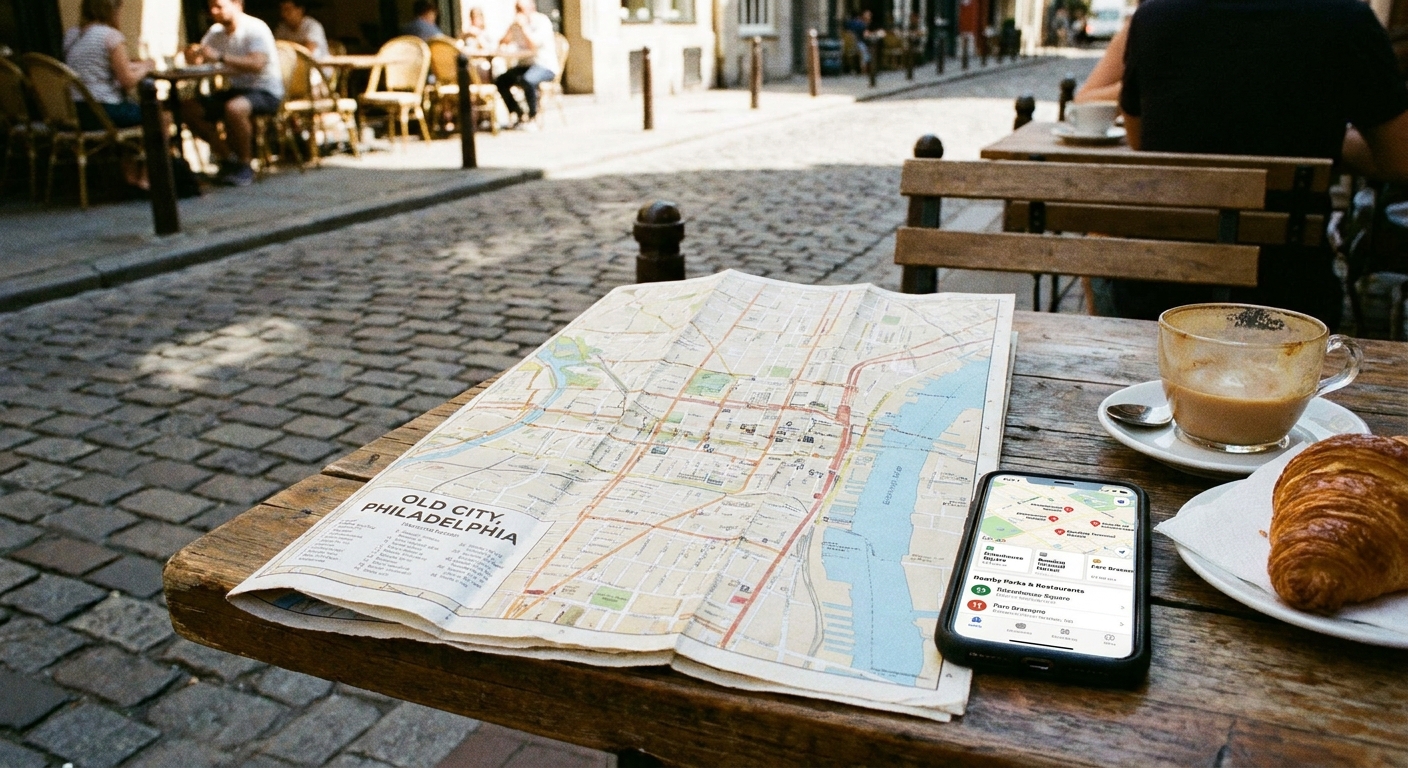
Drop the ZIP code into your map app, then zoom in until you can see street names clearly.
- If your app shows a ZIP boundary, great. Use it as your working outline.
- If it only drops a single pin (a centroid), treat that as a starting clue. Pan around and look for the densest cluster of business pins nearby.
Step 2: Find the “pinch point” intersection
Now look for the intersection where:
- Multiple businesses cluster with short gaps between them
- Street parking appears in small segments
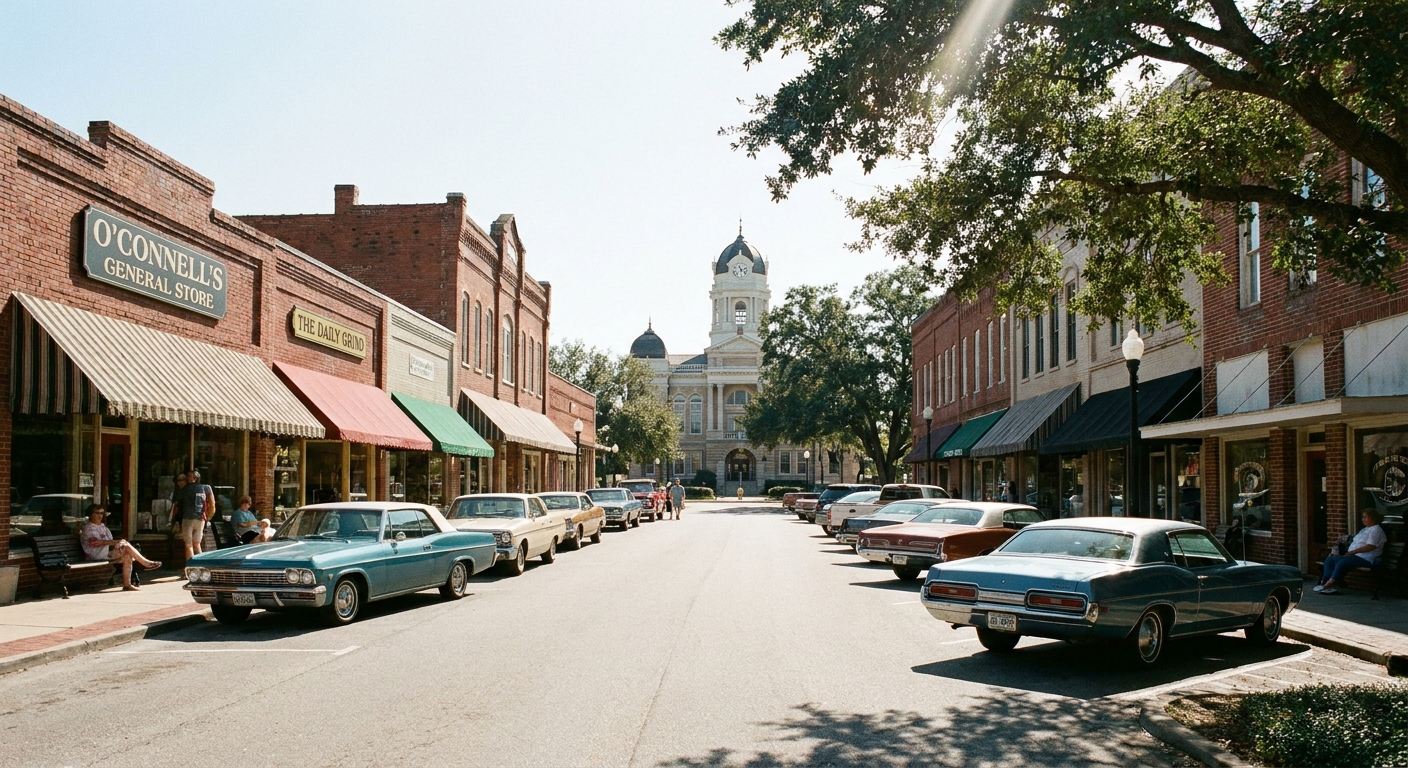
- You see civic buildings nearby like a courthouse, city hall, library, or a historic theater
That intersection is usually your anchor. Even if the ZIP is large, the commercial heart often “pinches” into a denser knot.
Step 3: Confirm with three downtown magnets
I like to confirm the core by spotting at least two of these three magnets within a few blocks:
- A local coffee shop (not just a drive-thru)
- A park square or riverwalk (a place people linger)
- An old-school institution like a diner, bakery, barbershop, or independent bookstore
Want to lean into the quirky history side of downtowns? Pair this with finding historical markers by ZIP code so your stroll has a few good stories baked in.
Step 4: Check walkability and crossings
Here’s the “tell” that you have the right downtown pocket: you can create a loop that feels good on foot. I aim for:
- 0.7 to 1.5 miles total wandering
- Blocks with sidewalks on both sides (or at least most of the route)
- A mix of retail plus snacks so you are not just walking past office doors
Also watch for the friction points: a busy arterial you have to sprint across, missing curb cuts, or a stretch with no sidewalks. If you see those, tighten the loop to stay on the calmer grid.
If you need help sizing your route, my go-to method is a simple radius plan. I walk you through it in How to Plan a 5-Mile Radius Day Trip From Any ZIP Code.
What if the “downtown ZIP” is a PO Box ZIP?
This happens more than people realize, especially in smaller towns. If the ZIP results look weird (mostly post office boxes, a government complex, or almost no storefronts), do this instead:
- Search the town for “main street,” “courthouse square,” or “historic downtown.”
- Find the densest business cluster, then note the ZIP codes shown on a few storefront listings.
- Pick the ZIP that repeats and use that as your downtown planning ZIP.
Downtown afternoon itinerary (3 to 4 hours)
This is my reusable blueprint. Swap in whatever your downtown ZIP serves up, but keep the structure. It creates a day that feels classic, not rushed.
1) Park once, on purpose (15 minutes)
Park slightly off the busiest block. My favorite spots:
- A side street one block behind main street
- Public parking near the library or a small park
- Angled street parking on a quieter cross street
Quick rule: if you park directly in front of the cutest café in town, you will spend the whole afternoon guarding your spot in your head. Park, lock, forget about your car.
2) The first loop: window shop (60 to 75 minutes)
Start walking with zero pressure to buy. The first loop is reconnaissance:
- Pop into the bookstore, gift shop, antique store, and any boutique with local goods
- Note the places you want to return to after coffee
- Take a quick detour to peek at the historic theater or courthouse facade
This is also when I scout for a low-key snack to pocket for later: a cookie, a small bag of candy, a piece of fudge, a soft pretzel. Downtowns are made for this.
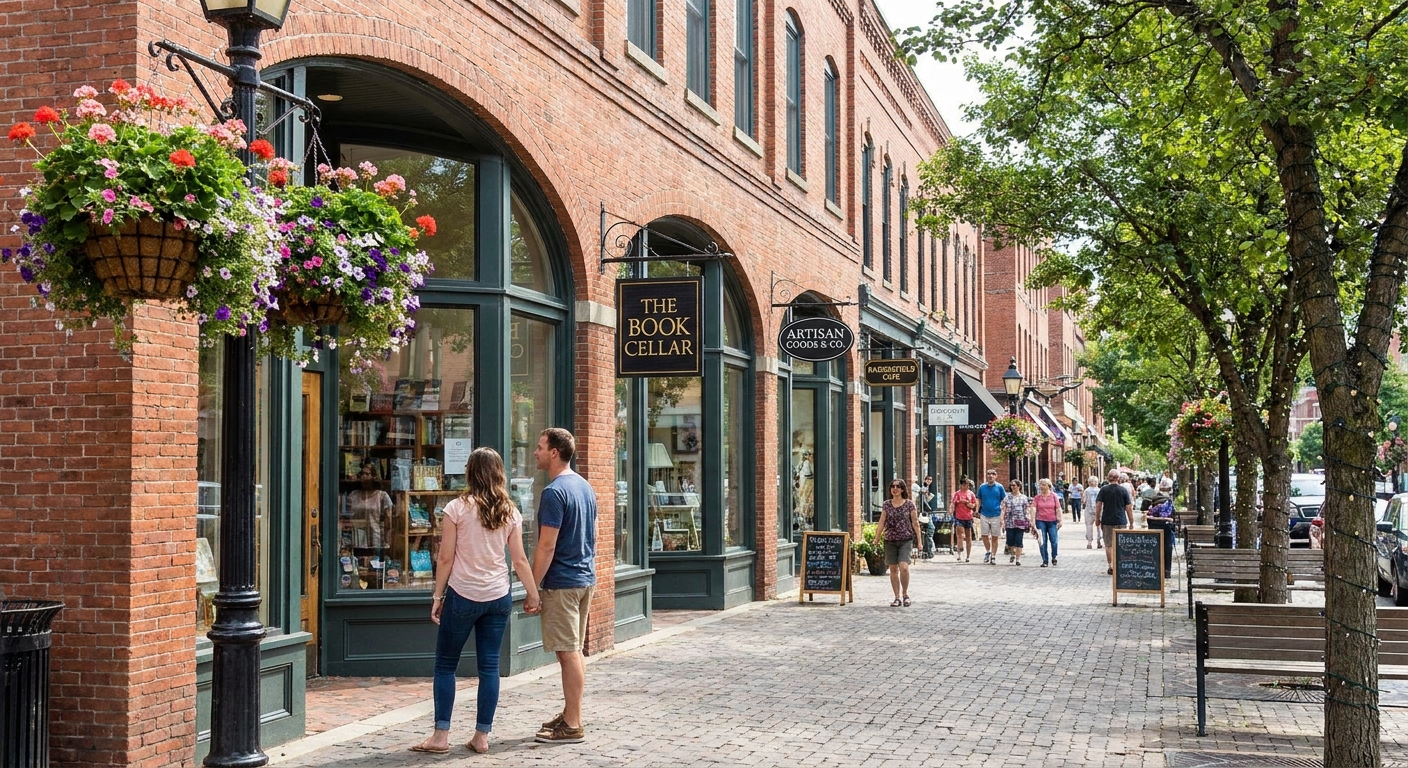
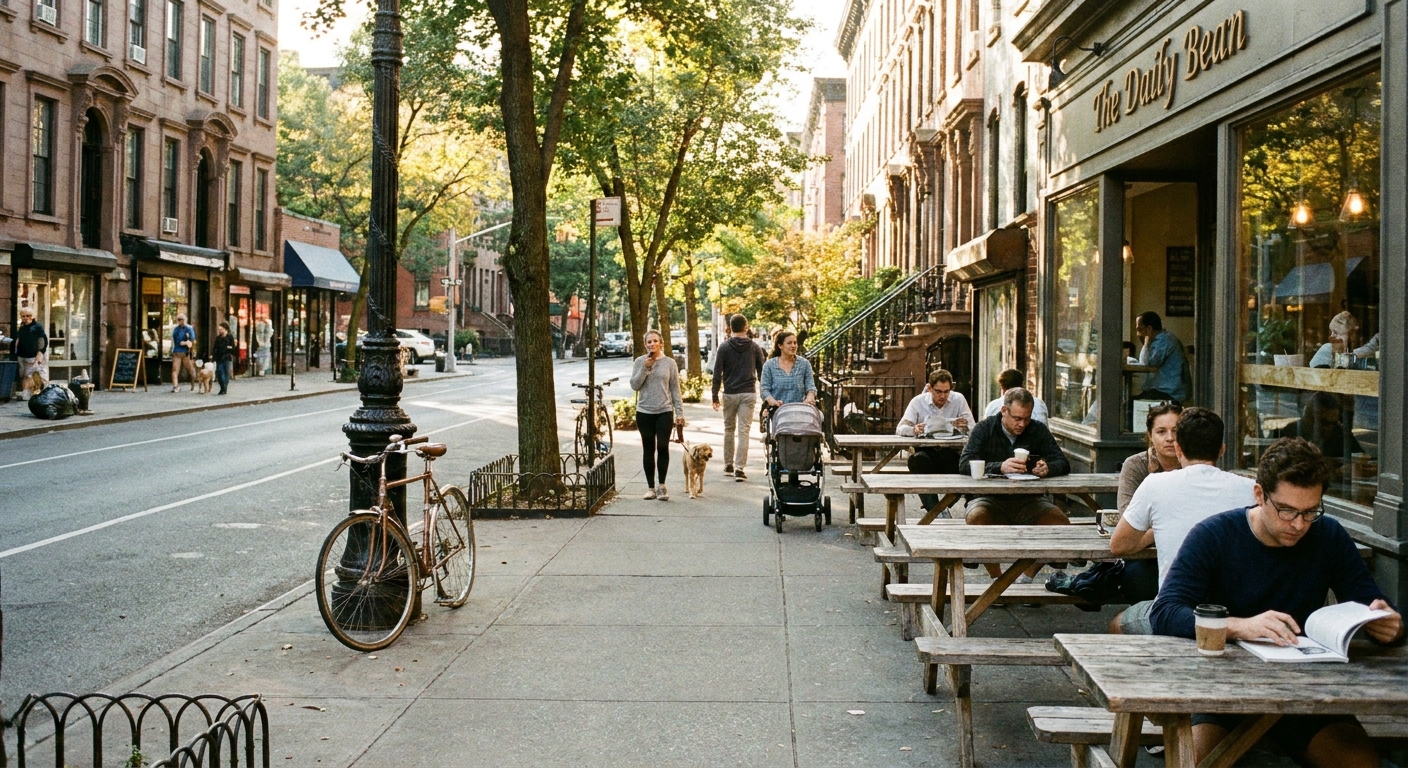
3) Café time, with a table strategy (45 minutes)
Pick the coffee shop that has people sitting, not just grabbing and going. When you walk in, do this:
- Order first if the line is long
- Choose a seat that lets you watch the sidewalk if possible
- Ask the barista one simple question: “What’s the most loved lunch spot within walking distance?”
Good baristas answer this with confidence, and it is one of the fastest ways to skip the bland option.
4) A green break (20 to 30 minutes)
Downtown afternoons need a palate cleanser. Walk to a square, pocket park, riverwalk, or even the steps of a courthouse lawn where it is allowed. Sit for ten minutes. Stretch. Let the town feel like a place people live, not just a set of storefronts.
Accessibility shortcut: make it a shorter loop
If you want something gentler (or you are pushing a stroller, rolling a suitcase, or conserving steps), build a 0.5 to 0.8 mile loop around the flattest, most sidewalk-complete blocks. You will still get the “main street” feeling without turning it into a fitness challenge.
5) The second loop: targeted browsing (45 minutes)
Now go back to the two or three shops you actually loved. This is when you buy the small souvenir that will make you smile later:
- A postcard from the local museum
- A jar of regional jam or hot sauce
- A locally made candle or tea blend
- A weird vintage find you absolutely do not need, but will treasure anyway
If you want your purchases to feel extra intentional, I love building afternoons around this idea: map a support-local shopping spree by ZIP code.
6) Golden-hour bite or early dinner (45 to 75 minutes)
Finish within the same downtown ZIP if you can. You want that “park once” victory. Look for:
- A diner with counter seating
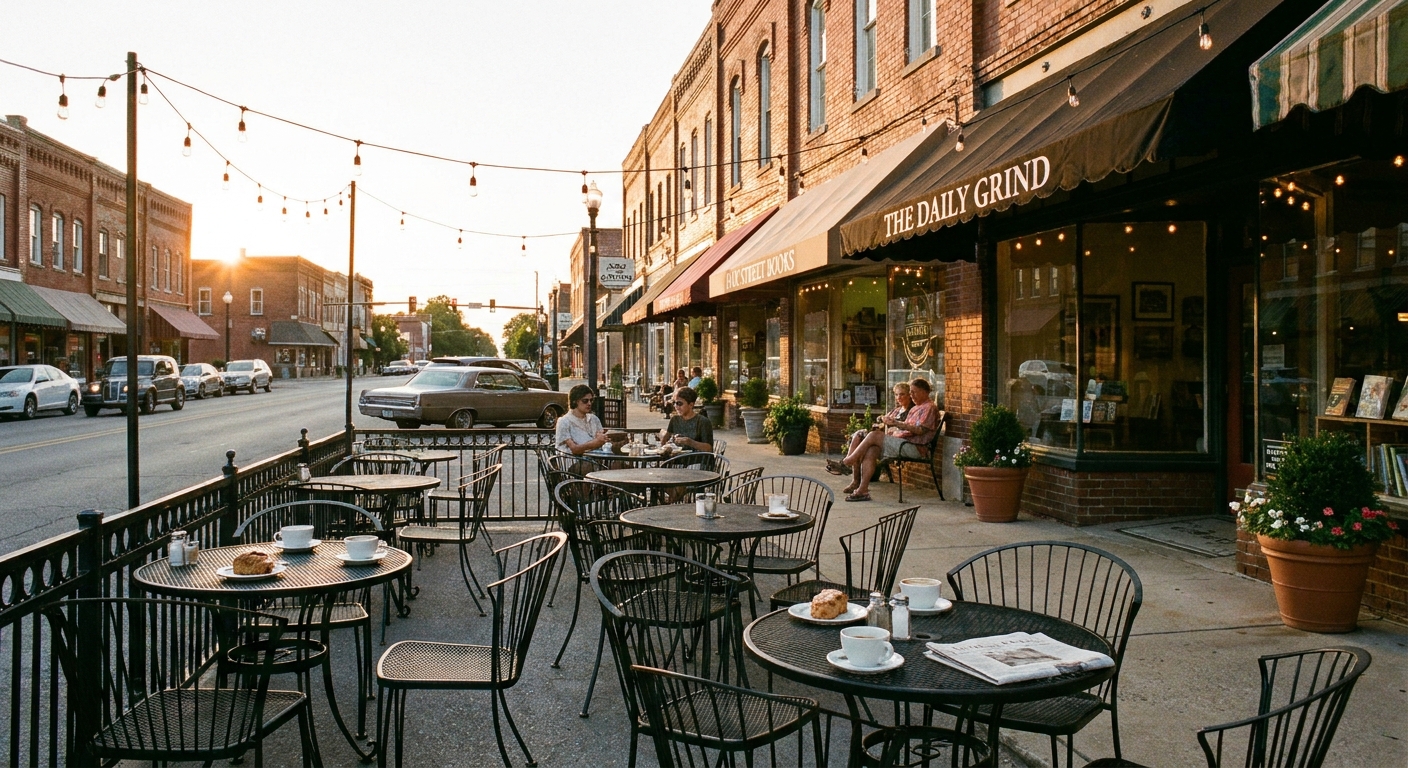
- A patio that faces the main drag
- A bakery that does savory options in the afternoon
If the downtown is tiny and closes early, flip the order: eat first, then window shop. You will avoid the 3 pm “everything is closed” surprise.
Build your list in 10 minutes
If you are the kind of person who likes a quick checklist before you head out the door, this is my pre-trip scan. Search the downtown ZIP, then save:
- One anchor café (where you will reset)
- Three browseable shops (bookstore, antique, local goods)
- One green spot (park, square, riverwalk)
- One “institution” meal (diner, old bakery, long-running lunch counter)
- One wild card (record store, vintage toy shop, art gallery, odd museum)
Before you go, do a fast hours check, especially if it is Sunday or Monday. Small-town main streets can be surprisingly quiet at the start of the week, and that is much easier to enjoy when you plan for it.
For restaurant scouting specifically, I have a whole approach for finding places that actually feel local in Find Hidden Gem Restaurants With a ZIP Code.
Downtown ZIP red flags
The ZIP is mostly highways and big boxes
Fix: Search the same town for “historic district,” “courthouse square,” or “main street,” then check which nearby ZIP the densest cluster falls into. Downtowns sometimes sit just outside what you assumed was the core ZIP.
Parking looks stressful
Fix: Plan for a two-block walk from calmer streets, or arrive earlier. In many places, I like starting downtown afternoons around 1 pm, after lunch crowds ease and before dinner traffic builds. If you are in a tourist town or college town, that can be peak energy, so adjust accordingly.
Everything closes at 4 pm
Fix: Do the shopping loop first and build your food plan around a bakery, coffee shop with savory items, or an earlier sit-down meal. Also check hours before you commit to the loop, especially on Sundays and Mondays.
The downtown is cute but tiny
Fix: Treat it as the centerpiece, then add a short scenic drive or overlook nearby. I love pairing small downtowns with scenic overlooks by ZIP code for a perfect two-part afternoon.
A main street map to reuse
Once you get in the habit of planning around downtown ZIP codes, you start seeing towns differently. You are no longer asking, “What’s the one big attraction here?” You are asking, “Where do locals naturally gather, and how do I spend three hours there like I belong?”
If you want more ideas like this, start with the full Town Guides collection. I built it for people who want maximum charm with minimal planning, one ZIP at a time.
Quick packing list
- Comfortable shoes you can walk a mile in
- A tote bag for small purchases
- A portable phone charger (maps quietly drain battery)
- Cash, just in case the antique store has a minimum for cards
- A light layer if you plan to linger into golden hour
FAQ
Is a downtown always one ZIP code?
No. Bigger towns can have downtown split across two ZIP codes, especially if a river, rail line, or major highway runs through the center. In that case, pick the ZIP that contains the densest few blocks and keep your loop mostly there.
What if the ZIP code covers a huge area?
Use the ZIP as the starting filter, then zoom in and find the pinch point intersection. You are planning a walkable core, not touring every corner of the ZIP.
How do I avoid tourist-trap main streets?
I look for everyday signals: a hardware store, a barber, a small grocery, a post office nearby, or locals sitting with laptops at a café. If everything is souvenir shops and no one looks like they have errands to run, it can still be fun, but it will not feel like the town’s real heartbeat.