
I grew up in a military family, which meant I learned a very specific survival skill early: how to land in a new place and find your spot fast. For me, that spot was usually a diner. Not the shiny “diner-themed” chain off the interstate, but the real deal on an older state highway where the coffee is bottomless, the pie case is a little too tempting, and someone at the counter is on a first-name basis with the cook.
This is how I map a classic diner route on state highways and why zip codes are the secret sauce. Once you start plotting by zip, you stop chasing hype and start building a route that actually flows: breakfast at a counter, a scenic detour, a milkshake stop, and a late lunch at a place that still has the original sign.
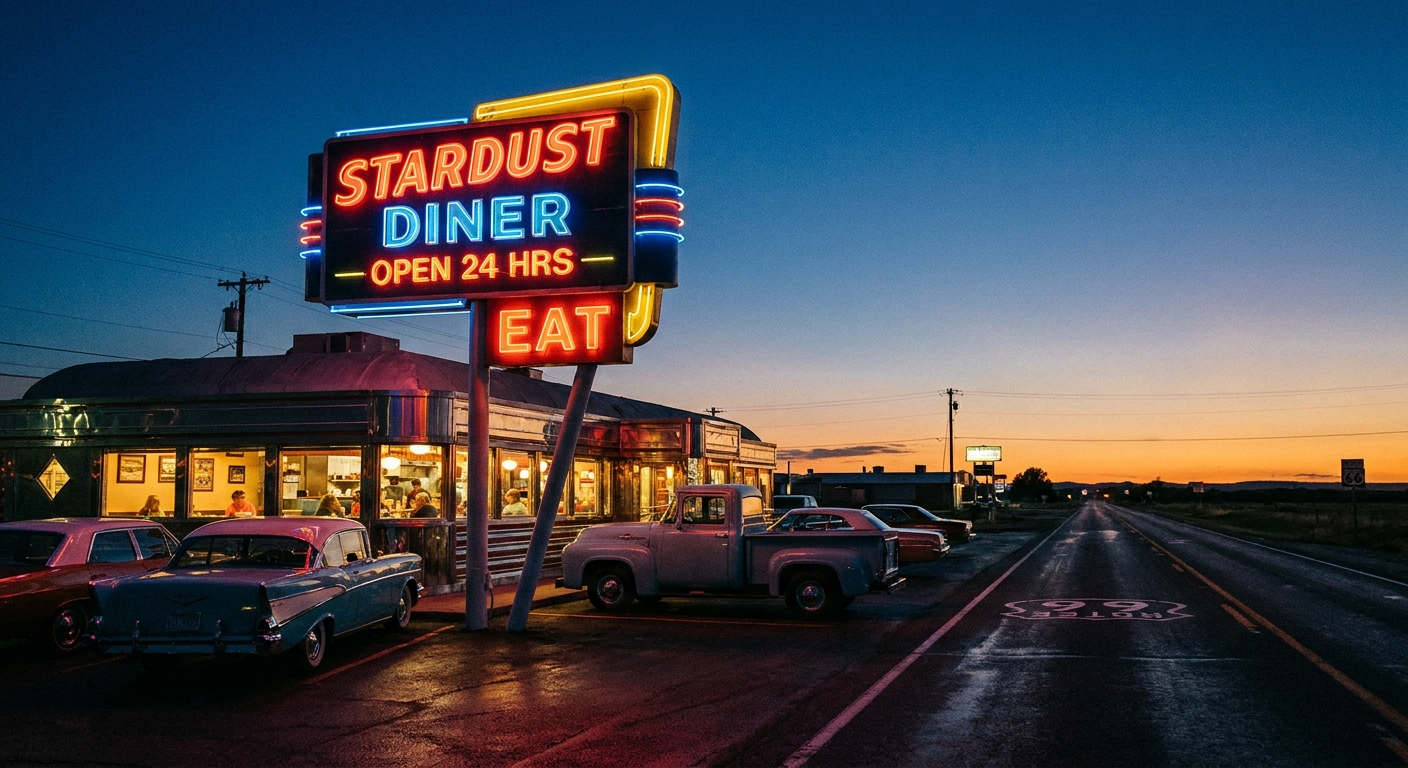
Why state highways are the retro diner sweet spot
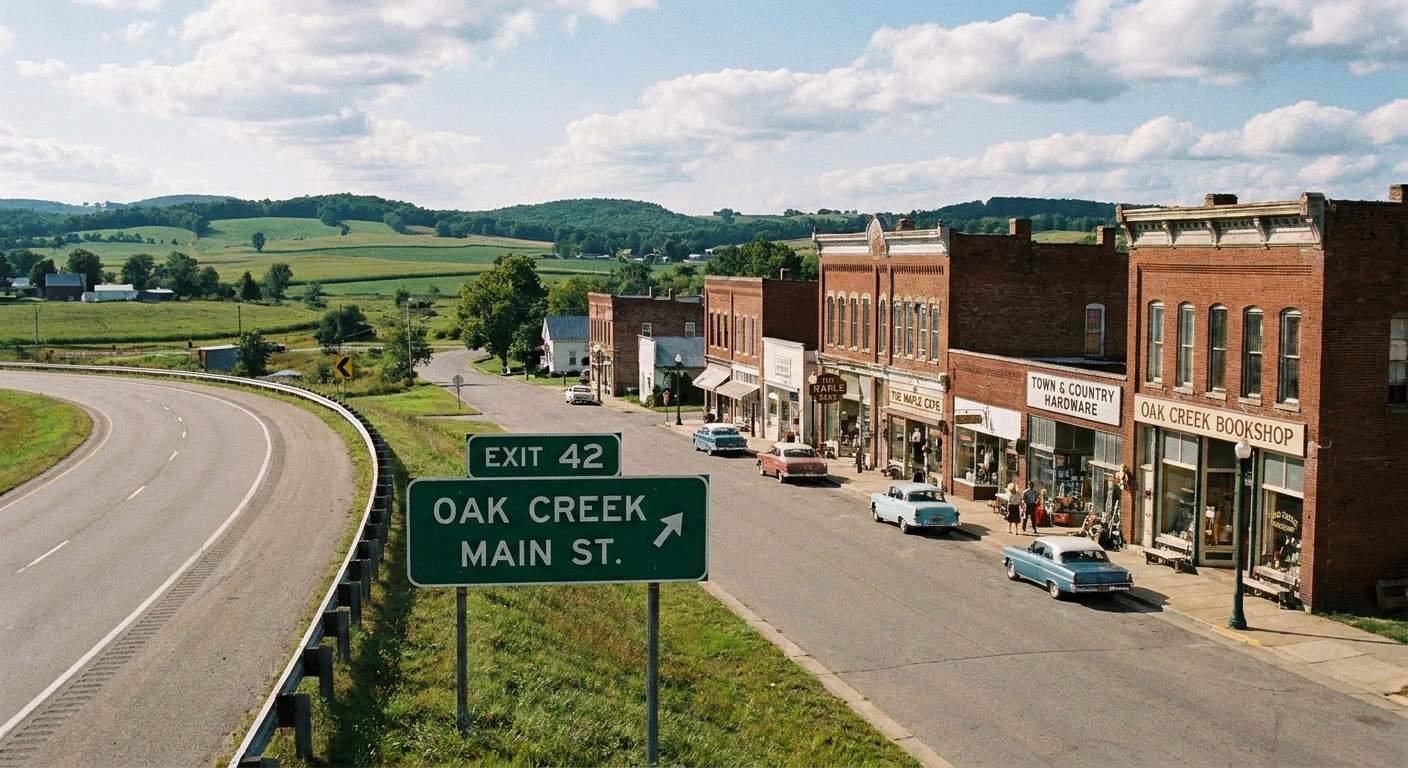
Interstates are efficient. They also often skip over the kind of main streets where older diners built their regulars, especially in areas where a bypass pulled traffic away from the old drag. The American diner story starts earlier than the postwar years, but it truly boomed with car travel and mid-century road culture, and a lot of the survivors are still sitting on older corridors: state routes, former U.S. highways, and “business” loops that used to be the main road through town.
When I am hunting for authentic retro eateries, I prioritize:
- State routes and older U.S. highways (often the road that goes directly through town, not around it).
- Main streets with route numbers (the kind where you hit a stoplight every few blocks).
- Town edges where there is room for parking, a bigger sign, and sometimes an original drive-in layout.
If you want a whole-day route that is not just “exit, eat, repeat,” you will love planning on these roads.
The zip code first method (my micro-trip approach)
Here is my diner-route logic in plain English: I pick a spine road, then I stack “eat stops” into a sequence of zip codes that are close enough to feel like one story.
If you are new to building day trips by zip, start here: How to Plan a 5-Mile Radius Day Trip From Any ZIP Code. That radius trick is perfect for diner hopping because it keeps you from accidentally building a route with 45-minute dead zones between stops.
Step 1: Choose your highway corridor
Pick a state highway that runs through multiple towns, ideally with a little scenery so the drive itself feels like part of the experience. If your map app tries to pull you onto the interstate, that is usually a sign you chose the right kind of old road.
Step 2: Identify 3 anchor zip codes
I like three anchors for a day:
- Breakfast zip (start town)
- Milkshake or pie zip (midpoint town)
- Late lunch zip (end town)
Those anchors do not have to be zip codes that touch on a map. I just want them to line up along the same corridor so the day feels continuous.
Spacing rule of thumb: my sweet spot is keeping each hop around 20 to 35 minutes on state roads, adjusted for terrain, traffic, and how town-dense the corridor is. That leaves room for slow coffee, antique stops, and the scenic overlook you did not know you needed.
Step 3: Fill in supporting stops inside each zip
This is where planning by zip really helps. In each anchor zip, add one non-food stop so the day does not blur into a carb parade:
- A historic marker
- A small-town park
- A riverwalk
- A quick museum
- A viewpoint
Two useful companions while you build the route:
How to find authentic diners (and avoid “retro-inspired” traps)
I love a good themed place, but if your goal is a classic diner route on original highway infrastructure, you need a quick authenticity filter. Here is what I look for before I commit mileage.
Green flags in photos and reviews
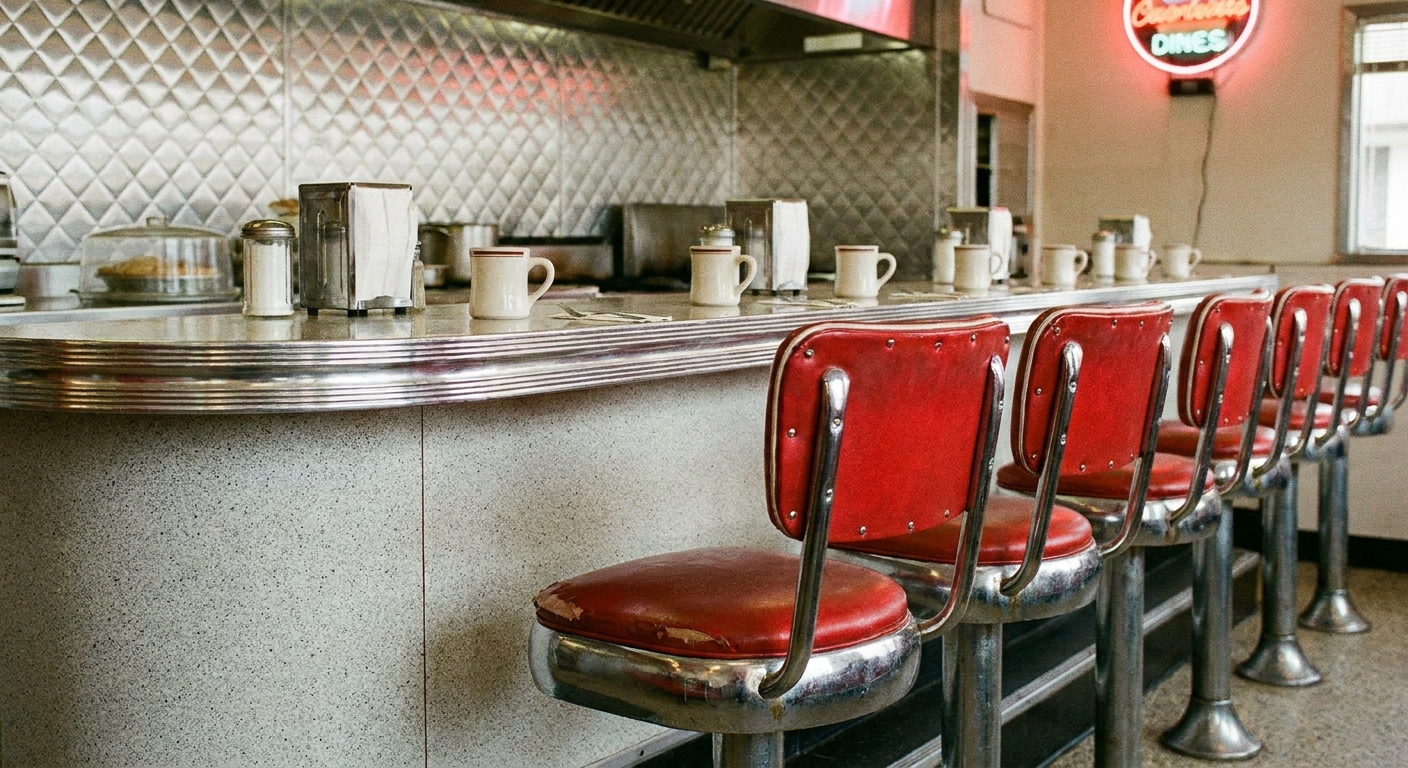
- A real counter with stools, wear, and regulars in the background.
- Short, stable menu that reads like it has been the same for a decade: breakfast all day, burgers, club sandwiches, meatloaf, pies.
- Parking that makes sense for road travel: pull-through spots, side lot, or a wide street in town.
- Local language in reviews: “our usual spot,” “been coming here since,” “still tastes the same.”
- Signs of longevity: dated interior details, older exterior signage, or a building shape that screams mid-century.
Yellow flags (not a dealbreaker, just verify)
- “Diner” in the name but everything looks brand new. Could be a lovingly restored classic or could be cosplay.
- Too many menu pages. If it reads like a novel, it is often a modern family restaurant, not a classic diner.
- All reviews mention one viral item and nothing else. Sometimes that means the place is more destination than diner.
Red flags for a classic diner route
- Located only at interstate exits with hotel clusters and big-box sprawl.
- “Retro aesthetic” as the primary selling point instead of “breakfast” and “coffee.”
- No hours posted clearly and reviews suggest frequent closures. For a road trip, reliability matters.
If you want to turn this into a broader food hunt beyond diners, this pairs nicely with Find Hidden Gem Restaurants With a ZIP Code.
Build your route like a pro: three meals, one highway
My favorite classic diner day is basically a tiny loop of comfort and curiosity. Here is the structure.
Stop 1: Breakfast diner (start early, park easy)
Pick a place that opens early and has an easy in and out. If you are traveling on a state highway that runs through a downtown, choose a breakfast spot that is either:
- On the edge of the downtown grid (less parallel parking stress), or
- One block off the route (quieter, often more local)
Stop 2: One walk-it-off stop in the same zip
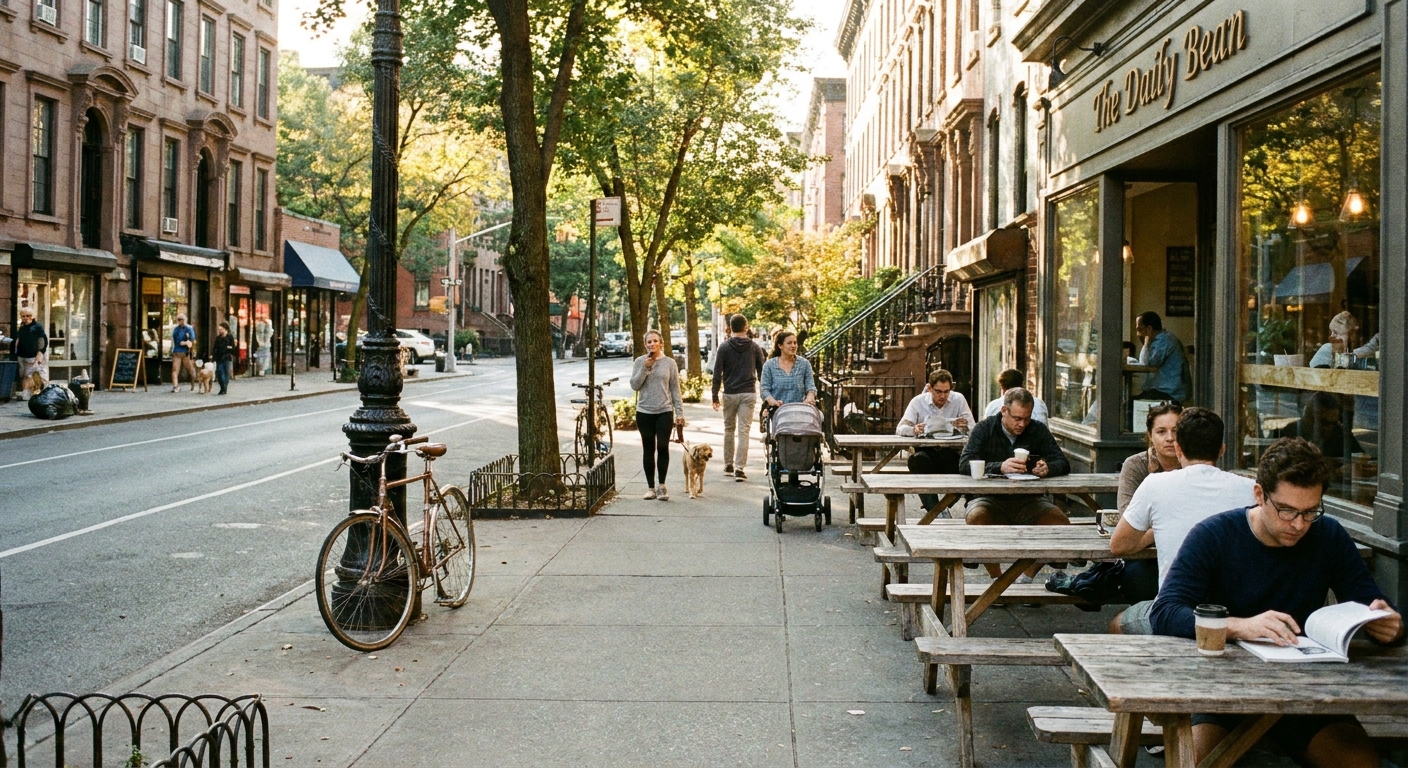
This is where you keep the day from feeling like a binge. I like a 20 to 40 minute reset: a riverside park, courthouse square stroll, or a historic marker cluster. A self-guided walk also keeps your route flexible if one diner has a wait.
For walking-friendly planning, I use: Map a Self-Guided Walking Tour With ZIP Code Boundaries.
Stop 3: Midday pie or milkshake (the classic detour)
Your midpoint stop should be quick and fun. You are not trying to replace lunch. You are trying to add a memory. A slice of coconut cream pie, a chocolate malt, or a grilled cheese split in the car counts as a win.
Stop 4: Late lunch diner (end with a signature plate)
For the final stop, I look for a place with at least one “we do this better than anyone” item. It is often:
- A local chili recipe
- A hot roast beef sandwich
- A fried chicken special
- A regional burger style
Optional stop: Sunset drive-in vibe
If you can find a true drive-in or an old-school stand with car-side ordering, put it at the end. It is the perfect capstone because you can linger as long as you want without worrying about table turnover.
How to map diner stops using zip codes
You do not need fancy tools, but you do need a consistent method. Mine is simple:
- Search by town and then confirm by zip. Town names can be messy and duplicates happen. Zip codes usually reduce the confusion, even though they are designed for mail delivery and do not always match neighborhood boundaries.
- Cluster stops by nearby zip codes. If you are bouncing across far-apart zips, you will spend more time driving than enjoying.
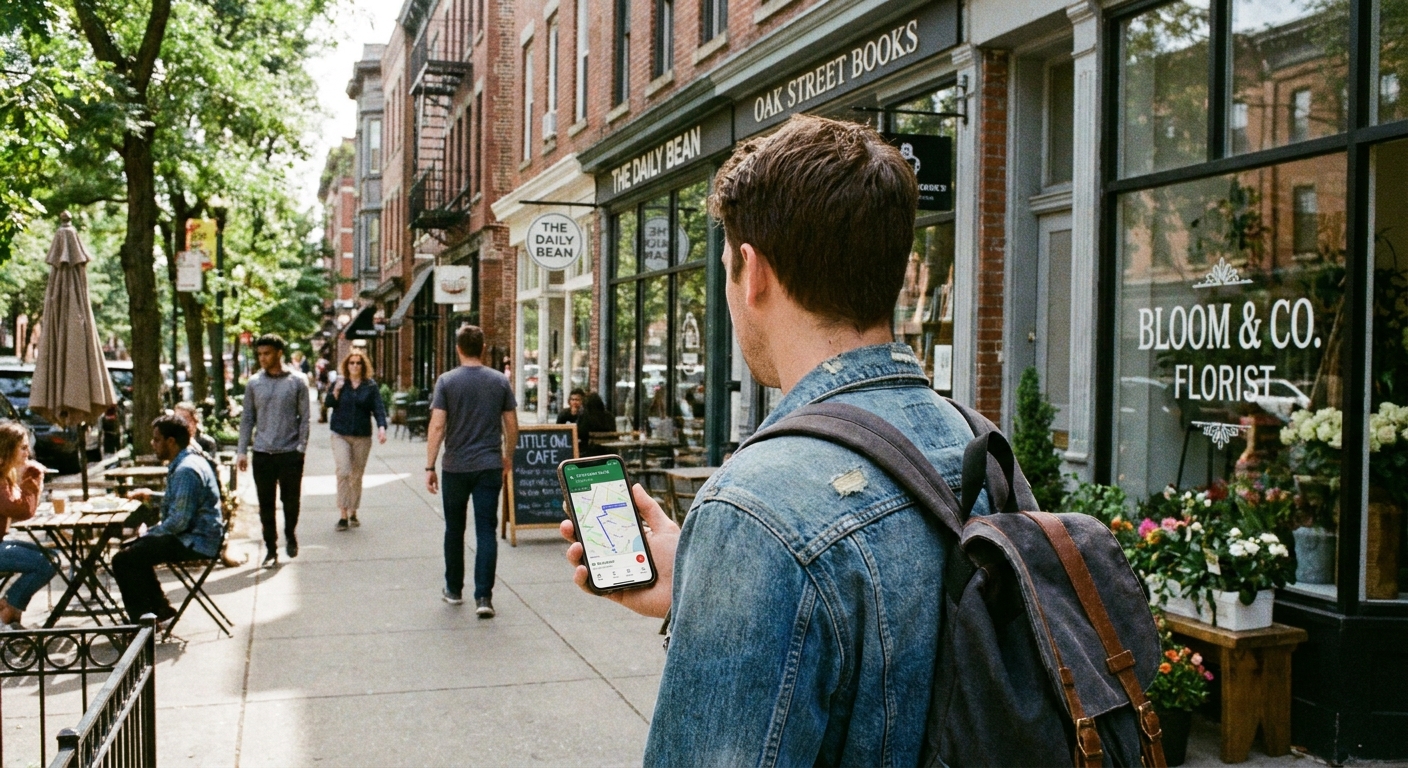
- Use the diner as the pin, not the city center. Some zips are huge. Your route should be built around where the diner actually sits on the highway.
If you ever find yourself stuck in the “is it the town name or the postal area?” confusion, this clears it up: City Name vs ZIP Code Search.
And if you want a broader framework for road trip building, bookmark: Road Trip Guides.
Sanity-check hours and closures
Older diners can be consistent for decades, then suddenly be closed on Mondays, or close early if the grill cook is out. Before I commit to a long detour, I do a quick reliability sweep:
- Look for recent proof of life. I want at least a couple reviews from the last month or two that mention service, not just food photos.
- Watch for seasonal and holiday notes. Small-town spots may close for a week in winter, take Sundays off, or run shorter hours during fairs and school events.
- When it is a linchpin stop, call. A 30-second phone check can save a whole zip-code hop.
Rural logistics and safety
State highways come with their own practicalities. A few habits keep the day smooth:
- Skip narrow shoulders. If there is not a real lot or a safe side street, keep going. The best pie is not worth a sketchy pull-off.
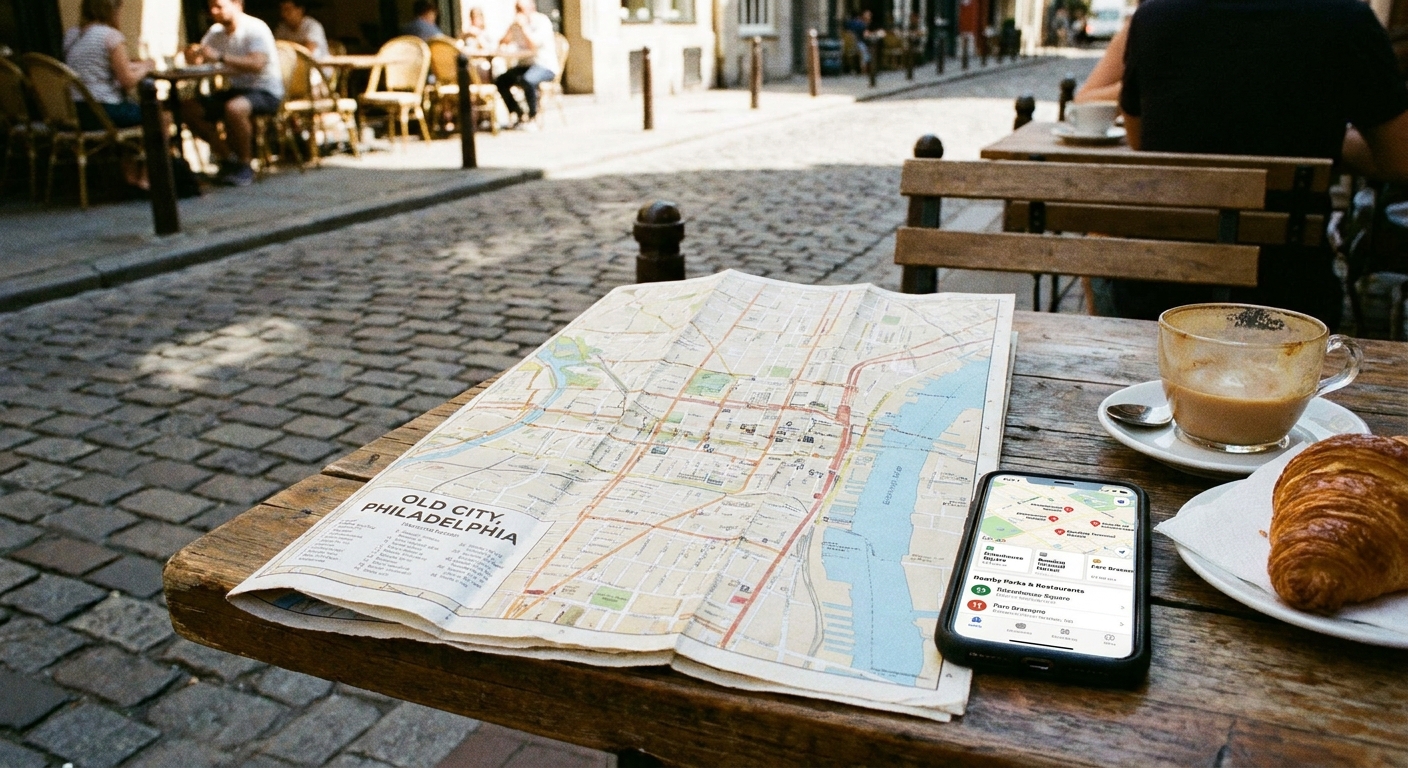
- Expect patchy cell service. Screenshot your route or save pins before you drift out of signal.
- Build in a buffer. Farm equipment, school zones, and small-town stoplights can stretch a short distance into a longer hop.
Accessibility and diet reality check
Classic diners are welcoming, but older buildings can be quirky. If anyone in your group has mobility or food needs, plan with a little extra intention:
- Entrance steps happen. A lot of vintage spots have a step up, a narrow doorway, or tight booth spacing. If it matters, check photos or call ahead.
- Cash-only is still a thing. Even when a place takes cards, the machine may go down. I keep cash for backup.
- Vegetarian and gluten-free can be limited. You can usually cobble together eggs, salad, or a baked potato, but this is not the day to assume every substitution exists.
What to pack for a classic diner route
Classic diners are delightfully low-maintenance, but state-highway hopping has its own rhythm. My glovebox list:
- Cash for small-town spots that still prefer it, plus tipping without math stress.
- A cooler bag for pie slices or leftovers you swear you will eat later.
- Wet wipes and napkins because malts are optimistic.
- A pen for jotting down “come back” notes on a receipt.
- A light layer because booths near the door are always either arctic or tropical.
Diner etiquette that keeps your route smooth
- If the counter is open, take it. You will usually get faster service, and you free up booths for families.
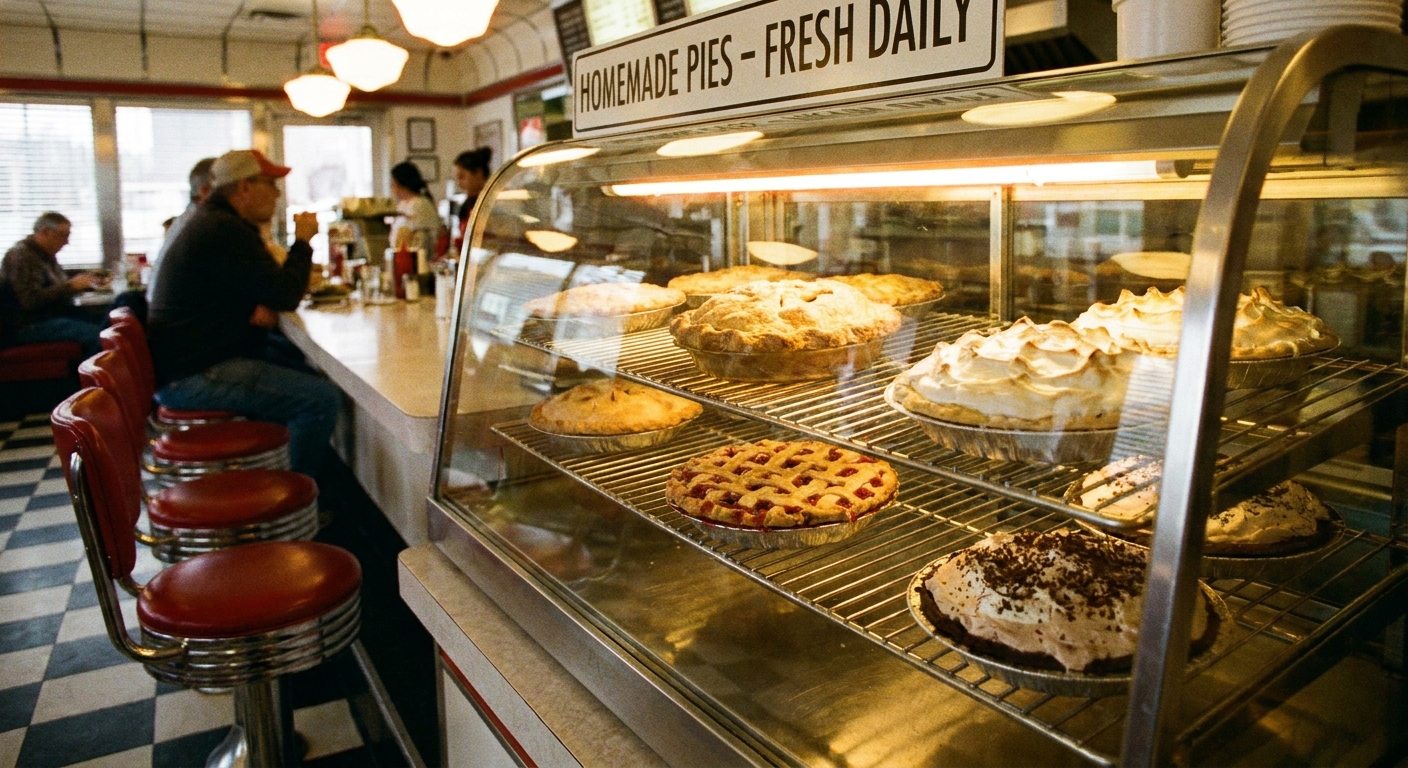
- Ask what is homemade. This is the friendliest question that also gets you the best thing on the menu.
- Be patient during church-lunch hours. Small staff, big rush. If you are mapping your day, schedule your big sit-down meal before or after that wave.
- Photograph respectfully. Snap the sign outside. Inside, avoid putting strangers in your shots.
Quick checklist: Is this diner-route worthy?
Before you commit to a stop, run this 30-second check:
- It sits on a state route or older through-town highway corridor.
- Hours are posted and recent reviews confirm they are accurate.
- Parking looks doable for your vehicle.
- The menu is diner-simple, not endless.
- Photos show a lived-in space, not a brand-new “retro set.”
- It fits your hop distance to the next zip code stop.
FAQ
How many diners should I plan in one day?
Three is my sweet spot for a full day: breakfast, pie or milkshake, and a late lunch. More than that and you start rushing, or you end up ordering out of obligation instead of appetite.
Are old U.S. highways better than interstates for diner hunting?
Often, yes. Interstates concentrate food into exit clusters. Older corridors scatter it through towns where diners originally served travelers passing straight through.
What if my route keeps pulling me back onto the interstate?
That usually means your mapping app is optimizing for speed, not the kind of day you are trying to have. Choose a state highway as the primary corridor and build your stops around it by zip code. If you need inspiration for slower, better roads, you will like The No-Highway Rule: Backroads Only Road Trips.