
I grew up in a military family, which meant new towns every few years and a familiar ritual every single move: I would find the local library before I found my favorite pizza place. Libraries were the quickest way to feel like I belonged. Decades later, I still do the same thing, only now I turn it into a micro-trip on purpose. Pick a ZIP code, map the stops, and suddenly your Saturday has a plot.
This is how I build a book-lover’s day out around a single ZIP code, using historic libraries, literary landmarks, and independent bookstores as the spine of the itinerary. It works in big cities, small towns, college neighborhoods, and those overlooked pockets between tourist zones that are quietly packed with stories.
Start with one ZIP code
The trick is to stay small. A literary day out gets way more enjoyable when you can actually linger, browse, and sit down with your finds instead of racing across town.
If you need a quick refresher on planning tight, walkable days, I build most of my itineraries using the same approach in How to Plan a 5-Mile Radius Day Trip From Any ZIP Code. For book days, that 5-mile circle is perfect: enough room for a main library, a bookstore or two, and at least one landmark.
How I pick a bookish ZIP code
- Older neighborhoods: look for areas with established civic buildings, older downtowns, courthouse squares, or historic districts. These often have the most photogenic libraries and plaques.
- University-adjacent ZIP codes: you get academic libraries, used bookstores, author lecture venues, and coffee shops that do not rush you.
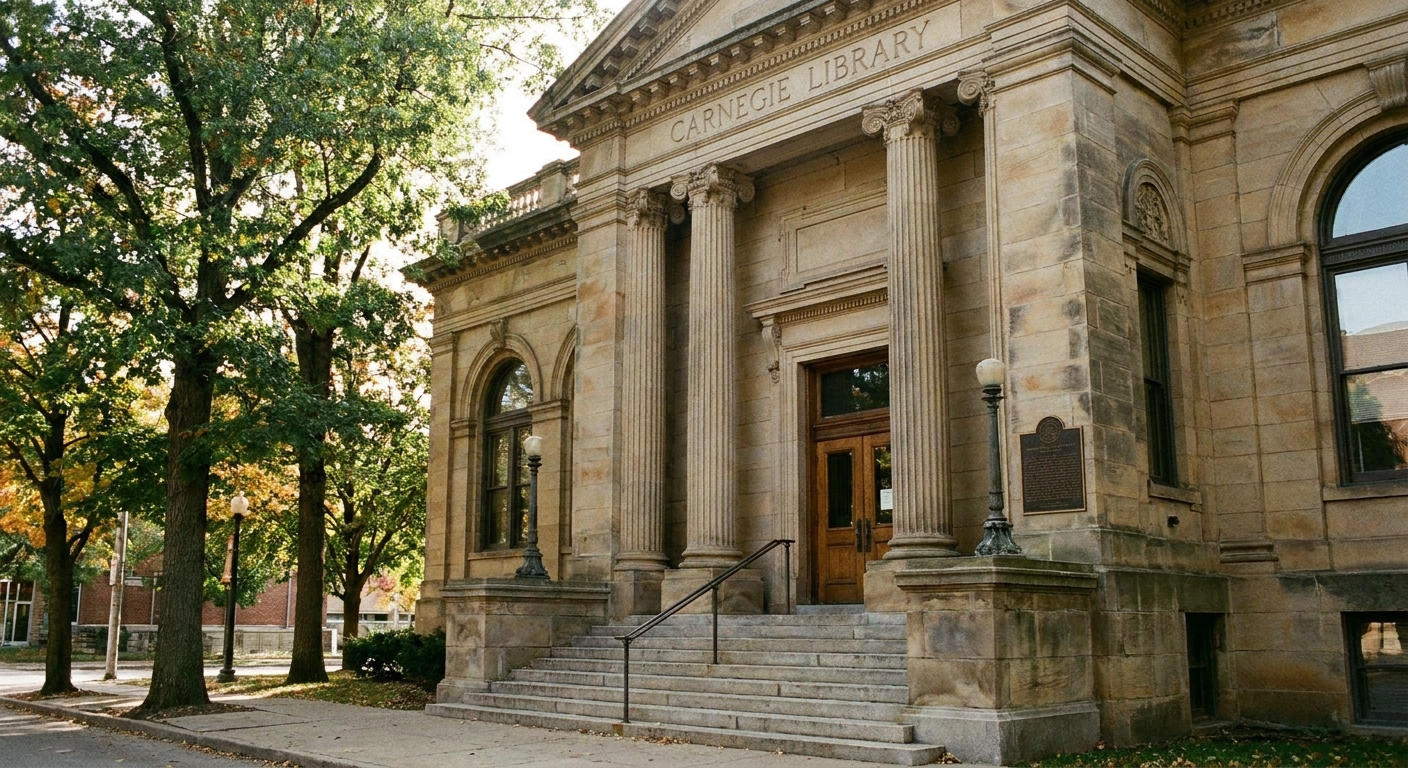
- Main Street ZIP codes: ideal for pairing an indie bookstore with a historic society, museum reading room, or a library in an old Carnegie building.
One reality check I have learned the hard way: ZIP code boundaries do not always match the “downtown” you picture in your head. If the perfect cluster sits right on the edge, I prioritize the cluster and keep the day tight, even if you cross a boundary once or twice.
If you are bouncing between a city-name search and a ZIP code search, the difference matters. I break it down in City Name vs. ZIP Code Search, but the short version is: ZIP codes keep you focused on what you can actually do in one day without turning it into a commute.
Build your chapter list
I like to think of the day as four chapters. You can swap in whatever your ZIP code has, but keeping these roles in mind makes the itinerary feel complete.
Anchor 1: A standout library
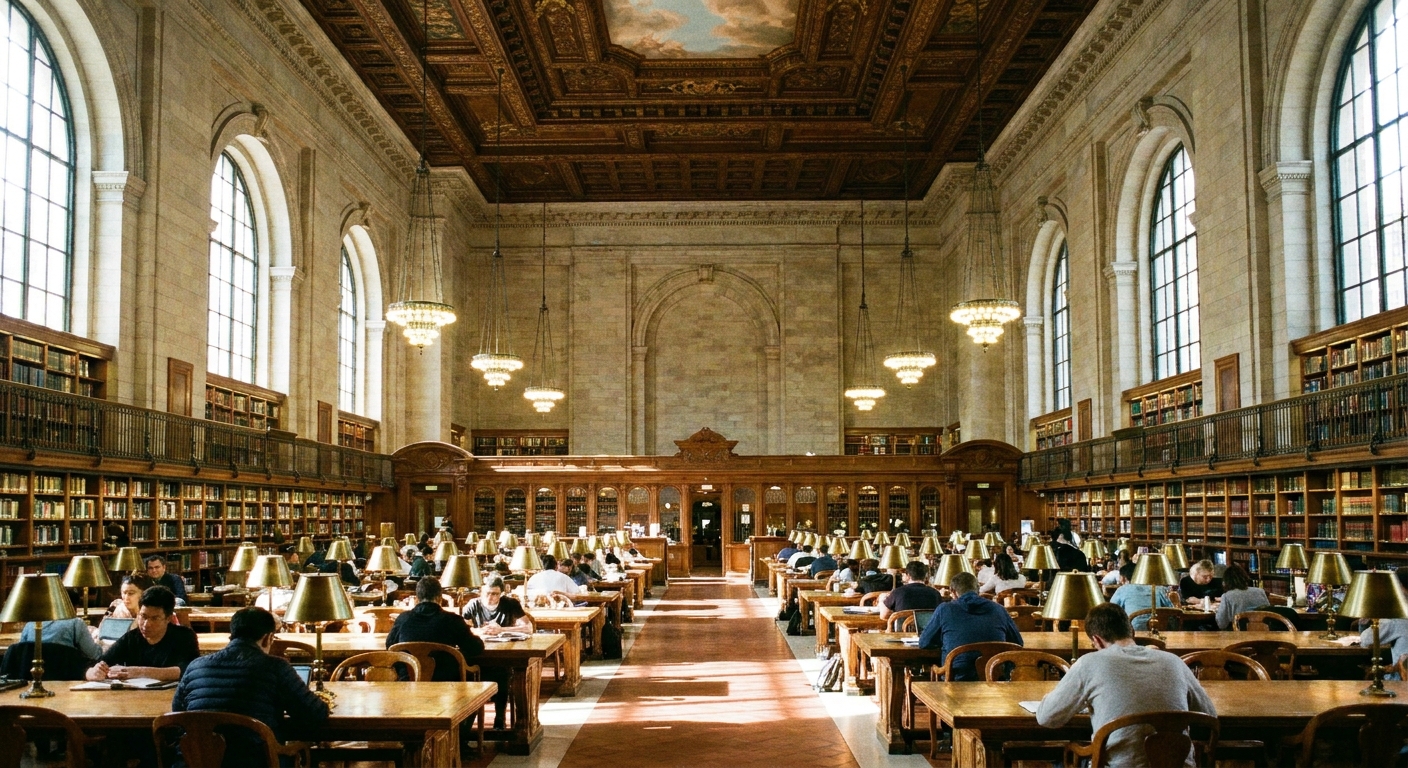
Look for at least one library that feels like a destination: historic architecture, a special collection, a notable reading room, a local-history archive, or even just an old-school building with serious atmosphere.
- Search for “main library,” “Carnegie library,” “reading room,” “archives,” “local history,” or “special collections.”
- Check if it has a gallery exhibit, makerspace tour, used-book sale corner, or a volunteer-run bookstore inside.
- Confirm hours. Some historic branches keep shorter schedules, especially on weekends.
Anchor 2: A literary landmark
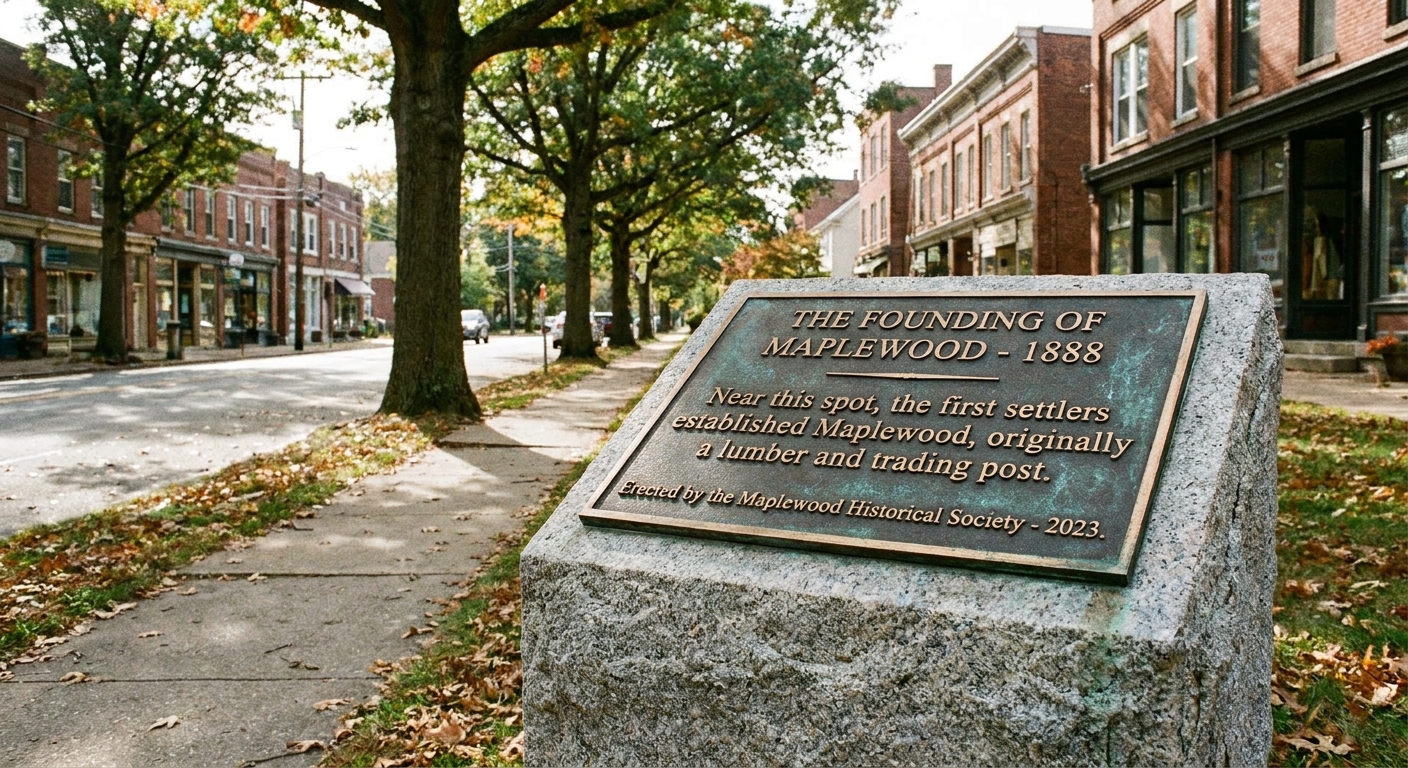
This does not have to be a famous novelist’s house. The best landmarks are often small and local, like a plaque, a former newspaper office, a mural, a historic theater that hosted readings, or the building where a beloved children’s author taught school.
My favorite way to find these quickly is to hunt markers and plaques first, then build the walking segment around them. If you want a dedicated method, use Find Historical Markers By ZIP Code and scan marker titles and descriptions for anything that mentions writers, publishers, poets, printing, newspapers, bookstores, or schools.
Anchor 3: An independent bookstore
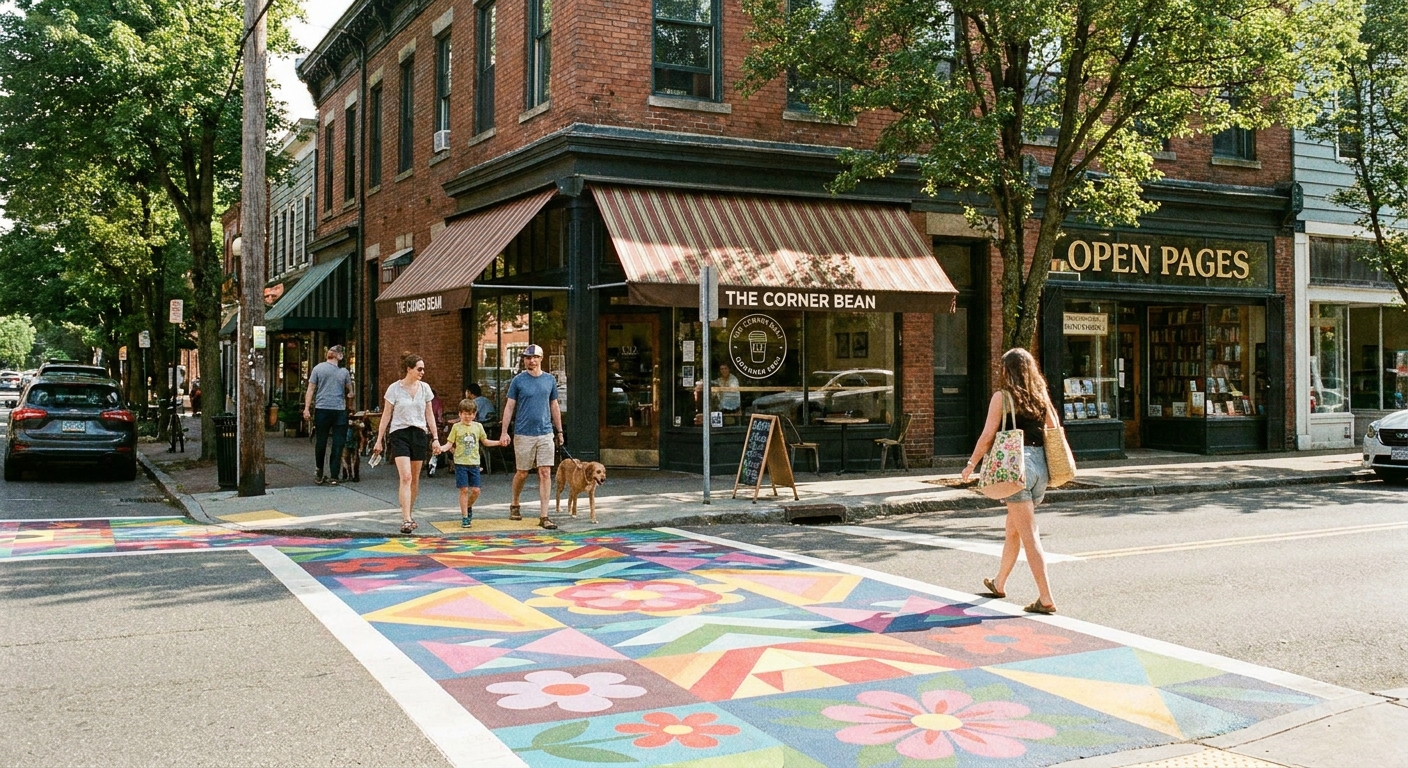
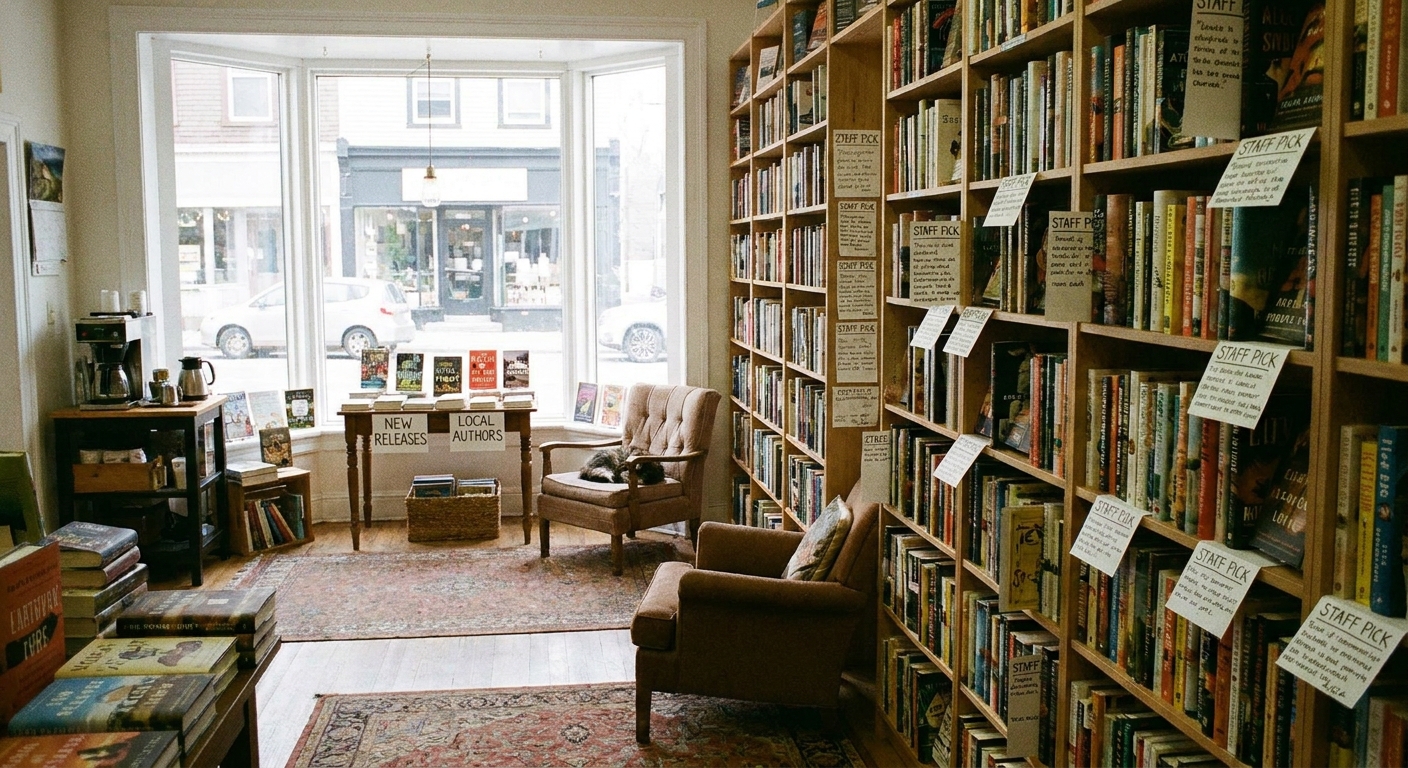
Indie bookstores are where your day becomes personal. This is where you buy the book you did not know you needed, get a staff recommendation, and maybe stumble into a surprise event.
- Prioritize shops with used sections or local-interest shelves. Those are gold for micro-trips.
- Call ahead if you are hunting something specific. A quick hold request can save you time.
- Ask about store stamps, signed-stock shelves, and regional author displays.
If your ZIP code has more restaurants than reading nooks, you can still make it work. I often pair book browsing with a planned meal stop using the same approach in Find Hidden Gem Restaurants With a ZIP Code.
Anchor 4: A place to read
This is the make-or-break piece people forget. You need one spot where it is normal to sit for 30 minutes with a book.
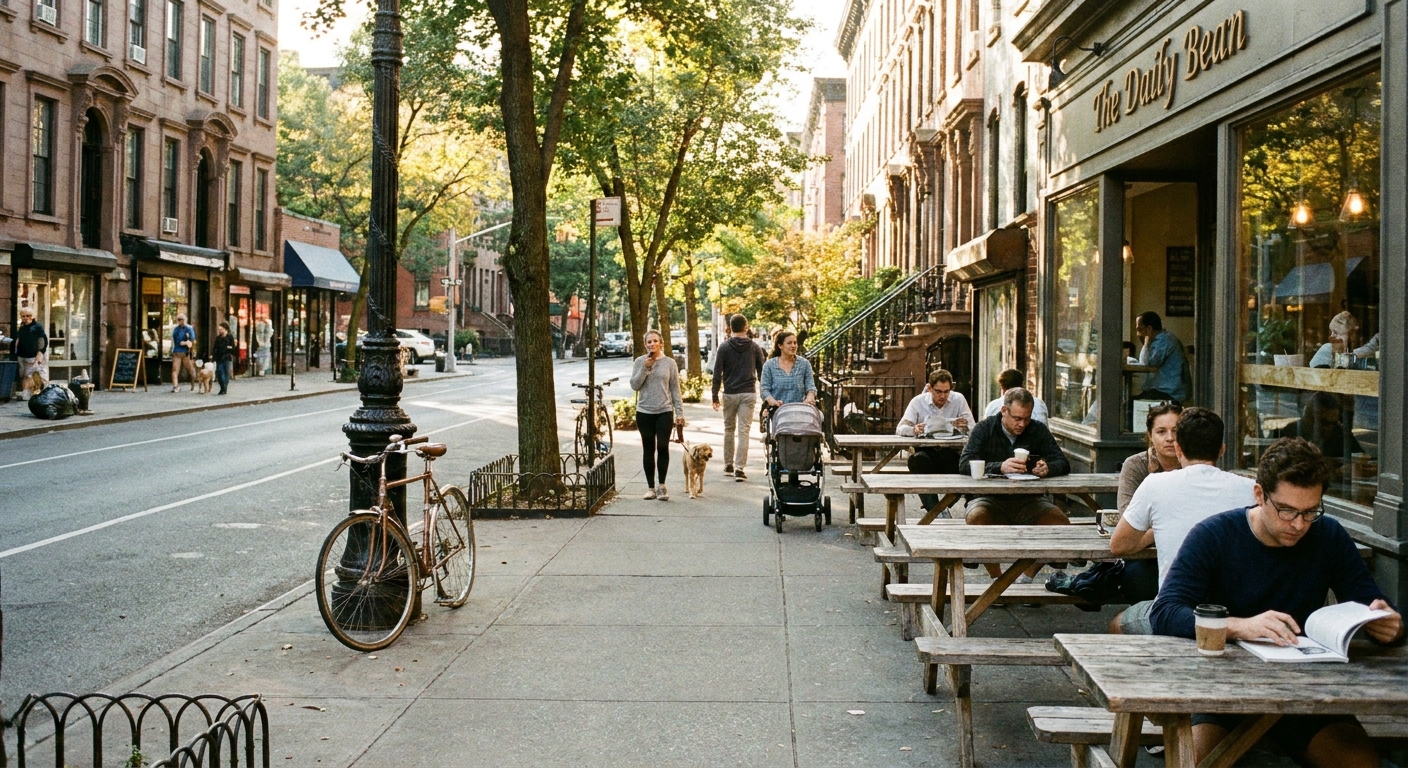
- A quiet cafe with window seating.
- A park bench near a fountain.
- A botanical garden corner.
- A library courtyard or lobby seating area.
If you want an easy framework for building in scenic pauses, The Botanical Day Out is basically my go-to blueprint for pairing culture with calm.
Before you go
A little prep keeps a bookish day feeling dreamy instead of frantic.
- Confirm hours and entry: check weekend schedules, any timed exhibits, and whether special collections require an appointment.
- Know the rules: some archives are pencils-only, bag-restricted, and photo-limited.
- Check access details: if you need step-free entry, elevators, or lots of seating, look it up or call. Historic buildings can be charming and tricky at the same time.
- Save your stops: pin the library, the bookstore, and your reading spot first. Everything else can orbit those.
Steal this itinerary
Here is the exact structure I use. Plug in your ZIP code’s options and you have a full day that feels curated, not chaotic.
9:00 AM: Park once, start at the library
- Arrive near opening for quieter stacks and easier parking.
- Do a fast orientation loop first: entrance desk, restrooms, reading rooms, local-history area.
- Pick one mission so you do not wander forever: local-history exhibit, architecture tour, special collection display, or just a genre browse.
10:30 AM: A short literary walk
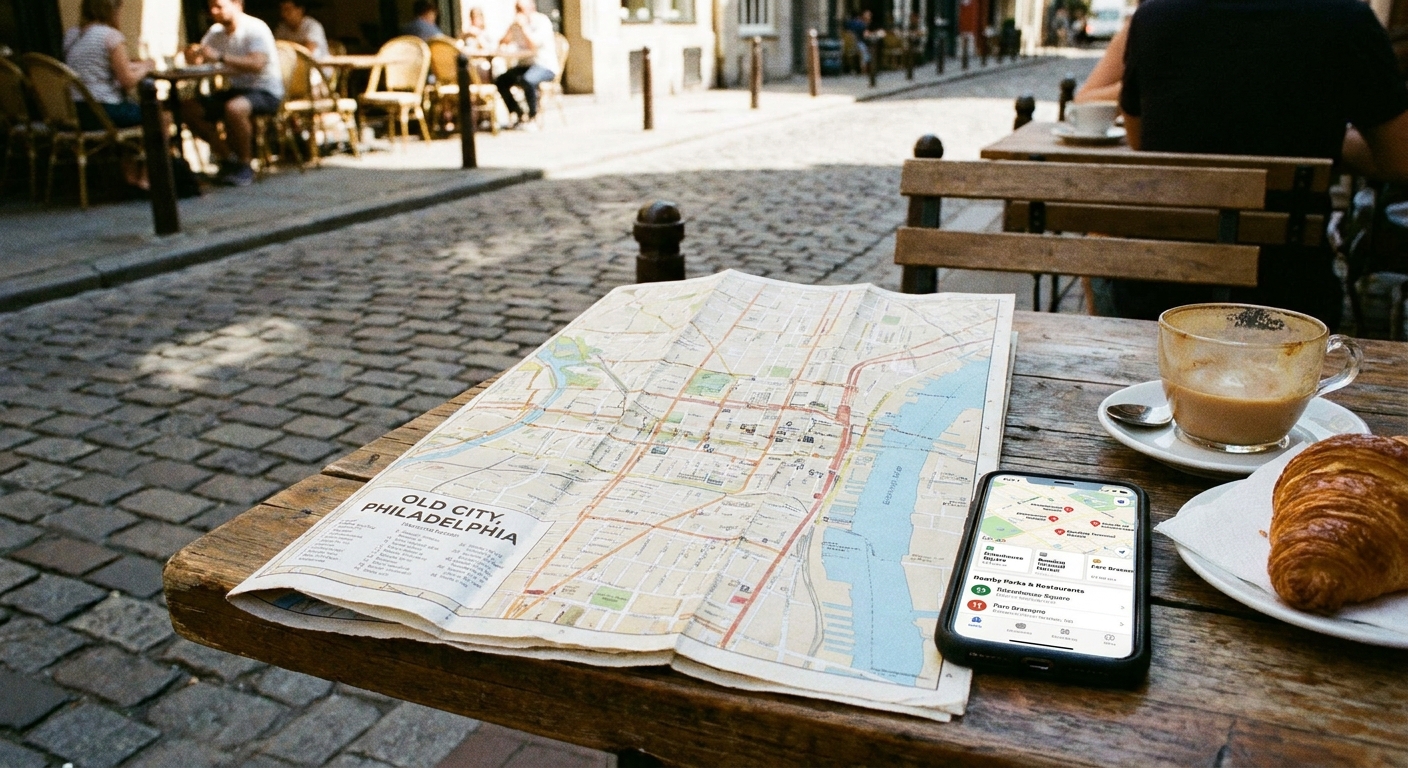
This is where your ZIP code becomes a story map. I love building a mini self-guided route that hits 3 to 6 points: plaques, former printing shops, mural walls, historic homes, old school buildings, even cemeteries with notable epitaphs if your town has them.
If you want to keep it tidy inside boundaries, use the approach in Map a Self-Guided Walking Tour With ZIP Code Boundaries. It is perfect for creating a loop that returns you to lunch without backtracking.
If you are walking with a stroller, a cane, or just a preference for smooth sidewalks, build your loop around parks and civic blocks first. They tend to have better curb cuts, more benches, and fewer surprise staircases.
12:00 PM: Lunch near the bookstore
My rule: if you are doing a bibliophile day, eat where local writers might actually hang out. That usually means downtown diners, family-run cafes, or a neighborhood sandwich shop with a line of regulars.
- Choose a place within a 5 to 10 minute walk of your bookstore stop.
- Bring a tote. Books plus lunch tables get cramped fast.
- If you plan to linger, pick counter service so you are not camping in a server’s section.
1:00 PM: Bookstore deep dive
Give yourself time. A good bookstore is not a quick errand, it is a browsing sport.
- Ask for one local recommendation and one weird recommendation.
- Check for postcard racks, zines, and local maps. Great souvenirs, low bulk.
- Look for event flyers. Even if you cannot attend, they tell you what the neighborhood cares about.
2:30 PM: The reading break
Find your slow scene and take it seriously. This is the moment that makes your day feel like a getaway instead of a checklist.
- Order something simple, settle in, read a chapter.
- Write a note inside the book: the date, the ZIP code, and where you found it.
- If you are traveling with kids, swap the cafe for a playground-adjacent park. You can still read. You just read in bursts.
For family-friendly options, I keep a running playbook in Kid-Friendly Parks By ZIP Code.
4:00 PM: One more close-by stop
If your ZIP code has a small museum, an arts district, a historic society, or a community theater, this is the perfect time. Literary days pair beautifully with one more thing, as long as it is close.
If you are hunting arts-and-culture clusters by boundary, Using ZIP Code Data to Find Arts and Culture Districts can help you spot the neighborhoods where bookshops tend to thrive.
Inside the library
When you are building a whole day around a library, you want more than a quick browse. These are the features that turn a standard branch into a true destination.
- Local history rooms: city directories, historic photos, newspaper archives, neighborhood maps.
- Architecture details: original staircases, murals, WPA-era features, old circulation desks.
- Library bookstores: some systems have volunteer-run shops or ongoing sale shelves.
- Exhibits: rotating displays about local writers, community history, or special collections.
- Quiet spaces: reading rooms, courtyards, sunlit corners with actual comfort.
One practical note: a lot of special-collection areas have rules like pencils only, no bags, and limited hours. Treat it like a mini museum. Plan it early in the day so you are not rushing.
Bookstore manners
I am convinced the best finds appear when you are respectful and unhurried. A few easy habits go a long way.
- Use a tote, not a backpack in tight aisles. It is easier on the shelves and on other browsers.
- Ask before filming if you love posting your hauls. Some shops are fine with it, some are not.
- Buy one small thing if you are browsing for a long time. A postcard, a bookmark, a used paperback. It keeps indie places alive.
- Be specific when you ask for help: “I like cozy mysteries with small-town settings” gets you better recs than “I need a good book.”
If landmarks are thin
Some ZIP codes are bookstore-rich but landmark-poor, or vice versa. You can still build a satisfying day by borrowing landmarks from adjacent categories of place.
- Swap in a quirky stop: an unusual museum, an oddball monument, a vintage sign. I use the same strategy from Mapping Quirky Roadside Attractions By ZIP Code, just with a bookish lens.
- Use a market as texture: a farmers market or craft market often has local authors, zines, or regional-history vendors. If your ZIP code leans rural, The Rural Route: A Farm and Market Day By ZIP Code is a great way to structure the afternoon.
- Go micro: one great library, one great bookstore, one great park. That is still a full day if you let it breathe.
Mini packing list
- Tote bag that can handle a couple hardcovers.
- A sticky note pad for writing titles you want later without pulling out your phone in every aisle.
- A portable charger if you are mapping as you go.
- A light layer because older libraries and archives often run chilly.
- Cash for library sales shelves, used book carts, and small museums.
FAQ
How many stops is realistic?
For a relaxed day: 3 to 5 total stops, including lunch. If you go beyond that, you start spending more time parking and navigating than reading and browsing.
What if the main library is outside my ZIP code?
Keep your core loop inside the ZIP code and treat the library as the one intentional exception if it is within a short drive. Or flip it: make the library ZIP code your anchor and do everything else within that boundary.
Can I do this without a car?
Yes, especially in older downtowns and college towns. Pick a ZIP code with a dense main street and start at the library closest to transit. If you are building car-free days on purpose, Train Station ZIP Codes for Car-Free Day Trips is a helpful way to choose your starting point.
How do I avoid a rushed checklist?
Schedule one long pause on purpose. A reading break is not extra, it is the whole vibe. Keep one empty hour in the afternoon and let the day surprise you.
Your next chapter
My favorite thing about mapping a bibliophile day is that it makes your everyday region feel like a living book. One ZIP code, one library, one indie shop, one bench in the shade, and you are not just killing time. You are collecting a place the same way you collect stories: page by page.
If you want more ways to build destination-style days from small areas, start with Attractions and Plan a Local Day Out Beyond a ZIP Code. I will meet you in the stacks.